Polynesian Spa Rotorua
Is the Polynesian Spa in Rotorua worth it?
Yes — Polynesian Spa is the best public geothermal bathing experience in New Zealand, with 28 pools of different temperatures and chemistry, plus private lake-view spa suites. Public adult entry: NZD 45–55 / USD 27–33 / EUR 25–30. Lake spa private pools: NZD 60–90 / USD 36–54 / EUR 33–50 per person.
| Where | Hinemoa Street, Rotorua lakefront (5-min walk from CBD) |
| Cost | around NZD 45–55 public pools; NZD 60–90 private pool |
| Time needed | 2–3 hours public pools; 1 hour private booking |
| Getting there | Walkable from central Rotorua; parking on-site |
| Best time | Early morning or sunset, outside Saturday midday |
Rotorua’s geothermal bathing benchmark
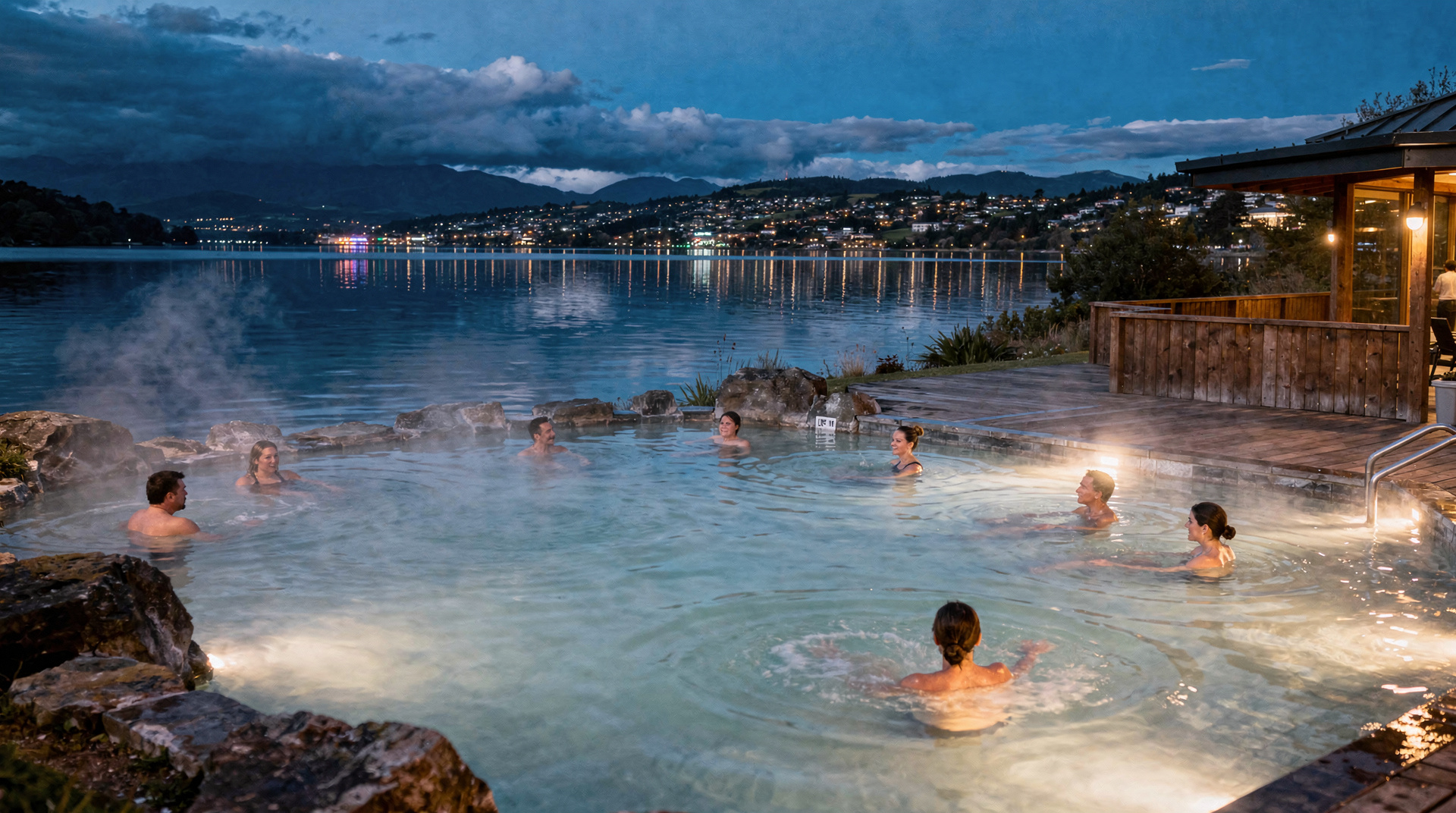
The Polynesian Spa has occupied its lakeside site since 1882, when it was first developed to provide therapeutic bathing using the geothermal springs that emerge here. The current complex — extensively modernised over the following century — consists of 28 bathing pools of varying temperature, mineral composition, and access level, all fed by natural geothermal springs and all positioned overlooking Lake Rotorua.
The lake view is the Polynesian Spa’s most distinctive feature. Sitting in a 38°C geothermal pool while watching mist rise off the lake surface as the sun sets is an experience with few direct comparisons — thermal bathing in a genuinely beautiful landscape rather than a purpose-built spa resort.
The water chemistry varies between pools:
Acidic pools (pH 3.5–4.0): The clear blue acidic pools are sourced from a different spring. The acidic water is toning and skin-smoothing; it feels different from standard warm water. This type is unusual internationally and is one of Polynesian Spa’s specific advantages.
Alkaline pools (pH 7.5–8.2): The softer alkaline water is more relaxing and muscle-soothing. Most visitors find these the most comfortable for extended soaking.
The two water types should not be mixed — after spending time in the acidic pools, rinse under a shower before entering the alkaline pools to prevent irritation.
Pool sections and pricing
Public Pools (Deluxe section): 4 public pools of varying temperature (33–42°C), accessible to all visitors.
The Polynesian Spa deluxe lake pools provides access to the public lake-view section — the most popular entry-level experience. Pool temperatures range from 33°C (suitable for long soaks) to 42°C (brief immersion only for most people).
Price: NZD 45–55 / USD 27–33 / EUR 25–30 (adult). Children under 14: NZD 18–25 / USD 11–15 / EUR 10–14.
Private spa pools: Individual or couples pools with private lake views, towels, and a complimentary glass of sparkling wine. No strangers in your pool; the most romantic option.
The Polynesian Spa lake view private pool books out significantly ahead in peak season — book 2–4 weeks ahead if visiting December–February.
Price (private pool, 50 min): NZD 60–90 / USD 36–54 / EUR 33–50 per person.
Pavilion Spa (premium): The Pavilion Spa is the premium tier — private spa treatments (massages, facials) combined with pool access, in a quieter section of the complex. Book these well ahead.
Family pools: The Polynesian Spa family section includes pools with temperature controlled for children (32–35°C), plus play elements for younger visitors.
What to bring
- Swimwear (not optional; spa-only options are not available at public pools)
- Towel (included in some packages; NZD 5–8 for hire if not)
- Shampoo/conditioner for the post-soak shower — the mineral water is beneficial for skin but removes styling from hair
- No jewellery — the geothermal water can tarnish metals
- No glass in the pool areas
When to visit
Early morning (7–9 am): Polynesian Spa opens at 8 am. The morning session before the day-trip crowds arrive is the most peaceful; the lake views in morning light are stunning, and the pool sections are quiet.
Sunset (4–7 pm): The evening session catches the best light on the lake. Busy in summer but atmospheric.
Avoid: Saturday midday in summer — the public pools can become crowded.
Rainy days: The pools are excellent in rain. The steam from the pools against the lake and grey sky is actually more dramatic than in sunshine.
The geothermal sulfur smell
Polynesian Spa’s pools carry the characteristic hydrogen sulphide (rotten eggs) smell of geothermal water. The smell is present but not overwhelming; most visitors stop noticing it after 15 minutes. It does not cling to clothing significantly. If you have respiratory sensitivities, the outdoor pool sections are more ventilated than any enclosed areas.
Combining with other Rotorua activities
Most efficient Rotorua day:
- Morning: Te Puia (geothermal + cultural, 9 am–12 pm)
- Lunch: Rotorua CBD (many options on Tutanekai Street)
- Afternoon: Polynesian Spa (2–5 pm)
- Evening: Mitai Maori Village hangi and cultural show (6–9 pm)
This covers geothermal, cultural performance, and therapeutic bathing in a single full day. The Polynesian Spa naturally functions as a midday recovery and relaxation period between the morning activity and the evening show.
Tour options that include the spa: The deluxe lake pools entry can be booked as part of several Rotorua combination tours. The Tauranga to Rotorua Polynesian Spa day from cruise ship is tailored for cruise passengers with limited time.
Getting there and parking
Polynesian Spa sits on Hinemoa Street, on the Lake Rotorua shore about a 5-minute walk from the Rotorua CBD — most visitors staying in town simply walk in. Drivers have an on-site car park (a small fee applies during peak periods); it fills by mid-morning in summer, so arrive early or expect a short wait for a space. There is no public bus stop directly outside, but Rotorua’s compact layout means a taxi or rideshare from anywhere in town takes under 10 minutes. If you’re staying further out — say near Blue Lake or the airport — budget 15–20 minutes for the drive.
Polynesian Spa vs Rotorua’s other thermal options
Rotorua has several geothermal experiences that get compared to Polynesian Spa, and they solve different problems rather than competing directly.
| Option | Best for | Typical cost (adult) |
|---|---|---|
| Polynesian Spa | Bathing, relaxation, lake views | around NZD 45–90 |
| Wai-O-Tapu | Viewing colourful geothermal landscapes (no bathing) | around NZD 40–50 |
| Waimangu Volcanic Valley | Walking through a living volcanic valley | around NZD 45–55 |
| Te Puia | Geysers plus Maori cultural performance | around NZD 65–90 |
| Hot Water Beach | Free, self-dug beach hot pools (Coromandel, not Rotorua) | free |
In short: go to Wai-O-Tapu or Waimangu to see geothermal activity, and come to Polynesian Spa to soak in it. Many visitors do both on the same Rotorua day trip, pairing a morning of sightseeing with an afternoon at the pools.
Hanmer Springs — the South Island equivalent
For visitors to the South Island who want comparable geothermal bathing, the Hanmer Springs Thermal Pools (100 km north of Christchurch) offer a similar experience — multiple pools of varying temperature in an alpine valley setting. See Hanmer Springs guide for detail.
Costs summary (NZD / USD / EUR)
| Activity | NZD | USD | EUR |
|---|---|---|---|
| Public pools adult entry | 45–55 | 27–33 | 25–30 |
| Public pools child entry | 18–25 | 11–15 | 10–14 |
| Private lake view pool (50 min, per person) | 60–90 | 36–54 | 33–50 |
| Pavilion Spa treatment + pools | 130–180 | 78–108 | 72–99 |
| Towel hire | 5–8 | 3–5 | 3–4 |
Exchange rate: 1 NZD ≈ 0.60 USD ≈ 0.55 EUR.
Frequently asked questions
What’s the difference between acidic and alkaline pools?
The acidic pools (pH ~3.5) are clear blue, slightly astringent, and toning to the skin. They carry more sulfur character. The alkaline pools (pH ~7.8) are softer, more relaxing, and better for extended soaking. Most visitors prefer the alkaline pools for comfort; the acidic pools are popular for skin benefits (pH matches skin’s natural acidity more closely). Don’t mix them without rinsing first.
Can children use Polynesian Spa?
Yes — the family pools section is designed for families. The public lake pools are also accessible to children with parent supervision. Pool temperatures in the family section are maintained lower than the adult pools (32–35°C vs up to 42°C). Note: the acidic pools are not recommended for young children due to the acidity level.
How long should I budget for a Polynesian Spa visit?
2–3 hours for the public pool experience; 1 hour for a private pool booking (50-minute pool time plus 10-minute arrival/checkout). Allow 3 hours if combining with any treatment or extended relaxation time between pools.
Is Polynesian Spa within walking distance of central Rotorua?
Yes — it sits on the lakefront about a 5-minute walk from Rotorua’s CBD, so most visitors staying in town don’t need a car. Drivers have an on-site car park, though it can fill by mid-morning in summer.
Related reading
Related guides
Rotorua
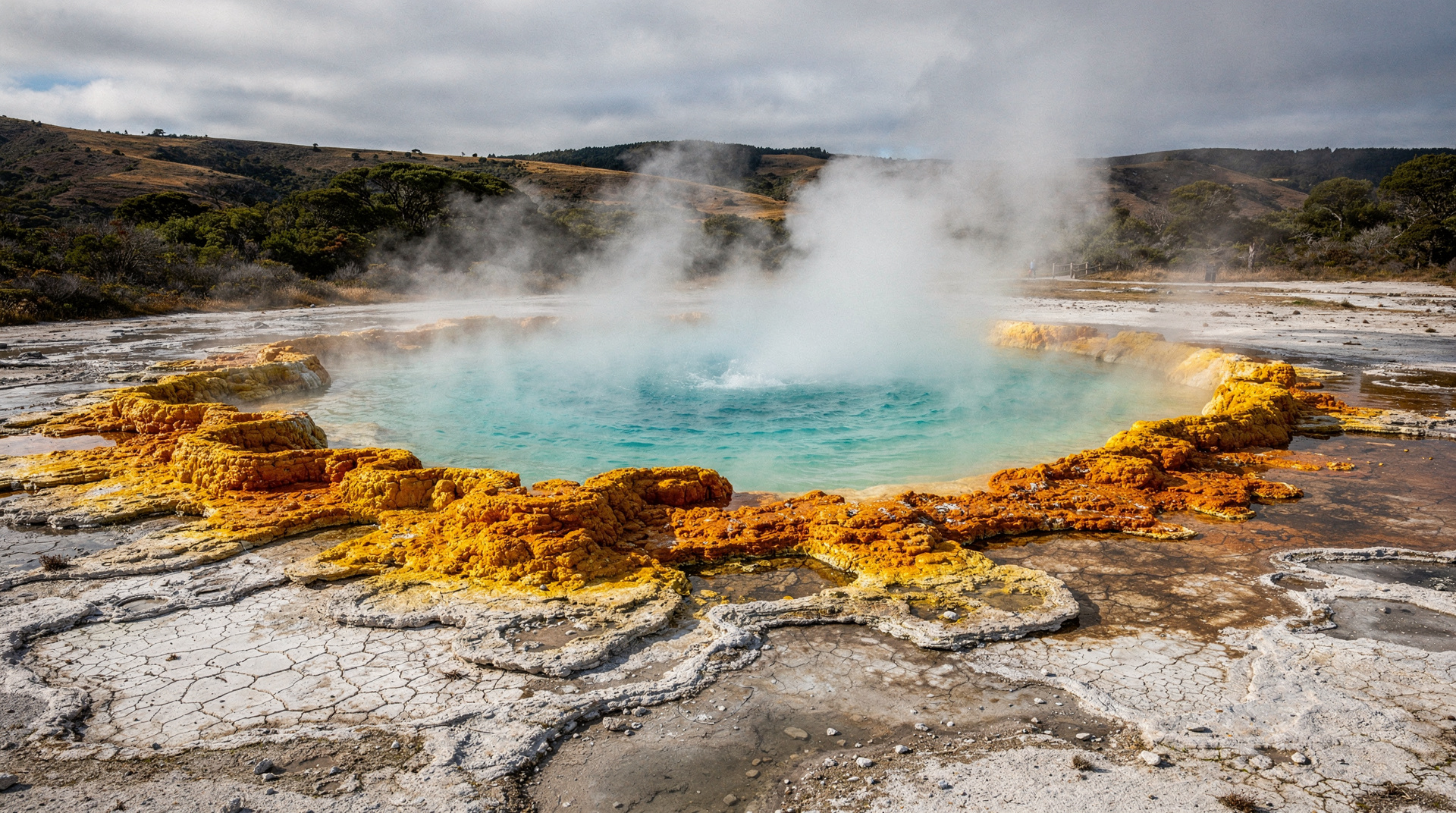
Honest Rotorua guide: Te Puia, Wai-O-Tapu, Polynesian Spa, Maori hangi, real prices NZD/USD/EUR, tourist traps to avoid, and best 2 days.
Wai-O-Tapu Thermal Wonderland
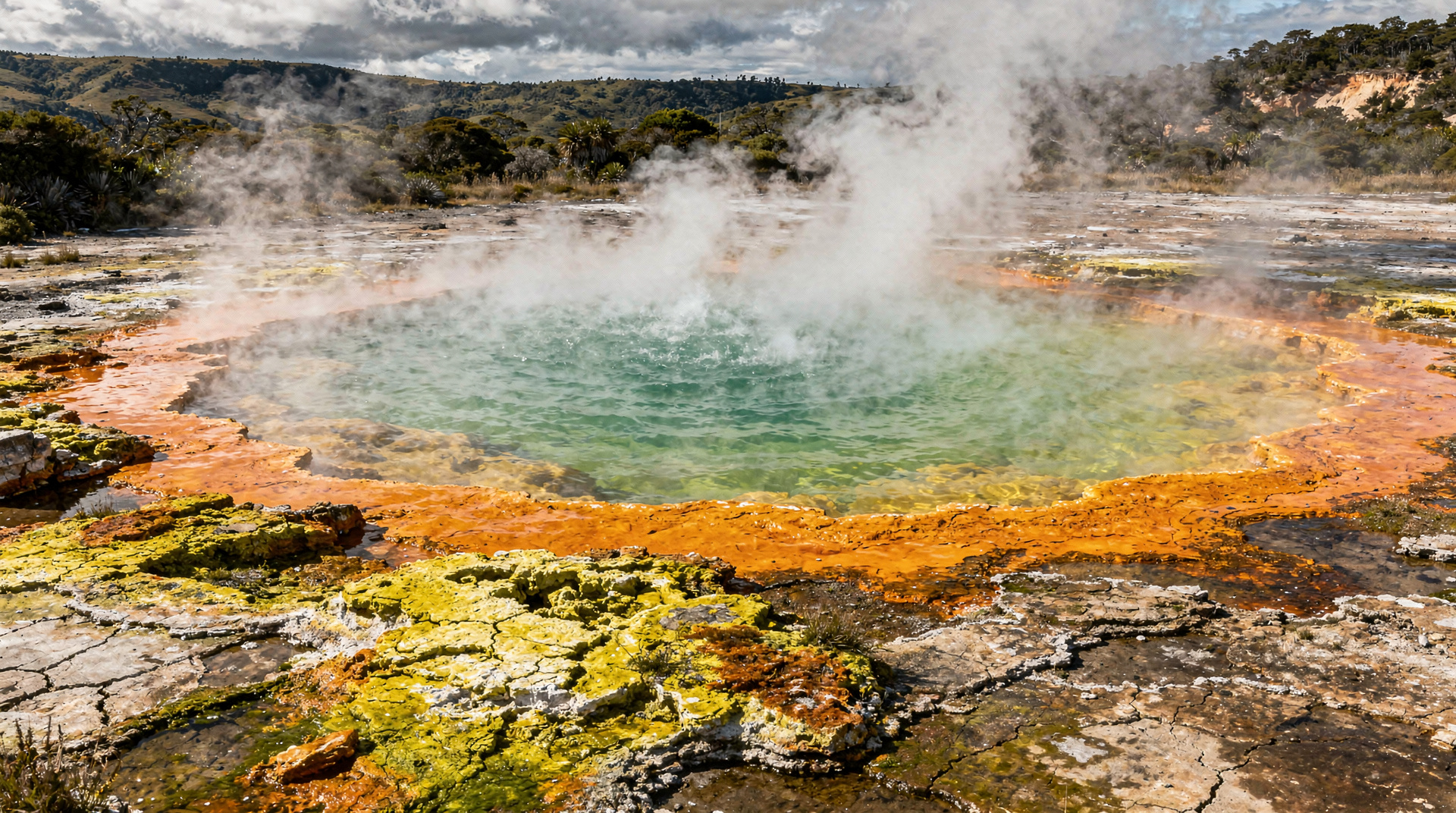
Wai-O-Tapu is NZ's most colourful geothermal park — Champagne Pool, Lady Knox Geyser, 18 km² of volcanic landscape. Entry NZD 42 / USD 25. Tour guide 2026.
Te Puia — Rotorua's geothermal Maori cultural centre
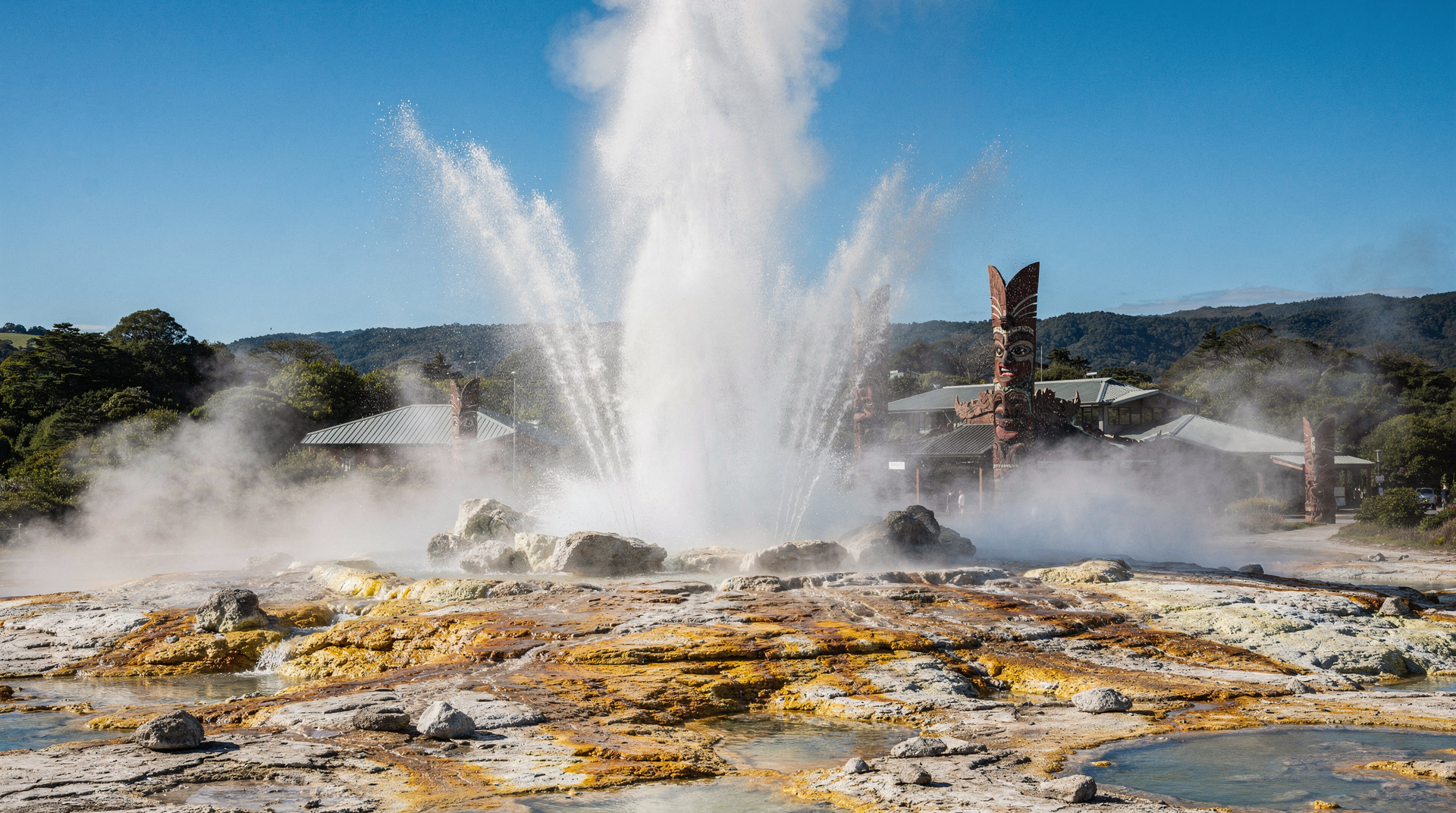
Te Puia combines the Pohutu Geyser with a living Maori cultural centre — carving school, hangi, kiwi house. Iwi-owned. Prices NZD/USD/EUR and practical tips.
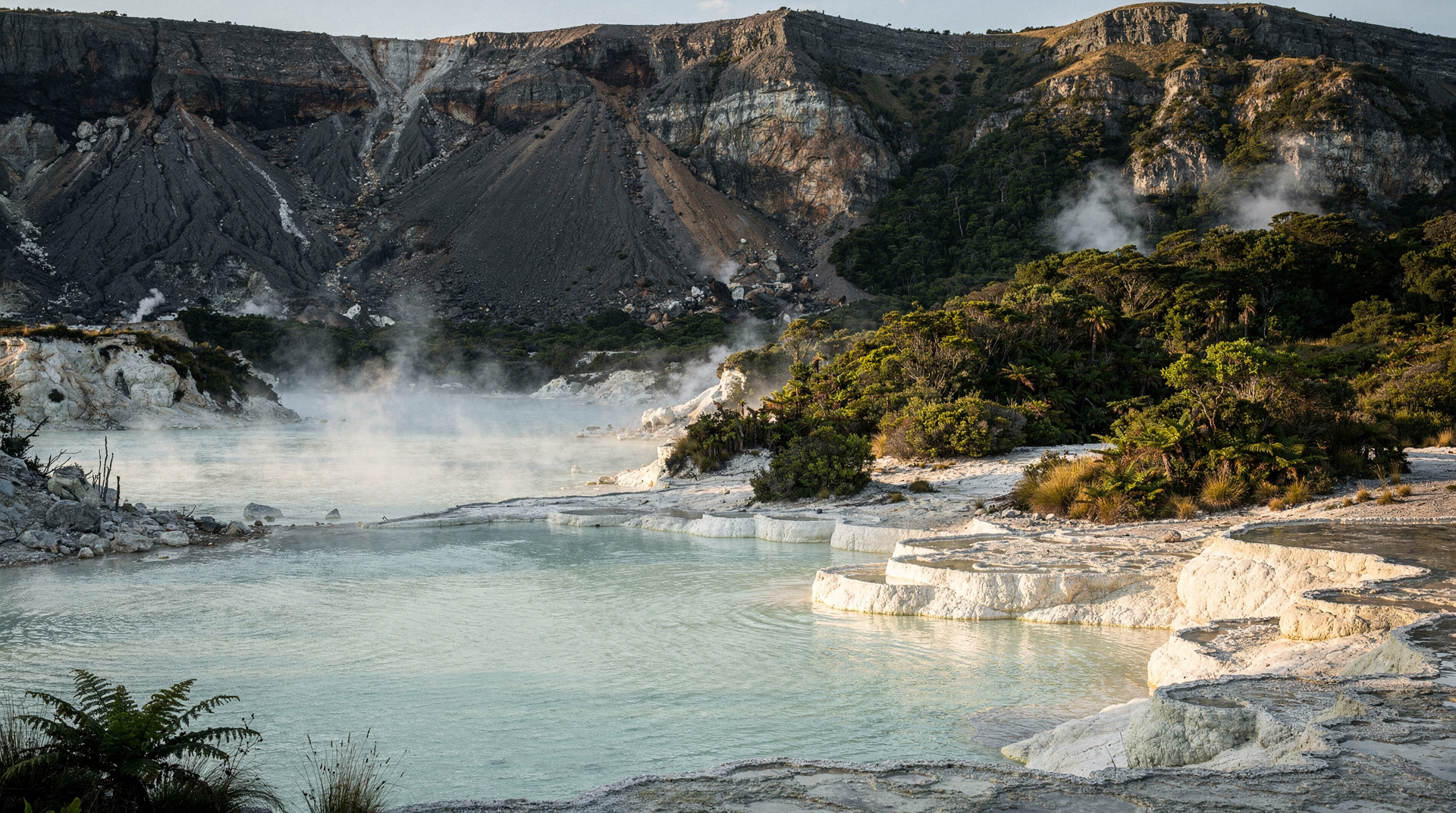
Waimangu Volcanic Valley
Waimangu was created by the 1886 Mt Tarawera eruption — earth's youngest geothermal system. Frying Pan Lake, Inferno Crater, boat tours. Prices NZD/USD/EUR.
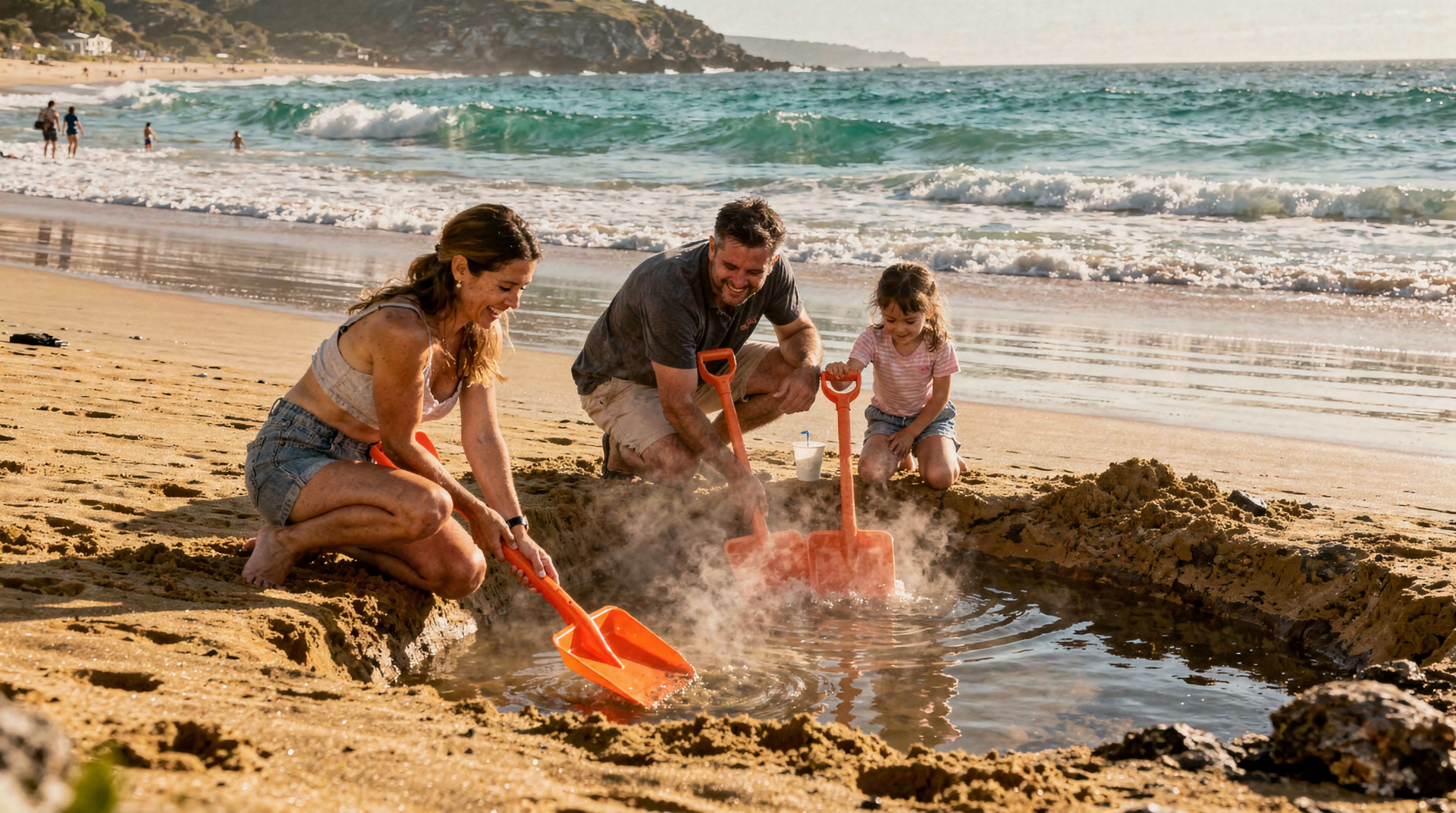
Hot Water Beach, Coromandel
Hot Water Beach: dig into the sand at low tide and geothermal water wells up. Timing the tide window, spade hire, access from Auckland — costs NZD/USD/EUR.
Last reviewed: