Wai-O-Tapu Thermal Wonderland
Is Wai-O-Tapu worth visiting?
Yes — Wai-O-Tapu is New Zealand's most visually spectacular geothermal park, with the vivid Champagne Pool (57°C, orange and green mineral deposits), the Lady Knox Geyser (erupts daily at 10:15am), and a 3 km walk through volcanic terrain. Entry: NZD 42 / USD 25 / EUR 23 (adult).
The most colourful geothermal park in New Zealand
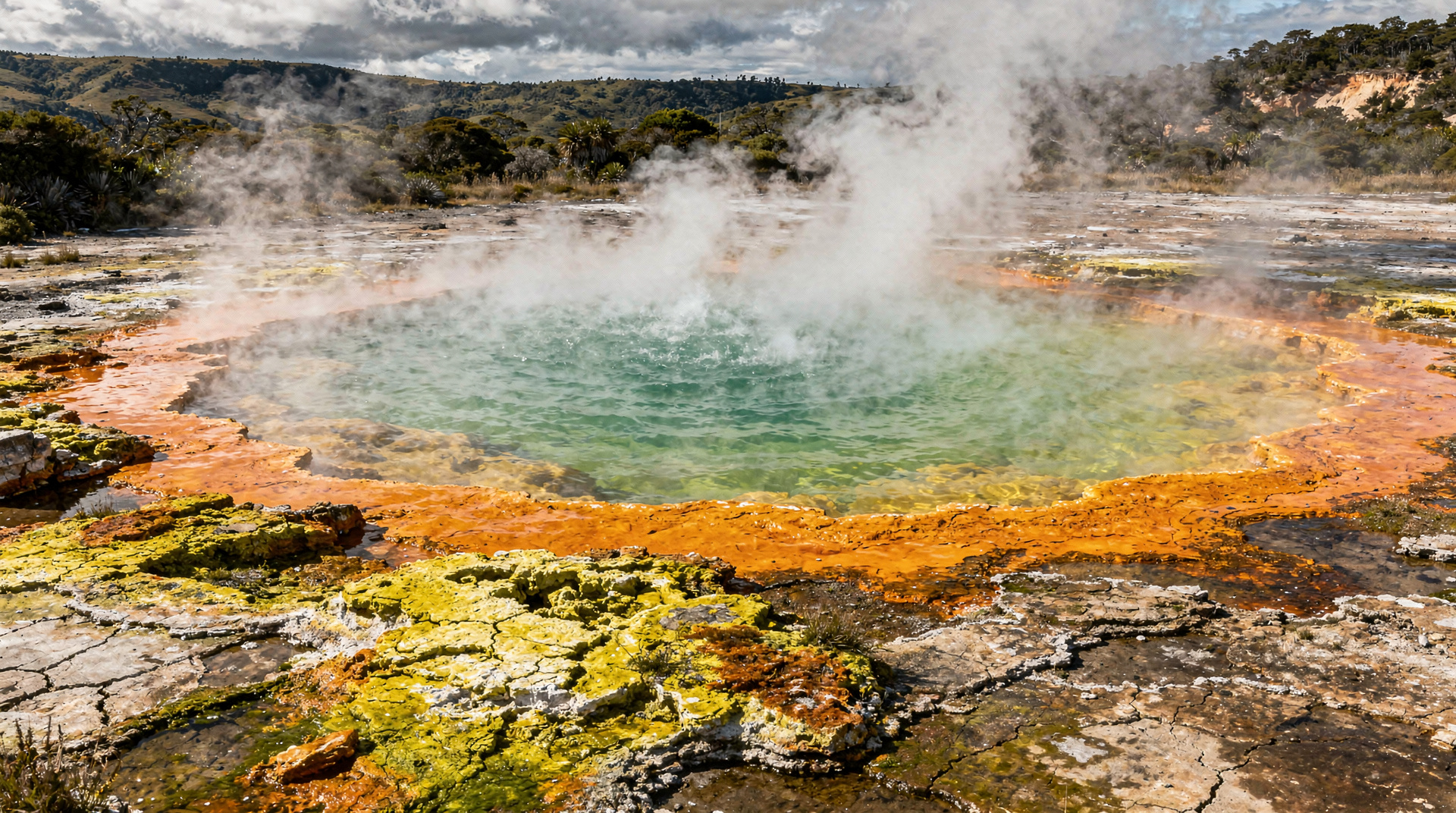
Wai-O-Tapu (Maori: “sacred waters”) is a geothermal area 27 km south of Rotorua that covers 18 km² of active volcanic landscape. The park’s reputation rests on the extraordinary colours produced by different minerals at different temperatures: the vivid orange ring around the Champagne Pool (antimony and arsenic sulphides), the bright yellow sulfur crystals at the edge of the Sulphur Lake, the green algae mats in the cooler pools, and the vivid blue of hydrogen sulphide-rich water in the mud pools.
| Where | SH5, 27 km south of Rotorua |
| Cost | around NZD 42 self-guided / NZD 75–100 guided half-day |
| Time needed | 2–2.5 hours for the full circuit |
| Getting there | 25 min self-drive from Rotorua, 30 min from Taupo |
| Best time | 9–10am for light and quiet, or a guided small-group tour for context |
These colours are not enhanced for photography. The oranges and greens visible in the best-known images are exactly what you see in person — the result of specific geochemistry at specific temperatures interacting with specific mineral concentrations. Wai-O-Tapu is a genuine natural colour event.
Lady Knox Geyser — the 10:15 am eruption
The Lady Knox Geyser erupts daily at 10:15 am — not because New Zealand’s geothermal activity runs to a schedule, but because park staff add a small amount of soap to the vent. The surfactant lowers surface tension and triggers the eruption. This intervention has been standard practice since 1901; the geyser itself reaches 10–20 metres.
Controversy: Some visitors are disappointed to learn the eruption is triggered by soap. The honest take: the geyser is a real geothermal feature with real pressure; the soap merely lowers the activation threshold reliably enough to guarantee a morning show. The eruption itself is real, the water is genuinely geothermal, and the spectacle is genuine even if the timing is managed.
The 10:15 am eruption gathers a crowd. Arrive by 10 am for a good position on the viewing mound.
Price (geyser viewing): Included in general Wai-O-Tapu entry.
Champagne Pool — the centrepiece
The Champagne Pool is a 65-metre-wide hydrothermal crater lake at 57°C, continuously bubbling with dissolved CO2 (giving it the champagne name). The water is grey-blue in the centre; the surrounding mineral shelf glows orange and terracotta from antimony sulphide and arsenic sulphide deposits. Beyond the orange zone, yellow sulfur crests around the pool edge.
The walkway gives access to the pool’s perimeter at close range. The view is genuine, the colour is natural, and the temperature differential means steam clouds drift across the pool surface depending on air temperature. The best photographs are taken in the morning when the steam is densest and the low sun catches the orange minerals.
Swimming: Swimming at Champagne Pool is absolutely prohibited — the water is 57°C, acidic (pH 5.5), and contains arsenic. Existing warning signs are significant.
The 3 km walking circuit
The Wai-O-Tapu walking circuit covers the main thermal features in a loop:
- Lady Knox Geyser area (separate admission area, free with entry): The geyser and its surroundings
- Champagne Pool: 15 minutes from the car park; the highlight
- Artist’s Palette: A broad, flat thermal area with varied colours from green to rust to mustard yellow
- Devil’s Bath: A vivid green pool from dissolved ferrous sulphide — possibly the most unnaturally coloured water you’ll see in New Zealand
- Rainbow Crater: A smaller, quieter section with good colour variety
- Sulphur Lake and various mud pools: The circuit finishes with active mud boiling
Total circuit time: 1.5–2.5 hours depending on pace and photography stops. The terrain is well-maintained boardwalk over most of the circuit.
Guided tours including Wai-O-Tapu
The Rotorua Wai-O-Tapu small group tour provides guided commentary on the geological processes, Maori cultural significance of the area, and the specific chemistry behind the colours. This is the better option for visitors who want context rather than just photos.
The Wai-O-Tapu, Waimangu, and Te Puia full-day tour combines all three major Rotorua geothermal sites in a single day — the most efficient format for covering the full geothermal range.
The Rotorua Wai-O-Tapu half-day tour is the focused option without the other Rotorua additions — correct if you’re combining Wai-O-Tapu with other activities (Polynesian Spa afternoon, Maori cultural show evening).
Price (guided half-day): NZD 75–100 / USD 45–60 / EUR 41–55.
Self-visiting vs guided tour
Wai-O-Tapu is one of New Zealand’s better self-guided geothermal experiences — the signage is excellent, the walkway is well-marked, and the features speak for themselves without interpretation. A guide adds geochemical and cultural context; for a first-time geothermal visitor, this context is genuinely enriching. For photography-focused visitors, self-guiding allows better pacing.
Entry ticket (self-guided): NZD 42 / USD 25 / EUR 23 (adult), NZD 14 / USD 8 / EUR 8 (child 5–15).
The Wai-O-Tapu entry ticket with online booking can be purchased in advance to skip the queue.
What time to visit
10:00–10:30 am: Ideal if you want to catch the Lady Knox Geyser at 10:15. Then walk the circuit before the day-trippers arrive.
9:00–9:30 am: The Champagne Pool in morning light and steam. Crowd-free. Skip the geyser if getting there early is more important.
Late afternoon (3–4 pm): Lower crowd numbers; the light angle is more interesting for photography on the orange mineral features.
Avoid midday (11 am–2 pm) in summer: The car park is congested and the circuit is busy with tour groups.
Getting to Wai-O-Tapu
Wai-O-Tapu is on SH5, 27 km south of Rotorua and 35 km north of Taupo. Self-driving: 25 minutes from Rotorua. The car park is large; arrival is straightforward.
From Taupo: 30 minutes north on SH5. Wai-O-Tapu is conveniently between the two cities — many visitors include it en route between Taupo and Rotorua.
Costs summary (NZD / USD / EUR)
| Activity | NZD | USD | EUR |
|---|---|---|---|
| Self-guided entry (adult) | 42 | 25 | 23 |
| Self-guided entry (child 5–15) | 14 | 8 | 8 |
| Guided half-day tour | 75–100 | 45–60 | 41–55 |
| Wai-O-Tapu + Waimangu + Te Puia full day | 195–250 | 117–150 | 108–138 |
Exchange rate: 1 NZD ≈ 0.60 USD ≈ 0.55 EUR.
The geochemistry, briefly explained
Wai-O-Tapu’s colours follow directly from the minerals dissolved in the geothermal water and the temperature at which each mineral precipitates out. Antimony and arsenic sulphides form the burnt-orange rim around the Champagne Pool at the boundary where the 57°C water cools enough for the minerals to settle out of solution. Ferrous sulphide gives the Devil’s Bath its lurid green, a colour that shifts subtly with light and cloud cover through the day.
Elemental sulfur crystallises bright yellow at the driest, hottest edges of vents, while cooler, damper zones support thermophilic algae that add ochre and rust tones. None of this is staged: the park’s boardwalks are simply routed to bring you close to a genuinely rare concentration of active hydrothermal chemistry in one place, which is why geologists rate Wai-O-Tapu among the most complete surface expressions of a geothermal system anywhere in the world.
Photography tips
The Champagne Pool photographs best between 9 and 10am, when steam is densest and low sun rakes across the orange mineral shelf without blowing out the highlights. A polarising filter cuts glare off the water’s surface and deepens the sky for wider shots. Avoid the temptation to lean over the boardwalk rail for a closer angle — the ground beyond the rail is genuinely unstable in places, and rangers do enforce the boundary. Midday light (11am–2pm) flattens the colour contrast that makes the park distinctive, so if photography is your main goal, build the visit around the early or late slots rather than around lunch.
Accessibility on the circuit
The main boardwalk loop is well-maintained gravel and timber and manageable for most fitness levels, but it is not fully wheelchair accessible — there are some short, moderately steep gradients between viewing points, particularly around the Artist’s Palette and Devil’s Bath sections. Visitors with mobility limitations can still see the Champagne Pool and Lady Knox Geyser areas, which are on the flatter, more accessible portion nearest the car park; ask at the visitor centre for the current shortest-route recommendation. Strollers manage the main loop without much difficulty outside the steeper detours.
Honest verdict
Worth it — Wai-O-Tapu is New Zealand’s most visually dramatic geothermal park. The colour variety is extraordinary and unlike anything in other geothermal fields worldwide. The Lady Knox Geyser’s triggered nature slightly reduces its impact, but the Champagne Pool and Devil’s Bath are genuine wonders. The self-guided entry is good value. Don’t rush it — the 2.5 hours you’d spend getting full value from the circuit is time well spent.
Frequently asked questions
How does Wai-O-Tapu compare to Te Puia?
Te Puia is primarily a cultural experience (Maori cultural centre, haka performances, Pohutu Geyser) with geothermal features as the setting. Wai-O-Tapu is purely geothermal — no cultural programme, maximum geological spectacle. For colour and visual drama, Wai-O-Tapu wins. For understanding New Zealand’s Maori-geothermal cultural connection, Te Puia wins. Both are worth visiting; they’re complementary rather than equivalent.
What is the Champagne Pool temperature?
57°C — too hot to touch, too cold for real danger compared to the hottest geothermal areas. The water’s acidity (pH 5.5) and arsenic content add to the hazard. Stay on the boardwalk; do not reach into or touch the water at any point.
Is there a café at Wai-O-Tapu?
Yes — a basic café operates at the visitor centre near the car park. Food is functional (pies, sandwiches, hot drinks) rather than destination dining. Eat before or after in Rotorua or Taupo for better options.
Can you smell the sulfur?
Strongly, yes. The hydrogen sulphide smell (rotten eggs) varies in intensity depending on wind direction and atmospheric pressure. It is completely harmless at the concentrations present in open air. Sensitive visitors (particularly those with respiratory conditions) may find it uncomfortable; it does not persist in clothing beyond leaving the park.
Related reading
Related guides
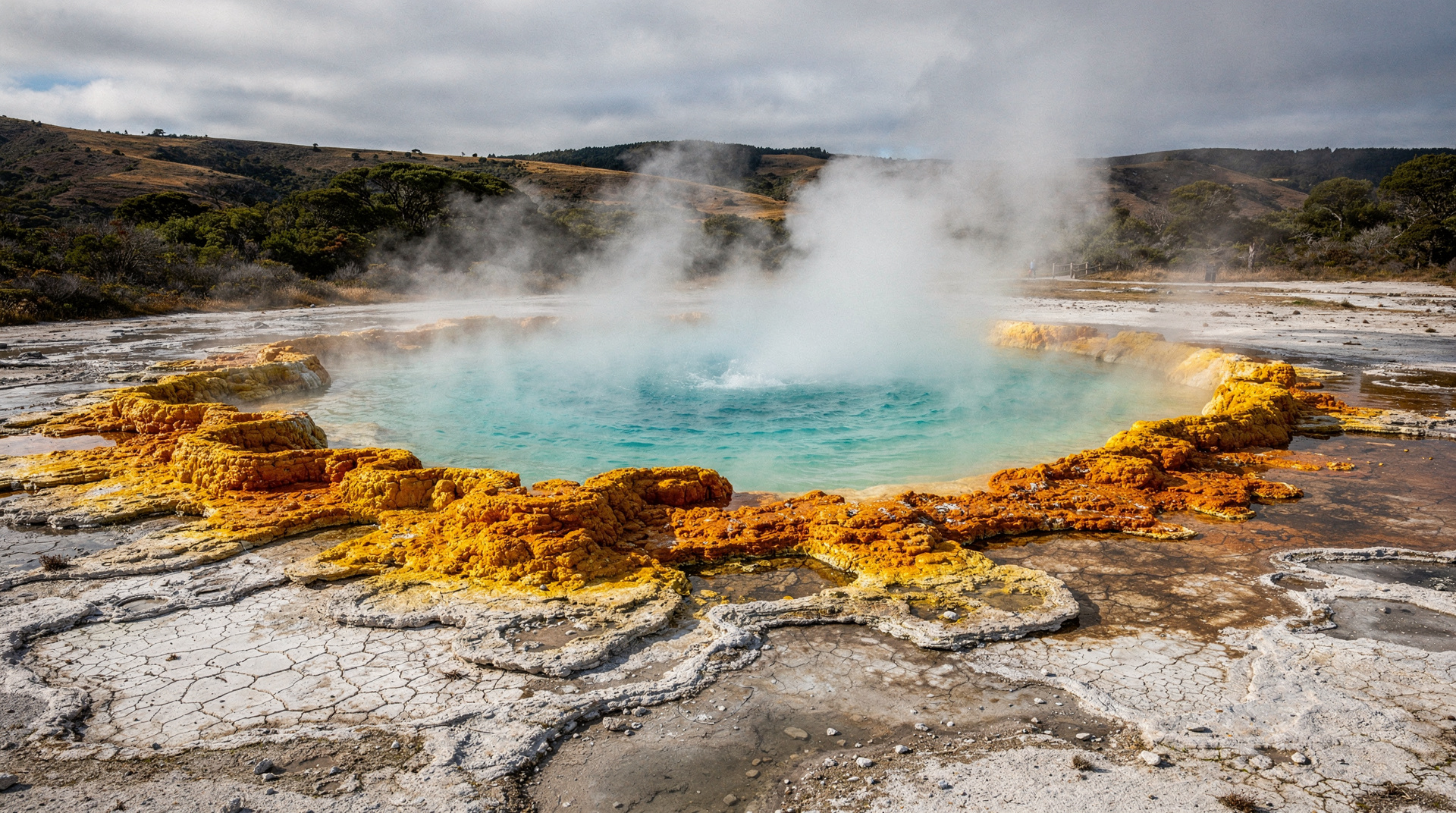
Rotorua
Honest Rotorua guide: Te Puia, Wai-O-Tapu, Polynesian Spa, Maori hangi, real prices NZD/USD/EUR, tourist traps to avoid, and best 2 days.
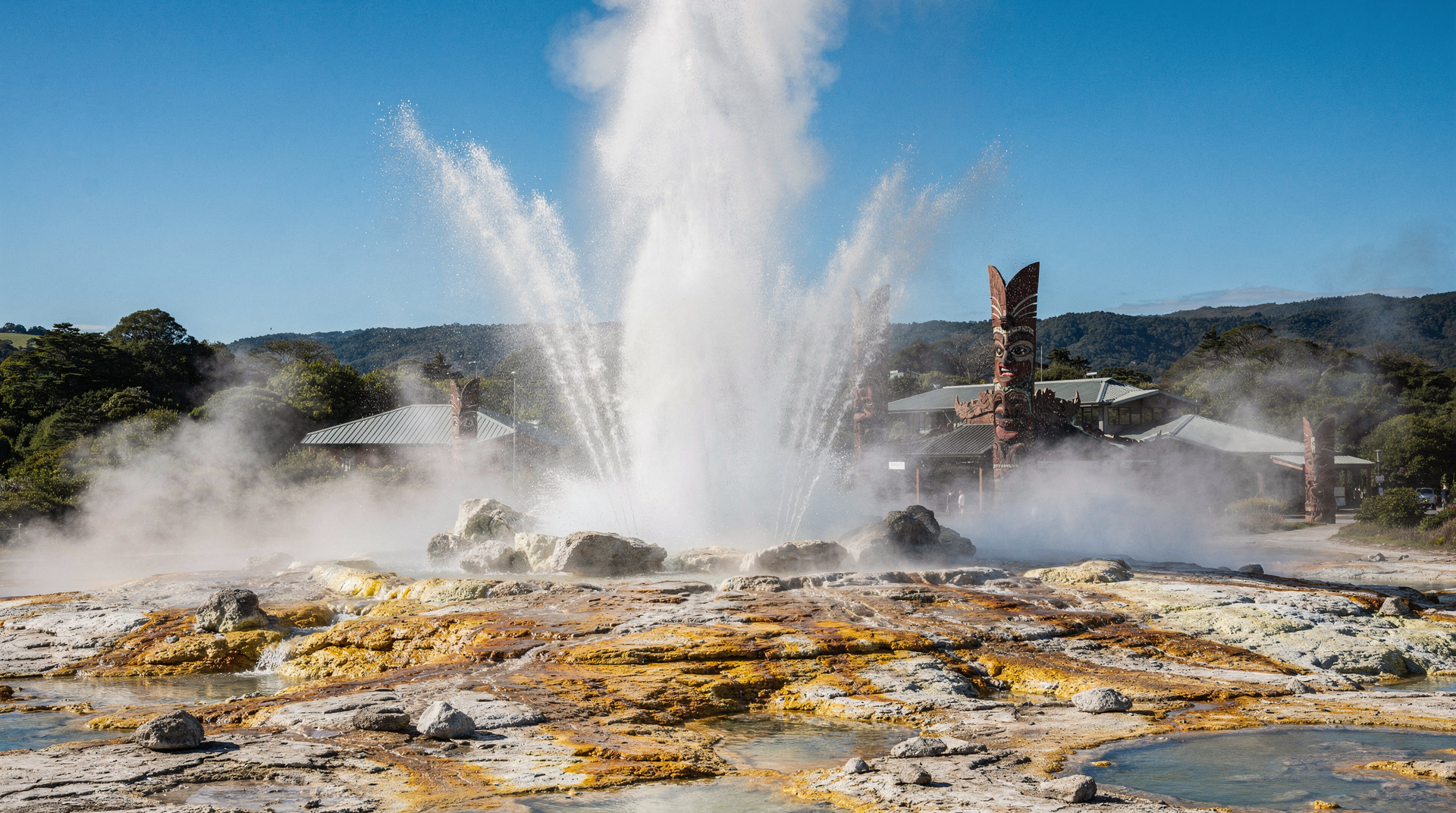
Te Puia — Rotorua's geothermal Maori cultural centre
Te Puia combines the Pohutu Geyser with a living Maori cultural centre — carving school, hangi, kiwi house. Iwi-owned. Prices NZD/USD/EUR and practical tips.
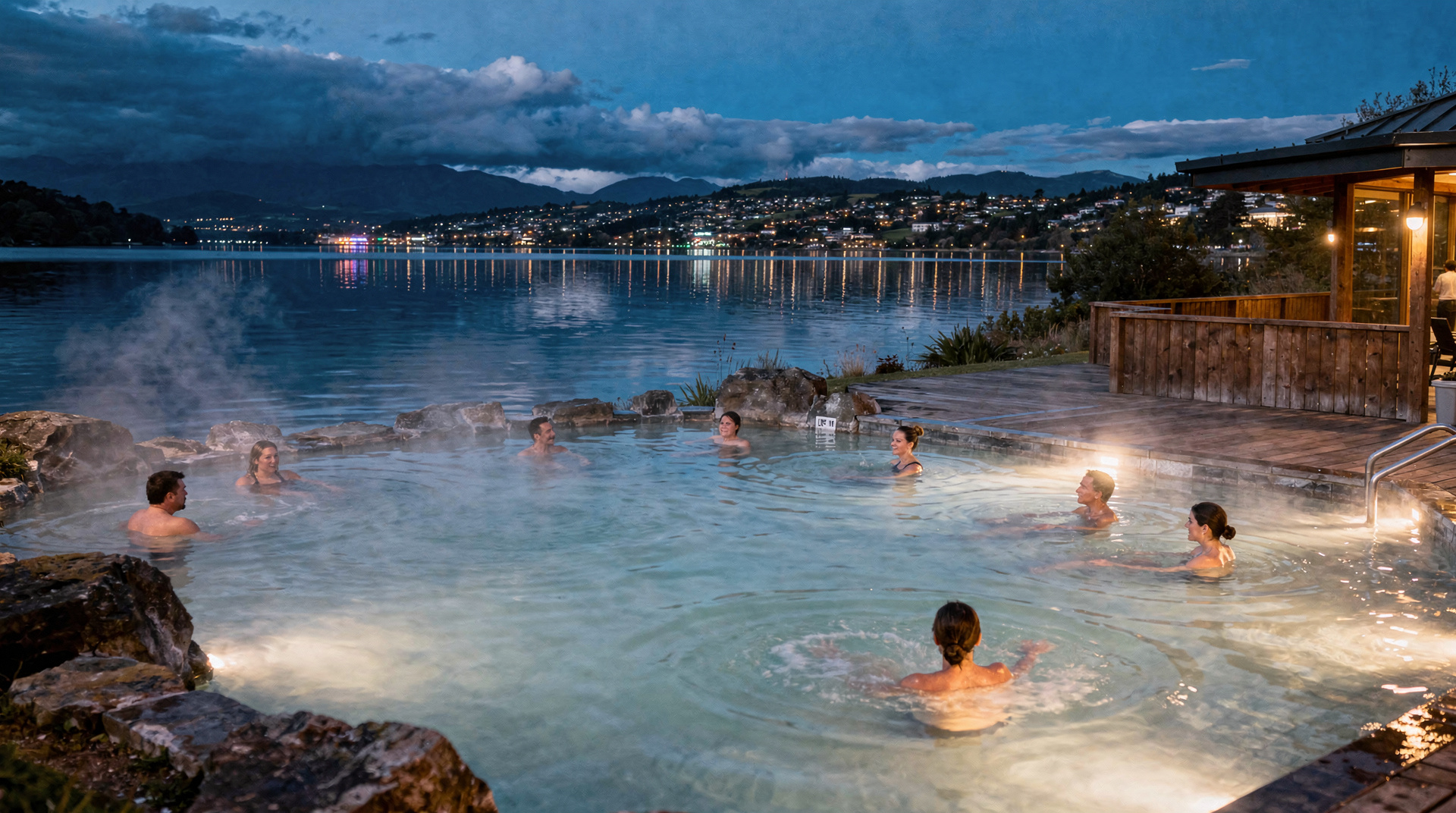
Polynesian Spa Rotorua
Polynesian Spa is NZ's premier geothermal pool complex on Lake Rotorua. Alkaline vs acidic pools, private lake-view suites, prices NZD/USD/EUR.
Waimangu Volcanic Valley
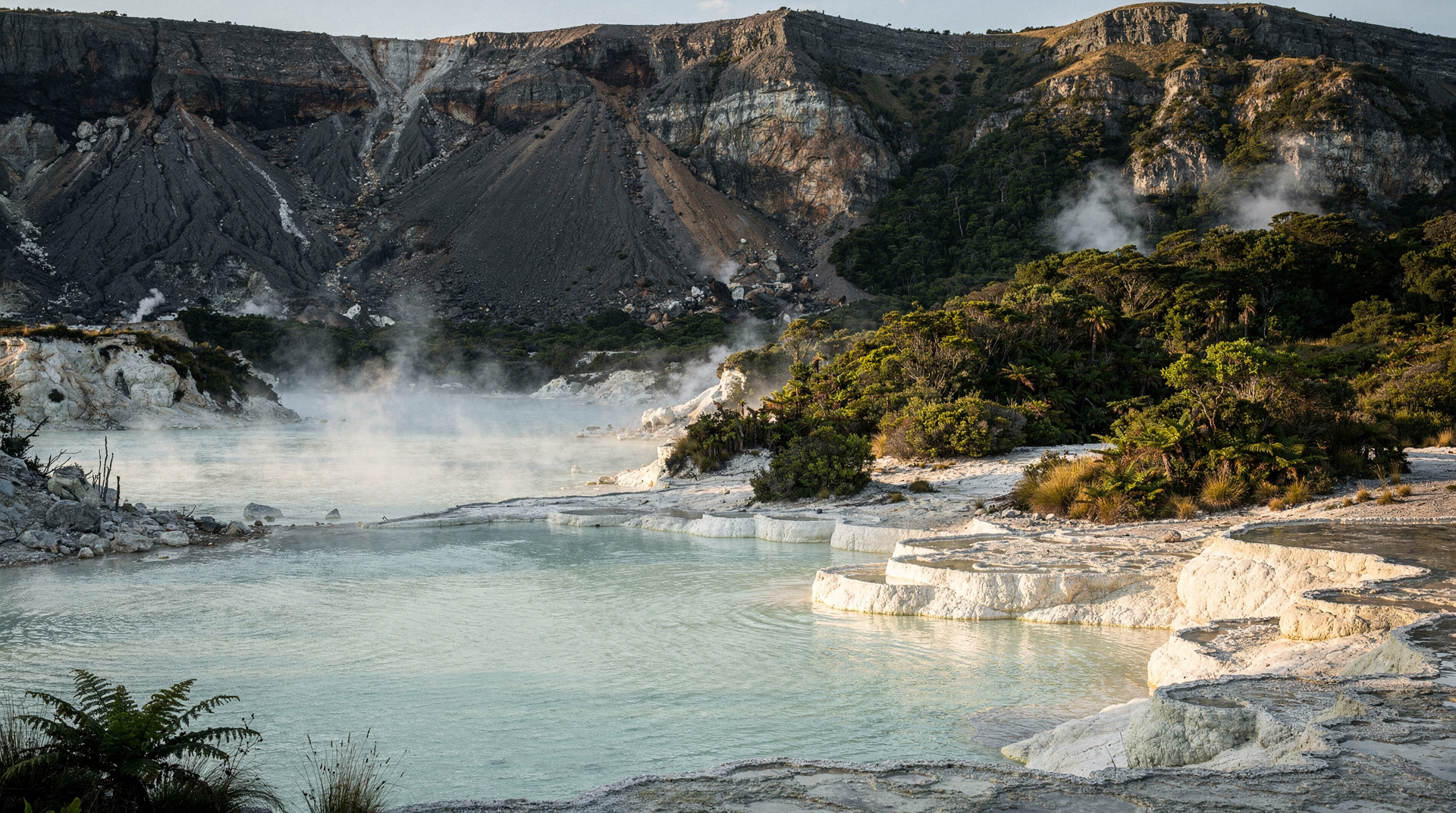
Waimangu was created by the 1886 Mt Tarawera eruption — earth's youngest geothermal system. Frying Pan Lake, Inferno Crater, boat tours. Prices NZD/USD/EUR.
Tongariro volcanic craters and geothermal features
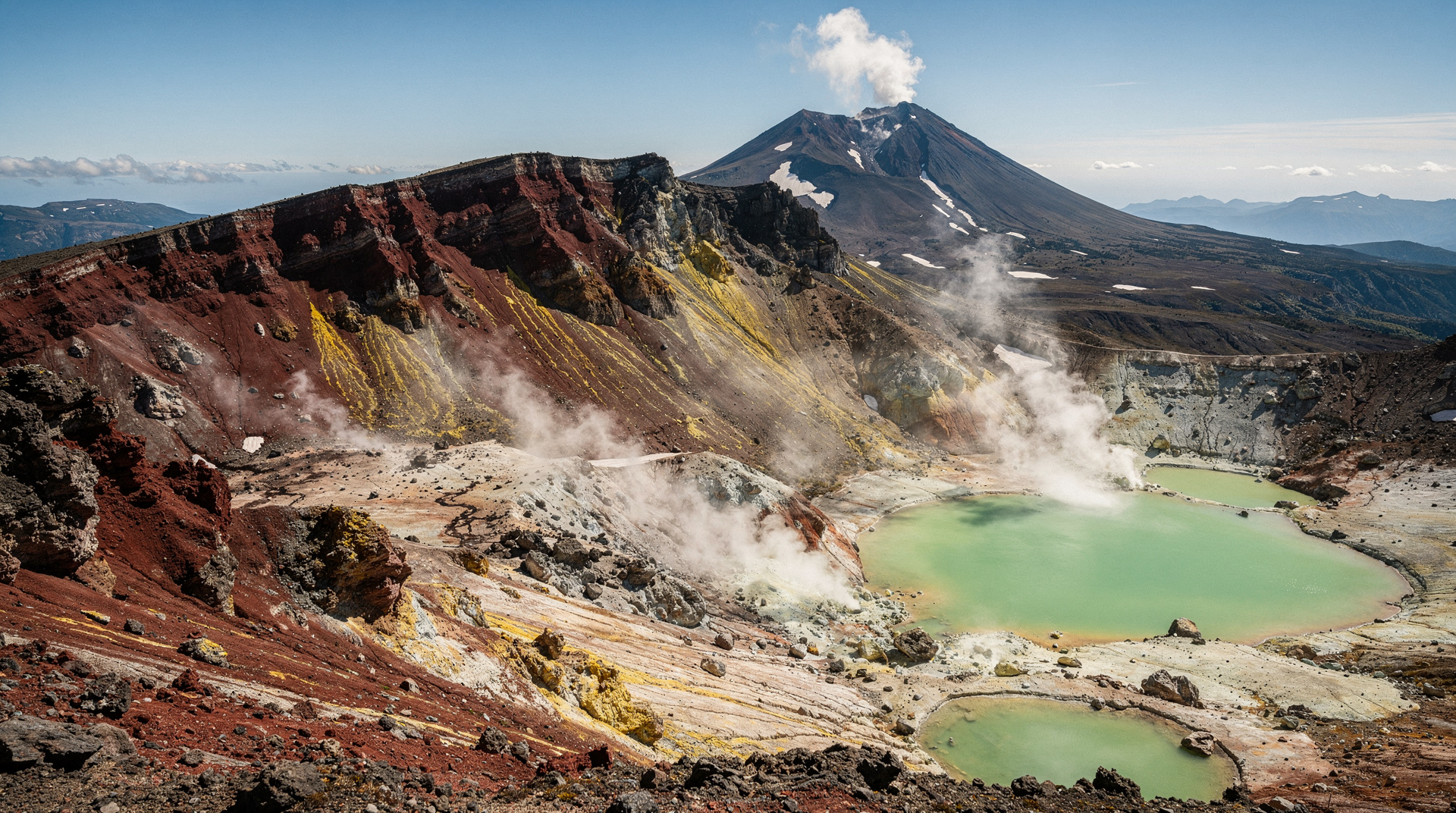
Tongariro's Emerald Lakes, Red Crater, and Blue Lake are NZ's finest volcanic landscape. Geothermal features guide, access, viewpoints, and safety tips.
Last reviewed: