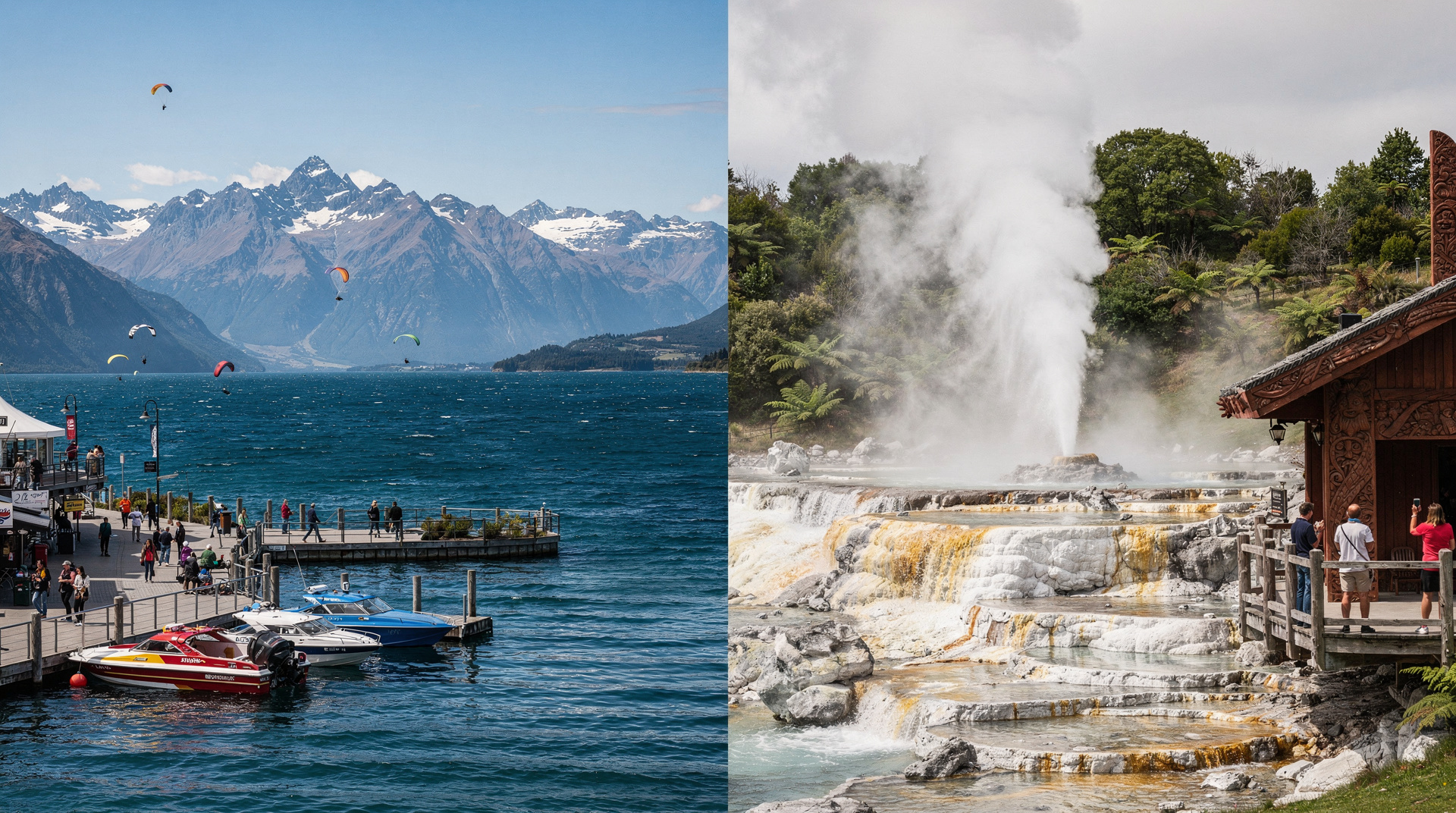
Queenstown vs Rotorua — adventure capitals compared
Queenstown or Rotorua — which adventure capital is better?
They're not really competing. Queenstown is about physical adventure — bungy, jet boat, ski, scenic flights. Rotorua is about cultural adventure — geothermal landscapes, Maori experiences, thermal pools. Most New Zealand trips include both. If you have to pick one: Queenstown for adrenaline, Rotorua for culture and geothermal.
The honest verdict
Calling Queenstown and Rotorua “adventure capitals” is technically accurate but misses what makes each one worth visiting. Queenstown is about heart-rate-raising physical adventure — bungy jumping, jet boats, skydiving, ski, canyon swings. Rotorua is about geological and cultural adventure — bubbling mud pools, geysers, hangi feasts, kapa haka performances, and geothermal pools that have been sacred to local Maori for centuries.
They’re on different islands (Queenstown in the South, Rotorua in the North), which usually means travelers visit both on a two-island trip rather than choosing between them. If you genuinely have to pick one based on what matters most to you, read on.
| Best for | Queenstown: adrenaline & alpine scenery. Rotorua: culture & geothermal |
| Cost gap | Rotorua runs 30–40% cheaper across most categories |
| Time needed | 3–5 days Queenstown; 2–3 days Rotorua |
| Getting between | Fly Wellington–Queenstown (55 min) or drive + ferry |
| Best time | Queenstown: Jun–Sep for ski. Rotorua: year-round |
Side-by-side comparison
| Dimension | Queenstown | Rotorua |
|---|---|---|
| Island | South Island | North Island |
| Population | ~28,000 | ~78,000 |
| Vibe | Adrenaline, ski resort, international | Geothermal, Maori culture, family |
| Best activity | Bungy / jet boat / ski | Geothermal park + hangi dinner |
| Landscape | Alpine lakes, mountains | Volcanic, geothermal, forest |
| Maori culture | Present but not primary focus | Central — Rotorua is a Maori heartland |
| Best free thing | Queenstown Hill walk (2h) | Walking through town (Kuirau Park hot pools) |
| Ski | World-class (4 fields nearby) | Mt Ruapehu (90 min away) |
| Avg mid-range hotel | NZD 320–420 / USD 192–252 / EUR 176–231 | NZD 160–250 / USD 96–150 / EUR 88–138 |
| Best day trip | Milford Sound or Glenorchy | Wai-O-Tapu or Waitomo Caves |
| Drive from Auckland | 11+ hours (ferry required or fly) | 2.5 hours |
| Drive from Christchurch | 5–6 hours | Not practical (different island) |
| Family-friendliness | Good but expensive | Very good, better range of prices |
When Queenstown wins
You want physical adrenaline. Queenstown invented commercial bungy jumping in 1988 and has spent the decades since building the world’s densest concentration of adventure activities. The Nevis Bungy (134m), Shotover Jet (rapids at 85 km/h), tandem skydive, canyon swing, zip lines, paragliding — there is genuinely no other place on earth where you can do this many different adrenaline activities in 3 days.
You’re skiing. Queenstown has Coronet Peak, The Remarkables, Cardrona, and Treble Cone within an hour — a legitimately world-class ski destination from June to October. Rotorua’s access to Mt Ruapehu is a 90-minute drive and a decent but smaller field.
You want the South Island’s landscapes. Queenstown sits at the edge of Lake Wakatipu with the Remarkables as a backdrop. Milford Sound is a 4-hour drive. Wanaka is an hour away. The South Island alpine landscape is unlike anything the North Island offers.
You want nightlife. Queenstown’s bar scene runs nightly, long, and loud. Rotorua has some good restaurants and cultural evening programmes but no real nightlife scene.
You’re wine-focused. Central Otago Pinot Noir from the Gibbston Valley and Cromwell basin is world-class. Central Otago wine tour from Queenstown covers the region’s best producers.
When Rotorua wins
You want Maori culture. Rotorua is the most accessible hub of Maori cultural experience in New Zealand. Te Puia is an iwi-operated geothermal park where the cultural dimension is genuine — living carving and weaving schools alongside the geysers. Mitai Maori Village evening includes a hangi feast, waka (canoe) ceremony, traditional performance, and a kiwi viewing in a genuine bush setting. Te Puia guided tour with traditional hangi lunch is the daytime equivalent.
You want geothermal landscapes. Wai-O-Tapu (Lady Knox Geyser erupts daily at 10:15am, spectacular acid-coloured pools), Waimangu Volcanic Valley, Hell’s Gate — these are globally unique landscapes. The ground boils, steam rises, and the sulphur smell is genuinely alien. Queenstown has no equivalent.
You’re traveling from Auckland. Rotorua is 2.5 hours from Auckland — a realistic day trip or overnight. Queenstown requires a flight from the North Island (1h55m from Auckland) or a very long drive plus ferry.
You’re on a budget. Rotorua is meaningfully cheaper than Queenstown for accommodation and food. A mid-range hotel in Rotorua runs NZD 160–250/night versus NZD 320–420 in Queenstown.
You want thermal pools. The Polynesian Spa in Rotorua sits on the lake edge with 26 mineral pools ranging from 36°C to 42°C. Polynesian Spa lake spa bathing is NZD 30–45 / USD 18–27 / EUR 17–25 per adult — one of the best-value relaxation experiences in New Zealand.
You’re traveling with children. Rotorua has the Polynesian Spa family pools, the Skyline gondola and luge, OGO zorb balls, Redwoods Altitude high ropes, and the geothermal parks — all of which work for different ages. Queenstown works for families but the activities skew older and more expensive.
What they share
Both towns are oriented around paid activity experiences. Both have gondola rides (Queenstown’s Skyline is higher; Rotorua’s is more family-gentle). Both have good café scenes. Both are busy in summer and offer ski-adjacent access in winter. Both are legitimately worth 2–3 days minimum.
Combining both on a North + South Island trip
The standard 14-day New Zealand circuit includes both. Auckland (2 nights) → Bay of Islands or Coromandel (1 night) → Rotorua (2 nights) → Taupo (1 night) → Wellington (1 night) → ferry or fly to South Island → Queenstown (3 nights). This is the itinerary most experienced NZ travelers converge on.
If you only have 10 days and want both islands, fly between Wellington and Queenstown (55 minutes) and use your time on experiences rather than travel.
Cost breakdown (NZD + USD + EUR)
| Category | Queenstown | Rotorua |
|---|---|---|
| Budget dorm | NZD 42–65 / USD 25–39 / EUR 23–36 | NZD 30–50 / USD 18–30 / EUR 17–28 |
| Mid-range hotel | NZD 280–420 / USD 168–252 / EUR 154–231 | NZD 150–250 / USD 90–150 / EUR 83–138 |
| Signature activity | NZD 169–275 (jet boat to bungy) | NZD 50–130 (thermal park to hangi dinner) |
| Restaurant meal (mid-range) | NZD 28–48 / USD 17–29 / EUR 15–26 | NZD 22–38 / USD 13–23 / EUR 12–21 |
Rotorua is 30–40% cheaper across almost every category. For budget travelers, Rotorua delivers significantly more per dollar spent.
Structuring day trips from each base
Both towns work well as a base for day trips rather than requiring you to move accommodation constantly. From Queenstown, the day trips from Queenstown guide covers Milford Sound, Glenorchy, and Central Otago wine country — all reachable without changing hotels. From Rotorua, the day trips from Rotorua guide covers Wai-O-Tapu, Waitomo Caves, and Taupo, similarly structured around a fixed base. If your itinerary is tight on time, basing in one town and day-tripping outward is usually more efficient than moving accommodation every night.
Which one to visit first
If your trip includes both, there’s a reasonably strong case for Rotorua first: it’s an easy 2.5-hour drive from Auckland, so it fits naturally at the start of a North Island loop before you head south. Queenstown then becomes the South Island finale — many travelers like ending a trip on the adrenaline high of bungy jumping or a Milford Sound flight rather than winding down after it. That said, flight schedules and seasonal weather (Queenstown’s ski season, Rotorua’s summer geothermal comfort) can reasonably flip this order; it’s a preference, not a rule.
Frequently asked questions
Can I visit both Queenstown and Rotorua in one trip?
Yes — and most two-island New Zealand itineraries do exactly this. They’re on different islands, so you’ll need to fly or take the ferry. The standard approach is to cover the North Island (including Rotorua) in the first half of the trip and the South Island (including Queenstown) in the second half.
Which is better for a group of friends?
Queenstown for activity-focused groups — the range of adventure sports and nightlife options are unmatched. Rotorua for a broader group mix including cultural and relaxation components alongside adventure.
Is Rotorua’s geothermal landscape actually impressive?
Genuinely, yes. The first time you see boiling mud pools or smell the sulphur, it’s disorienting in the best way. Wai-O-Tapu is particularly photogenic — the Champagne Pool (orange-ringed crater lake, 74°C) and the Artist’s Palette are legitimately unlike anything else you’ll see in New Zealand or most of the world.
How long do you need in each place?
Queenstown: 3–5 days minimum to do it justice (more for ski). Rotorua: 2 days is enough for the key geothermal parks and one cultural evening; 3 days if you want to add Wai-O-Tapu and a day trip to Waitomo.
Should I visit Rotorua or Queenstown first on a North-to-South itinerary?
Rotorua fits naturally early, since it’s a short drive from Auckland where most international flights land. Queenstown works well as a South Island finale. This isn’t a fixed rule — flight availability and season (Queenstown ski months, Rotorua’s geothermal comfort year-round) can justify either order.
Related comparisons and guides
Related guides
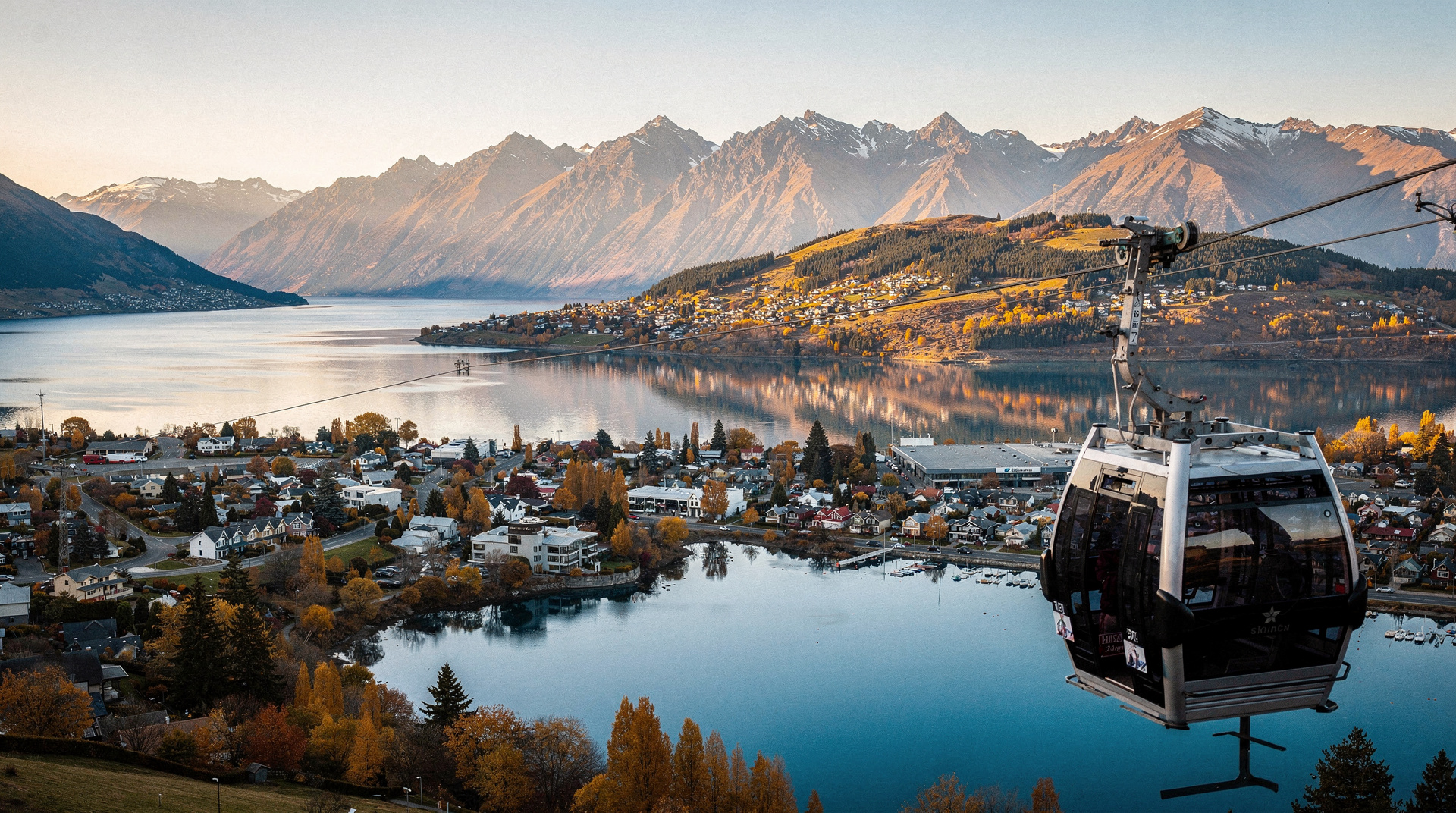
Queenstown
The honest Queenstown planner: bungy, jet boat, ski, scenic flights — real prices in NZD/USD/EUR, what to skip and what's worth your money.
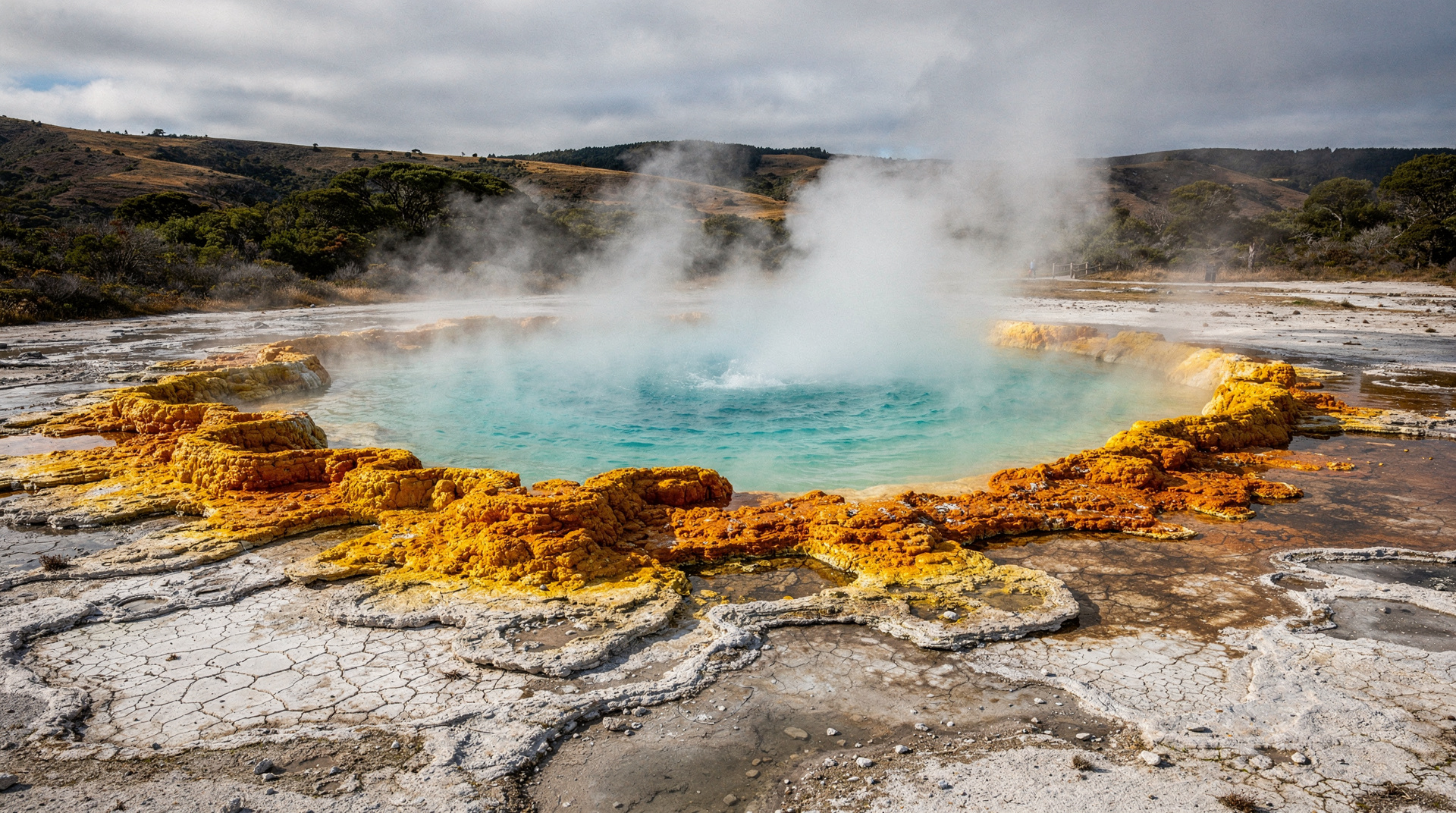
Rotorua
Honest Rotorua guide: Te Puia, Wai-O-Tapu, Polynesian Spa, Maori hangi, real prices NZD/USD/EUR, tourist traps to avoid, and best 2 days.
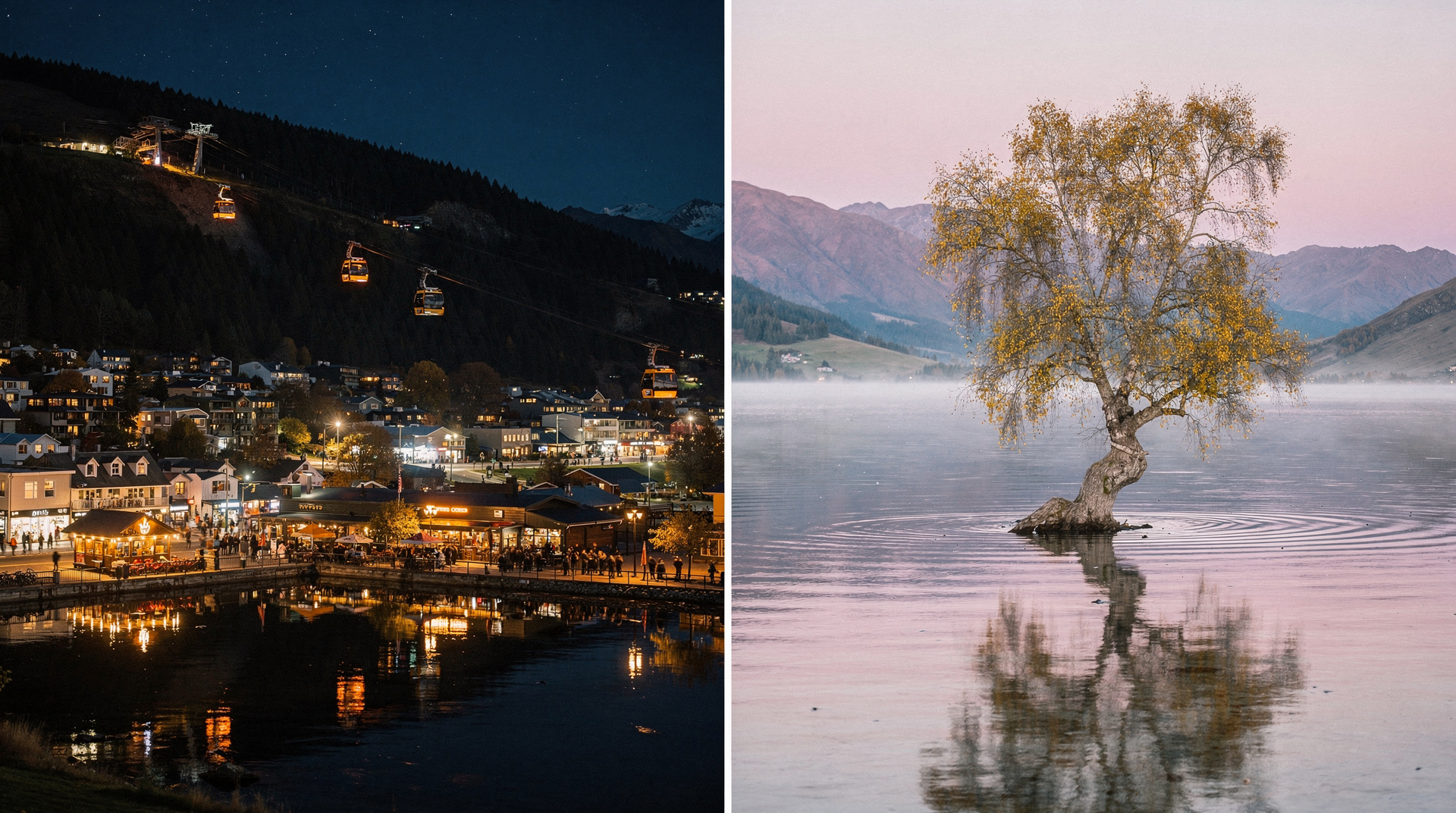
Queenstown vs Wanaka
The honest Queenstown vs Wanaka comparison: prices, crowds, ski, hikes, vibe — with a clear verdict for adventure, families, couples and budget travelers.
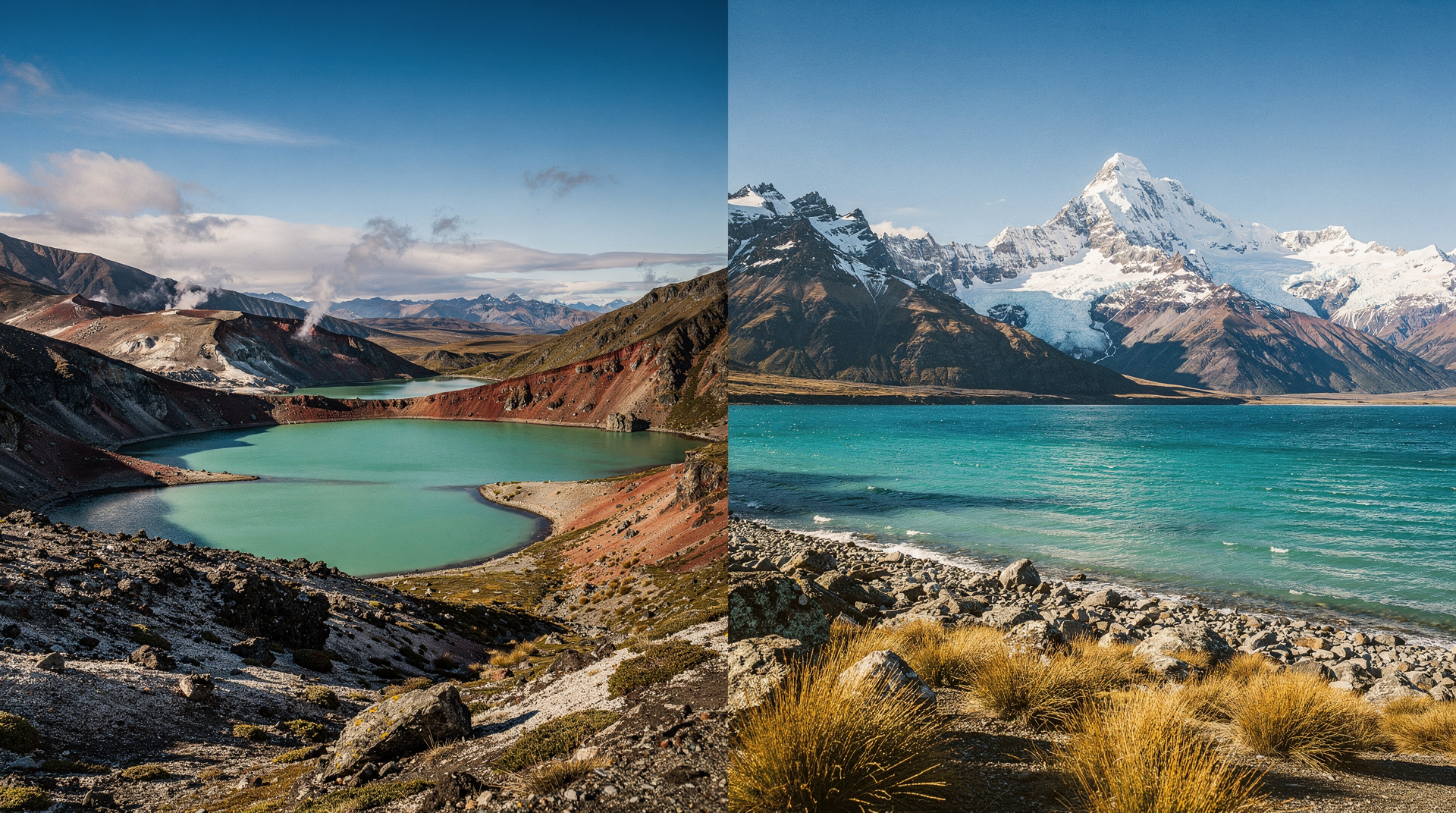
North vs South Island — which is right for you
Honest North vs South Island comparison: culture, landscapes, costs and a clear verdict for first-timers, families and short trips.
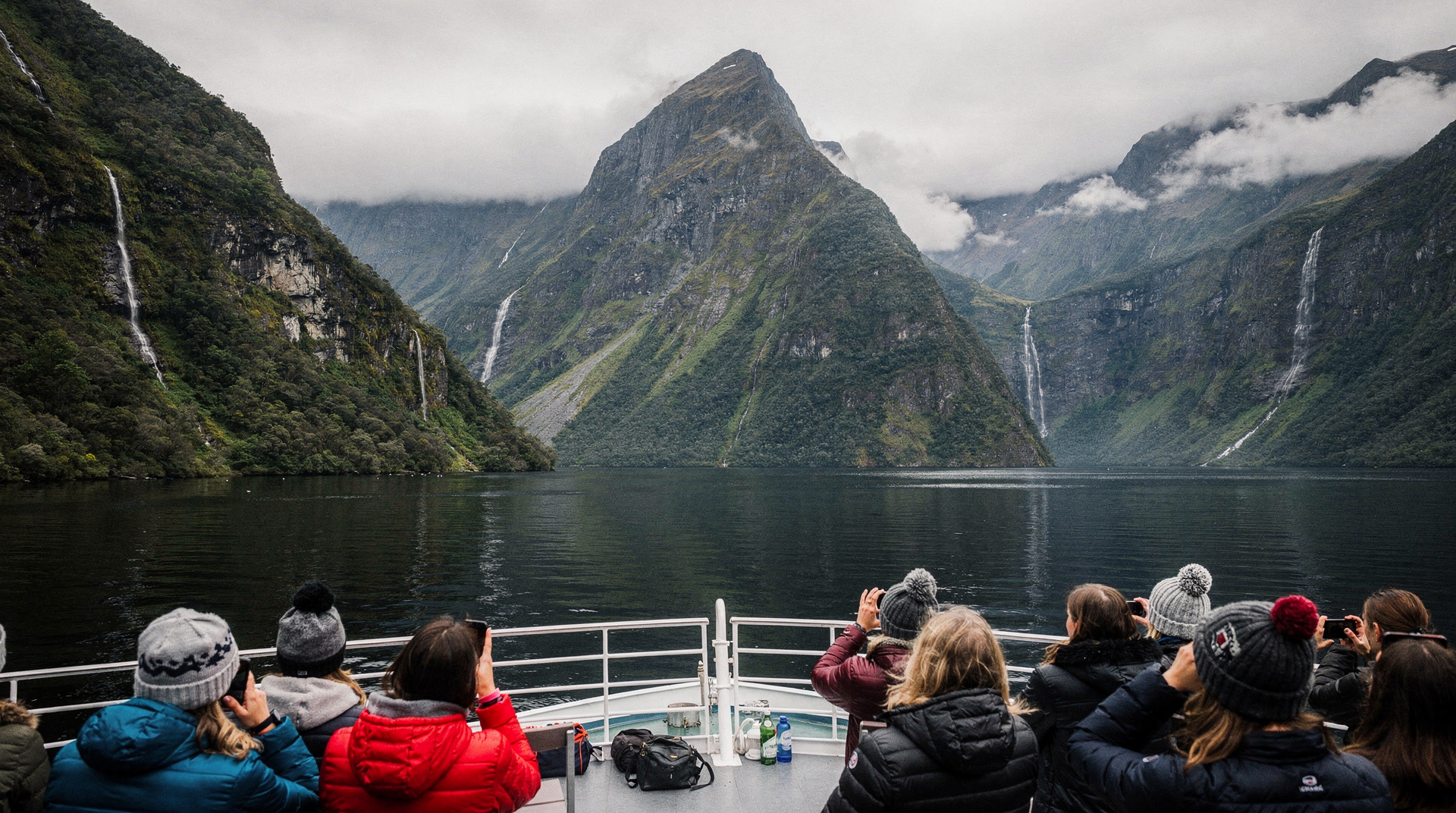
Best day trips from Queenstown
Day trips from Queenstown: Milford Sound (13h bus — honest), Glenorchy (45min), Wanaka (1h), Doubtful Sound, Dart River jet boat.
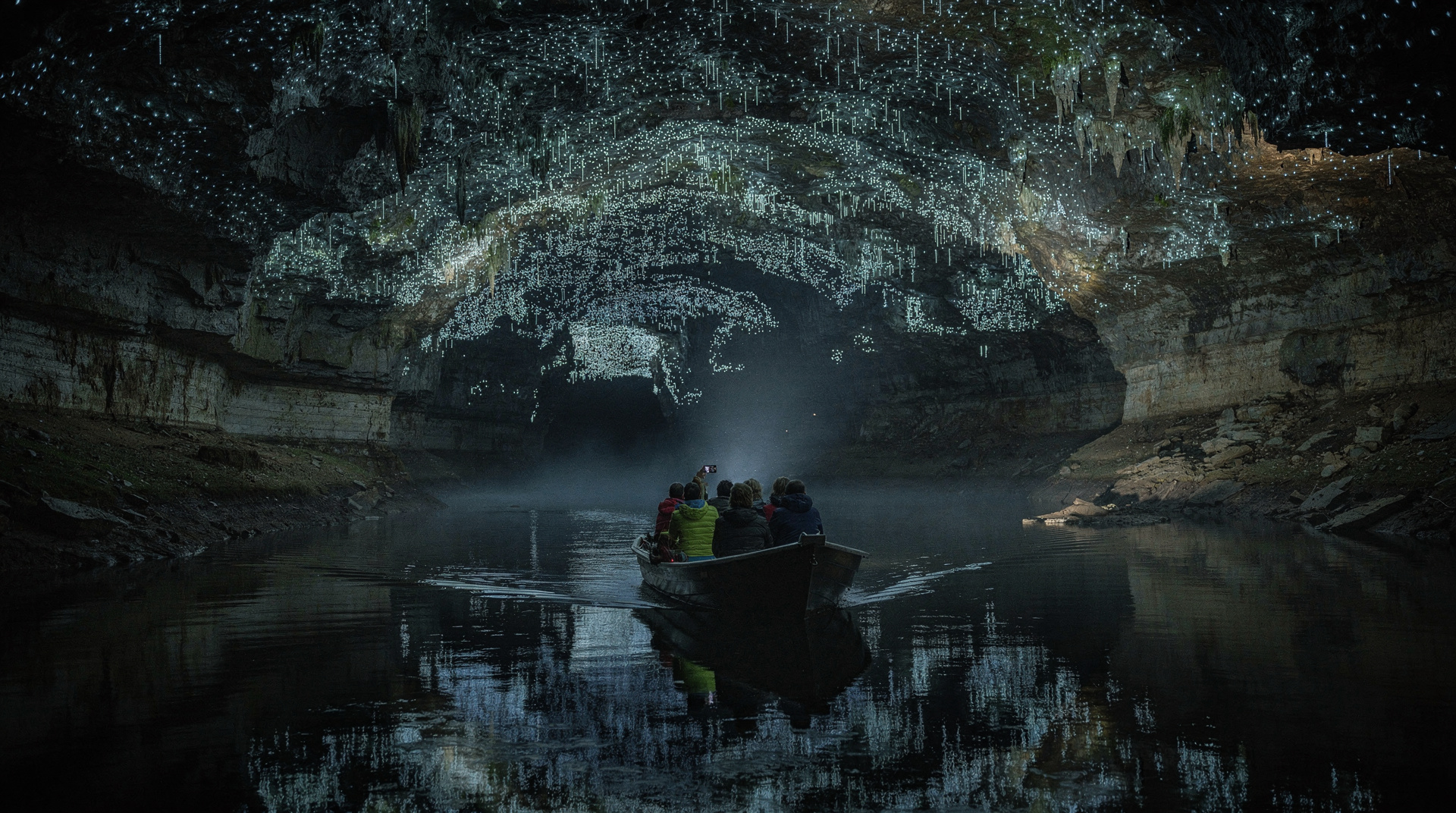
Best day trips from Rotorua
The best day trips from Rotorua: Waitomo Caves (1.5h), Taupo and Huka Falls (1h), Waimangu Volcanic Valley, and Coromandel. Drive times, costs, honest verdicts.
Last reviewed: