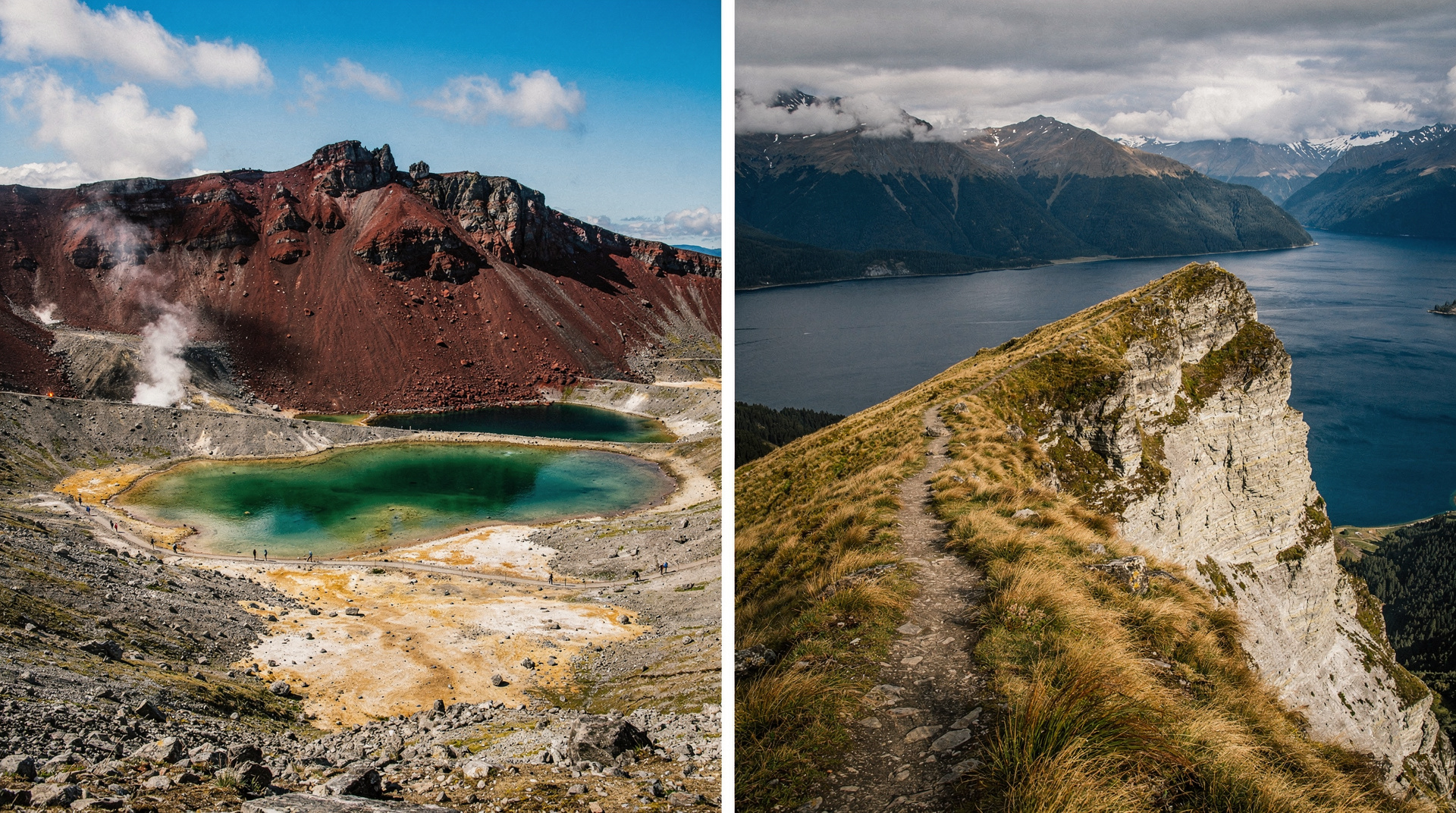
Tongariro Alpine Crossing vs Kepler Track
Should I do the Tongariro Alpine Crossing or the Kepler Track?
Tongariro Crossing for an extraordinary 1-day volcanic hike on the North Island — free, dramatic, the best day walk in New Zealand. Kepler Track for a 3-4 day multi-day Great Walk in Fiordland — alpine scenery, pre-booked huts, quieter. They're not really competing — one is a day walk, the other a multi-day tramp.
The honest verdict
These two hikes operate in different categories. The Tongariro Alpine Crossing is New Zealand’s most popular one-day walk (19.4 km, 6–8 hours, no booking required for the walk itself). The Kepler Track is a 3–4 day Great Walk in Fiordland (60 km, hut bookings essential in season, October–April).
If you have one free day and want the most dramatic hike in New Zealand, do the Tongariro Alpine Crossing. If you’re planning a multi-day backcountry experience and want a Great Walk that’s less crowded than the Milford Track, the Kepler Track is the best option.
Most New Zealand itineraries of 14+ days can accommodate both — they’re on different islands, naturally separating into a North Island day and a South Island multi-day.
| Where | Tongariro National Park (North Island) vs Fiordland, near Te Anau (South Island) |
| Time needed | 1 day (6–8 hours) vs 3–4 days |
| Booking | Shuttle only, book 1–2 weeks ahead |
| Cost | Around NZD 35–55 shuttle |
| Best for | One spare day, dramatic volcanic scenery |
Side-by-side comparison
| Dimension | Tongariro Alpine Crossing | Kepler Track |
|---|---|---|
| Island | North Island | South Island |
| Duration | 1 day (6–8 hours, 19.4 km) | 3–4 days (60 km) |
| Type | Linear point-to-point | Loop |
| Location | Tongariro National Park | Fiordland National Park (Te Anau) |
| Great Walk? | No (separate DOC classification) | Yes |
| Booking required? | No for the walk — shuttle required | Yes — DOC hut bookings essential in season |
| Difficulty | Moderate–challenging (significant elevation gain) | Moderate (well-graded track, some exposed ridge) |
| Elevation gain | 757m (maximum altitude 1,886m) | 820m (maximum altitude 1,472m) |
| Best season | November–April (summer-autumn); avoid in snow | October–April (Great Walk season) |
| Peak visitor numbers | 3,000+ hikers per day in January | 600–700 per season day |
| Volcanic landscape | Yes — Mt Ngauruhoe, South Crater, Emerald Lakes | No — alpine, forest, lakeshore |
| Shuttle required? | Yes — linear walk, starts and ends at different carparks | No — loop track returns to Te Anau |
| Guided option available? | Yes — recommended for first-timers | Yes — guided packages with hut accommodation |
| LOTR | Mt Ngauruhoe = Mt Doom (film location) | No |
| Cost | NZD 35–55 shuttle / USD 21–33 / EUR 19–30 | NZD 40–65/night hut + NZD 60–120 transport |
The Tongariro Alpine Crossing in detail
The crossing is a one-way linear walk between Mangatepopo Carpark (western end) and Ketetahi Carpark (eastern end), so you need to arrange shuttle transport rather than returning to your start. Numerous shuttle operators run from National Park Village and Whakapapa Village. Shuttle transfers for the Tongariro Alpine Crossing book up fast in summer — arrange these at least a week ahead in January.
The walk itself: open plain crossing to the South Crater → steep climb to Red Crater (the highest point at 1,886m) → Emerald Lakes (geothermally heated acid lakes, intensely coloured) → Central Crater → descent via Ketetahi. The descent section (steep, loose scree in parts) is where most injuries occur — take your time. The crossing to Ketetahi Hot Springs used to end at the springs, but the lower section near Ketetahi Hut is now a raupatu (rāhui/restricted area) and must be walked past without stopping.
Weather is critical. The crossing is highly exposed above 1,200m — wind and sudden weather changes are common. DOC recommends not attempting the crossing in poor visibility or high winds. Check GeoNet (for volcanic activity) and MetService (for weather) before the day. The crossing is occasionally closed due to eruption risk (Mt Tongariro last erupted in 2012) or winter snow conditions.
For those who want a guide: premium guided hike on the Tongariro Alpine Crossing includes a guide with geological and cultural commentary — particularly valuable if this is your first high-alpine environment.
The Kepler Track in detail
The Kepler Track starts and ends in Te Anau, making it the most logistically convenient of the Great Walks — no one-way shuttle required. The typical 4-day itinerary: Te Anau to Luxmore Hut (stunning ridgeline walk with views over Lake Te Anau) → Luxmore to Iris Burn Hut (exposed ridge, weather-dependent, most dramatic section) → Iris Burn to Moturau Hut (forest and lake) → Moturau to Te Anau.
The Kepler is less celebrated than the Milford Track but consistently rated by experienced Great Walk hikers as offering better open-country views and more variety. The Lake Te Anau and Lake Manapouri landscapes from the Luxmore ridge on a clear day are extraordinary.
Hut bookings: DOC hut bookings are mandatory in season (October–April) and open six months in advance. The Kepler is less oversubscribed than the Milford — you can often get a spot 2–3 months ahead. Off-season huts are unstaffed and unbooked (bring your own gear and pay the hut warden fee in cash or pre-book).
Full-day Kepler Track guided heli-hike from Te Anau offers a shorter taste of the alpine section — helicopter in to the ridgeline, guided walk above Luxmore, return — without committing to the 4-day version.
Water taxi across Lake Te Anau: Kepler water taxi transfer allows you to start or end the track at Brod Bay, shortening the first day significantly if you have only 3 days.
What they share
Both walks are in spectacular national parks, both pass through volcanic or glacially-formed landscapes, and both are genuinely life-enhancing experiences. Both require good fitness — neither is a casual stroll. Both can be done in guided format for those who want expert commentary and don’t want to carry all their own gear.
Cost breakdown (NZD + USD + EUR)
| Cost item | Tongariro Crossing | Kepler Track |
|---|---|---|
| Shuttle (essential) | NZD 35–55 / USD 21–33 / EUR 19–30 | Not required (loop) |
| DOC hut fee per night | N/A | NZD 40–65 / USD 24–39 / EUR 22–36 |
| Guided full walk | NZD 150–250 / USD 90–150 / EUR 83–138 | NZD 1,800–2,500 / USD 1,080–1,500 / EUR 990–1,375 (4-day guided package) |
| Heli-hike | NZD 395–595 / USD 237–357 / EUR 217–327 | NZD 595–850 / USD 357–510 / EUR 328–468 |
The Tongariro Crossing is one of the best-value experiences in New Zealand — the walk itself is free, requiring only shuttle costs.
Booking windows: how far ahead to plan each
The two tracks operate on completely different booking timelines, and this alone often decides which one fits a given trip. The Kepler Track’s DOC huts open for booking six months ahead and the Great Walk season (October–April) sells out its best dates — Iris Burn Hut especially — within weeks of the booking window opening in June. If you’re planning a New Zealand trip more than two months out and want the Kepler, book the huts before you book flights.
The Tongariro Alpine Crossing has no such constraint for the walk itself — there’s nothing to book except the shuttle, and even that is usually fine with a week or two of notice outside the January peak. This makes Tongariro the natural choice for travellers who decide on their South Island plans late, or whose itinerary is still fluid a month before departure. Round-trip shuttle from National Park Village covers the most common departure point.
For those weighing both against the Milford Track too, the Routeburn vs Milford Track guide covers the third major Fiordland option and how it compares on booking difficulty.
Fitness and experience required
Neither walk is beginner-friendly, but the demands are different in kind. The Tongariro Crossing packs 757m of elevation gain and a similar loss into a single day — it’s a hard day, not a technical one, and the main risk is underestimating the weather and the descent. Reasonable fitness (able to walk 19km with sustained climbing) is the baseline requirement; DOC’s rescue statistics on this track are driven mostly by unprepared walkers rather than genuinely difficult terrain.
The Kepler spreads its 820m of climbing over the first day alone (Te Anau to Luxmore Hut), then the exposed ridge walk to Iris Burn on day two is the psychological crux — sustained above the treeline with weather able to change fast. Trampers need to be comfortable carrying a multi-day pack and confident making a call to turn back if conditions on the ridge deteriorate. If you’ve never done a multi-day hut-to-hut walk before, doing a shorter overnight trip first (or the Tongariro Crossing as a day-hike fitness test) is sensible preparation.
Frequently asked questions
Is the Tongariro Alpine Crossing dangerous?
It has the highest rescue rate of any DOC track in New Zealand — not because it’s dangerous per se, but because it’s very popular and many unprepared walkers attempt it. The main risks are weather (hypothermia on the exposed sections), falling (the Red Crater descent), and volcanic activity (low but real). Check conditions, go early, take layers, and turn back if weather deteriorates.
Do you need experience to do the Kepler Track?
The Kepler requires reasonable fitness (the Luxmore Hut climb gains 820m in 9.5 km) and the right gear (waterproof layers, sturdy boots, sleeping bag liner). No technical skills required. The Fiordland weather is notoriously variable — DOC requires all trampers to have a personal locator beacon.
Can I do the Kepler Track in winter?
The Great Walk huts close in May/early June. The track remains accessible year-round as a standard backcountry track, but conditions on the Luxmore ridge in winter (snow, ice, wind) require alpine experience and equipment. Not recommended for inexperienced trampers.
How crowded is the Tongariro Crossing in summer?
Very. January and February see 2,000–3,500 hikers per day. The carpark shuttle queues can be long at 7–8am. Start as early as possible (6am from National Park Village is ideal) to reach the exposed sections before the afternoon cloud and wind build.
Which is better for a first-time visitor to New Zealand?
The Tongariro Alpine Crossing, mostly because of logistics: no advance booking, no multi-day pack, and it fits into almost any itinerary as a single day. The Kepler rewards planning and fitness but asks for more commitment. First-timers with 14+ days often do the Tongariro Crossing early in the trip and decide afterwards, based on how they found the terrain, whether to commit to a multi-day Great Walk like the Kepler later on.
Related comparisons and guides
Related guides
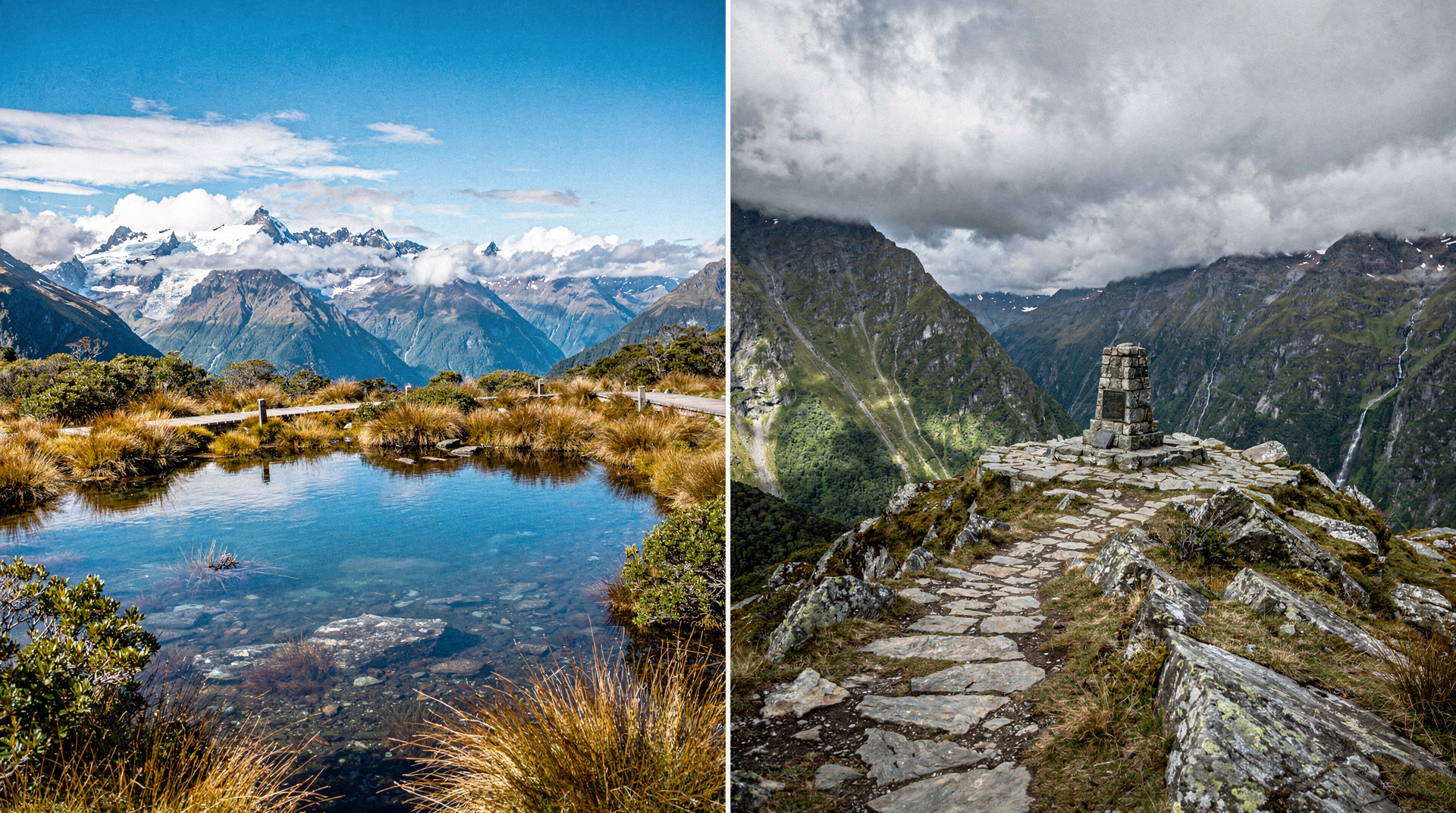
Routeburn Track vs Milford Track
Routeburn Track vs Milford Track honest comparison: scenery, difficulty, booking and which Great Walk is worth your time. Clear verdict with real prices.
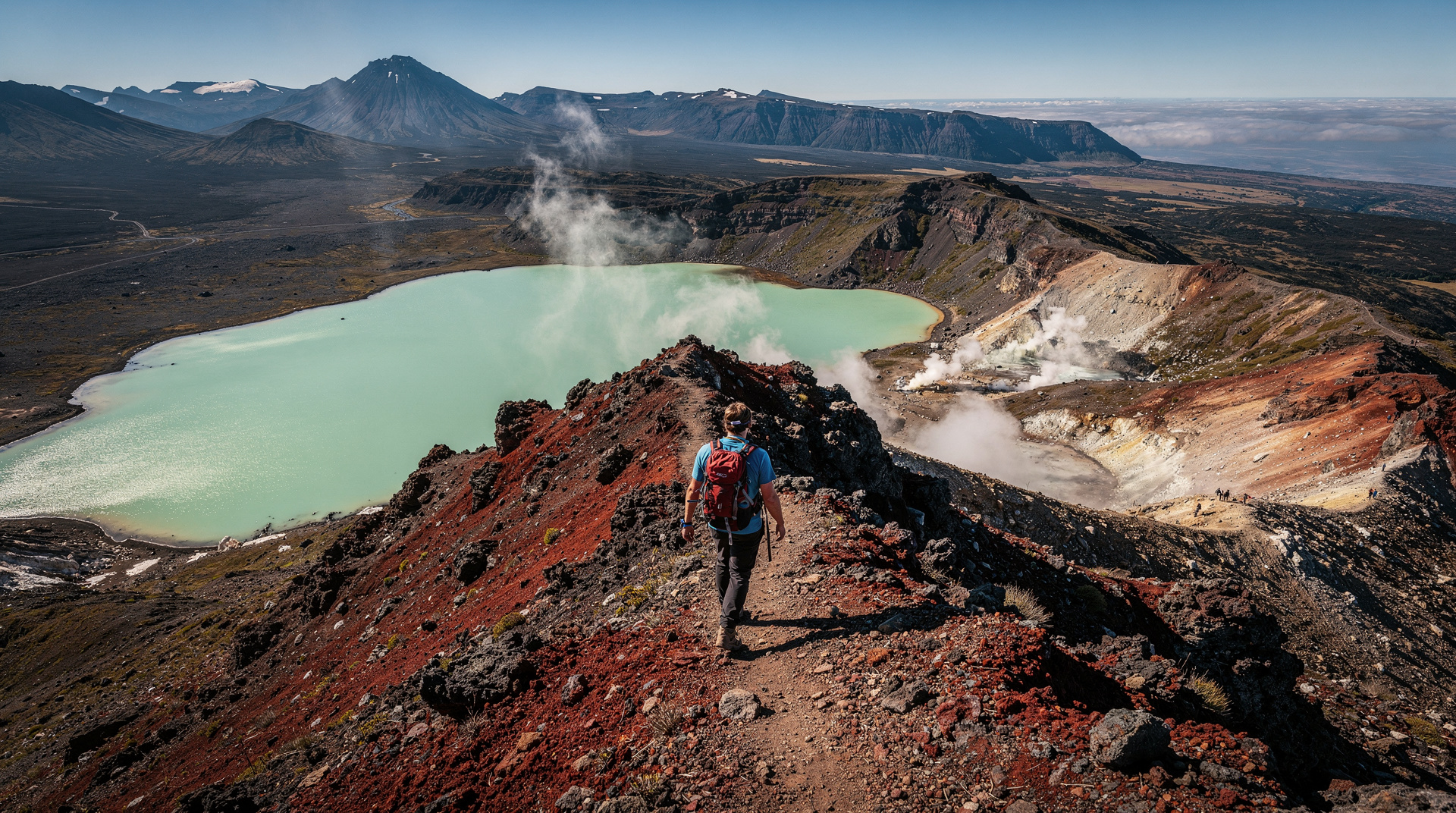
Tongariro Alpine Crossing
Honest Tongariro Crossing guide: 19.4km, 7-9 hours, shuttle logistics, gear, and why winter without a guide has killed people.
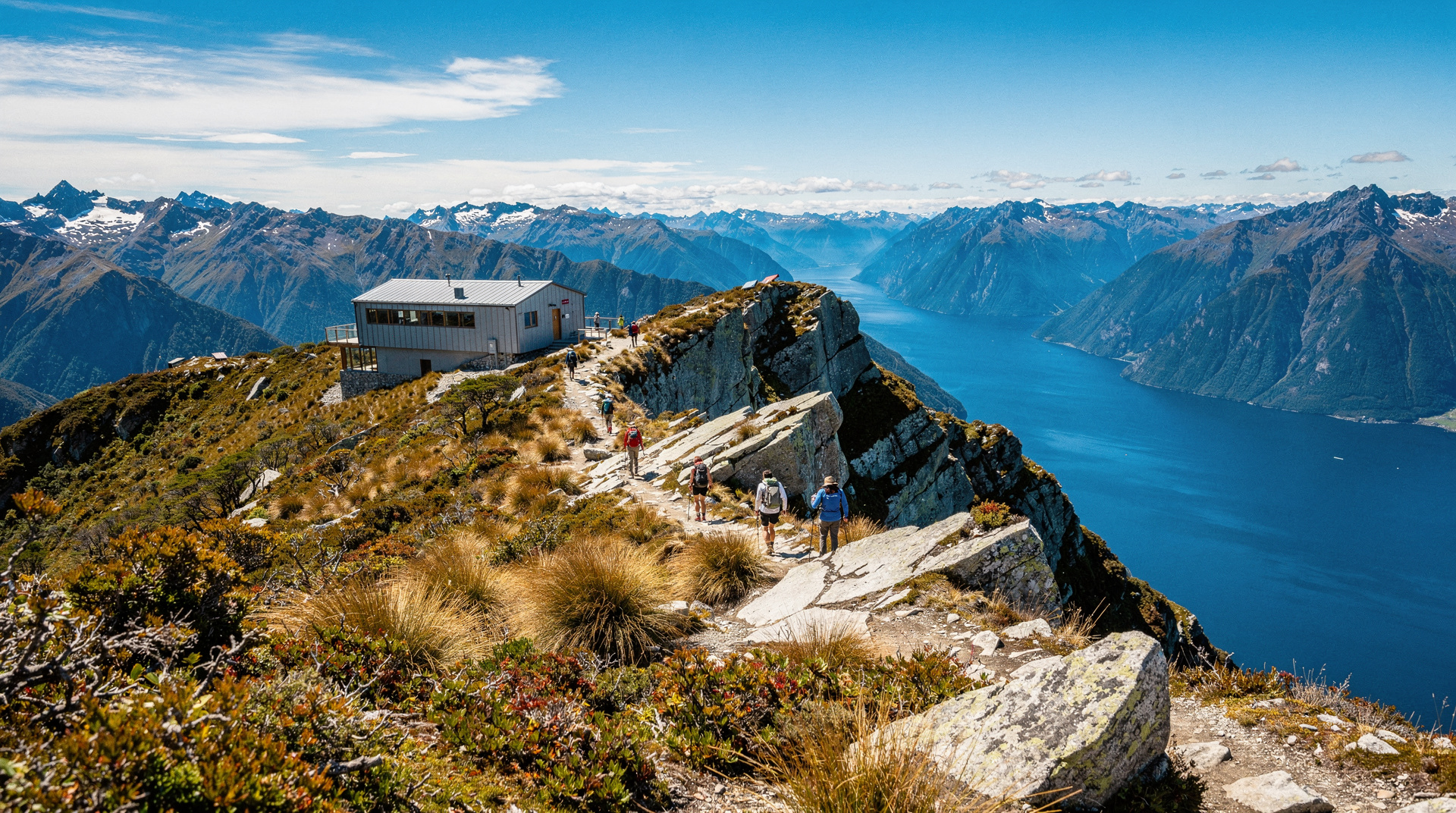
Kepler Track — Fiordland Great Walk full guide
Kepler Track: 60km circuit, 3-4 days, starts/ends at Te Anau. Book from June, NZD 102/night huts. Fiordland's most accessible Great Walk — full guide.
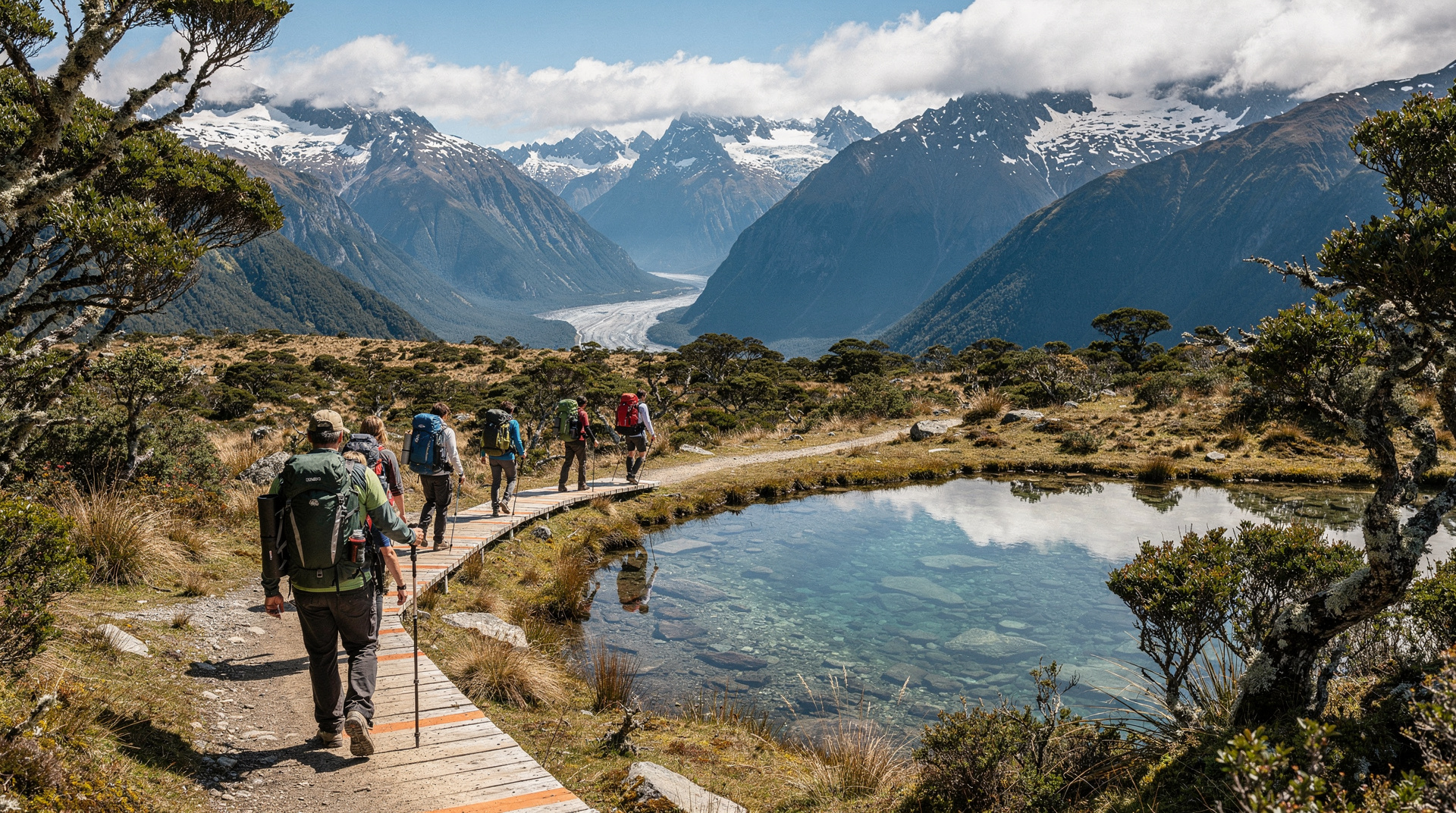
New Zealand Great Walks — complete comparison guide
All 11 Great Walks compared: Milford vs Routeburn vs Kepler, difficulty, season, hut prices. Which one fits your trip and fitness level.
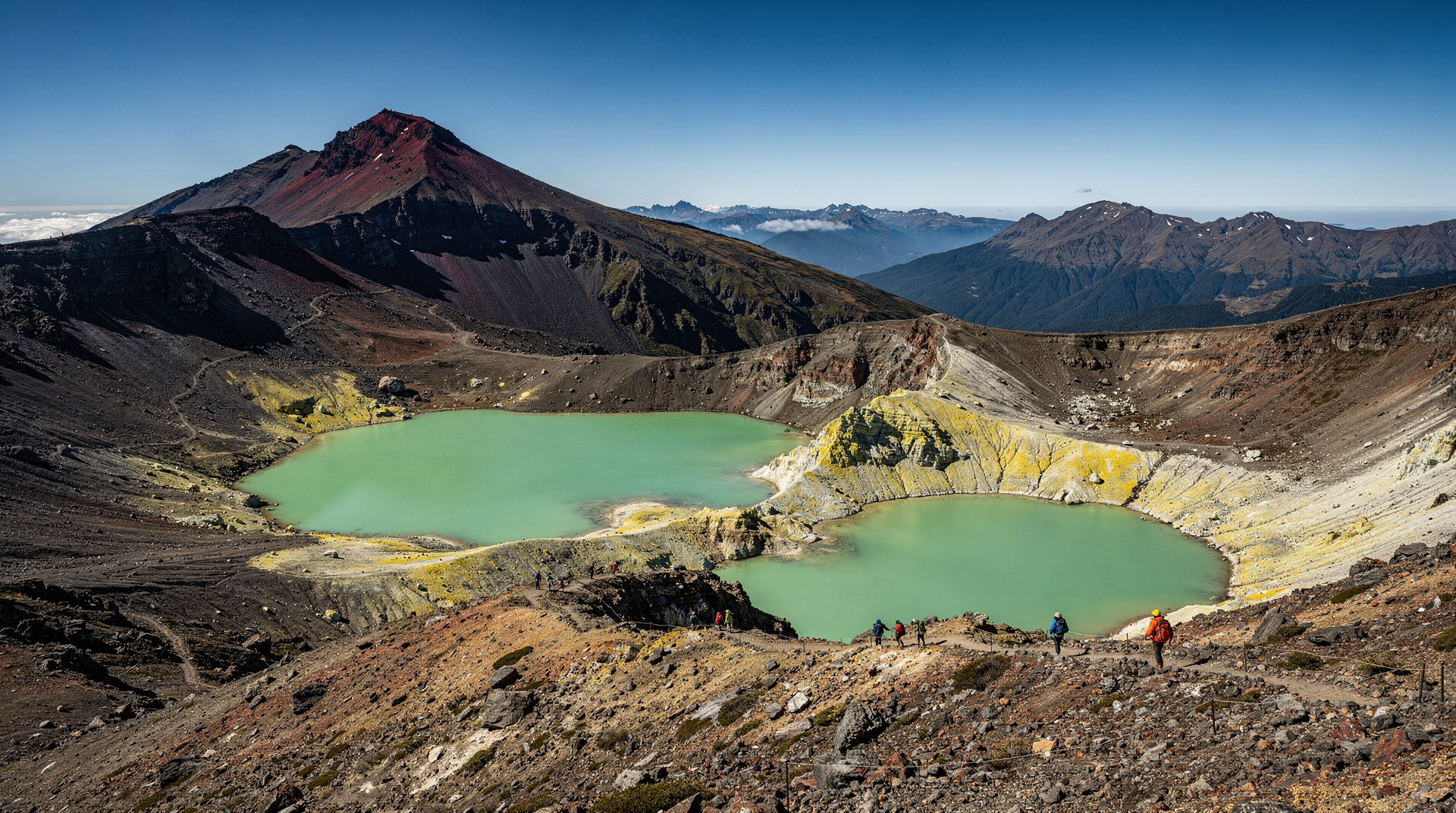
Tongariro National Park
Honest Tongariro guide: Alpine Crossing hike, Mt Ruapehu ski, Ngauruhoe, shuttle logistics, real prices NZD/USD/EUR, and what to expect on the track.
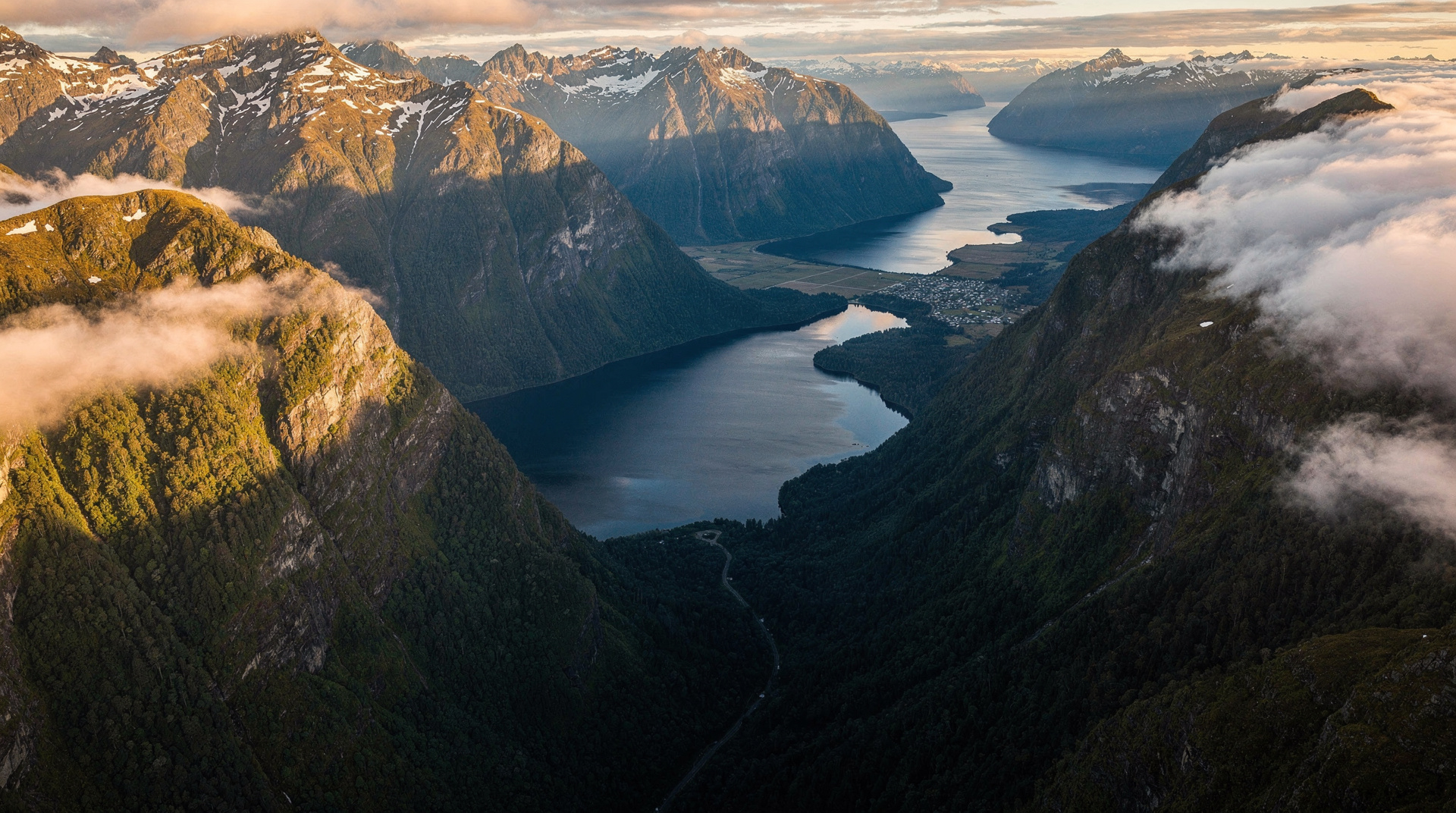
Fiordland
Honest Fiordland planner: Milford Sound vs Doubtful Sound, Te Anau base, Milford Track booking, real NZD/USD/EUR costs and what most guides won't tell you.
Last reviewed: