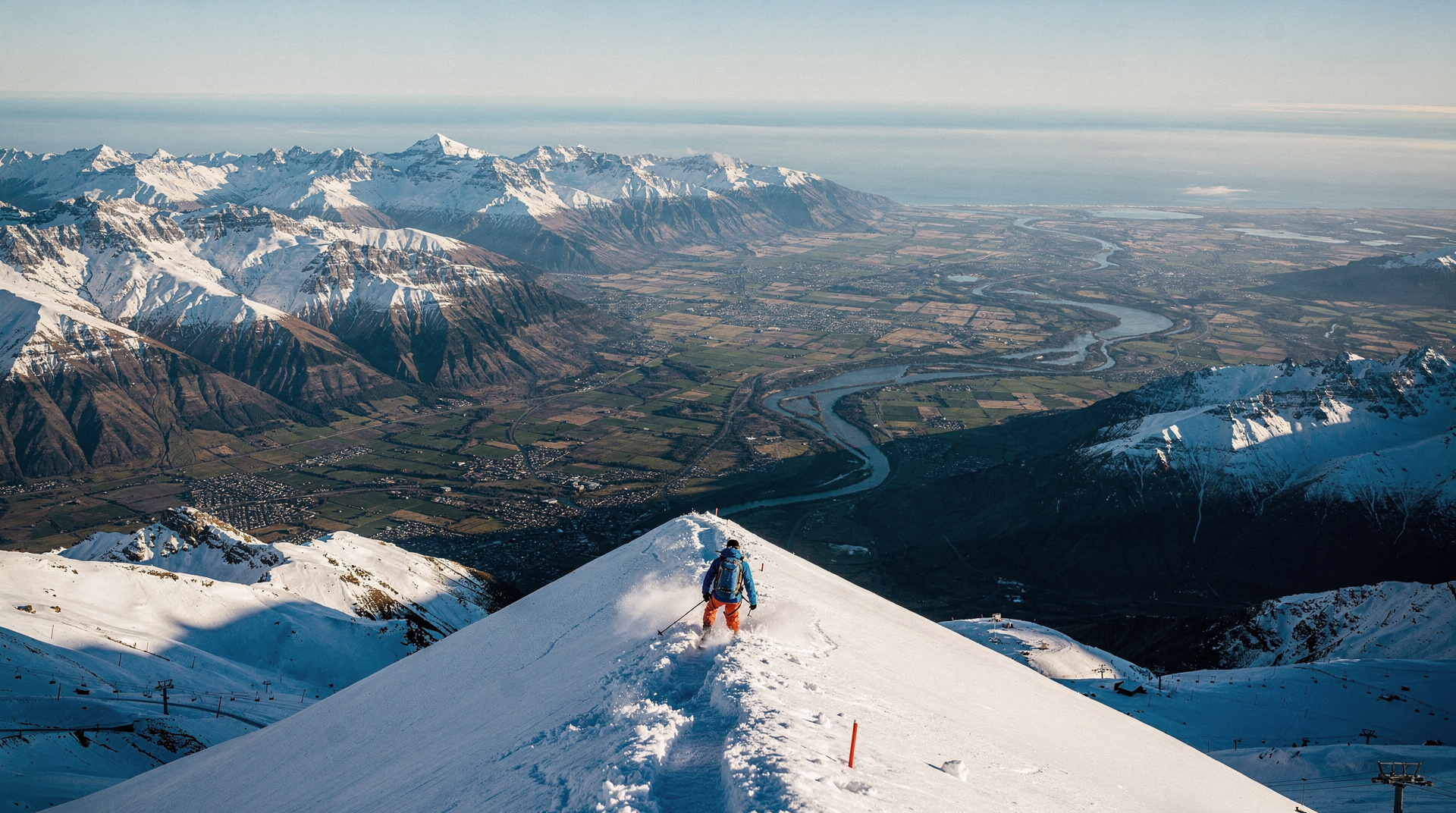
Skiing Mt Hutt — Canterbury's best-kept ski secret
Is Mt Hutt worth visiting for skiing?
Yes — Mt Hutt has the longest ski season in New Zealand (typically May to November), 672m of vertical, and 365 hectares of terrain. It's 90 minutes from Christchurch, making it unique as a major ski field accessible from a main New Zealand city. Day pass approximately NZD 149–175.
Mt Hutt’s pitch is straightforward: it’s the only major New Zealand ski field within day-trip range of a main city, and it has the longest season in the country to match. If you’re flying into Christchurch rather than Queenstown, it’s the obvious ski option — here’s what it actually involves.
| Where | 96 km / 90 min from Christchurch, near Methven |
| Cost | Day pass around NZD 149–175 (direct purchase — no GYG affiliate) |
| Time needed | Full day; viable as a day trip from Christchurch or a 2–3 night Methven base |
| Getting there | Self-drive or a Christchurch shuttle (around NZD 55–70 return) |
| Best for | Christchurch-based visitors, families, and early/late-season skiers |
The South Island ski field that outlasts all others — and sits 90 minutes from Christchurch
Mt Hutt stands at 2,086m above the Canterbury Plains, 96 km west of Christchurch in the Methven area. The combination of elevation, aspect (south-facing and west-facing sections), and the mountain’s exposed position catching Southern Ocean systems gives it the longest ski season in New Zealand — typically opening in late May (earlier than any other commercial field) and operating through October or November.
The mountain faces an unusual geographic position: Canterbury’s agricultural plain stretches east from the mountain’s base, while the Southern Alps rise to the west. On a clear day from the summit, the Pacific Ocean is visible to the east and the Alpine glaciers to the west — a 360-degree panorama across the full width of the South Island.
Verdict: Worth it, particularly for visitors passing through Christchurch who want a ski day without flying to Queenstown. The combination of early opening, long season, and Christchurch access makes Mt Hutt a legitimate ski destination rather than an afterthought.
Note: Mt Hutt day passes are sold through NZSki and not available via GetYourGuide. Purchase from the NZSki website or at the mountain.
Pricing
| Category | NZD | USD | EUR |
|---|---|---|---|
| Adult | 149–175 | 89–105 | 82–96 |
| Youth (8–15) | 110–130 | 66–78 | 60–72 |
| Senior (65+) | 120–145 | 72–87 | 66–80 |
| Children under 8 | 10–15 | 6–9 | 5.5–8 |
The NZSki Superpass covers Mt Hutt, Coronet Peak, and The Remarkables — good value if your trip covers both Christchurch and Queenstown in ski season.
Equipment hire at the mountain: NZD 65–95 / USD 39–57 / EUR 36–52 per day. Equipment hire in Methven (15 km from the mountain) is available and often cheaper.
The terrain
Mt Hutt operates 365 hectares across a main basin plus several satellite zones:
Beginners: The Mount Hutt Ski School operates a dedicated beginner zone adjacent to the base facilities — carpet lift access, gentle pitches, protected from the main mountain wind. This is well-structured beginner territory.
Intermediate: The main basin from the top of the chairlifts has extensive blue and red runs. The Southface Basin chairlift accesses the mountain’s most consistent intermediate terrain.
Advanced: The North Face and East Face areas have sustained steep terrain. In good powder conditions, the North Face is one of the better powder skiing experiences in the South Island. The summit traverse (to 2,086m) opens access to the longest runs.
Wind: Mt Hutt is exposed and can experience strong winds at upper elevations. On windy days, upper lifts close — a more frequent occurrence here than at more sheltered fields like Cardrona. Check the mountain’s daily lift status before committing to a long drive.
The Methven base
Methven (15 km from Mt Hutt) is the ski town — a small agricultural centre that transforms into a ski destination in winter. Accommodation ranges from backpacker hostels (NZD 35–55 / USD 21–33 / EUR 19–30 dorm) to self-contained chalets (NZD 180–350 / USD 108–210 / EUR 99–193). Methven has good restaurants for a small town (several ski-season focused establishments) and a more authentic New Zealand ski culture than Queenstown’s international resort character.
For a Canterbury ski holiday, staying 2–3 nights in Methven and skiing Mt Hutt is a self-contained experience significantly cheaper than Queenstown alternatives.
Christchurch as a ski base
The 90-minute drive from Christchurch to Mt Hutt is one of the more convenient mountain access routes in New Zealand — the road is mostly flat across the Canterbury Plains before a final ascent to the mountain. Shuttle services from Christchurch run on ski days (approximately NZD 55–70 / USD 33–42 / EUR 30–38 return).
This makes Mt Hutt accessible as a day trip from Christchurch — depart the city by 7:30am, first lifts by 9am, back in Christchurch by 5pm. This is viable during the early and late season when the resort is less crowded; during peak July it’s better to base in Methven.
Mt Hutt in context: Canterbury’s ski circuit
Canterbury has three commercial ski areas:
| Field | Distance from Christchurch | Vertical | Terrain |
|---|---|---|---|
| Mt Hutt | 96 km (90 min) | 672m | All abilities, long season |
| Porters | 84 km (75 min) | 500m | Club field, basic facilities |
| Mt Olympus | 115 km (2h) | 600m | Club field, advanced |
Mt Hutt is the only fully commercial operation — the others are New Zealand ski clubs (membership-based, basic facilities, much cheaper). For visitors, Mt Hutt is the practical option. For residents, the club fields provide a different and often better powder experience on good days.
Season — the longest in New Zealand
Mt Hutt’s typical season: late May to early November, approximately 24–26 weeks. For comparison:
- Coronet Peak: mid-June to mid-October (18 weeks)
- Cardrona: late June to October (16 weeks)
- The Remarkables: mid-June to October (16 weeks)
The early May openings (sometimes late May) mean Mt Hutt is operating while Queenstown fields are still weeks from opening. For visitors in June who want to ski, Mt Hutt is often the best or only option.
The November skiing (in good snow years) is rare by NZ standards. In the 2022 season, Mt Hutt operated into mid-November — the latest season close in recent memory.
Renting gear: mountain vs Methven
Equipment hire at Mt Hutt itself runs NZD 65–95 / USD 39–57 / EUR 36–52 per day; Methven’s independent hire shops, 15 km away, are generally a similar or slightly cheaper price and let you sort gear the night before rather than queueing at the base on a cold morning. If you’re day-tripping from Christchurch, some hire shops in the city itself also offer ski packages, which can be worth comparing if you’re driving straight up without an overnight stop.
Mt Hutt as part of a wider South Island itinerary
Mt Hutt sits conveniently between Christchurch and the rest of the South Island’s ski country, which makes it a natural first or last stop on a longer ski trip. Visitors combining Canterbury with Otago often ski Mt Hutt for a day or two out of Christchurch, then continue south to Queenstown for Coronet Peak or across to Wanaka for Cardrona — see the full New Zealand ski guide for how a multi-field trip fits together. Doing Mt Hutt first also means you’re already acclimatised to South Island driving and snow-road conditions before tackling the more demanding access roads further south.
The Canterbury Plains panorama
The view from Mt Hutt’s summit on a clear day is one of the most expansive in New Zealand. The plains visible to the east are among the most productive agricultural land in the Southern Hemisphere — the flat, geometrically farmed landscape reads as a giant patchwork from 2,000m. Christchurch is visible in good visibility. The contrast between this agricultural flatness and the alpine environment is visually striking.
Planning a ski day from Christchurch
A day at Mt Hutt works best when you treat the morning as the part you control. Check the mountain’s lift status and wind forecast the evening before and again at breakfast, lay out clothing in layers, and keep the car’s fuel and snow-road basics sorted before you leave the city. If you’ve never driven in New Zealand, read our driving in New Zealand guide first, and weigh up a campervan versus car and motel setup if your ski days are part of a longer road trip. Those who would rather not drive at all can look at the intercity bus guide and the airport transfers page to see how arrival day connects to a shuttle north-west of the city.
Arrival timing matters more than most visitors expect. Flights land at all hours, and a long-haul arrival followed directly by a pre-dawn drive to the mountain is a recipe for a poor first day. Giving yourself one easy evening in Christchurch before the first ski day is usually the better call, and the first time in New Zealand guide covers the jet-lag and logistics side of that.
What to do on a non-ski day
Wind closures and storm days happen, and having a fallback keeps a ski trip from feeling wasted. Christchurch itself is the easiest fallback: the city’s rebuilt centre is worth a slow wander (see Christchurch rebuild for the story behind it), and a guided half-day tour of the city’s main sights is a low-effort way to fill a rest day. If you prefer something a little more playful, a tram and gondola combination gives you the city and the hills in one outing.
For a bigger day out, the mountains are still on offer without a lift pass. The Arthur’s Pass day trip from Christchurch and the TranzAlpine train both cross the Southern Alps, and a scenic rail journey through Arthur’s Pass with lunch on board suits tired legs after a couple of hard ski days. Other options are collected in day trips from Christchurch, including Akaroa and Hanmer Springs, where a soak in the thermal pools is a classic way to recover.
Winter conditions and what to pack
Canterbury winters can swing from crisp, clear mornings to cold, wet southerlies in the same week. Layering matters more than any single piece of kit: a waterproof shell, warm mid-layers, goggles for flat light, gloves that suit wet snow, and sun protection for bright days at altitude. Our packing list for New Zealand covers the basics, and the summer versus winter comparison explains how different the two seasons feel. Seasonal planning pages such as New Zealand in June, New Zealand in July and New Zealand in August help you pick the month that suits your priorities.
Who Mt Hutt suits best
Mt Hutt rewards visitors who value access and a long season over a resort-town buzz. First-timers and families will find the beginner zone and the simple logistics of the Methven base reassuring; our New Zealand with kids page has wider family planning ideas. Confident intermediates get plenty of variety in the main basin, while experts will probably want to pair it with another field. If you are still choosing between regions, the North Island versus South Island comparison and the seven days in the South Island itinerary show how a ski stop can sit inside a broader trip. Readers wanting a sense of how busy the wider country has become can also look at our summer 2025 ski season recap.
Frequently asked questions about Skiing Mt Hutt — Canterbury’s best-kept ski secret
Is Mt Hutt the best ski field in New Zealand?
No single field holds that title — it depends on criteria. For advanced terrain: Treble Cone. For families: Cardrona. For season length: Mt Hutt. For proximity to Queenstown’s nightlife: Coronet Peak. Mt Hutt is the best choice for Canterbury-based visitors and the longest reliable season.
What’s the wind like at Mt Hutt?
This is the mountain’s significant limitation. Mt Hutt’s position on an exposed ridge means winds can be severe — upper lifts close frequently in winter. On calm days the skiing is excellent; on windy days (which can be frequent), the mountain’s character changes significantly. Always check the daily lift status and wind forecast before travelling from Christchurch.
Can I see the glacier from Mt Hutt?
On clear days, the Southern Alps glaciers — including Tasman Glacier (the largest) and the Franz Josef and Fox approach valleys — are visible to the west. These are 120–150 km distant but visible from 2,000m altitude in clear conditions. The view is better from the summit traverse.
Is Mt Hutt appropriate for children?
Yes — the beginner zone is well-structured for children, and Methven is a family-friendly base with none of Queenstown’s nightlife-oriented crowds. Children’s lessons are available through the Mt Hutt Ski School.
Is it worth staying overnight in Methven instead of day-tripping from Christchurch?
For a single ski day, day-tripping works fine outside peak July. For 2+ days, staying in Methven is the better call — you avoid the pre-dawn Christchurch departure, you’re 15 km rather than 96 km from the lifts each morning, and Methven’s small-town ski atmosphere is part of the appeal. Methven accommodation is also meaningfully cheaper than Queenstown or Wanaka equivalents.
More Canterbury and ski activities
Related guides
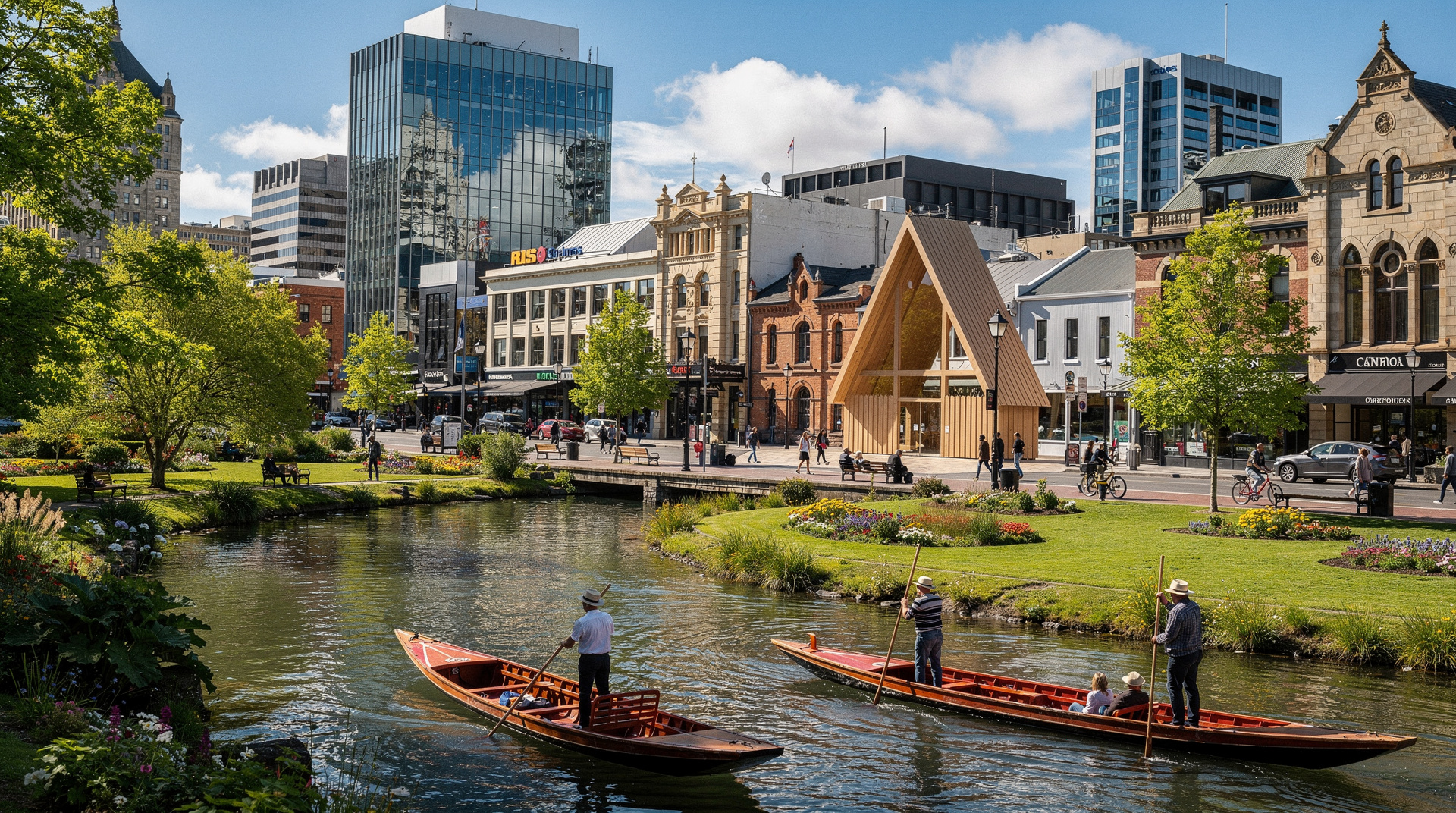
Christchurch
Honest Christchurch guide: the post-earthquake rebuild, best activities, Akaroa day trip — real NZD/USD/EUR prices and what's worth your time.
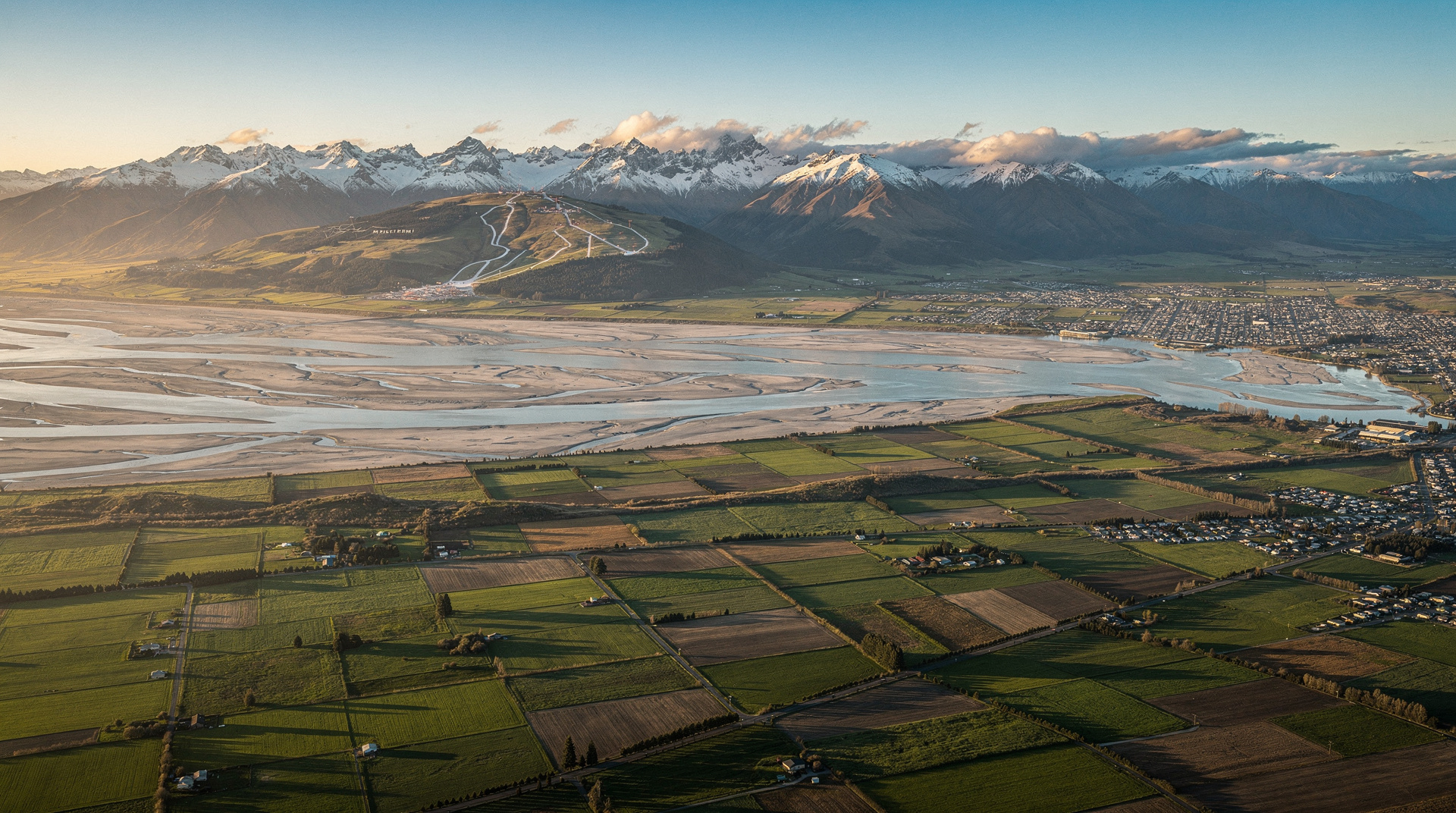
Canterbury
Honest Canterbury guide: Christchurch, Akaroa, Lake Tekapo stargazing, Aoraki/Mt Cook.
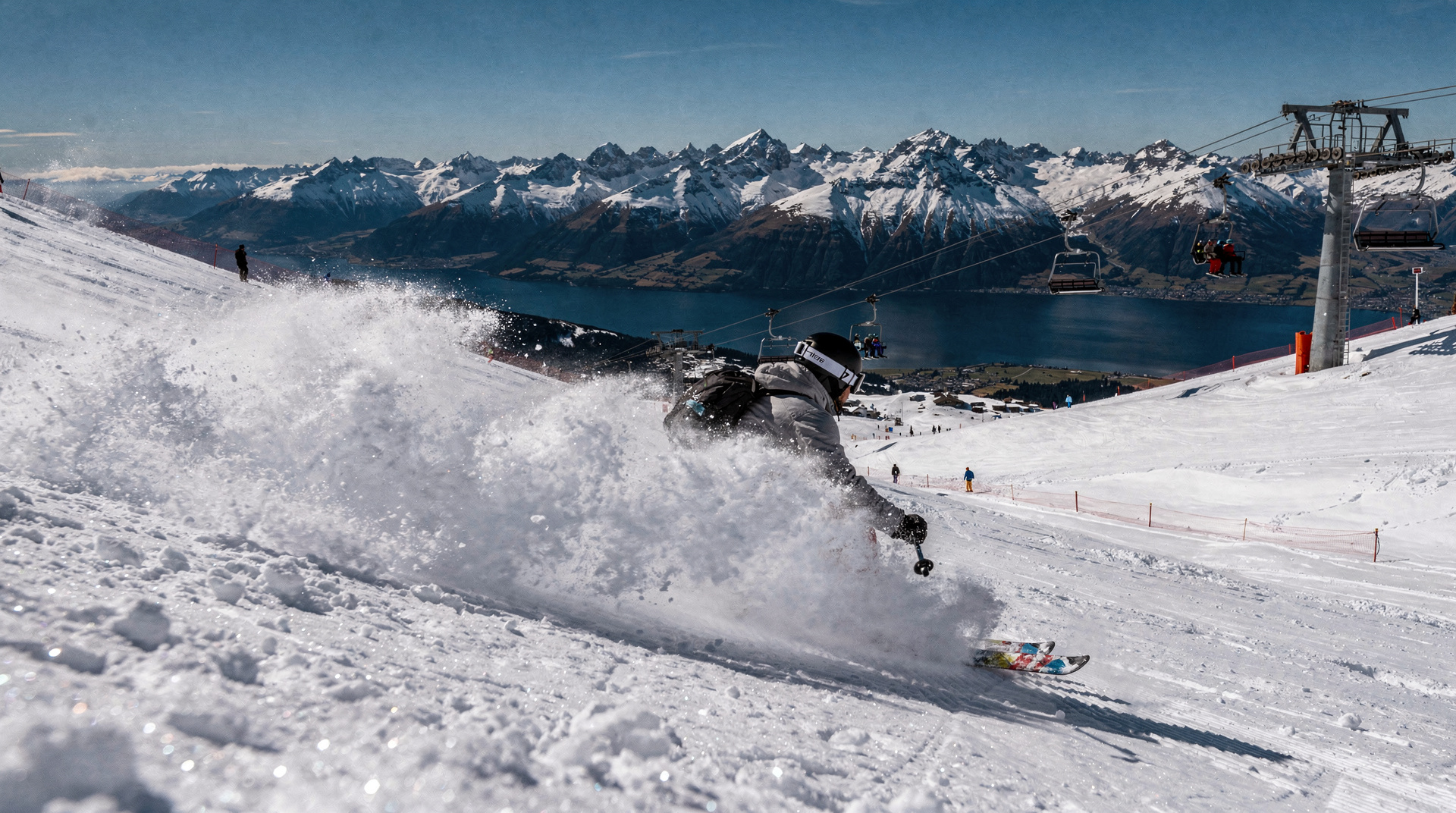
Skiing Coronet Peak — Queenstown's closest ski field
Coronet Peak ski guide: 23 km from Queenstown, night skiing, groomed runs. Day pass prices NZD/USD/EUR and honest comparison with The Remarkables.
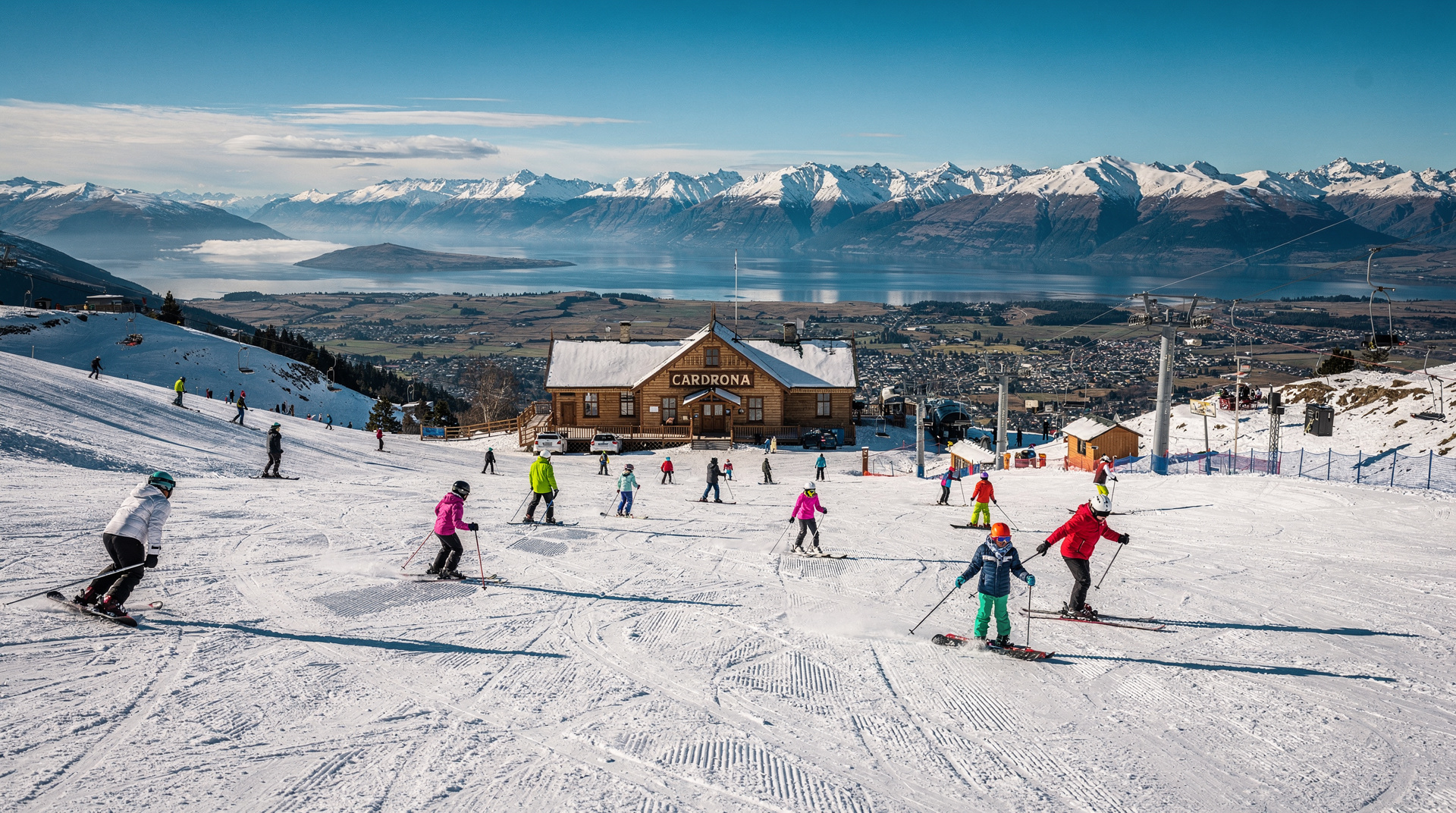
Skiing Cardrona — the best family ski field near Wanaka
Cardrona ski guide: 600m vertical, excellent beginner terrain, reliable snow near Wanaka. Day pass prices NZD/USD/EUR and comparison with Coronet Peak.
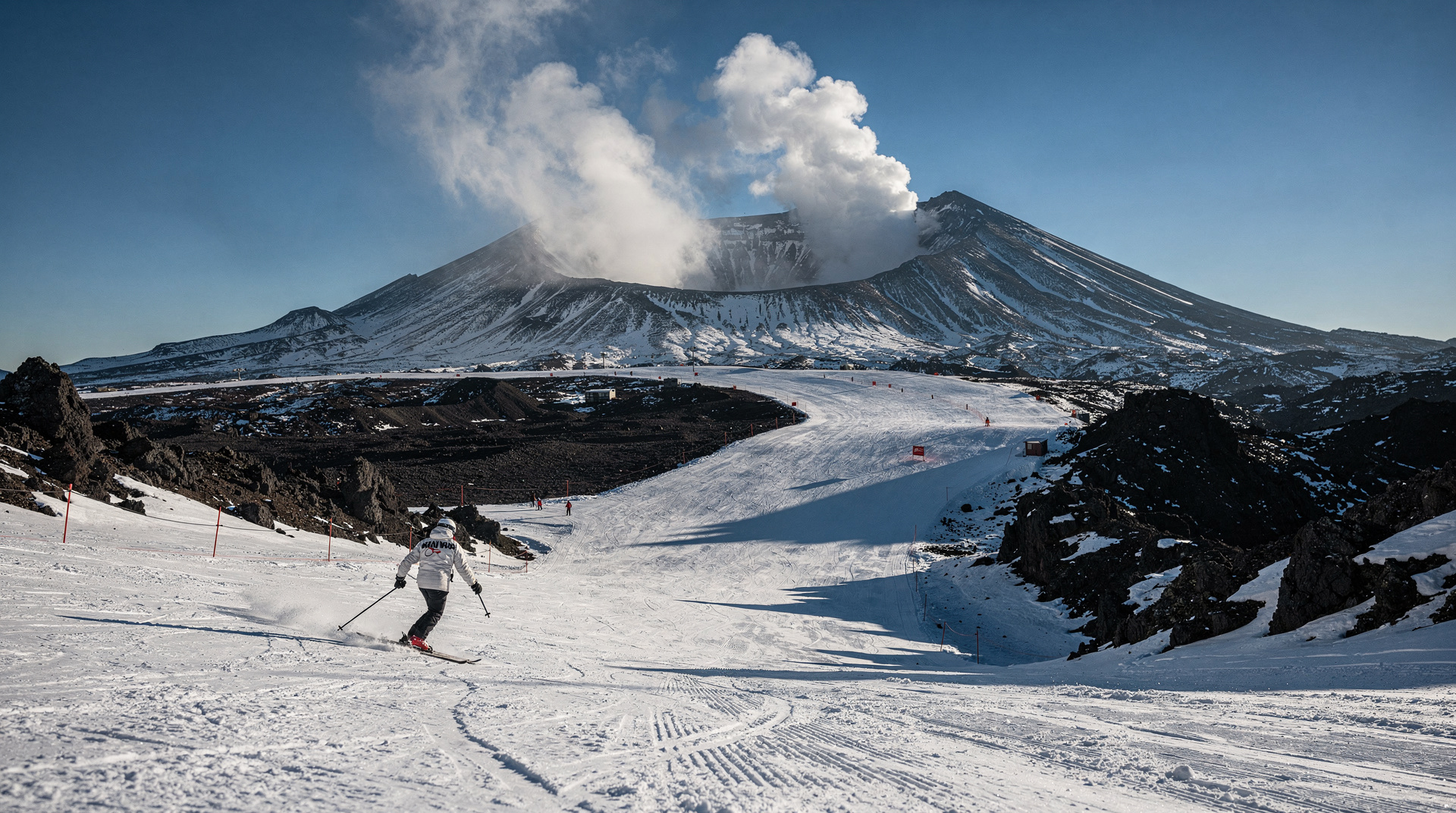
Skiing Mt Ruapehu — Whakapapa and Turoa on an active volcano
Mt Ruapehu ski guide: Whakapapa and Turoa fields on an active volcano in Tongariro NP.