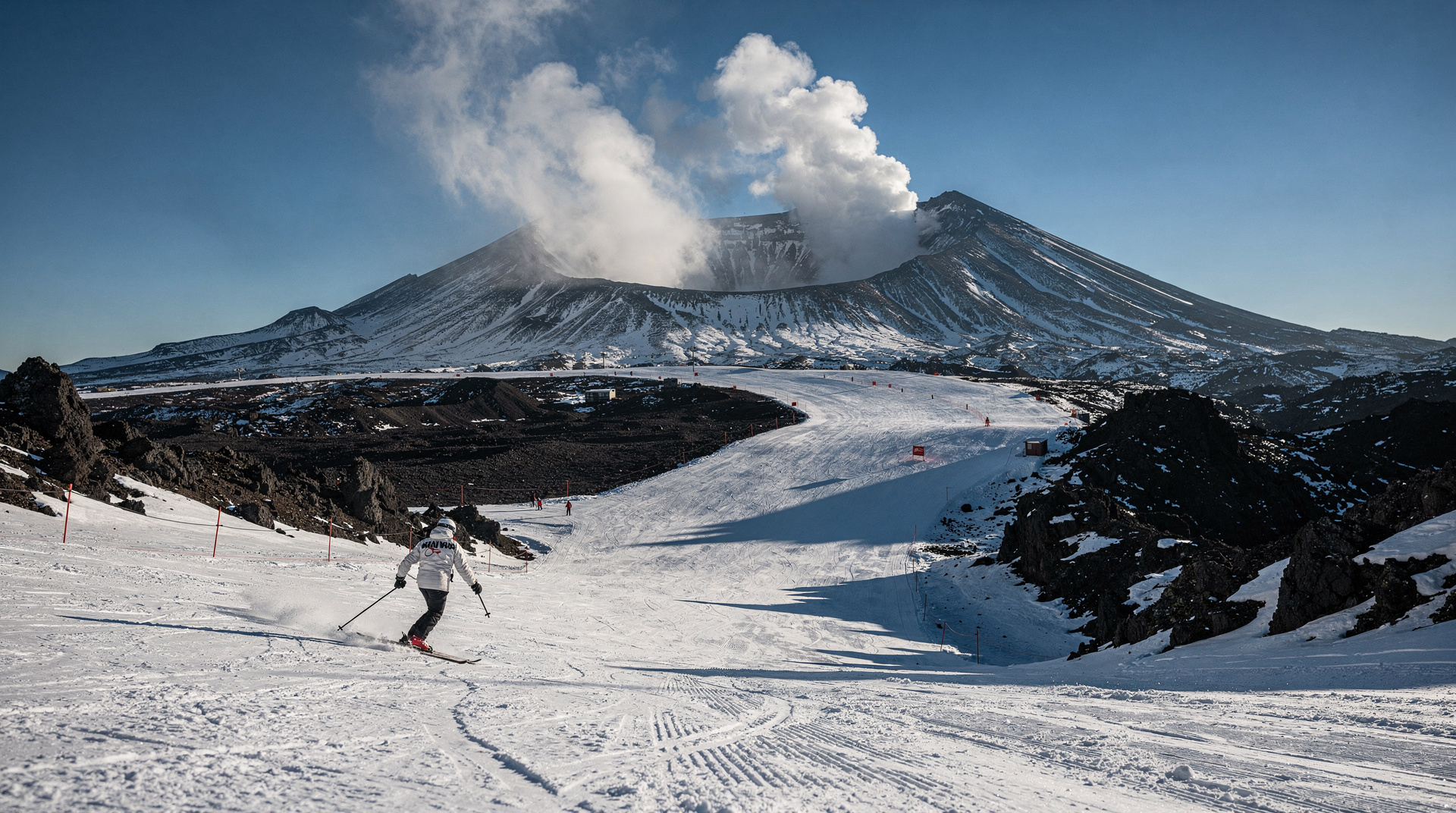
Skiing Mt Ruapehu — Whakapapa and Turoa on an active volcano
Can you ski on Mt Ruapehu and what is the current situation?
Yes — Whakapapa and Turoa ski fields operate on Mt Ruapehu's flanks in Tongariro National Park. The operator (Ruapehu Alpine Lifts) entered administration in 2023 and the fields were sold and restructured. Operations continue under new management. Day passes approximately NZD 120–165. Volcanic alert levels are monitored continuously.
Ruapehu is the North Island’s only real ski option, and it comes with a story South Island fields don’t: an active volcano, a recent financial restructuring, and a UNESCO-listed national park wrapped around both ski areas. Here’s what to actually expect if you’re skiing Whakapapa or Turoa in 2026.
| Where | Tongariro National Park — Whakapapa (via National Park Village) and Turoa (via Ohakune) |
| Cost | Day pass around NZD 120–165 |
| Time needed | Minimum 2 nights — not a day trip from Auckland or Wellington |
| Getting there | Self-drive from Taupo (1hr), Auckland (4hr), or Wellington (4.5hr) |
| Best for | North Island visitors, and anyone wanting to ski an active volcano |
Skiing an active stratovolcano in the North Island’s UNESCO World Heritage site
Mt Ruapehu (2,797m) is the highest mountain in the North Island of New Zealand and an active stratovolcano — it last erupted in 2007, with smaller events in 2022 and 2023. It sits at the heart of Tongariro National Park, which is dual-listed as both a Natural World Heritage Site and a Cultural World Heritage Site (the first property globally to hold both designations).
The two ski fields on Ruapehu’s flanks operate at different elevations and on different aspects:
Whakapapa sits on the northwestern flank at 1,600–2,300m, with access via SH48 from National Park Village. It’s the larger and more developed of the two fields, with the mountain’s main visitor infrastructure including the Chateau Tongariro heritage hotel at its base.
Turoa sits on the southwestern flank at 1,600–2,322m, accessed from Ohakune. It’s slightly smaller but typically holds better snow due to southwest-facing aspects catching the main South Pacific snow systems.
Together, they cover over 1,100 hectares of skiable terrain — the largest skiable area in New Zealand. The combined vertical reach of 722m is comparable to Treble Cone.
The financial restructuring context — what happened and current status
In early 2023, Ruapehu Alpine Lifts (RAL) — the company that had operated Whakapapa and Turoa since the 1950s — entered voluntary administration. The reasons were multiple: deferred maintenance costs, the COVID-19 closure period (2020–2021), a poor snow season (2022), and ongoing losses.
The fields were sold to a new entity — creditors and the tourism industry worked with the government on a continuation plan. Operations continued through the 2023 and 2024 seasons, albeit with some lift closures pending maintenance. As of 2026, both Whakapapa and Turoa are operating under the restructured management.
Practical implications for visitors:
- Both fields are open and operational for the 2026 season
- Some legacy lift infrastructure may still be under maintenance on specific towers
- Check the official ski field website for current lift status before travelling
- Booking flexibility (not pre-paying large amounts too far in advance) is sensible given the field’s recent history
The quality of the actual skiing, when the fields are open, has not diminished. Ruapehu’s terrain and volcanic landscape are unique in New Zealand and worth experiencing despite the administrative history.
Pricing
Approximate 2026 pricing (verify on the official website, as restructuring has affected pricing structures):
| Category | NZD | USD | EUR |
|---|---|---|---|
| Adult | 120–165 | 72–99 | 66–91 |
| Youth (13–17) | 90–130 | 54–78 | 50–72 |
| Children (5–12) | 65–99 | 39–59 | 36–54 |
| Under 5 | Free | — | — |
Note: Mt Ruapehu day passes are not available via GetYourGuide. Purchase through the official websites for each field.
Whakapapa ski area
Setting: The volcanic landscape is unlike any other ski field in New Zealand. The crater lake (Crater Lake/Te Wai ā-moe) is visible from upper lifts on clear days — a sulfurous, turquoise lake in the summit caldera. Volcanic steam vents are visible on the upper mountain. This is skiing on an active volcano, and that context is tangible.
Terrain: Extensive beginner and intermediate terrain. The Top o’ the Bruce area near the base is the gentlest section. The advanced terrain in the Basin area requires good snow coverage to be at its best.
Infrastructure: The Chateau Tongariro (historic 1929 hotel) sits at the Whakapapa Village base at 1,122m. The Chateau is heritage-listed and operates as accommodation and dining — a classic option for an Ruapehu ski break at NZD 280–450 / USD 168–270 / EUR 154–248 per night for standard rooms.
Access from Taupo: 80 km via SH47, approximately 1 hour. National Park Village (the closest town to the ski area) is 15 km from the base.
Access from Auckland: 340 km via SH1 to Taupo, then SH47. Approximately 4 hours.
Turoa ski area
Setting: The western-facing aspect gives Turoa a different character from Whakapapa — the terrain is more open, the views extend toward Mt Taranaki/Egmont on clear days, and the southern orientation means later afternoon skiing before shadows arrive.
Terrain: The Giant Groomer run (the longest continuous ski run in New Zealand at approximately 4 km in good snow years) descends from the summit area to the lower base. More varied intermediate terrain than Whakapapa overall.
Infrastructure: The Ohakune Mountain Road (sealed, 17 km) connects Ohakune to the Turoa base. Ohakune is a fully functional ski town with accommodation, restaurants, and ski hire. The town’s carrot-shaped landmark is beloved by New Zealand skiers.
Access from Palmerston North: 160 km via SH1 and SH49, approximately 2 hours. Access from Wanganui/Whanganui: 130 km via SH4, approximately 1.5 hours.
The volcanic risk context
Mt Ruapehu is a monitored, active volcano. GeoNet (New Zealand’s geological hazard monitoring agency) provides continuous Volcanic Alert Levels for Ruapehu:
- Level 0–1: Normal, ski fields operate
- Level 2: Moderate unrest, ski operations continue with caution
- Level 3: Moderate to heightened unrest — ski fields may close upper areas
- Level 4–5: Eruption conditions — fields close
The 2006 eruption (Level 4) produced lahars (volcanic mudflows) that affected road access. The ski fields’ evacuation plans are tested annually. GeoNet alert levels are published in real time at geonet.org.nz.
For the vast majority of skiing days, Ruapehu operates at Level 0–1 and there is no practical risk. Being aware of the volcanic context is appropriate; it should not deter visits but should inform evacuation procedure awareness.
The Tongariro Alpine Crossing connection
The Tongariro Alpine Crossing — the most famous day hike in New Zealand — crosses the flanks of Tongariro and Ngauruhoe in the same national park. The Crossing is open in summer (November through April) when the ski fields are closed. The two activities serve different seasons but the same destination: Tongariro National Park.
Combining a ski trip to Whakapapa or Turoa (June–October) with a summer return for the Crossing (November–April) is a complete engagement with Tongariro National Park across seasons.
Comparing Ruapehu to South Island skiing
| Factor | Ruapehu (North Island) | Coronet Peak/Cardrona (South Island) |
|---|---|---|
| Setting | Active volcano, UNESCO park | Scenic alpine valleys |
| Terrain area | 1,100+ ha combined | 280–550 ha |
| Season | June–October | June–October |
| Access from main cities | Auckland (4h) | Christchurch (3h to Coronet via Queenstown), Queenstown |
| Atmosphere | North Island adventure | South Island ski resort culture |
| Price | Slightly lower | Standard NZSki pricing |
Ruapehu is the correct choice for North Island visitors who don’t want to fly south for skiing. It’s also unique — skiing on an active volcano in a UNESCO World Heritage Site is an experience that doesn’t exist elsewhere in New Zealand.
Renting gear and booking lessons
Equipment hire is available at both Whakapapa and Turoa base areas, plus in National Park Village, Ohakune, and Taupo. Given the recent restructuring history, it’s worth confirming rental availability and current pricing directly with the field before travelling rather than assuming standard NZSki-equivalent service — smaller operators fill gaps at each town but service levels can vary season to season. Ski school lessons for children are available at both fields; book ahead for July school holidays, the busiest period at either mountain.
What to do in the area between ski days
Ohakune: The ski town for Turoa. Walk the Ohakune Old Coach Road (historic 1908 viaduct through beech forest) — a 15 km track between Ohakune and Horopito. One of the most pleasant non-ski activities in the area.
National Park Village: Service town for Whakapapa skiers. Basic facilities; better to base in Ohakune or Taupo if nights out matter.
Taupo: 80 km away — excellent restaurants, the lake, and the skydiving operations. A Taupo base works for both Ruapehu skiing and Tongariro day trips.
Frequently asked questions
Is it safe to ski on an active volcano?
Yes — GeoNet’s continuous monitoring provides warning time before significant volcanic events. The ski fields have established evacuation protocols. The risk of a sudden eruption without prior warning (as occurred at Whakaari/White Island in 2019) is significantly lower for a monitored stratovolcano like Ruapehu than for a submarine volcano. That said, the risk is non-zero — as with any outdoor activity, understanding it is part of informed decision-making.
Which field is better — Whakapapa or Turoa?
For most visitors, Whakapapa is more convenient (National Park Village access, Chateau Tongariro infrastructure). For better snow quality and a slightly more scenic open run (the Giant Groomer), Turoa is preferred by frequent Ruapehu skiers. If skiing multiple days, alternate between them.
Is Mt Ruapehu suitable for beginners?
Yes — Whakapapa has the best beginner terrain of the two fields, and the ski school operates a dedicated beginner zone. Turoa’s beginner terrain is more limited. For absolute beginners in the North Island, Whakapapa is the recommended starting point.
What happened with the financial restructuring and is it resolved?
Ruapehu Alpine Lifts entered voluntary administration in February 2023. The assets were purchased by a new group of investors (reported in late 2023) and operations continued. The restructuring created significant uncertainty during 2023; by 2024–2025 the operation had stabilised under new ownership. The long-term ownership structure is still relatively new, so checking current operational status before a dedicated ski trip is sensible.
Should I base in Ohakune, National Park Village, or Taupo?
Base in Ohakune for Turoa, or National Park Village for Whakapapa, if skiing is the main focus — both keep the drive to the lifts short. Base in Taupo if you’re combining skiing with other activities like skydiving, since it has better restaurants and a wider accommodation range, at the cost of a longer daily drive to either field.
More Tongariro and North Island activities
Related guides
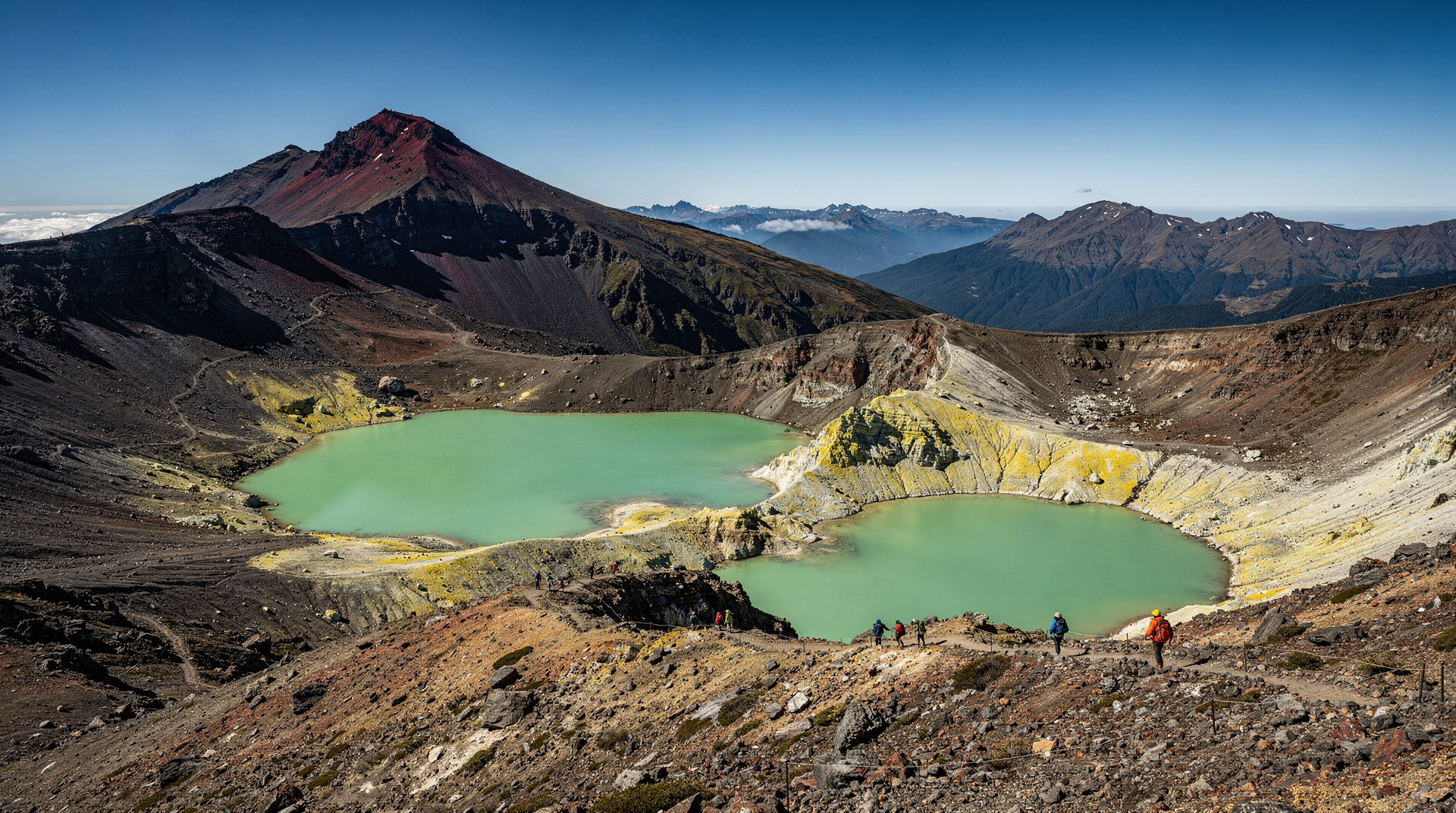
Tongariro National Park
Honest Tongariro guide: Alpine Crossing hike, Mt Ruapehu ski, Ngauruhoe, shuttle logistics, real prices NZD/USD/EUR, and what to expect on the track.
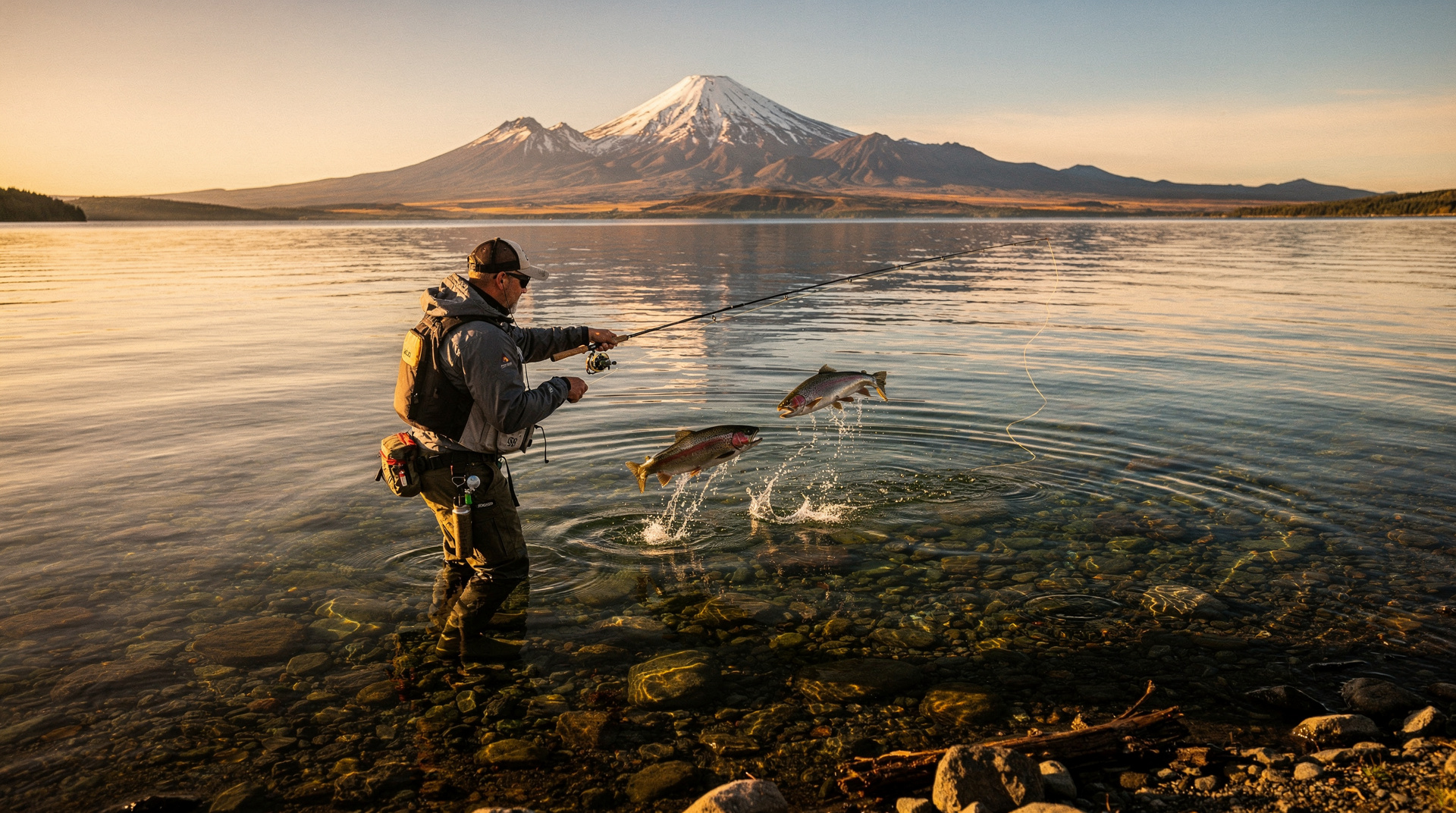
Taupo
Honest Taupo guide: Huka Falls jet boat, tandem skydive, Lake Taupo Maori rock carvings, Tongariro access, real prices NZD/USD/EUR.
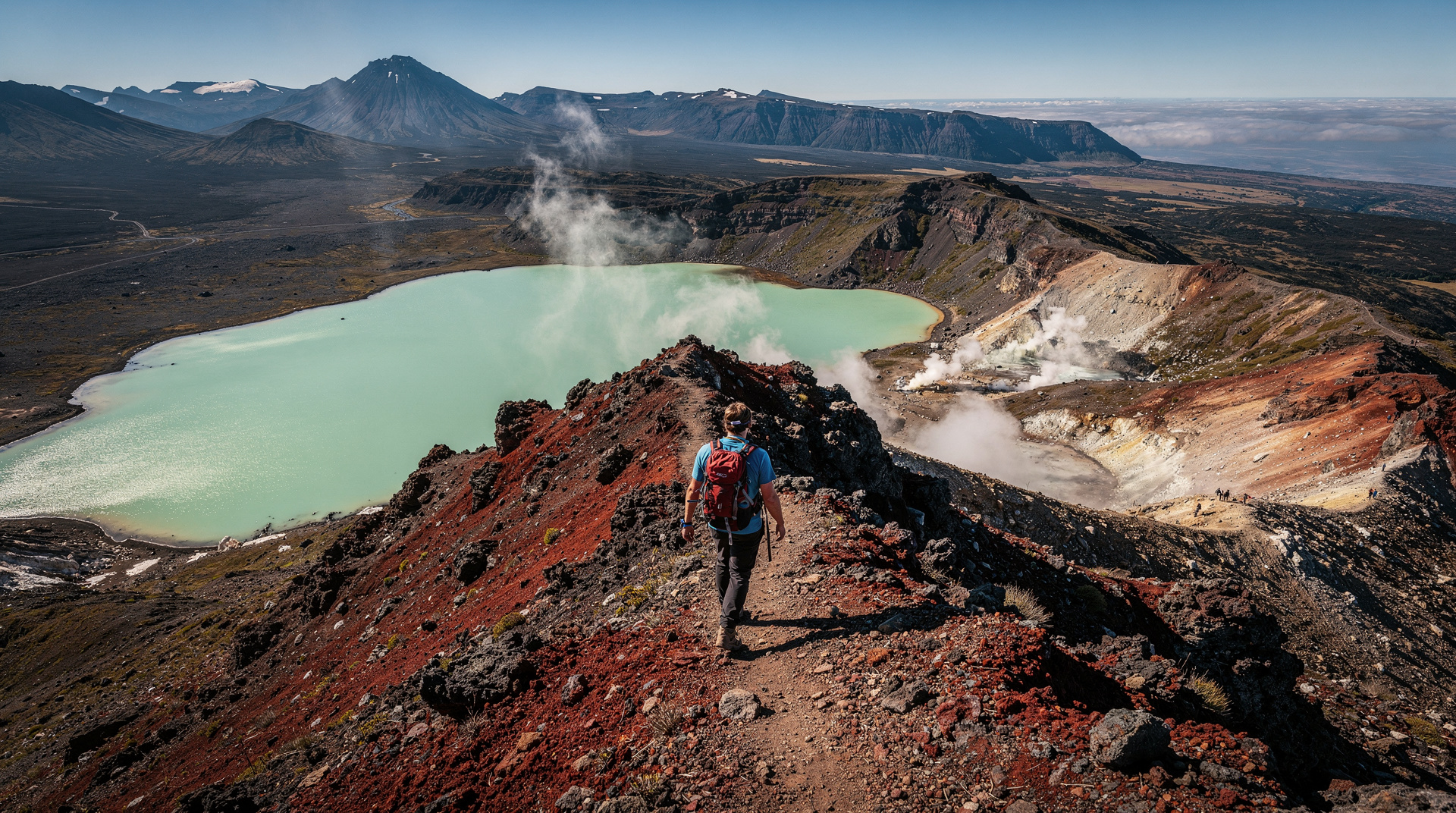
Tongariro Alpine Crossing
Honest Tongariro Crossing guide: 19.4km, 7-9 hours, shuttle logistics, gear, and why winter without a guide has killed people.
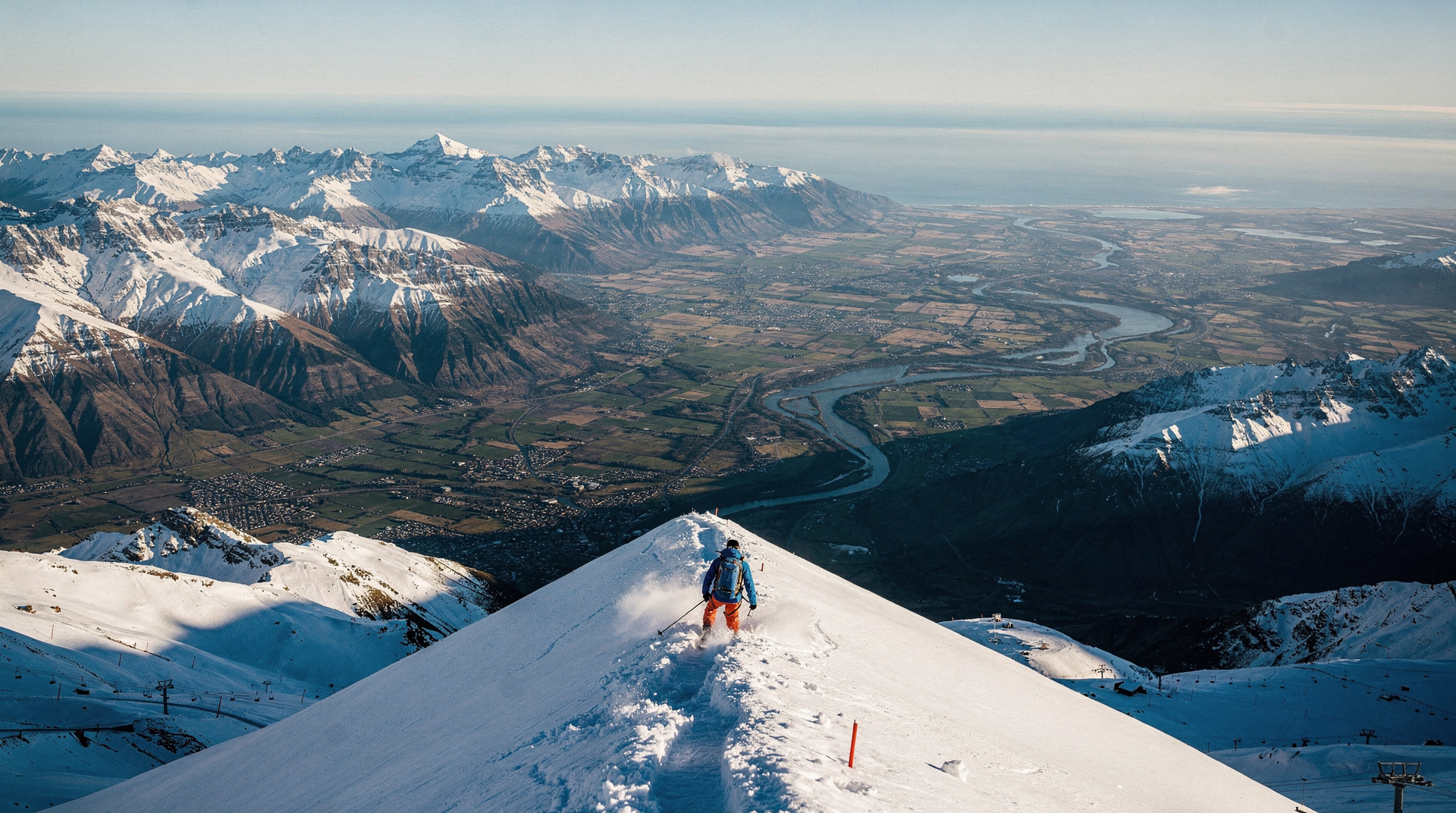
Skiing Mt Hutt — Canterbury's best-kept ski secret
Mt Hutt ski guide: 90 minutes from Christchurch, 672m vertical, NZ's longest season. Day pass prices NZD/USD/EUR and comparison with Queenstown fields.
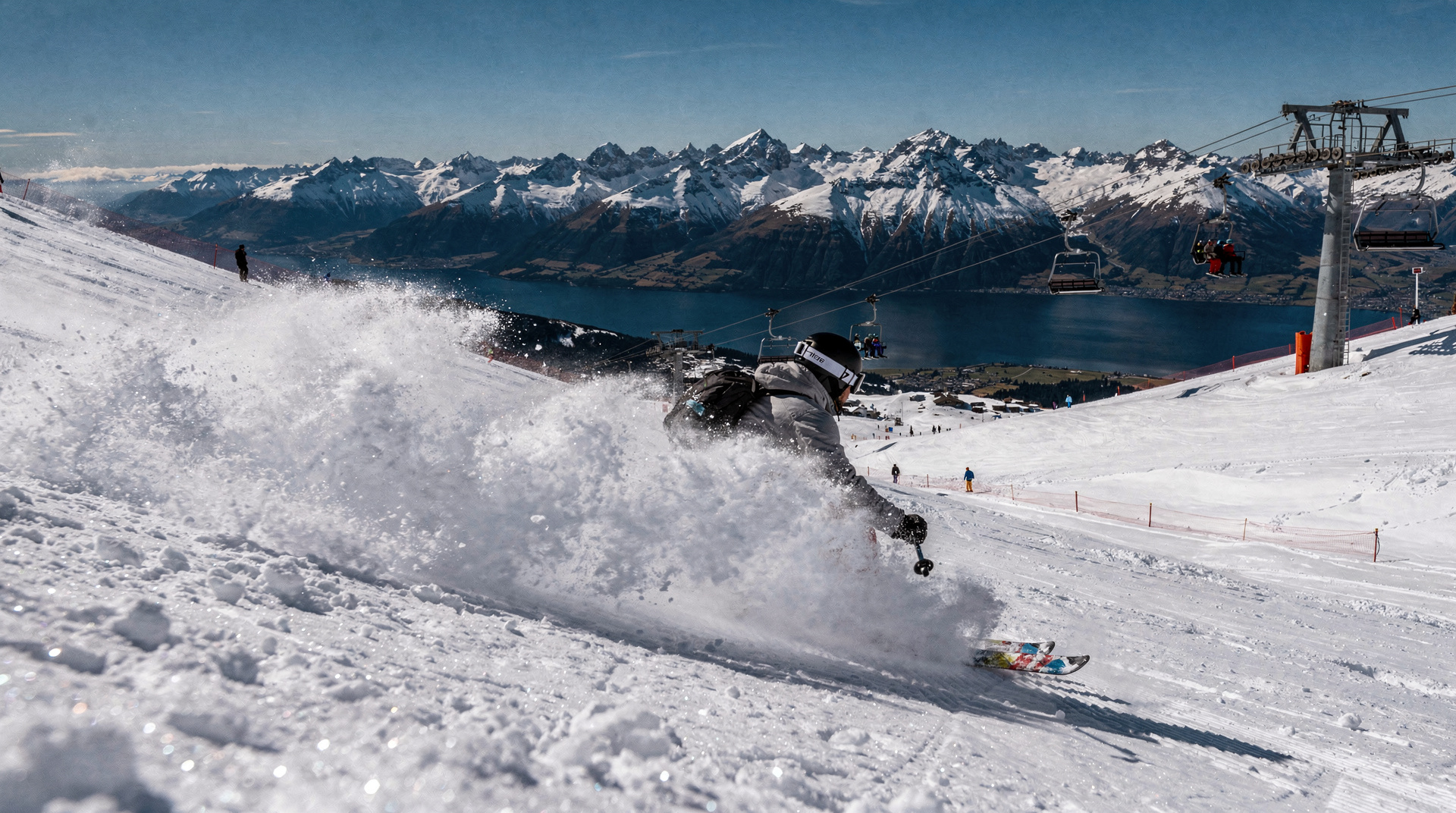
Skiing Coronet Peak — Queenstown's closest ski field
Coronet Peak ski guide: 23 km from Queenstown, night skiing, groomed runs. Day pass prices NZD/USD/EUR and honest comparison with The Remarkables.
Last reviewed: