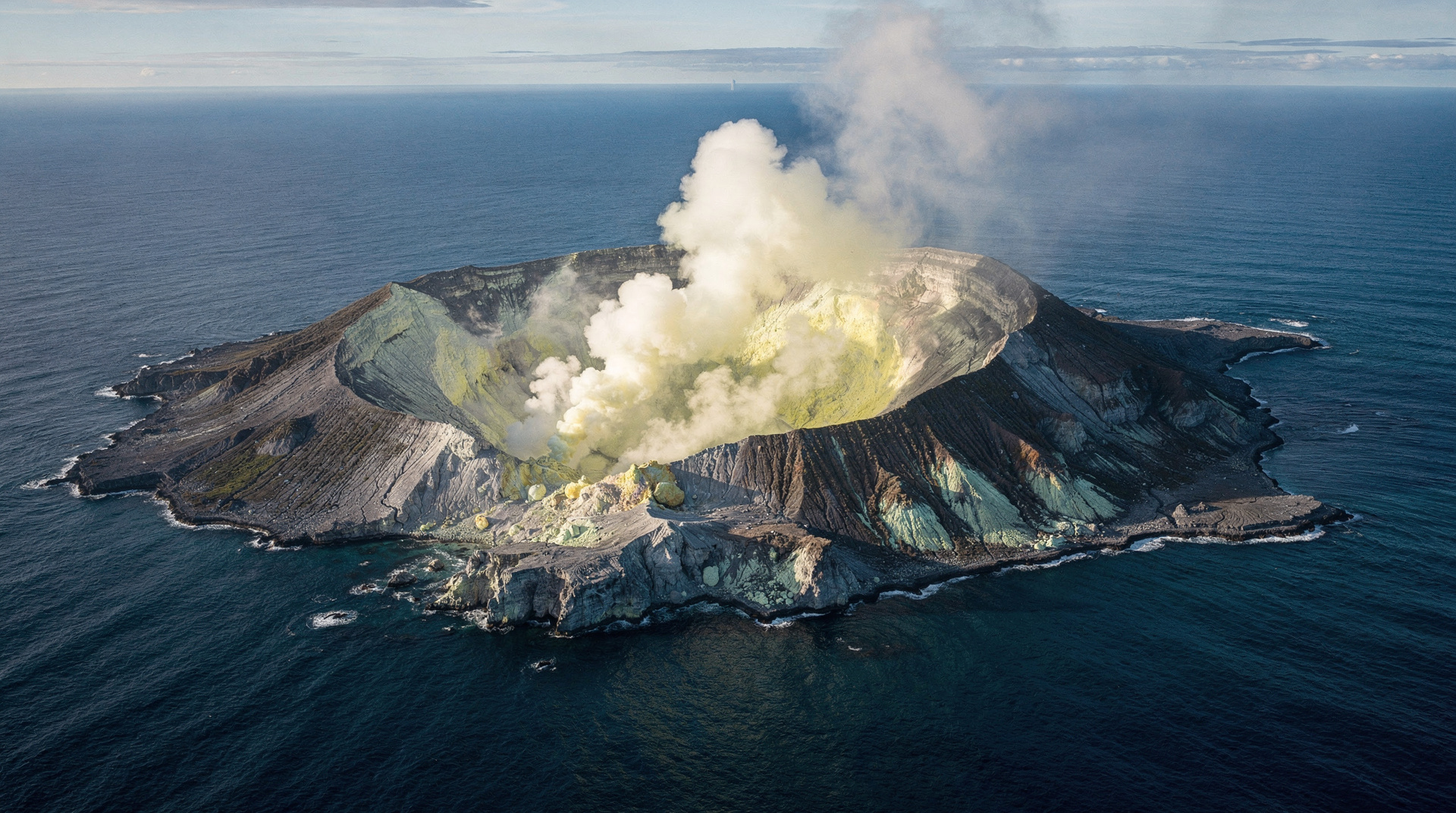
Whakaari/White Island — what visitors should know after the 2019 eruption
Can visitors still visit Whakaari/White Island after the 2019 eruption?
No commercial tours have operated to the island since the 9 December 2019 eruption, which killed 22 people. As of 2026, court proceedings from the disaster are ongoing and no commercial access to the island has been restored. The volcanic island remains active and hazardous. This guide explains the context and Bay of Plenty alternatives for visitors in the region.
| Access status | No commercial tours since 9 December 2019 |
| What’s still possible | Scenic flights over (not landing on) the island, where operating |
| Nearby alternatives | Rotorua geothermal areas, Tongariro Alpine Crossing |
| Getting there | Whakatane, 75 min drive from Rotorua |
| Best time to check status | Before travel, via GeoNet and local operators directly |
What happened on 9 December 2019
At 2:11pm on 9 December 2019, Whakaari/White Island erupted without warning. 47 people were on the island at the time — tourists on a commercial guided tour from the mainland, their guides, and a pilot. The eruption column rose 3.5 kilometres. Pyroclastic material, toxic gas, and ash covered the crater area instantly.
22 people died from the eruption and its immediate aftermath. 25 people survived, though many of the survivors sustained severe burns covering large portions of their bodies. The survivors were evacuated by helicopter — in some cases by private tour helicopter pilots and by a tourist cruise ship that turned back toward the island when the eruption was observed.
The eruption occurred at the lowest volcanic alert level that had been publicly declared — Alert Level 1 (minor unrest). Whakaari was producing elevated amounts of sulphur dioxide and had elevated temperatures in the crater lake, but these were within the range that had previously been considered manageable for commercial visits. The eruption itself was a sudden phreatic (steam-driven) event triggered by the interaction of magma and the crater lake water, of a type that cannot be reliably predicted with existing monitoring technology.
The legal and regulatory aftermath
In 2023-2024, multiple parties faced prosecution. Whakatane District Council, the NZ Crown, and tour operators faced criminal charges under the Health and Safety at Work Act. The case involved extensive hearings about what monitoring data was available, whether the risk had been adequately assessed, and who bore legal responsibility for conducting tours to an active volcano at Level 1 alert status.
As of April 2026, the legal proceedings arising from the 2019 eruption are ongoing. This guide does not take a position on the legal questions, which are a matter of courts and parties. Visitors who want detailed information about the proceedings can find public reporting in New Zealand media.
The island’s status in 2026
Whakaari/White Island is privately owned by the Buttle family (it has been in private ownership since the early 20th century). GeoNet (New Zealand’s geological hazard monitoring agency) continues to monitor the volcanic activity. The island’s volcanic alert level fluctuates — it has been at Levels 1 and 2 at various points since 2019.
No commercial tours operate to the island as of April 2026. The island remains active — it is one of New Zealand’s most continuously active volcanoes. The question of whether commercial visits will be permitted again in the future is unresolved as of this writing. Visitors should check GeoNet (geonet.org.nz) for the current volcanic alert level and any official announcements about access status.
This guide does not provide links to White Island tour operators or helicopter access. The promotion of tours to the island, which were suspended following the deaths of 22 people, would be inappropriate while the legal proceedings are ongoing and access has not been officially restored.
Aerial observation: what exists
Scenic flights over Whakaari/White Island from the mainland (a 50-minute flight from Whakatane to circle the island at safe altitude, without landing) were operating at certain points following the 2019 eruption. These flights allow observation of the crater, the ongoing fumarolic activity, and the dramatic island profile from a safe elevation.
Whether this option is currently available, suspended, or operating in a modified form depends on the volcanic alert level and the decisions of individual operators. Check with Whakatane-based helicopter operators directly for current status. Flying over (not landing on) the island at appropriate altitude is a different risk category from the ground tours that resulted in the 2019 deaths.
Whakatane and the Bay of Plenty: alternatives
For visitors who are in the Whakatane area or planning a Bay of Plenty itinerary:
Whakatane itself is a pleasant seaside town with good beaches, a marina, and a helpful visitor centre that can provide up-to-date information about Bay of Plenty activities. The Ohope Beach (5 minutes from Whakatane) is one of the finest beaches in the North Island — long, sandy, north-facing, and typically uncrowded compared to the Auckland beaches.
The Whale Island (Motuhora) scenic reserve: Another island off the Whakatane coast — accessible by kayak or charter from Whakatane in season. Whale Island is a wildlife reserve with breeding seabirds, variable weather access, and a historic pa site (fortified Maori village). Very different from Whakaari but a worthwhile Bay of Plenty island alternative.
Rotorua’s geothermal experiences: For visitors interested in active volcanic geothermal terrain, Rotorua (75 minutes drive inland from Whakatane) provides extensive accessible geothermal experiences — Wai-O-Tapu, Waimangu Volcanic Valley, the Whakarewarewa Thermal Village — that are safe, well-managed, and visually dramatic. These are the recommended alternatives for visitors interested in New Zealand’s volcanic character.
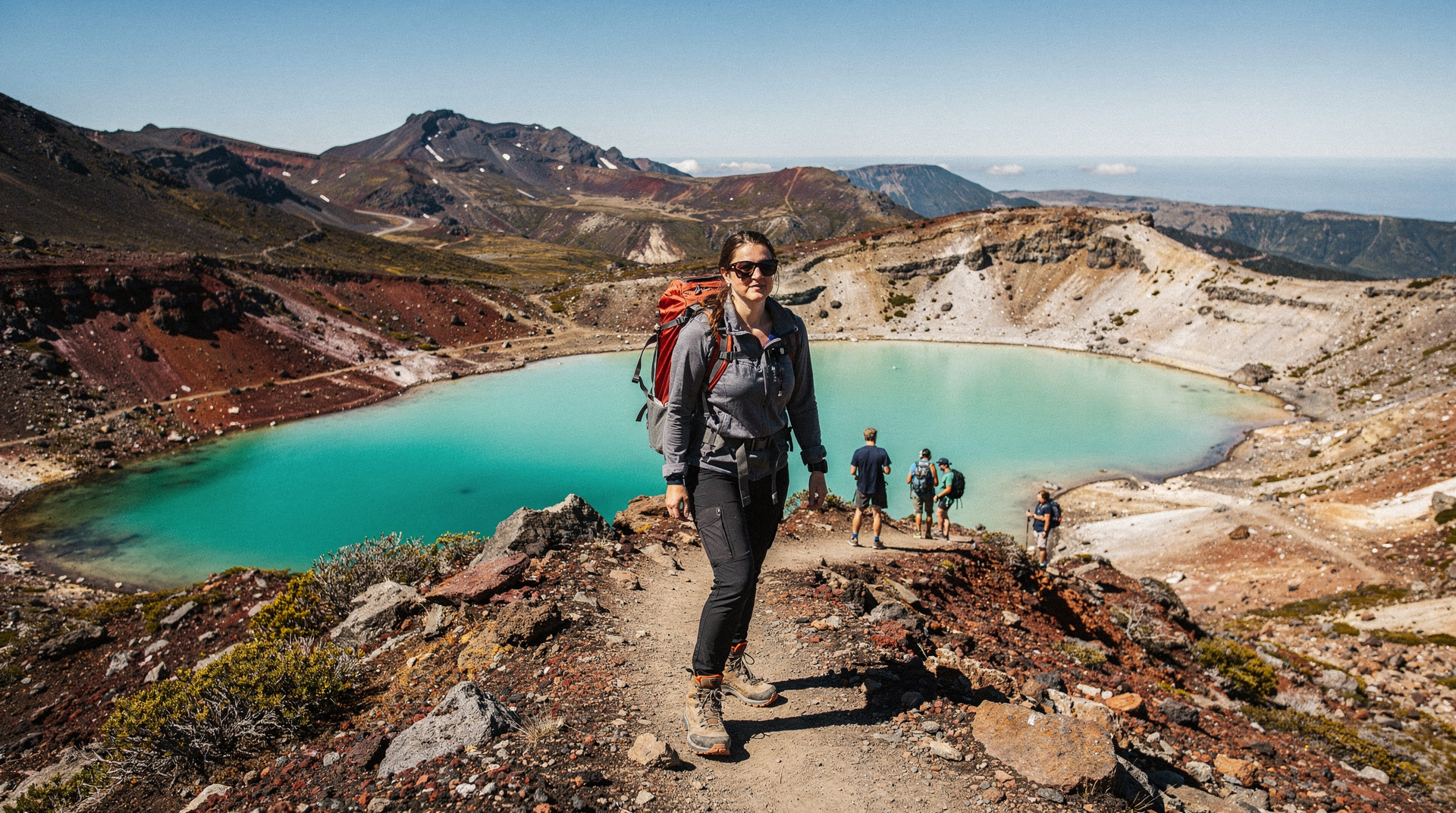
The Tongariro Alpine Crossing: The most dramatic volcanic landscape accessible in New Zealand — a full-day walk through the Tongariro National Park active volcanic zone (South Crater, Red Crater, Emerald Lakes, Mt Tongariro’s flanks). See the Tongariro Alpine Crossing guide for planning details. This is a legitimate and accessible way to experience New Zealand’s volcanic geology directly without the hazard profile of Whakaari.
Kaimai-Mamaku Forest Park: Inland from Tauranga and Whakatane, the Kaimai-Mamaku offers tramping, waterfalls (McLaren Falls), and native forest without any volcano-specific hazard. Less dramatic than the volcanic sites but excellent for hiking.
Planning around New Zealand’s active geology
Whakaari is the most extreme example, but it’s not the only place in New Zealand where accessible landscape and genuine hazard coexist. If you’re building an itinerary that includes volcanic or alpine terrain — Tongariro, Franz Josef and Fox glaciers, or geothermal areas generally — it’s worth reading the general driving in New Zealand and is New Zealand safe guides before you go, both of which cover how New Zealand’s outdoor culture balances access with risk.
For visitors planning their first trip and wondering how much time to allow around Rotorua and the Bay of Plenty, first-time New Zealand has broader itinerary context — Rotorua’s geothermal sites and the Tongariro Crossing both fit comfortably into a North Island loop that no longer includes Whakaari.
A note on how New Zealand thinks about this event
The Whakaari eruption was the deadliest incident involving tourists in New Zealand in recent decades, and its effects on New Zealand’s adventure tourism culture — historically characterised by risk acceptance and personal responsibility — have been significant. The debate within New Zealand about the appropriate risk framework for adventure tourism, and about how to balance the value of accessible natural experiences with the duty of care owed to visitors, continues.
For international visitors, the event is a reminder that New Zealand’s dramatic volcanic and alpine landscape carries real physical hazards that are not always predictable. This is true at Tongariro (the Alpine Crossing crosses an active volcanic plateau), at Franz Josef and Fox Glaciers (where ice instability led to the closure of valley-floor glacier walks), and at multiple other New Zealand sites where accessible but genuinely dangerous terrain is part of the appeal.
The appropriate visitor response is not avoidance of outdoor New Zealand, but engagement with it through properly guided and appropriately risk-assessed experiences. All of the New Zealand outdoor activities recommended on this site have been selected because they have current, legitimate, safety-assessed operations that reflect the best available risk management for their terrain type.
Frequently asked questions
Will commercial tours to Whakaari/White Island ever resume?
This is uncertain. It depends on the outcomes of the ongoing legal proceedings, the volcanic monitoring data, any regulatory changes to adventure tourism oversight in New Zealand, and the decisions of the island’s private owners and tour operators. There is no confirmed timeline as of April 2026. Visitors interested in the island’s future status should monitor New Zealand media and GeoNet.
Was Whakaari/White Island considered safe before the 2019 eruption?
It was operating at the lowest volcanic alert level (Level 1, minor unrest) under a commercial tour framework that had been in place since the 1990s. The island had been erupting to varying degrees for most of its history; what made the 2019 event different was the sudden phreatic character of the eruption, the number of people on the island, and the lack of an adequate warning period for evacuation. The regulatory question of whether Level 1 was an appropriate threshold for allowing public access is part of the ongoing legal proceedings.
What is Whakaari’s current volcanic alert level?
Check GeoNet (geonet.org.nz/volcano/white-island) for the current volcanic alert level. Alert levels change based on seismic activity, gas emissions, and crater temperature. The current alert level as of any given date is not predictable in advance.
Is Rotorua’s geothermal area safe to visit?
Yes. The managed geothermal areas at Rotorua (Te Puia, Wai-O-Tapu, Waimangu, Whakarewarewa) are extensively monitored, have established safety boundaries and boardwalk systems, and have operated safely for decades. The hazard profile of managed geothermal parks with enforced path boundaries is completely different from an active volcano island without reliable eruption prediction. Rotorua’s geothermal sites are among the most visited and well-managed in the world.
Related guides
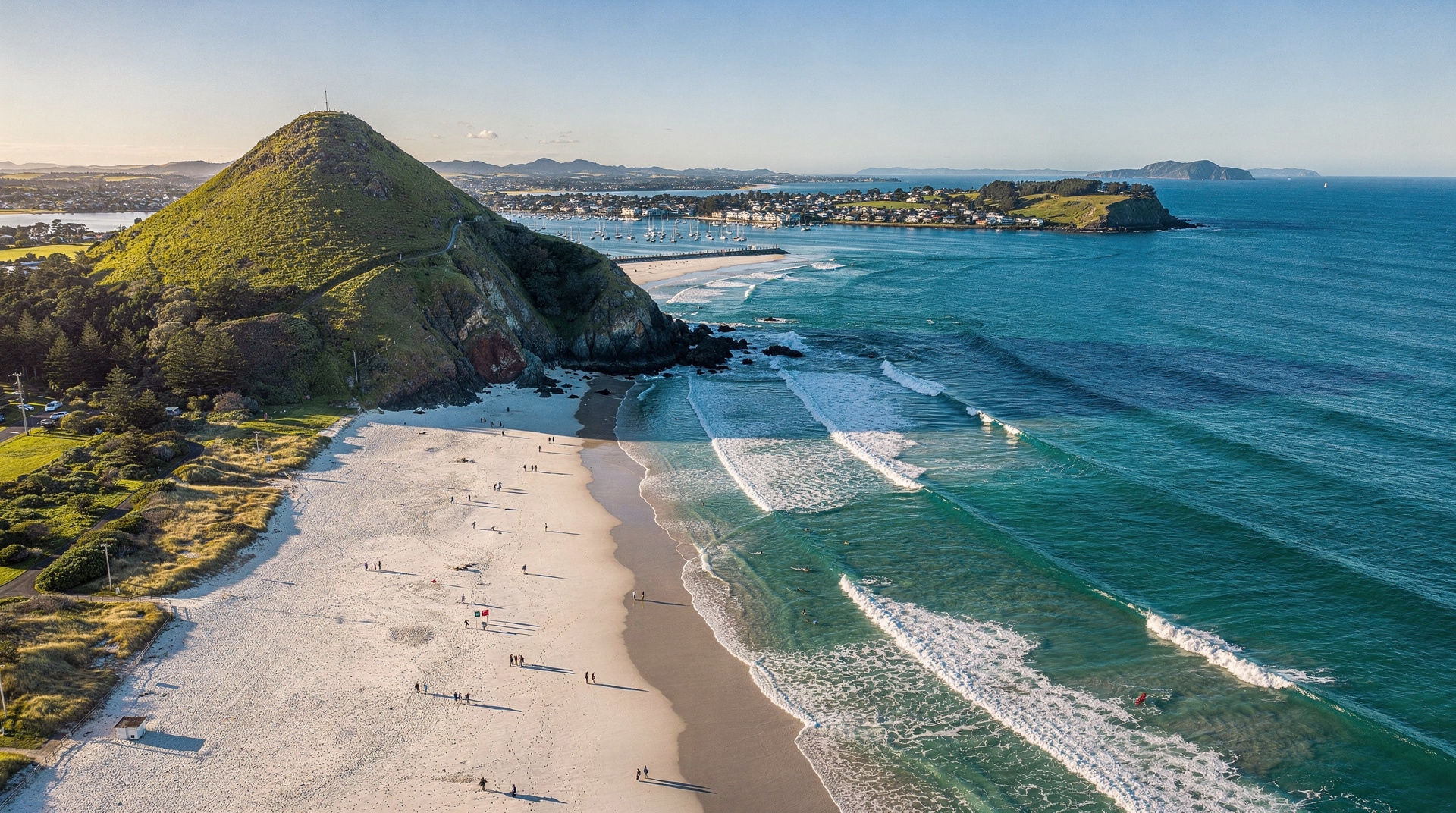
Bay of Plenty
Bay of Plenty region guide: Tauranga, Mount Maunganui surf, Whakatane, Whakaari/White Island eruption facts. Real NZD/USD/EUR costs, honest verdicts.
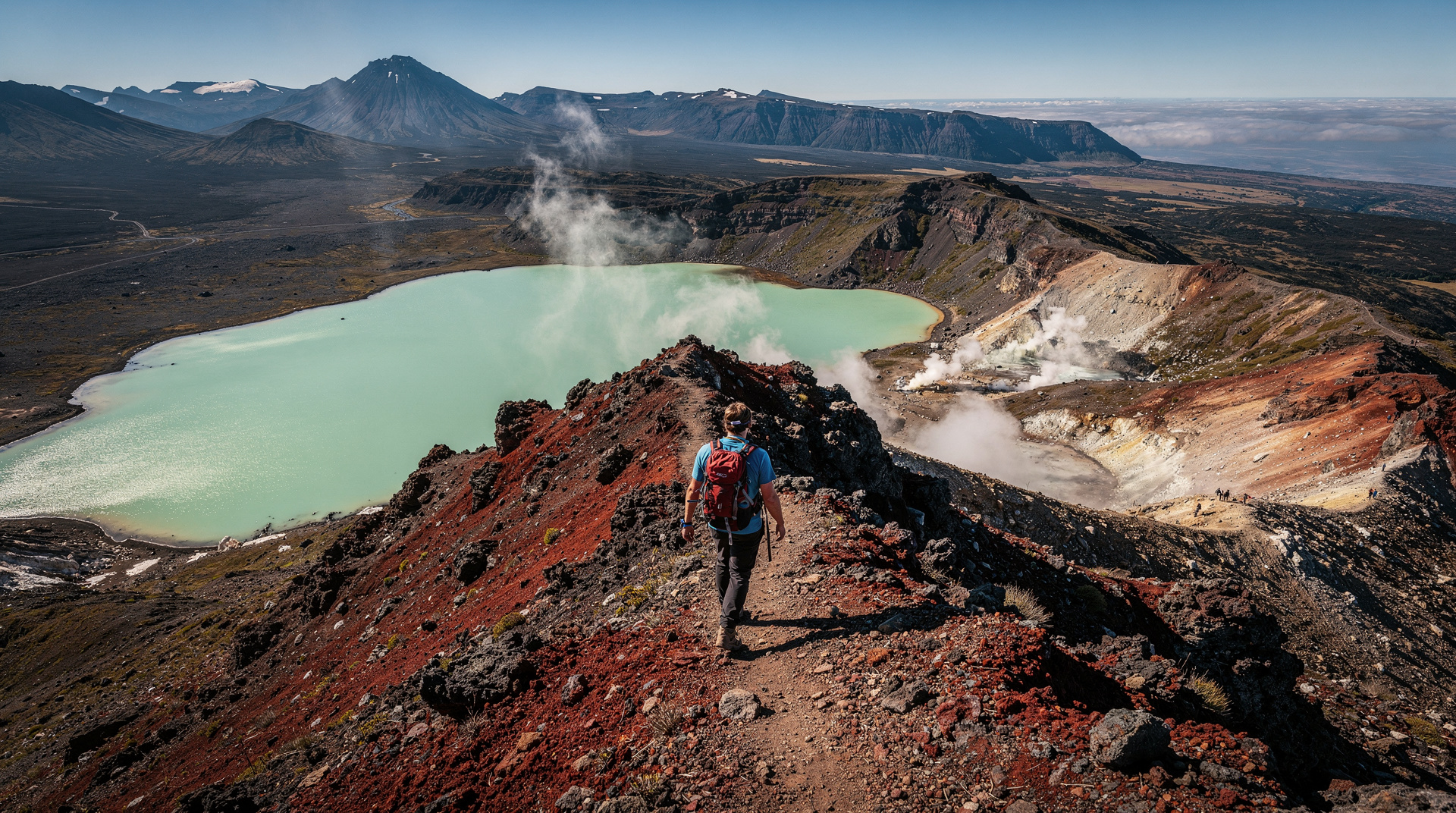
Tongariro Alpine Crossing
Honest Tongariro Crossing guide: 19.4km, 7-9 hours, shuttle logistics, gear, and why winter without a guide has killed people.
New Zealand in February
February is NZ's best month: warm summer, post-holiday crowds thinning, wine harvest starting. Real prices in NZD/USD/EUR and what to book ahead.
Driving in New Zealand
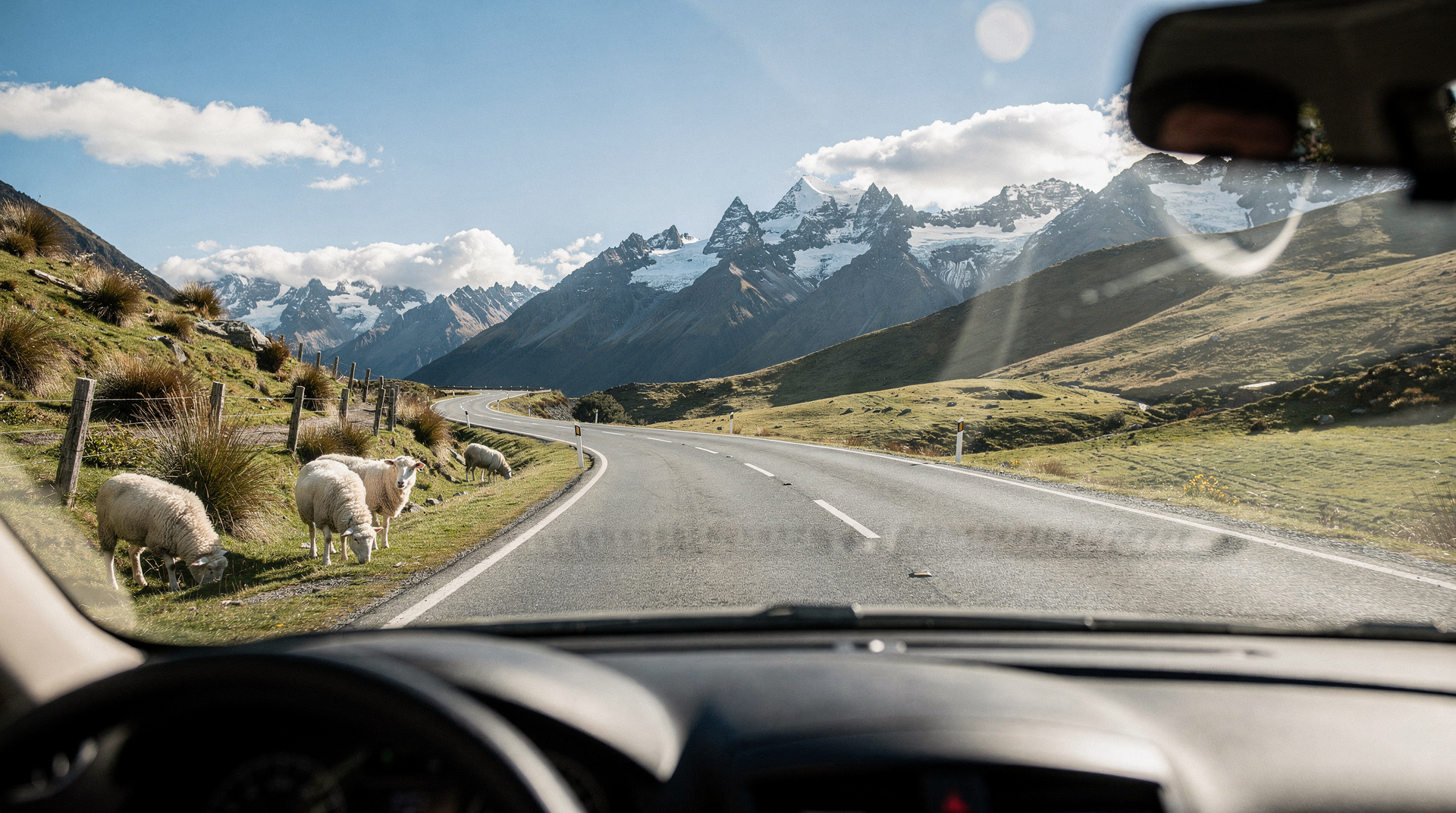
Honest driving guide for NZ: left-side rules, gravel road etiquette, why GPS lies, fuel costs, one-lane bridges, and what rental companies don't tell you.

First time in New Zealand
Complete first-timer's guide to NZ: costs, logistics, Maori culture, what to book early, and how to structure 7–21 days.
Is New Zealand safe
Honest safety guide to New Zealand: crime rates, road safety, natural hazards, ocean swimming, wilderness risks, and how safe NZ actually is for tourists.
Last reviewed: