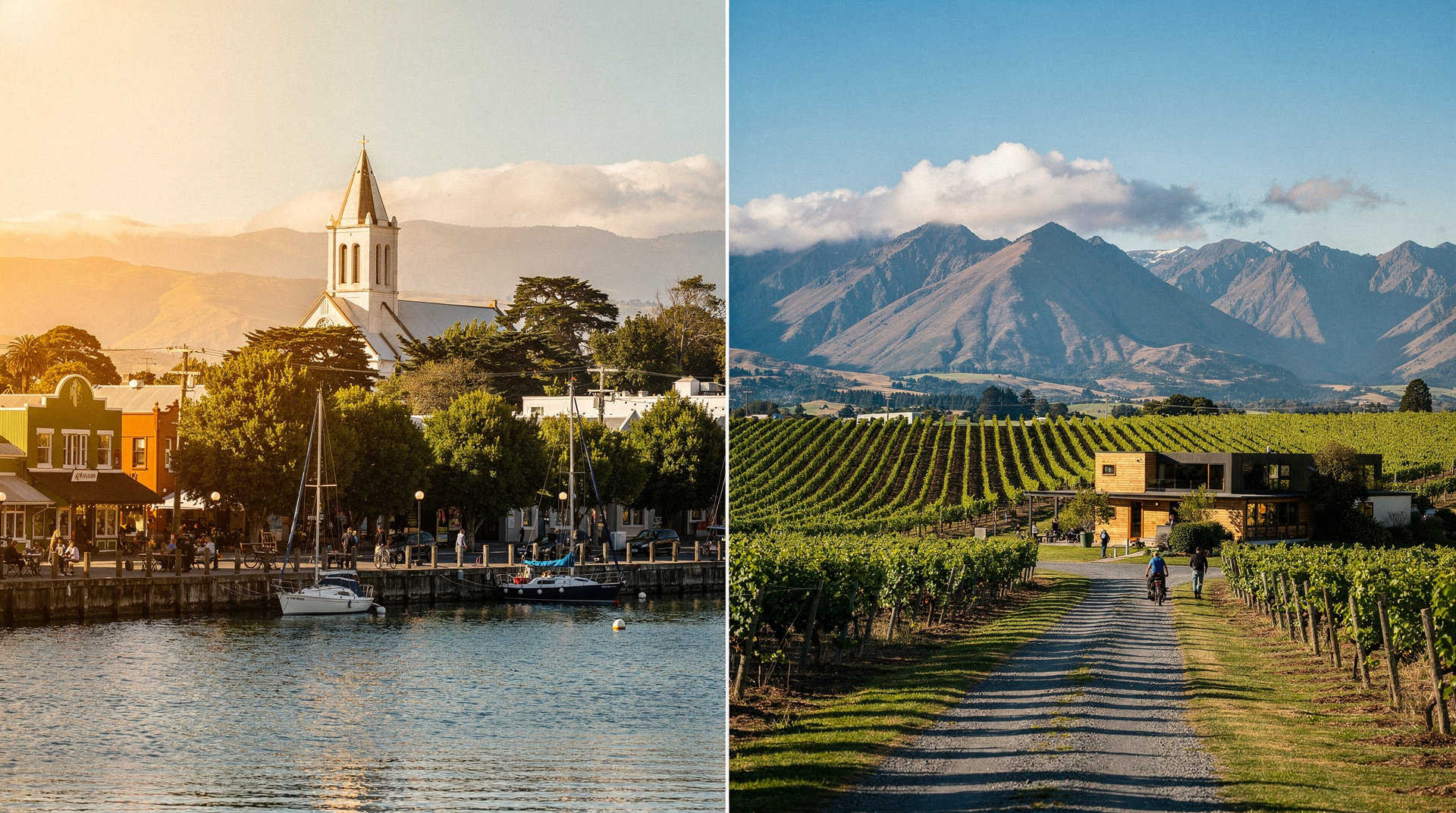
Nelson vs Marlborough
Should I visit Nelson or Marlborough first?
Marlborough if wine and the ferry from Wellington is your route. Nelson if you want Abel Tasman, golden beaches, arts, and New Zealand's sunniest city. They're 115 km apart and most South Island itineraries via the north include both. Marlborough is a transit hub; Nelson is a destination.
The honest verdict
Marlborough and Nelson are adjacent regions on the northern South Island, and they’re usually compared because travelers arriving from Wellington via the Interislander ferry land in Picton (Marlborough) and must decide whether to head to Blenheim or Nelson.
Marlborough is the wine region — it produces 75% of New Zealand’s wine, dominated by Sauvignon Blanc so distinctive that it created an international style category. Blenheim and the Wairau Valley are the wine tourism hub. The Marlborough Sounds (the complex drowned-valley coastline around Picton) are beautiful for cruising and kayaking.
Nelson is the lifestyle city — New Zealand’s sunniest city, gateway to Abel Tasman National Park, with an arts scene (Wearable Art Awards, Suter Art Gallery, Nelson School of Music), a craft beer culture, and a food scene built on Nelson hop production (New Zealand’s only commercial hop growing region).
Both regions are worth visiting. Marlborough is often quick — 2 days for wine and the Sounds — and Nelson typically rewards 3+ days when paired with Abel Tasman. If you’re arriving from Wellington, our Cook Strait ferry guide covers the Interislander/Bluebridge crossing that lands you in Picton to start this comparison.
Side-by-side comparison
| Dimension | Nelson | Marlborough |
|---|---|---|
| Population | ~55,000 | ~50,000 (Blenheim) |
| Best known for | Abel Tasman, sunshine, arts | Sauvignon Blanc, Marlborough Sounds |
| Wine | Limited (small Nelson wine region) | Dominant — 75% of NZ wine output |
| National parks | Abel Tasman, Kahurangi | Marlborough Sounds (not a national park — an MHPA) |
| Beaches | Golden Bay, Mapua, Nelson waterfront | Marlborough Sounds (sheltered) |
| Distance from Picton | 115 km (1.5h) | 30 km (25 min) |
| Ferry from Wellington | Not direct | Direct — Picton is the Interislander terminal |
| Avg mid-range hotel | NZD 160–280 / USD 96–168 / EUR 88–154 | NZD 150–250 / USD 90–150 / EUR 83–138 |
| Brewery scene | Nelson hops — good craft beer | Smaller craft scene |
| Best wine experience | Nelson region (Neudorf, Mahana) | Marlborough wine tours (Cloudy Bay, Brancott) |
| Best natural experience | Abel Tasman coast | Marlborough Sounds boat cruise |
| Day trips | Abel Tasman, Golden Bay, Kahurangi | Marlborough Sounds, Kaikoura (2h north), Nelson |
When Nelson wins
Abel Tasman is your priority. The golden-sand beaches and turquoise water of Abel Tasman National Park are accessible only from the Nelson-Tasman side. Kaikoura is in the other direction. Nelson is the natural base for everything Abel Tasman offers — full-day kayak, seals and cruise experience departs from the Nelson area.
You want New Zealand’s sunniest city. Nelson averages 2,400 hours of sunshine annually — more than anywhere else in New Zealand. This is not marketing; it’s measurable, and it makes a difference to outdoor experiences. The warmth in the Nelson region in summer (January–February) is exceptional.
You want arts and crafts. Nelson’s arts community is disproportionately large for a city its size — ceramics, glass, sculpture, jewellery, and the annual World of Wearable Art Awards show. The Nelmac Garden and the Suter Art Gallery give it a cultural density that Blenheim cannot match.
You want national parks beyond Abel Tasman. Nelson is also the gateway to Kahurangi National Park, New Zealand’s second-largest — see Abel Tasman vs Kahurangi if you’re deciding between the two for a multi-day walk.
You want craft beer. New Zealand’s hop growing happens in the Nelson-Tasman region — the Wakatu/Waimea Plains near Nelson produce the hops that go into most New Zealand craft beers. Nelson wine tour with tastings and lunch includes both hop farm visits and winery stops in the Nelson region.
You’re heading to the West Coast. Nelson is the gateway to the Buller Gorge, Murchison, and the West Coast highway south toward Greymouth and the glaciers. If your South Island routing is Nelson → West Coast → Queenstown, Nelson is your starting node.
When Marlborough wins
You’re arriving from Wellington by ferry. The Interislander and Bluebridge both terminate at Picton, which is 25 minutes from Blenheim — the centre of Marlborough wine country. Starting your South Island trip with a Marlborough wine experience is the natural sequence for this routing.
Sauvignon Blanc is the reason you’ve come to New Zealand. Marlborough Sauvignon Blanc (Cloudy Bay, Villa Maria, Brancott Estate, Wairau River) created an international style that redefined what Sauvignon Blanc could be — aromatic, fresh, and intensely fruit-driven in a way Sancerre or Pouilly-Fumé aren’t. The cellar doors are well-organised and accessible. Half-day Marlborough wine tour from Blenheim is the most efficient introduction.
The Marlborough Sounds are your thing. The Sounds (Pelorus Sound, Queen Charlotte Sound, Kenepuru Sound) are a drowned-valley coastline of extraordinary beauty — deep blue water, forested ridges, isolated holiday homes. Marlborough Sounds and Ship Cove cruise from Picton covers the historic Queen Charlotte Sound where Captain Cook anchored in 1770.
You want cycling through vineyards. Marlborough’s flat Wairau Valley makes it excellent for self-guided cycling between cellar doors. Full-day self-guided biking wine tour in Marlborough is a genuine alternative to winery buses — flat terrain, bike hire included.
You’re transit-focused. If your South Island routing goes Picton → Nelson → West Coast, Marlborough is a 1–2 night transit stop. Picton’s waterfront, the Sounds cruise, and a couple of cellar door visits are achievable in 24 hours.
Wine comparison in detail
Marlborough: 75% of New Zealand’s total wine production. Sauvignon Blanc is the dominant variety (reason the region exists commercially). Also producing excellent Pinot Noir (Wairau Valley is particularly good), Pinot Gris, and Riesling. The big names (Cloudy Bay, Villa Maria, Brancott, Wither Hills) have excellent cellar doors with structured tasting experiences. Over 150 wineries in the region.
Nelson: Smaller region, more boutique. Neudorf Vineyards (Pinot Noir, Chardonnay) and Mahana Estate are standouts. The wine tourism is less developed — visits are often more personal, often appointment-based. The Nelson region produces excellent whites (Riesling particularly) and increasingly good reds.
Both regions produce excellent wines. Marlborough wins on accessibility and scale; Nelson wins on boutique character.
Cost comparison (NZD + USD + EUR)
| Category | Nelson | Marlborough (Blenheim) |
|---|---|---|
| Budget hostel | NZD 32–50 / USD 19–30 / EUR 18–28 | NZD 28–45 / USD 17–27 / EUR 15–25 |
| Mid-range hotel | NZD 155–270 / USD 93–162 / EUR 85–149 | NZD 145–240 / USD 87–144 / EUR 80–132 |
| Winery tasting | NZD 10–25 / USD 6–15 / EUR 5.50–14 | NZD 5–20 / USD 3–12 / EUR 2.75–11 |
| Guided wine tour | NZD 80–130 / USD 48–78 / EUR 44–72 | NZD 60–110 / USD 36–66 / EUR 33–61 |
| Abel Tasman day trip | NZD 80–145 / USD 48–87 / EUR 44–80 | Not applicable |
Marlborough is marginally cheaper for accommodation. Nelson is slightly more expensive but offers more to justify staying longer.
A combined 4-day route, if you have time for both
| Day | Base | Focus |
|---|---|---|
| 1 | Picton/Blenheim | Ferry arrival, Marlborough Sounds cruise, first cellar doors |
| 2 | Blenheim → Nelson | Morning wine tasting, drive to Nelson (2h) |
| 3 | Nelson | Abel Tasman day trip (kayak/cruise) or Golden Bay |
| 4 | Nelson | Arts scene, Nelson wine region, onward to West Coast or Christchurch |
This is the most common way experienced South Island travellers sequence the two regions — front-load the wine in Marlborough, save Abel Tasman for a full unrushed day from Nelson.
Frequently asked questions
Do I need a car in both regions?
In Marlborough, a bike works well for the flat Wairau Valley wine route — it’s one of the few New Zealand wine regions where cycling is genuinely practical. Picton and Blenheim are connected by bus. For the Marlborough Sounds, you need a boat (cruises available from Picton) or water taxi.
In Nelson, a car is more useful — Abel Tasman’s starting point at Marahau is 60 km from Nelson, and Golden Bay is 1.5 hours. The city itself is walkable for the arts and café scene.
How long should I spend in each region?
Marlborough: 1–2 days is sufficient for a focused wine visit and Sounds cruise. 3 days if you’re doing the Queen Charlotte Track (a multi-day walk along the Sound).
Nelson: 2–3 days minimum to combine the city with an Abel Tasman day trip or overnight. 4–5 days if adding Golden Bay and Kahurangi.
Which is easier to reach from Wellington?
Marlborough — the Interislander ferry from Wellington terminates in Picton, which is in Marlborough. Nelson is an additional 1.5 hours drive from Picton.
Can I visit both regions without backtracking?
Yes — this is the standard routing for most northern South Island itineraries. Ferry into Picton, spend 1-2 days in Marlborough, then drive 1.5 hours to Nelson for 2-3 more days before continuing south to the West Coast or back through to Christchurch. No backtracking is required; both regions sit naturally along the same route.
Which region has better food and dining beyond wine?
Nelson, generally. Its café and restaurant scene benefits from the arts community and a younger demographic; Blenheim’s dining is more purely wine-tourism focused, with fewer standalone destination restaurants. If food variety matters beyond winery lunches, weight your nights toward Nelson.
Related comparisons and guides
Related guides
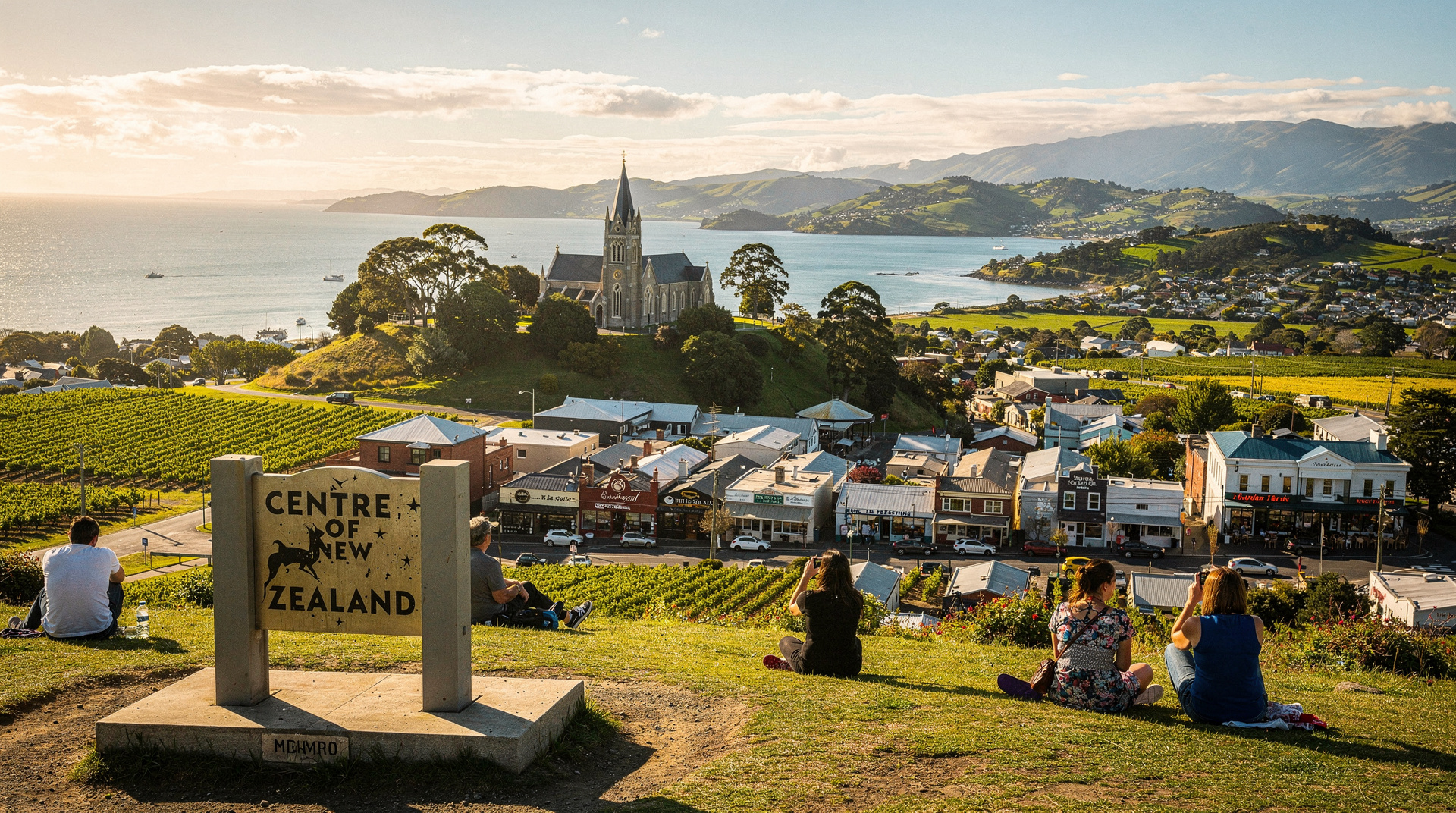
Nelson
Nelson: New Zealand's sunniest city, gateway to Abel Tasman, with a strong arts scene, wine and craft beer, and real costs NZD/USD/EUR.
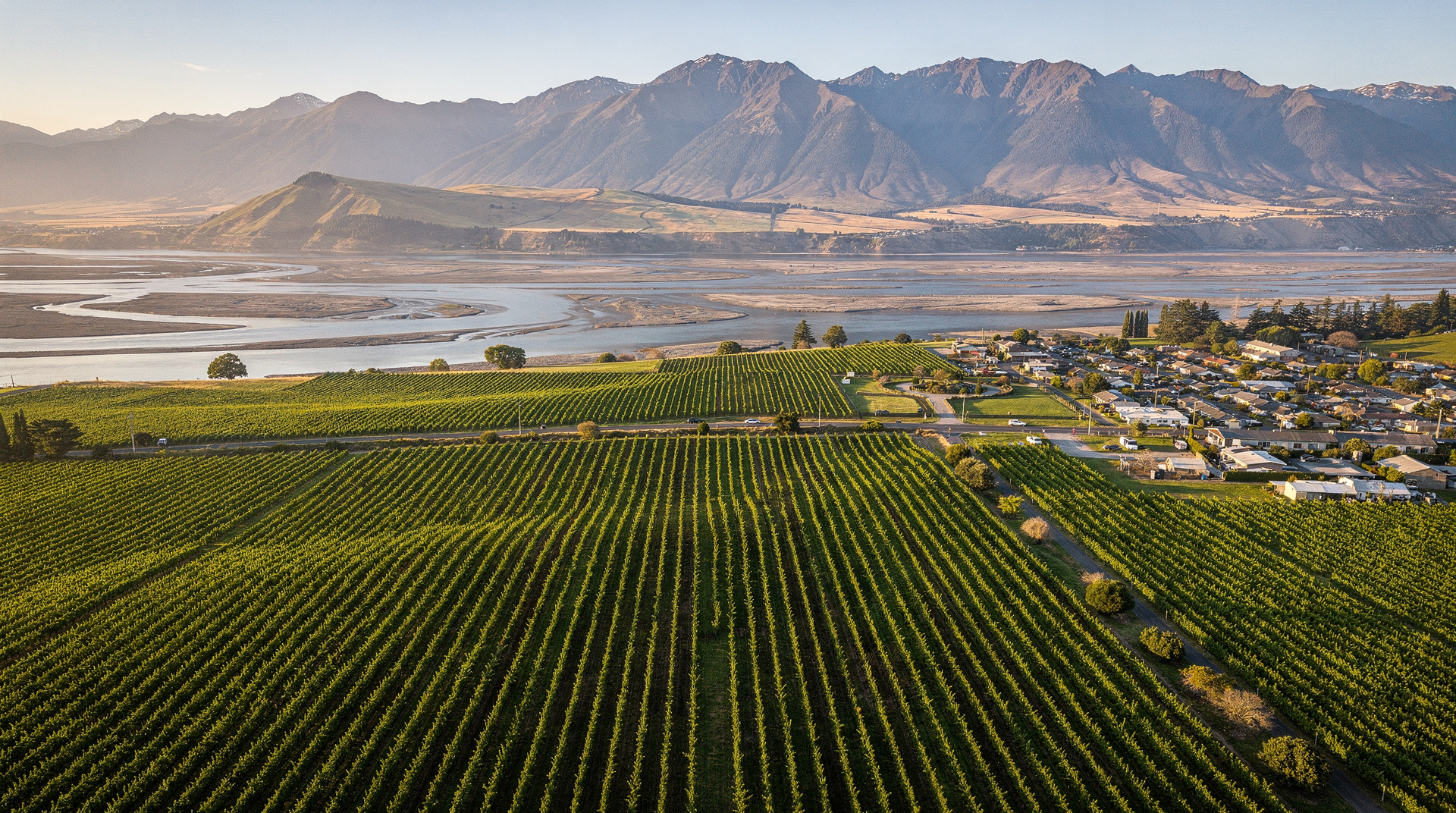
Marlborough
Honest Marlborough guide: Picton ferry gateway, Queen Charlotte Sound, Blenheim wineries, Havelock mussels. Real NZD/USD/EUR prices and practical logistics.
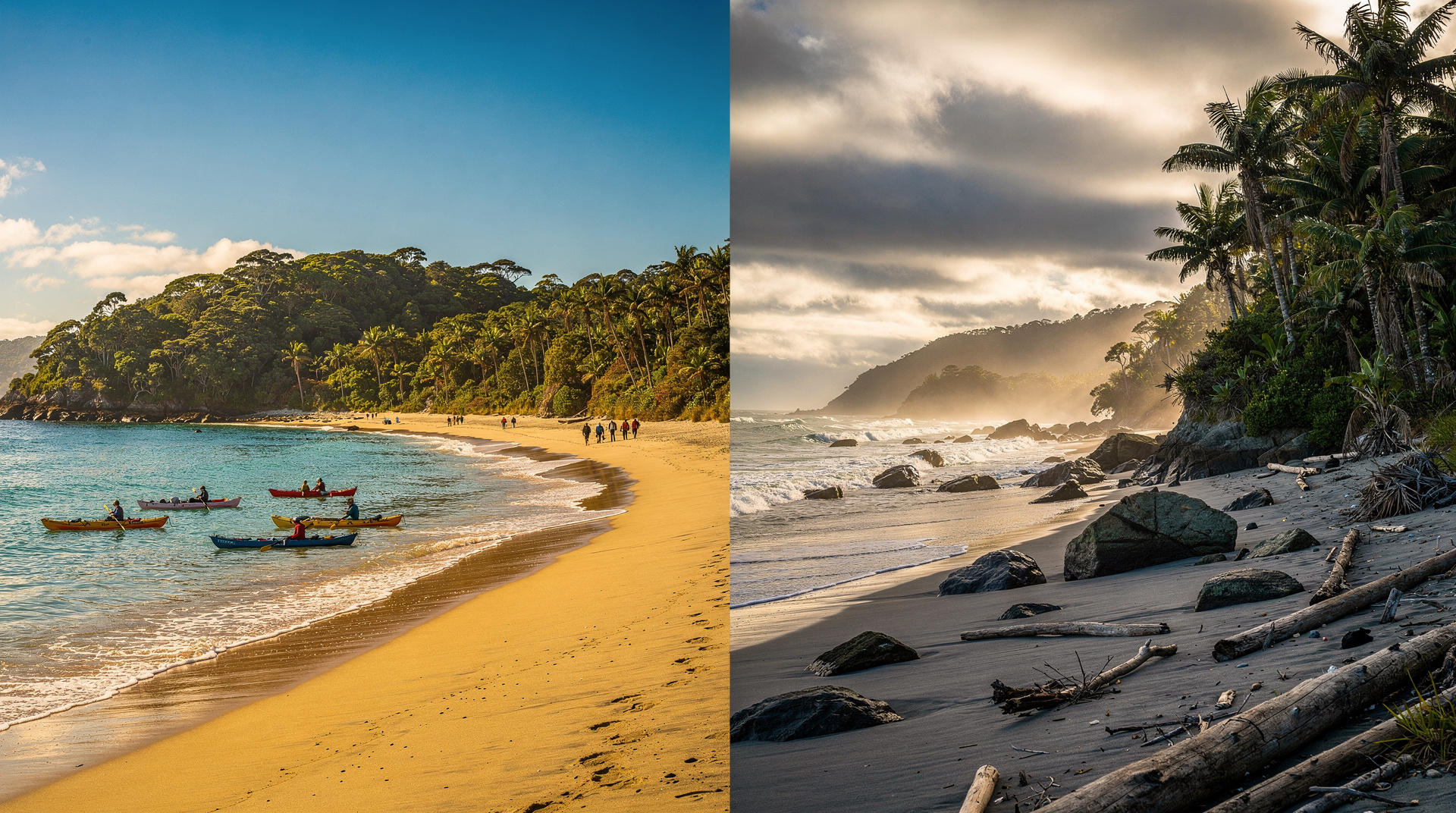
Abel Tasman vs Kahurangi National Park
Abel Tasman vs Kahurangi honest comparison: beaches, tracks, caves, access and cost. Clear verdict for walkers, kayakers and Great Walk planners. NZD/USD/EUR.
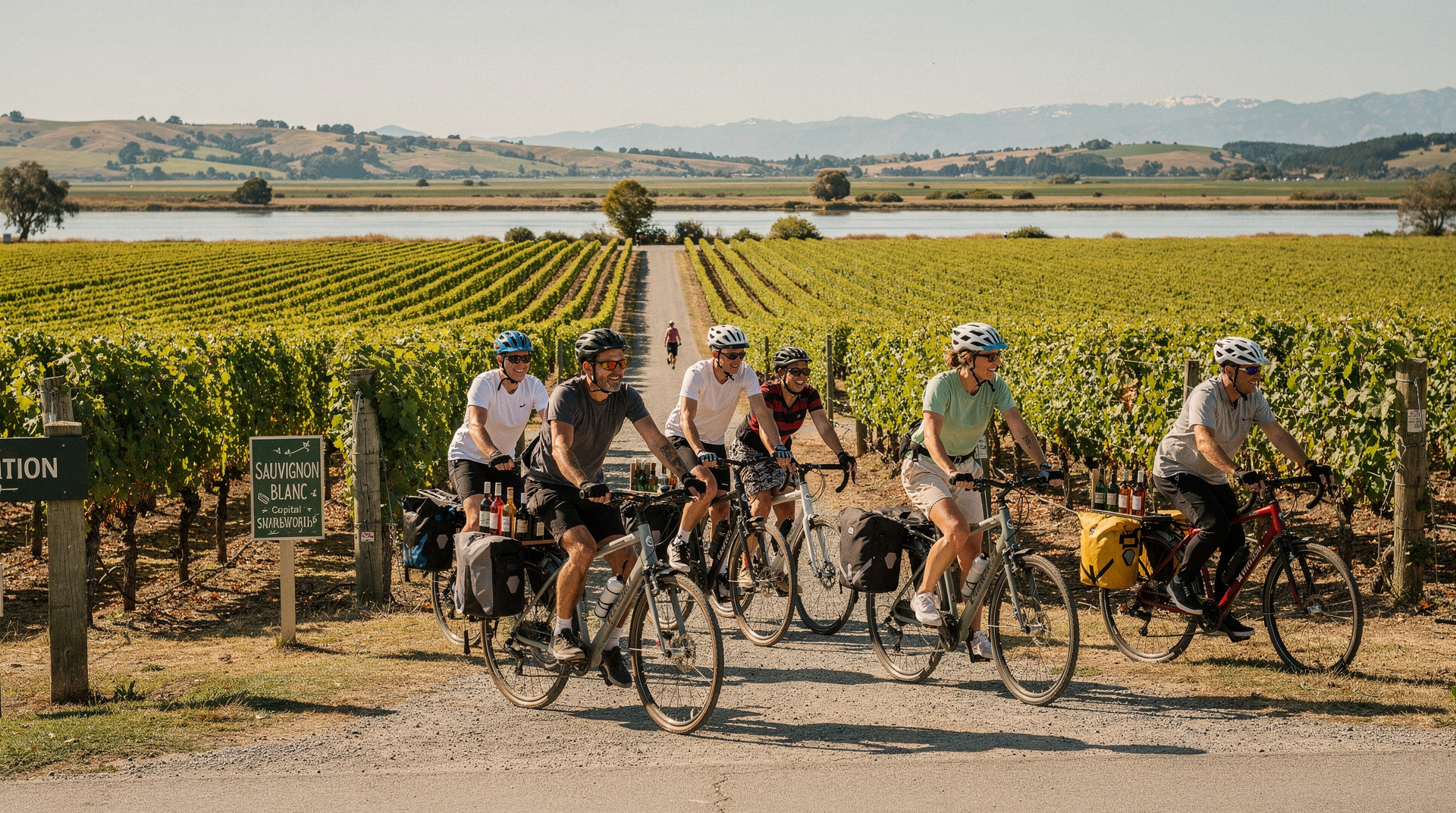
Marlborough wine tour guide
Marlborough produces 77% of NZ's wine. Self-drive routes, guided tours, top wineries around Blenheim — prices NZD/USD/EUR and drink-drive tips.
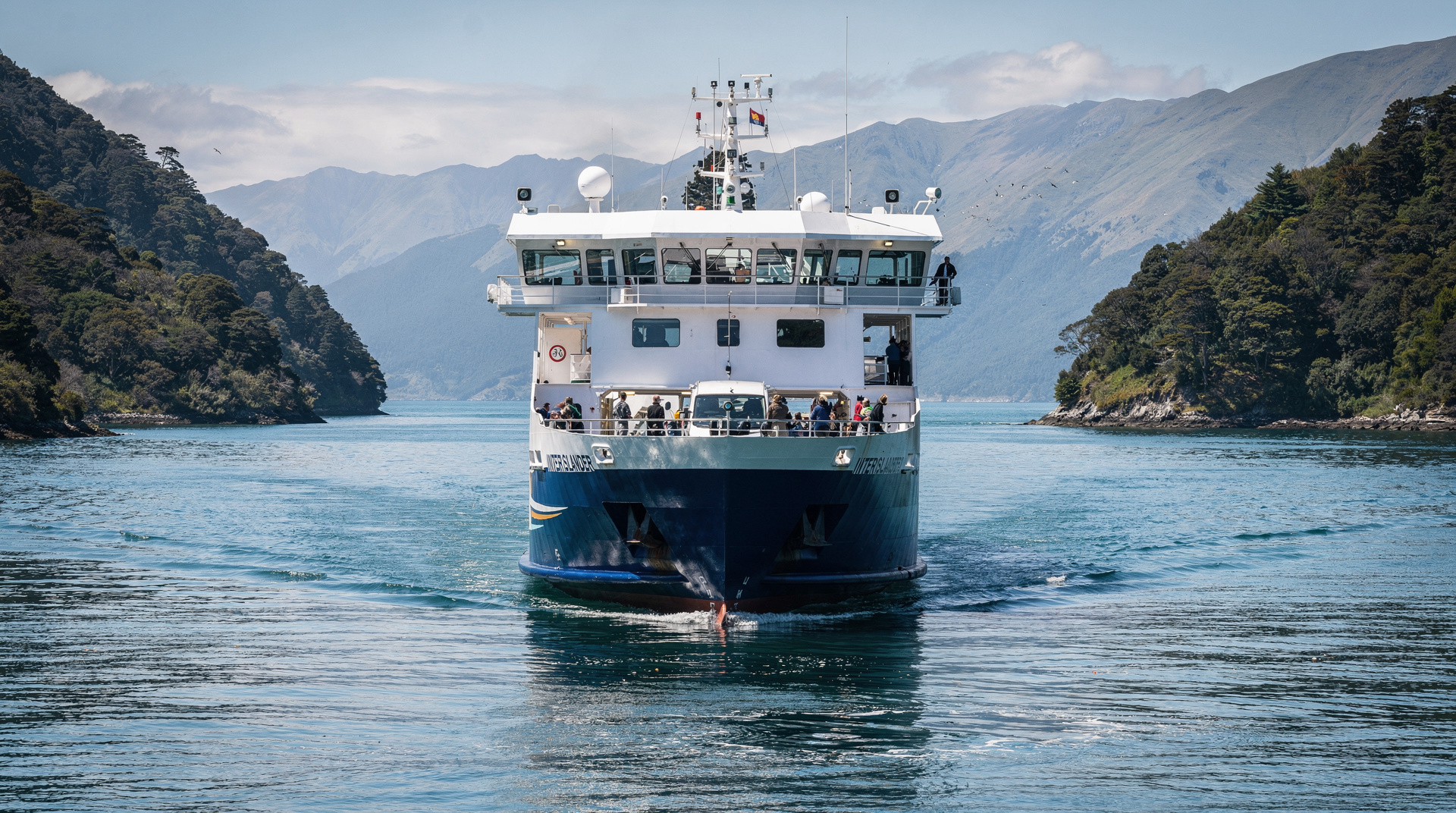
Cook Strait ferry guide
Complete Cook Strait ferry guide: Interislander vs Bluebridge, timetables, costs, booking tips, campervan advice, and the flying alternative.
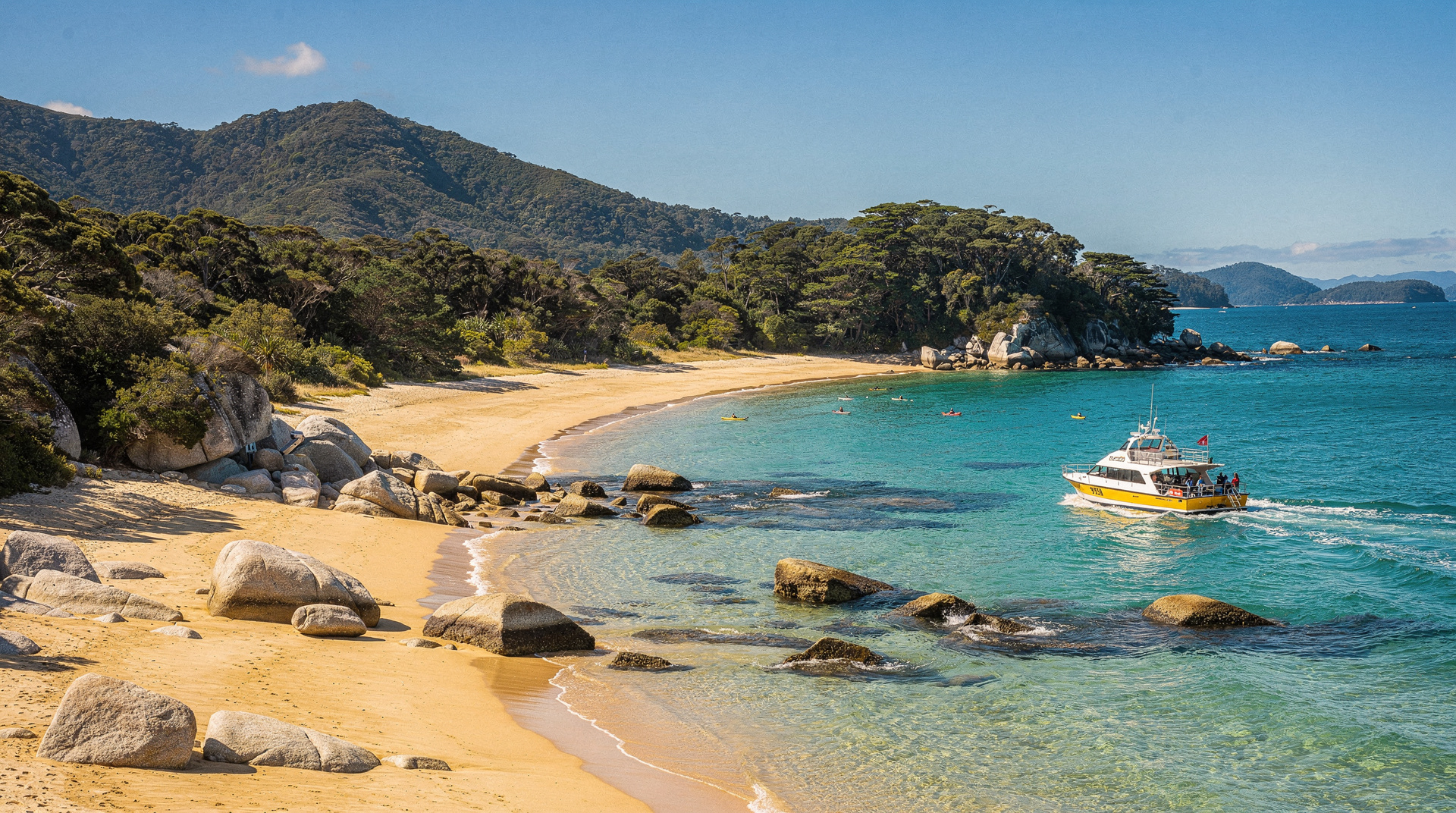
Abel Tasman National Park
Honest Abel Tasman guide: kayak vs coast track, water taxis, best bays — real NZD/USD/EUR prices and how long you actually need for this park.
Last reviewed: