Kayaking in Abel Tasman National Park
How much does kayaking in Abel Tasman cost?
NZD 110–155 / USD 66–93 / EUR 61–85 for a guided day kayak. Freedom kayak hire starts at NZD 75/day. The park's golden beaches, seal colonies at Tonga Island, and clear turquoise water make it the most photogenic kayaking in New Zealand.
Golden beaches, seal colonies, and the most accessible national park kayaking in New Zealand
Abel Tasman National Park is New Zealand’s smallest national park by area — 225 square kilometres of granite and marble hills descending to a coastline of golden sand beaches and clear blue-green water. It sits at the top of the South Island, sheltered from the prevailing southerlies, and has a climate significantly warmer and sunnier than the rest of the South Island.
The combination of sheltered water, accessible coastline, no motorised vehicles, and the famous golden beaches makes Abel Tasman the most purely pleasurable kayaking environment in New Zealand. This isn’t the most dramatic setting — that’s Milford Sound or Fiordland. It’s the most beautiful in a warm, Mediterranean sense: accessible, safe, and genuinely spectacular on a sunny day.
The Abel Tasman Coast Track is one of New Zealand’s 11 Great Walks, but many visitors combine water and land by kayaking one section and walking another, using water taxis to connect. This flexibility is the defining feature of the Abel Tasman experience.
Verdict: Worth it. Abel Tasman kayaking is justifiably popular. The question is not whether to kayak but which format suits your time and fitness.
| Where | Marahau or Kaiteriteri, Abel Tasman National Park, top of the South Island |
| Cost | around NZD 110-155 guided day; freedom hire from NZD 75/day |
| Time needed | Half day (5-7hrs) to 3-day freedom or guided expedition |
| Getting there | Shuttle from Nelson (50min) or Motueka to Marahau |
| Best time | March or Oct-Nov for warm water and lower crowds |
Kayaking options — which format is right for you?
Guided day kayak tours
The most accessible option: guides lead groups of 4–10 through a section of the coastline, typically including a lunch stop on a beach and a visit to the Tonga Island marine reserve where fur seals haul out year-round.
Duration: 5–7 hours. Distance: 12–18 km of paddling.
Abel Tasman: Full-Day Kayak, Seals and Cruise ExperienceGuided tours handle all logistics — no prior kayaking experience needed. Double kayaks make paddling easier; singles are available for experienced paddlers who prefer independence.
Walk-kayak-cruise combinations
The most popular format: combine a morning kayak, a walk on a section of the Coast Track, and return by water taxi or cruise boat. This avoids the “pure paddling all day” repetition and gives you both the coastal and forest perspectives.
Abel Tasman: Cruise, Self-Guided Walk and Kayak ExperienceThese combinations are available in half-day or full-day versions. They typically include return transport from Nelson or Marahau to the park.
Freedom kayaking (self-guided hire)
Experienced kayakers can hire their own kayaks from operators in Marahau — the main departure point for the southern end of the park. Freedom kayak hire requires demonstrated experience and is not recommended for beginners in tidal channels.
Abel Tasman Kayaks: 1 Day Freedom Kayak RentalThe 3-day freedom kayak expedition (camping on beaches overnight) is one of the great independent adventures in New Zealand. DOC (Department of Conservation) campsites along the Coast Track are bookable in advance and required in peak season (December–February).
Multi-day guided kayak and walk
For those who want the full park experience without planning logistics: guided 3-day kayak and walk packages include camping equipment, guides, and water taxi support for gear.
Abel Tasman Kayaks: 3 Day Kayak and Walk North (from Marahau)Comparing the four formats
| Format | Best for | Duration | Experience needed |
|---|---|---|---|
| Guided day kayak | First-timers, families | 5-7 hrs | None |
| Walk-kayak-cruise | Wanting both coast and forest | Half or full day | None |
| Freedom kayak hire | Independent experienced paddlers | 1-3 days | Demonstrated skill |
| Multi-day guided | Full park without planning logistics | 3 days | None |
The Tonga Island marine reserve
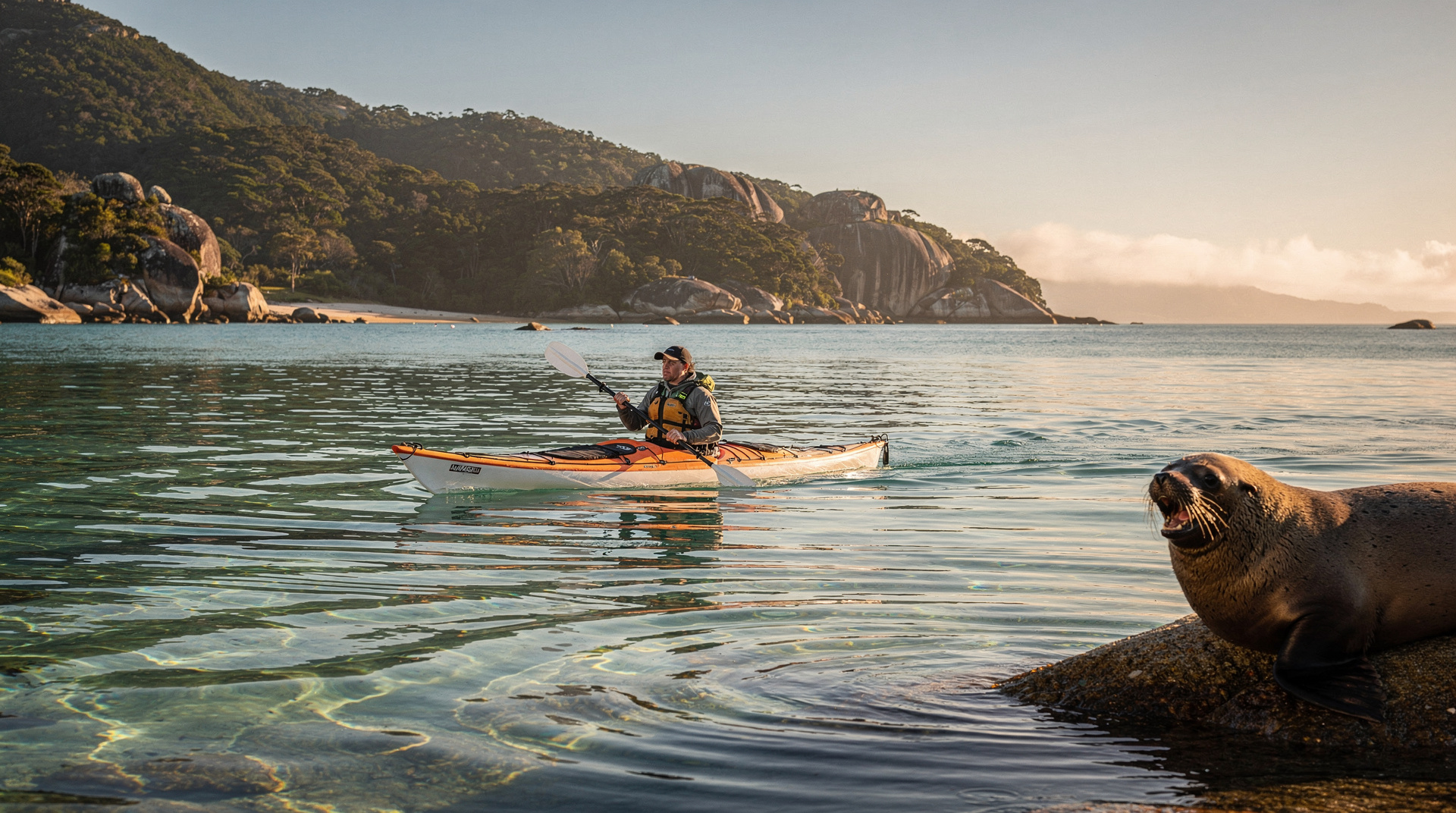
Tonga Island, midway along the Coast Track, is a marine reserve with a year-round fur seal colony. Kayaking around the island at a respectful distance (minimum 20m by regulation) and watching seals surf the small swells, sleep on rock shelves, and occasionally investigate kayaks is a highlight of any Abel Tasman kayak trip. The water in the reserve is clear to several metres depth and the reef fish are visible from the kayak surface.
Dolphins — bottlenose and common — frequently join kayak groups in the open sections of the park. This is not guaranteed but is common enough to be expected rather than surprising.
Fur seal pups are especially active in summer (December-February), when they play in the shallows near the colony and are more visible than the adults, who spend more time resting on the rocks. Guides on day tours know the current haul-out spots, which shift slightly with the season, and will steer the group to give the best (and legally compliant) view without disturbing the animals.
What a guided day kayak actually involves
A typical guided day starts with a shuttle from Nelson or Motueka to Marahau, a safety briefing and gear fit, then a paddle north along the coast in double kayaks with a guide leading the group. Expect a mid-morning break on a beach, the Tonga Island seal-watching leg, and a lunch stop — often at Bark Bay or Anchorage — before either paddling back or catching a water taxi return. Groups are typically kept to a manageable size so the guide can point out wildlife and adjust pace for slower paddlers without the day feeling rushed.
Where to base: Marahau or Nelson
Marahau (63 km from Nelson, 45 km from Motueka) is the southern gateway — most operators depart from here, and it’s closest to the park. Accommodation at Marahau is limited but functional. If you’re doing a dawn start on a multi-day kayak, staying in Marahau makes sense.
Motueka (14 km from Marahau) has better accommodation and restaurant options, with easy morning transfer to Marahau.
Nelson is the regional hub — full accommodation range, good restaurants, airport connections. Operators in Nelson run shuttles to Marahau for morning departures.
Season and conditions
Abel Tasman is the sunniest national park in New Zealand — the north-facing coast is sheltered and collects sunshine even in winter. But the kayaking experience varies significantly by season:
Summer (December–February): Warmest water, most daylight hours, busiest beaches and campsites. Book everything well in advance. Water temperatures reach 20°C; swimming after kayaking is genuinely comfortable.
Autumn (March–May): The sweet spot — warm water, lower visitor numbers, better availability. September–November is also good. March is arguably the best month for this coast.
Winter (June–August): The park is open but cool. Water temperature drops to 13–15°C (wetsuit optional but cold). Beaches are uncrowded and the forest is vivid green. Some guided operations reduce frequency.
Tidal considerations: The Abel Tasman coast has significant tidal variation. Tidal flats at low tide can add considerable paddling distance around headlands. Guides factor tidal tables into guided tour planning; freedom kayakers must do the same.
Getting to Abel Tasman
From Nelson: 63 km, 50 minutes by road. Operators run shuttle services. From Picton: 130 km, approximately 2 hours via Nelson. From Christchurch: 440 km, approximately 4.5 hours via Blenheim and Nelson.
Water taxis depart from Marahau (southern end) and Kaiteriteri (slightly further north). There is no road access into the park — all entry is on foot or by water.
Age, weight, and experience requirements
Guided day tours:
- Minimum age: 5 years (with parent in double kayak)
- No maximum weight beyond physical fit in kayak seat
- No prior experience required
Freedom kayak hire:
- Minimum demonstrated experience required (skill assessment available)
- No children under 12 without experienced adult paddler
- Open water conditions in the park require ability to self-rescue
Practical packing
Essential: Sunscreen (the Nelson region has high UV levels — more intense than European equivalents), hat, swimwear, water (minimum 2L per person per day), snacks. Operators provide waterproof dry bags for gear.
Optional: Reef shoes (walking on beach rocks at lunch stops), light waterproof jacket (even on sunny days, spray and wind can chill quickly)
Leave behind: Anything irreplaceable in electronics — phones should be in the dry bag throughout the paddle.
Frequently asked questions
Is Abel Tasman kayaking suitable for beginners?
Guided day tours are fully suitable for beginners — no prior experience required. Double kayaks (two paddlers) are inherently stable, and guides set pace and route. Freedom kayaking requires some experience; the open sections between bays can have current and chop. If in doubt, do a guided day first and assess from there.
What’s the best single-day route?
The classic: Marahau to Bark Bay via Tonga Island, lunch at Bark Bay, return by water taxi. This covers the most photogenic sections of the southern park, includes the seal colony, and avoids backtracking the same water.
Can I see penguins in Abel Tasman?
Little blue penguins (kororā) nest on some beaches in the park and are occasionally seen in the water, but Abel Tasman is not a primary penguin viewing destination. For guaranteed penguin encounters, Oamaru and the Otago Peninsula are more reliable.
How far in advance should I book?
December through February: minimum 2 weeks for guided tours, 4–6 weeks for multi-day options with specific dates. Freedom kayak hire in summer should also be booked ahead. Off-peak (May–September): usually available with 2–3 days notice.
More water adventures in New Zealand
Related guides
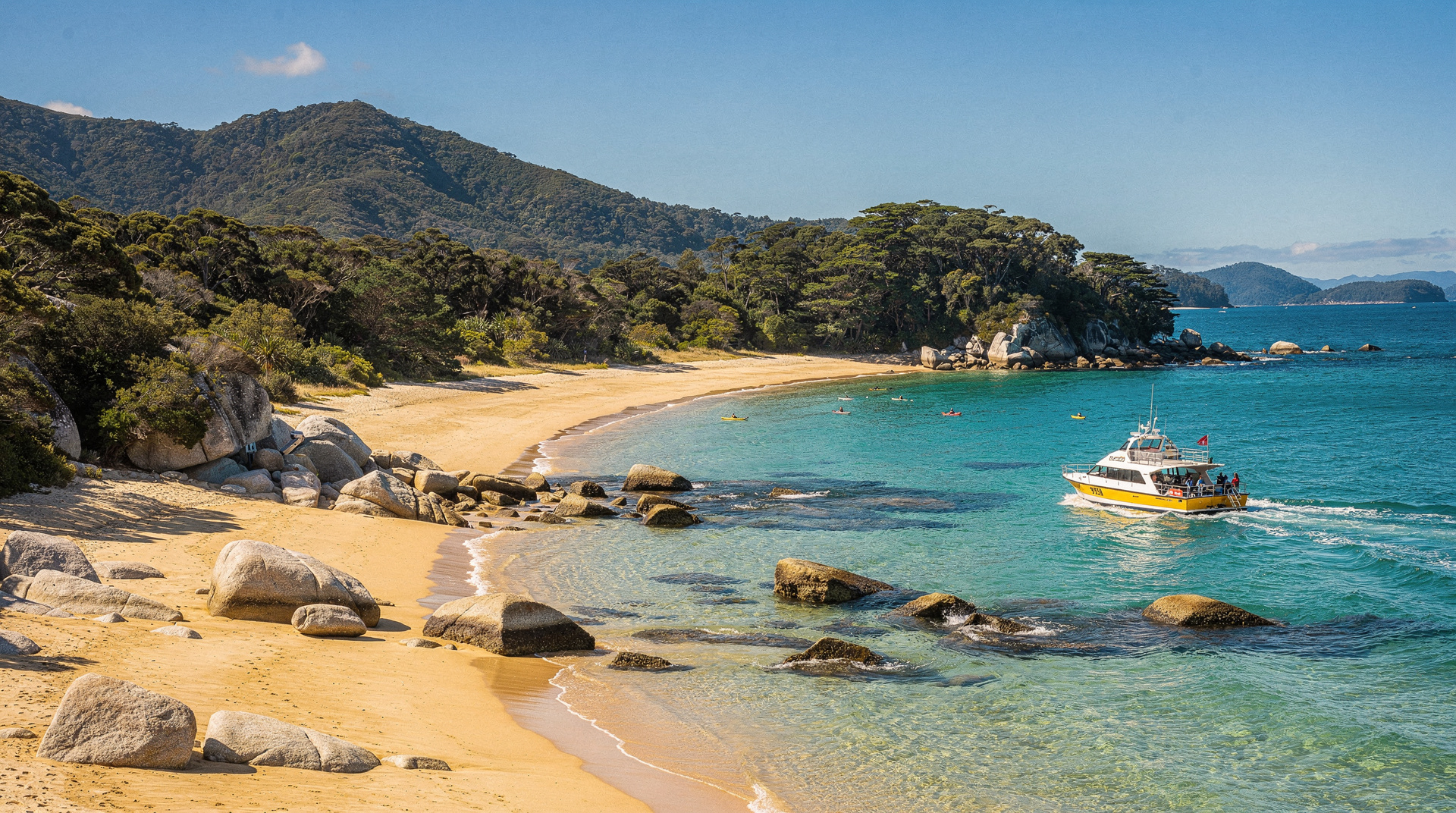
Abel Tasman National Park
Honest Abel Tasman guide: kayak vs coast track, water taxis, best bays — real NZD/USD/EUR prices and how long you actually need for this park.
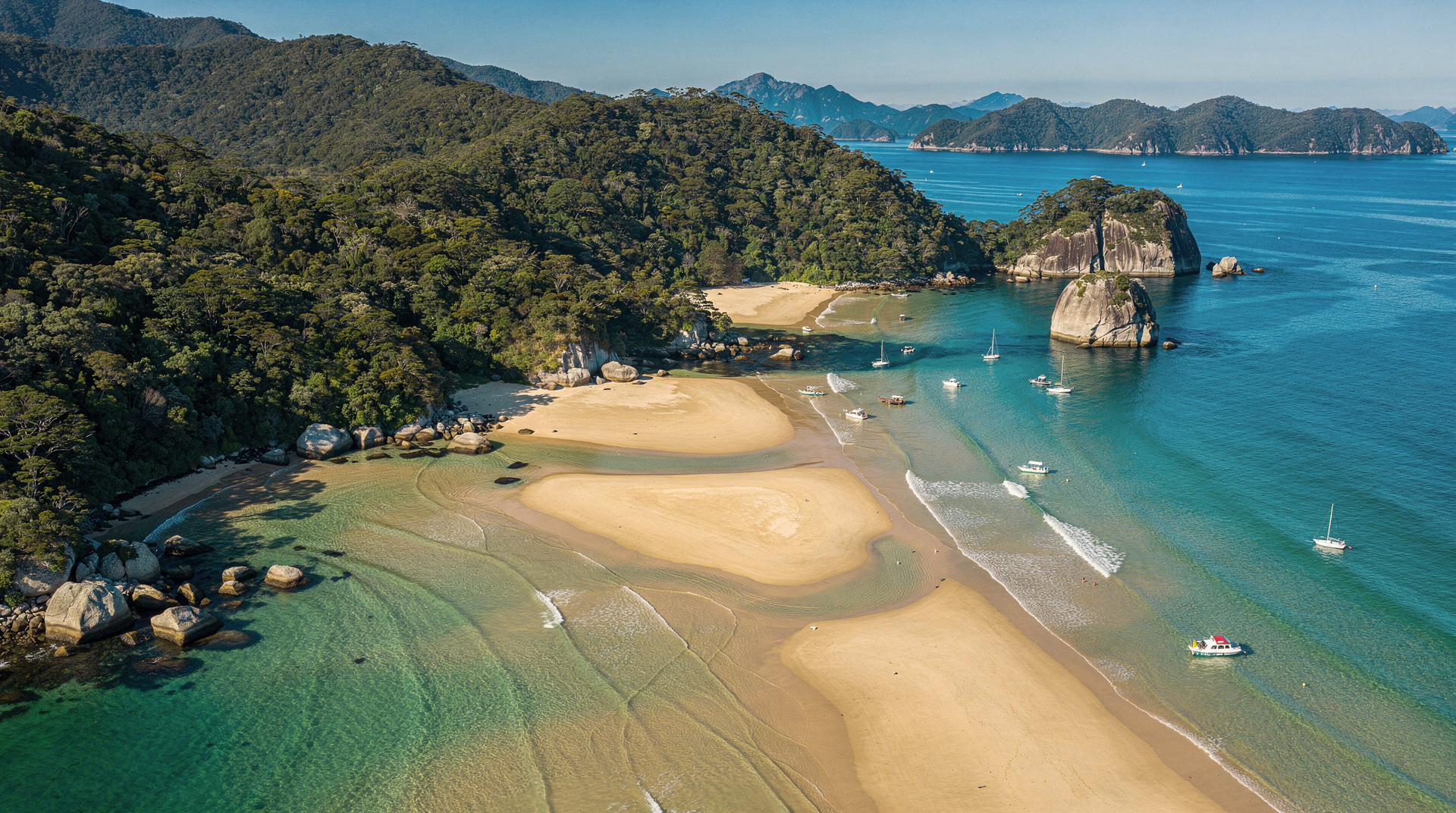
Nelson and Tasman
Honest Nelson-Tasman guide: Abel Tasman National Park, Golden Bay, Farewell Spit, Nelson wine. NZD/USD/EUR prices, kayak vs cruise, what to skip.
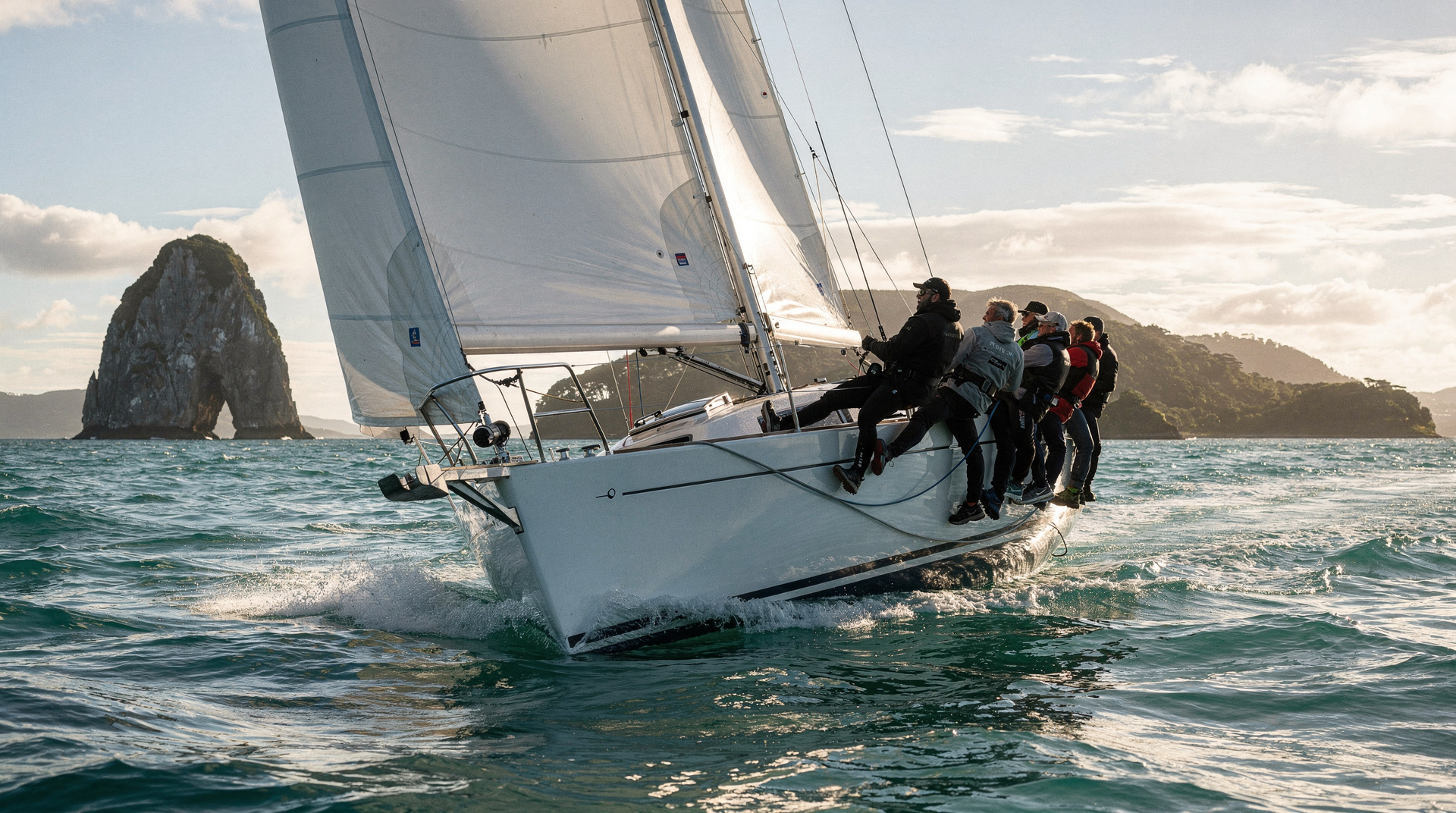
Sailing in Bay of Islands — cruises, catamarans, and overnight charters
Bay of Islands sailing guide: day cruises, dolphin watching, Hole in the Rock, and overnight charters. Prices NZD/USD/EUR and honest operator comparison.
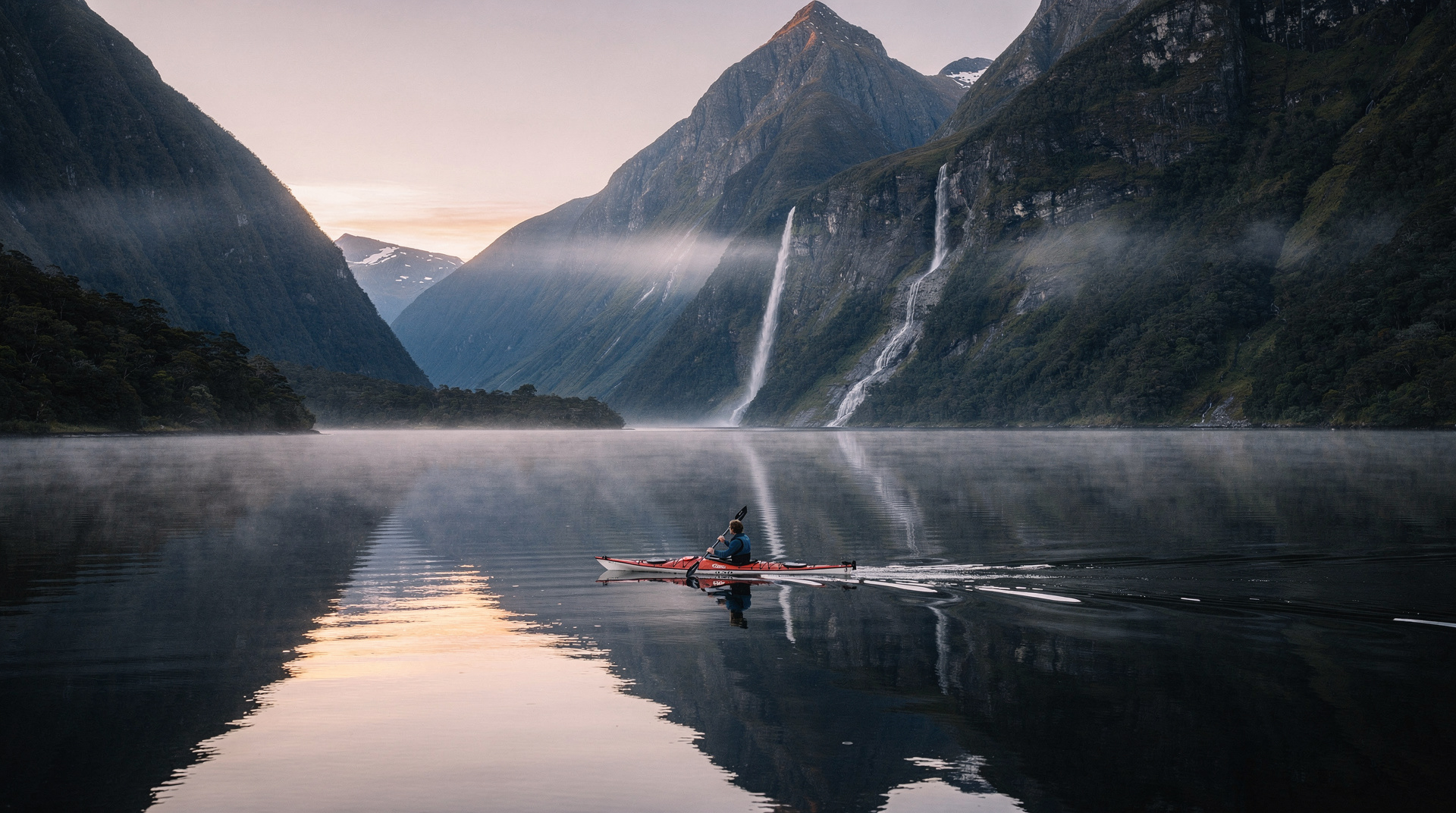
Kayaking in Milford Sound — paddling beneath the cliffs
Milford Sound kayaking guide: paddle beneath 1,692m Mitre Peak, see waterfalls and fur seals from water level. Prices NZD/USD/EUR and what to expect.
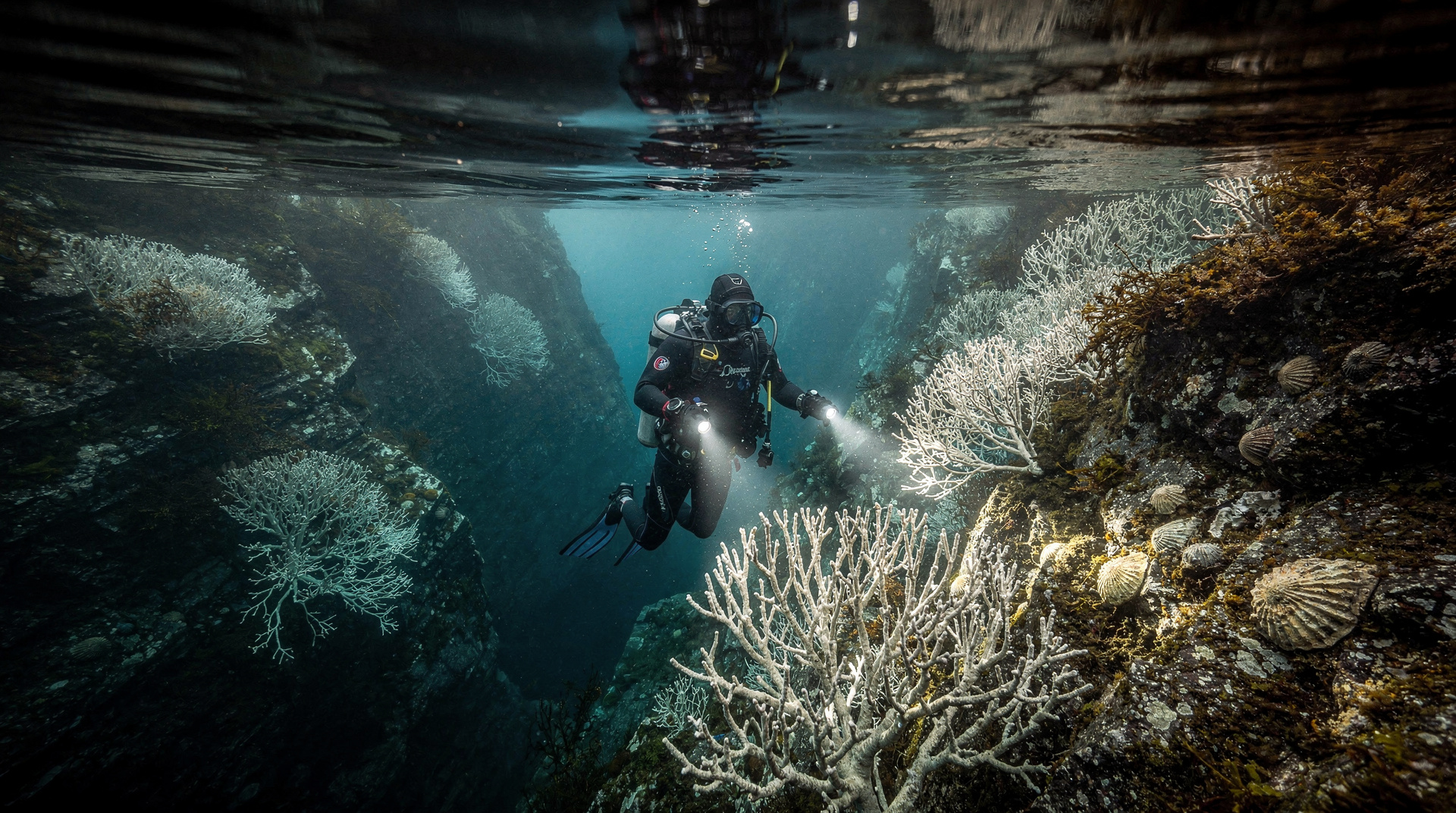
Diving in Fiordland — black coral and cold-water wonders
Fiordland diving: black coral at 10m depth, cold dark water, rare species. Prices NZD/USD/EUR, certifications needed, and what makes it unique in the world.
Last reviewed: