Is New Zealand safe
Is New Zealand safe for tourists?
Yes, New Zealand is one of the safest countries in the world for tourists. Violent crime is rare; petty theft exists in tourist areas. The real risks are environmental: rip currents on unpatrolled beaches, river crossings in the backcountry, mountain weather, and driving on unfamiliar roads. Understanding these natural hazards matters more than worrying about crime.
The safety picture: honest and in proportion
New Zealand consistently ranks in the top 5 safest countries globally on the Global Peace Index. For tourists specifically, the risks are overwhelmingly natural and environmental — not criminal. Violent crime directed at tourists is genuinely rare. The more realistic concern for most visitors is getting into difficulty in the water, the mountains, or on the road.
| Overall risk level | Very low — top 5 globally on the Global Peace Index |
| Main real risks | Rip currents, river crossings, driving on unfamiliar roads |
| Emergency number | 111 (police, fire, ambulance) |
| Crime concern | Low — petty theft in tourist car parks, not violent crime |
| Key precaution | Register backcountry intentions with Adventure Smart NZ before multi-day tracks |
This guide is structured accordingly: crime first (brief, because it is not the main concern), then environmental hazards (where most of the relevant information is).
Crime and personal safety
Petty theft: Exists, primarily in Auckland CBD (particularly Sky City area and K Road at night), Queenstown (rental vehicles are targeted), and busy tourist car parks. Do not leave valuables visible in rental cars, particularly at trailhead car parks. Smash-and-grab vehicle break-ins at Queenstown, Milford Sound, and popular Coromandel beaches do occur.
Violent crime: Rare against tourists. New Zealand’s violent crime tends to be domestic in nature and concentrated in certain low-income urban areas. Tourists are almost never the target of serious violence.
Scams: Low prevalence. The main scam to be aware of: unlicensed “currency exchange” offices in Auckland CBD (avoid; use ATMs). Fake accommodation listings on generic platforms (use well-reviewed platforms with host verification). No significant tourist-targeted scam industry.
General precautions that apply: Do not leave bags unattended on beaches. Lock rental vehicles. Use accommodation safes for passports and large amounts of cash. Be aware of your surroundings in late-night bar areas in Auckland and Queenstown.
Police and emergency: 111 is the universal emergency number (police, fire, ambulance). New Zealand Police are generally approachable, helpful, and not known for corruption. Emergency response times in rural areas can be significantly longer than in cities — this reinforces the importance of self-sufficiency in backcountry situations.
Road safety
Road conditions in New Zealand are safe by international standards, but several factors make driving higher-risk than the crime statistics suggest:
Left-side driving: The most common cause of serious accidents involving international visitors. The first 1-2 hours of driving on the left side is statistically the most dangerous period. Drive slower than you think you need to; defer to local drivers; take extra care at roundabouts and intersections. See the detailed driving in New Zealand guide.
Gravel roads: Some scenic areas are accessed via unsealed roads. Gravel can shift under braking; speed must be significantly reduced. Rollovers on gravel are a known risk when drivers accustomed to sealed roads brake suddenly.
Fatigue: Long drives on winding roads are more tiring than motorway driving. Take breaks every 2 hours. Jet lag compounds this significantly for international arrivals in the first 3-5 days. Do not drive exhausted on day one after a 24-hour flight.
Wildlife: Particularly at dawn and dusk, livestock (sheep, cattle, deer) and in alpine areas, kea birds can appear on the road unexpectedly.
One-lane bridges: Common even on main routes. Stop before entering if a vehicle is approaching.
Ocean and beach safety
New Zealand’s beaches are stunningly beautiful and frequently unsupervised. This combination creates real drowning risk that is not dramatized — New Zealand has a significant annual drowning toll.
Key risks:
- Rip currents: Powerful underwater currents that carry swimmers offshore rapidly. Remain calm, do not fight the rip, swim parallel to shore until clear of it. On patrolled beaches, always swim between the flags.
- Patrolled vs. unpatrolled beaches: Surf Life Saving NZ patrols beaches during summer on specific schedules. The patrol hours are posted at the beach entrance. Outside patrol hours (typically before 9am and after 5pm), the same beach is unsupervised.
Check the Surf Life Saving NZ app for patrol times.
- Cold water: Even in summer, New Zealand’s sea temperatures range from 16-22°C north of Auckland. Hypothermia risk for extended swimming or if caught in a rip.
- West Coast beaches: Particularly dangerous — powerful surf, rip currents, cold water. Even confident swimmers should treat these with extreme caution. Some West Coast beaches (Piha, Karekare) are popular precisely because they look dramatic. Swim only when a surf lifeguard is on duty.
The general rule: If in doubt, stay on the beach and appreciate the view. The ocean is beautiful from the sand.
Freshwater and river safety
Flash flooding in gorges is a genuine killer in New Zealand’s mountains. The country receives significant rainfall that is channeled into narrow gorges extremely quickly. The Abel Tasman, Fiordland, and many West Coast river valleys are affected.
Key precautions:
- Never cross a flooded or rapidly rising river on foot — this kills trampers every year in NZ
- Check the weather forecast and river flow rates before entering gorges (NIWA river flood forecasting; MetService NZ)
- In the backcountry, if the river rises, retreat to high ground and wait rather than attempting a crossing
Drinking water: New Zealand tap water is safe everywhere. Natural water from rivers and streams looks clean but can carry Giardia and other pathogens — use a filter, purification tablets, or boil water from natural sources before drinking.
Backcountry and tramping safety
New Zealand’s Great Walks and backcountry tracks are well-managed, but the mountains impose real consequences for inadequate preparation.
Before any multi-day track:
- Register your intentions with Adventures with Dad or the Adventure Smart NZ Trip Planner (free, online, notifies DOC if you fail to return)
- Check the DOC track condition reports (doc.govt.nz)
- Carry a Personal Locator Beacon (PLB) — rentable from outdoor gear shops for approximately NZD 15-25 per week; they can be the difference between a mountain rescue and a fatality
- Know the weather forecast and do not attempt alpine crossings in deteriorating conditions
PLBs: 406MHz PLBs registered with the New Zealand Rescue Coordination Centre transmit your GPS position to satellite and trigger a rescue. They function where there is no mobile signal — which is precisely where you need them.
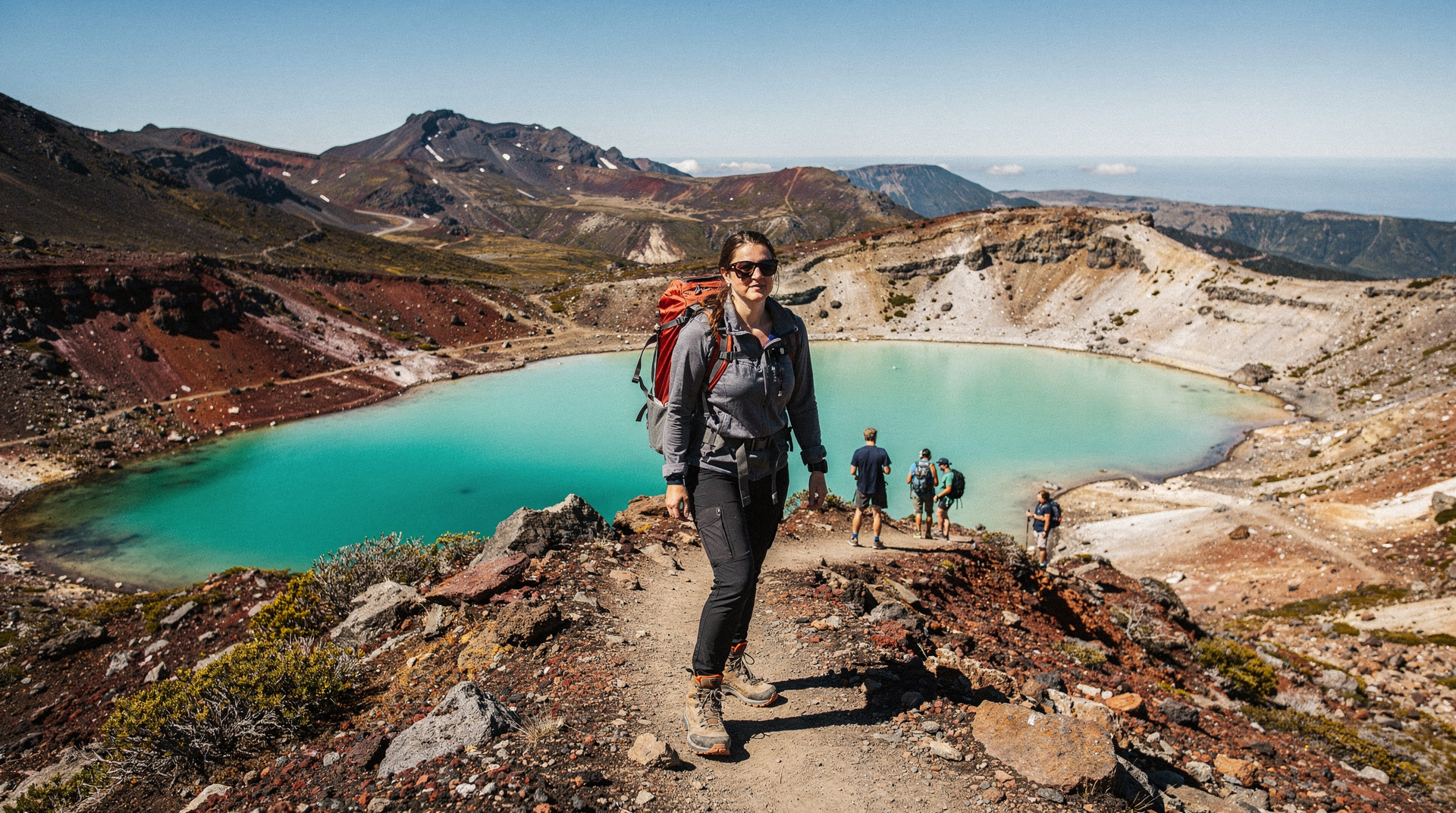
The Tongariro Alpine Crossing: Over 150,000 people do this famous single-day hike annually. It is not a casual stroll — it crosses volcanic terrain at 1,886m altitude, and weather on the alpine plateau can change in minutes. Hypothermia is possible in summer. The full crossing takes 7-8 hours at a normal pace. Check the weather before committing; turn back if conditions deteriorate. See the full Tongariro Alpine Crossing guide for a section-by-section breakdown of where the alpine plateau is most exposed.
Safety for specific traveller groups
Safety questions vary meaningfully by who’s asking. A few groups worth addressing directly:
Solo female travellers: New Zealand is consistently ranked among the safest countries for women travelling alone. The general precautions above (secure accommodation, avoid isolated areas at night, standard situational awareness) apply, but there’s no NZ-specific elevated risk. See the solo female travel in New Zealand guide for detailed guidance.
LGBTQ+ travellers: New Zealand has strong legal protections and a broadly accepting culture, particularly in the main cities. Rural and small-town attitudes can be more conservative in practice even where the legal protections are equal. The LGBTQ+ travel New Zealand guide covers the specifics by region.
Families with children: The environmental risks above (ocean, rivers, road) apply with extra weight for children — supervise closely near any water, and be conservative about which walks and activities are appropriate for a child’s stamina and judgement. Otherwise, New Zealand is a genuinely easy and safe country to travel with kids.
First-time international visitors: Jet lag and unfamiliarity with left-side driving are the two practical risk factors that catch first-timers out most often. See the first time in New Zealand guide for a fuller orientation, and budget your first day or two accordingly — see how many days you need in New Zealand for pacing a realistic itinerary.
Earthquakes and volcanic activity
New Zealand sits on the Pacific Ring of Fire and experiences approximately 15,000 earthquakes per year (most imperceptible). Significant earthquakes occur occasionally — the 2011 Christchurch earthquake (6.3 magnitude, 185 fatalities) was the last major event causing significant casualties.
What to know:
- GNS Science monitors seismic activity in real time; their app (GeoNet) is worth downloading for real-time awareness
- If a significant earthquake occurs, move away from buildings, trees, and power lines; drop, cover, and hold
- Tsunami risk: On the coast, if you feel a strong, long earthquake, move inland and uphill immediately without waiting for an official warning. Coastal areas in New Zealand have tsunami evacuation zone signs (blue and white) posted on roads
Volcanic activity: The Tongariro volcanic complex (including Mt Ruapehu and Ngauruhoe) is active. GNS monitors volcanic alert levels. At alert level 1 (normal), the areas are safe to visit. Higher levels restrict access. Check GeoNet before visiting Tongariro.
Whakaari/White Island: The December 2019 eruption killed 22 people and injured many more. As of April 2026, commercial tours to the island remain suspended and the status of future access is uncertain. Do not visit on any unauthorised basis.
Frequently asked questions about NZ safety
Is New Zealand safe for solo female travellers?
Yes — see the dedicated solo female travel guide. New Zealand is considered one of the most safe destinations globally for women travelling alone.
Is it safe to freedom camp in New Zealand?
In designated freedom camping areas, yes. Safety concerns in freedom camping are primarily about choosing well-lit, well-used areas rather than isolated spots — standard common sense. The bigger issue is legal compliance with freedom camping rules rather than personal safety.
Are there any dangerous animals in New Zealand?
No large dangerous animals. No snakes. The only venomous creature of note is the katipo spider (very rare, found in coastal sand dunes, bite causes pain but not fatal). The white-tailed spider (introduced species) can cause localised skin necrosis — check shoes and clothing left outdoors overnight.
Is the water safe to swim in at all NZ beaches?
At patrolled beaches during patrol hours, swimming between the flags is safe. Unpatrolled beaches require personal assessment of conditions. Anywhere there is a “no swimming” or “dangerous rip” sign, take it seriously — these are placed by people who know the specific beach’s hazards.
What should I actually pack for safety reasons?
Beyond general clothing, prioritise: a windproof/waterproof jacket (mountain weather turns fast, even in summer), a basic first aid kit, sun protection (NZ’s UV index runs high even on cool days), and a Personal Locator Beacon if you’re doing any multi-day backcountry track. See the packing list for New Zealand for the complete list broken down by activity type.
Is New Zealand safe to travel on a budget, staying in hostels and freedom camping?
Yes. Budget travel doesn’t meaningfully change the safety profile — hostels are generally well-run and freedom camping in designated areas is safe with standard precautions (well-lit, well-used sites). The bigger practical issue for budget travellers is legal compliance with freedom camping rules rather than personal safety. See the New Zealand on a budget guide for the full picture.
Related guides and itineraries
- Solo female travel in New Zealand — specific guidance
- Driving in New Zealand — road safety detail
- Packing list for New Zealand — safety gear to bring
- First time in New Zealand — full orientation
- How many days do you need in New Zealand
- New Zealand on a budget
Related guides
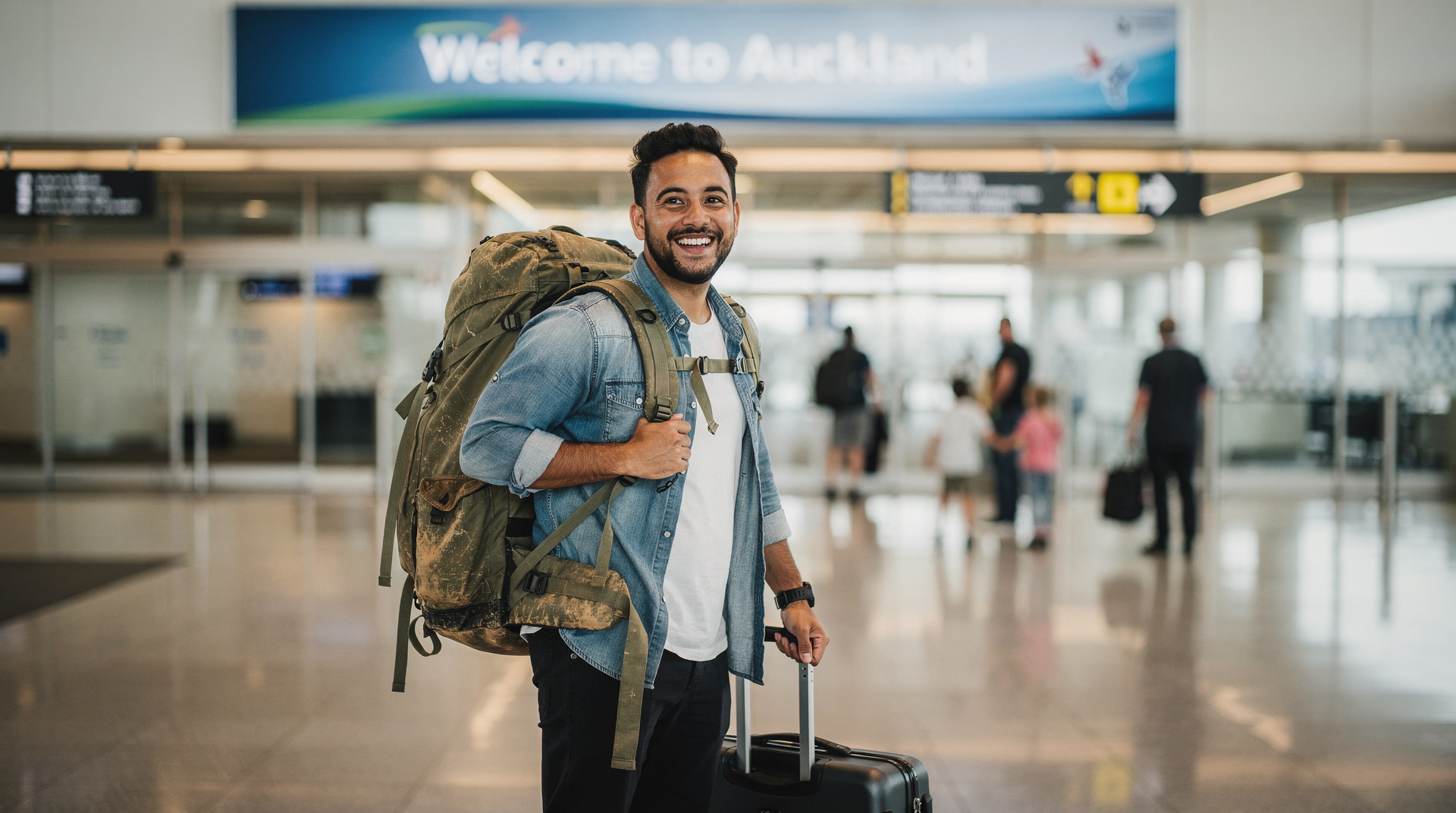
First time in New Zealand
Complete first-timer's guide to NZ: costs, logistics, Maori culture, what to book early, and how to structure 7–21 days.
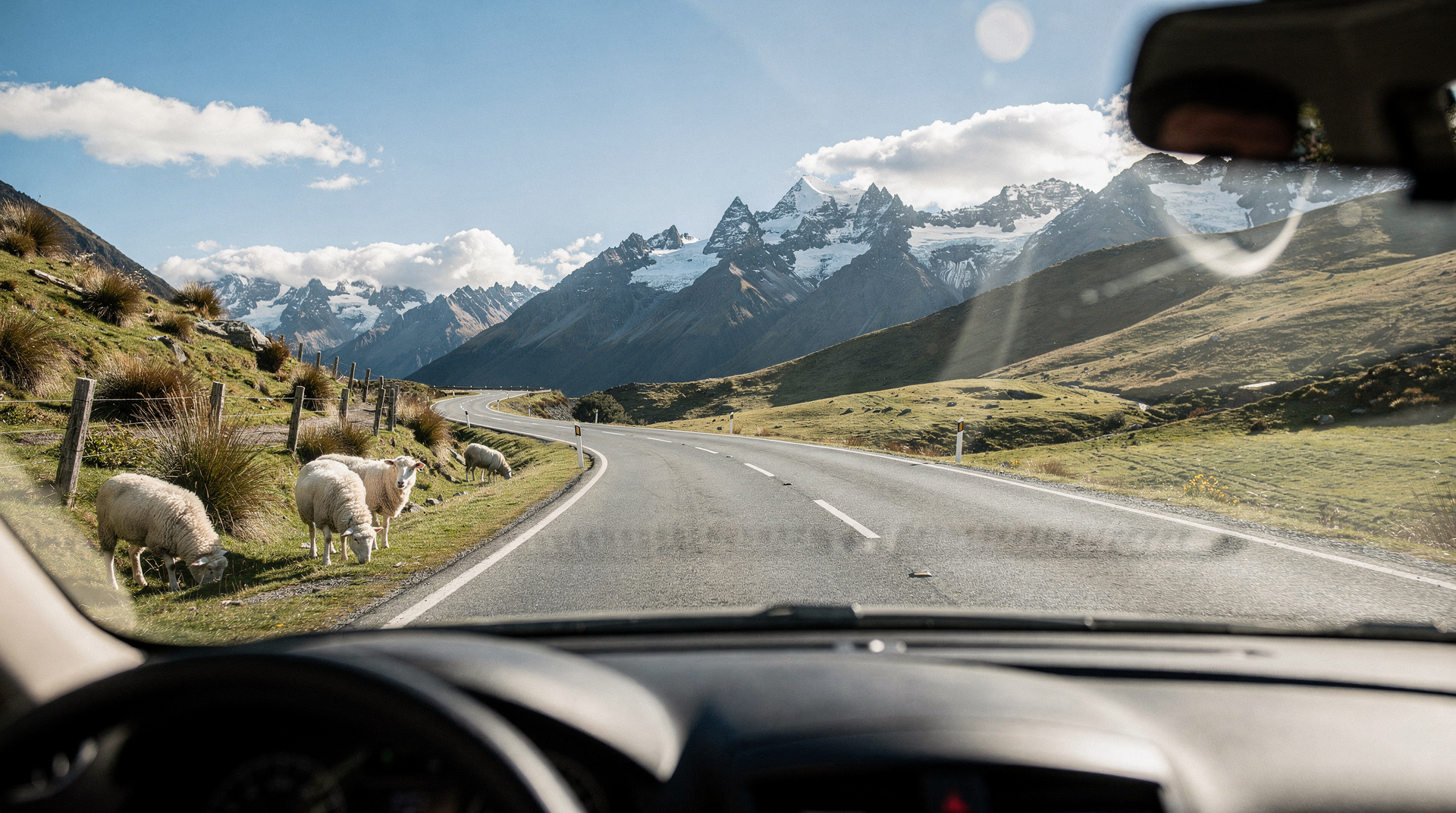
Driving in New Zealand
Honest driving guide for NZ: left-side rules, gravel road etiquette, why GPS lies, fuel costs, one-lane bridges, and what rental companies don't tell you.
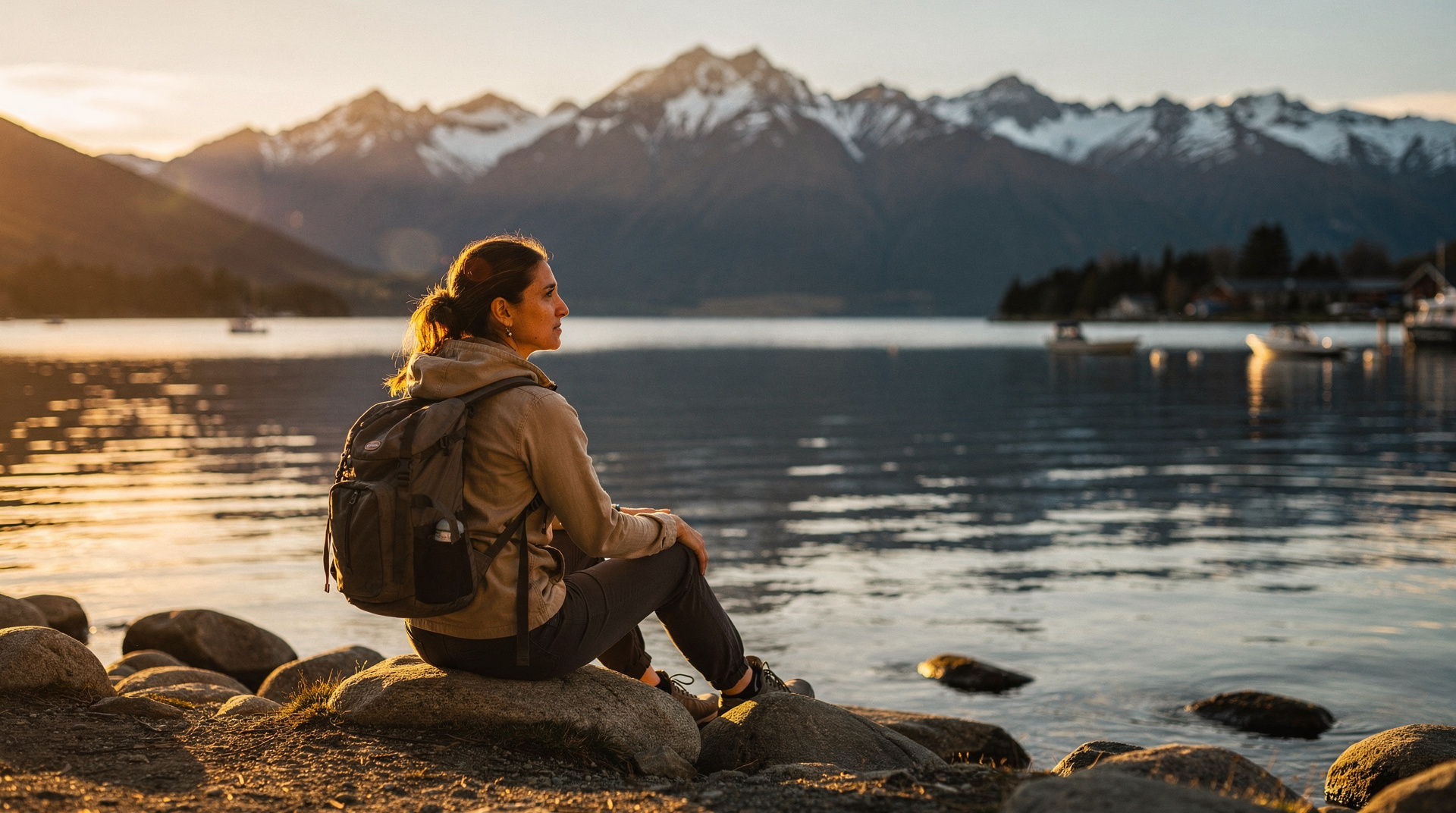
Solo female travel in New Zealand
Honest guide to solo female travel in NZ: safety reality, best destinations, transport advice, accommodation, and what makes New Zealand genuinely welcoming.
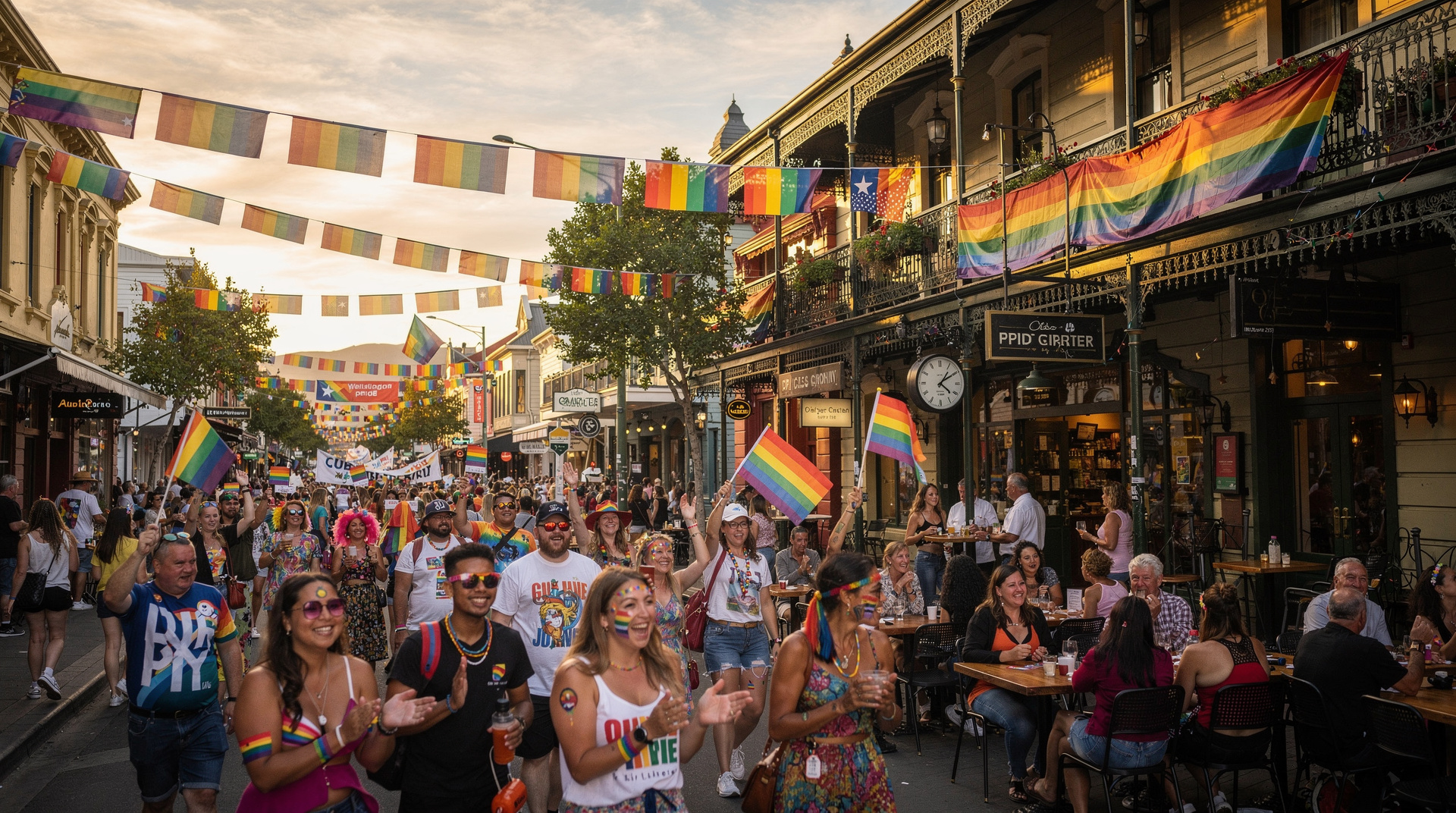
LGBTQ+ travel in New Zealand
Honest LGBTQ+ travel guide for NZ: legal rights, safety by city and region, Pride events, best neighbourhoods, and what makes NZ genuinely welcoming.
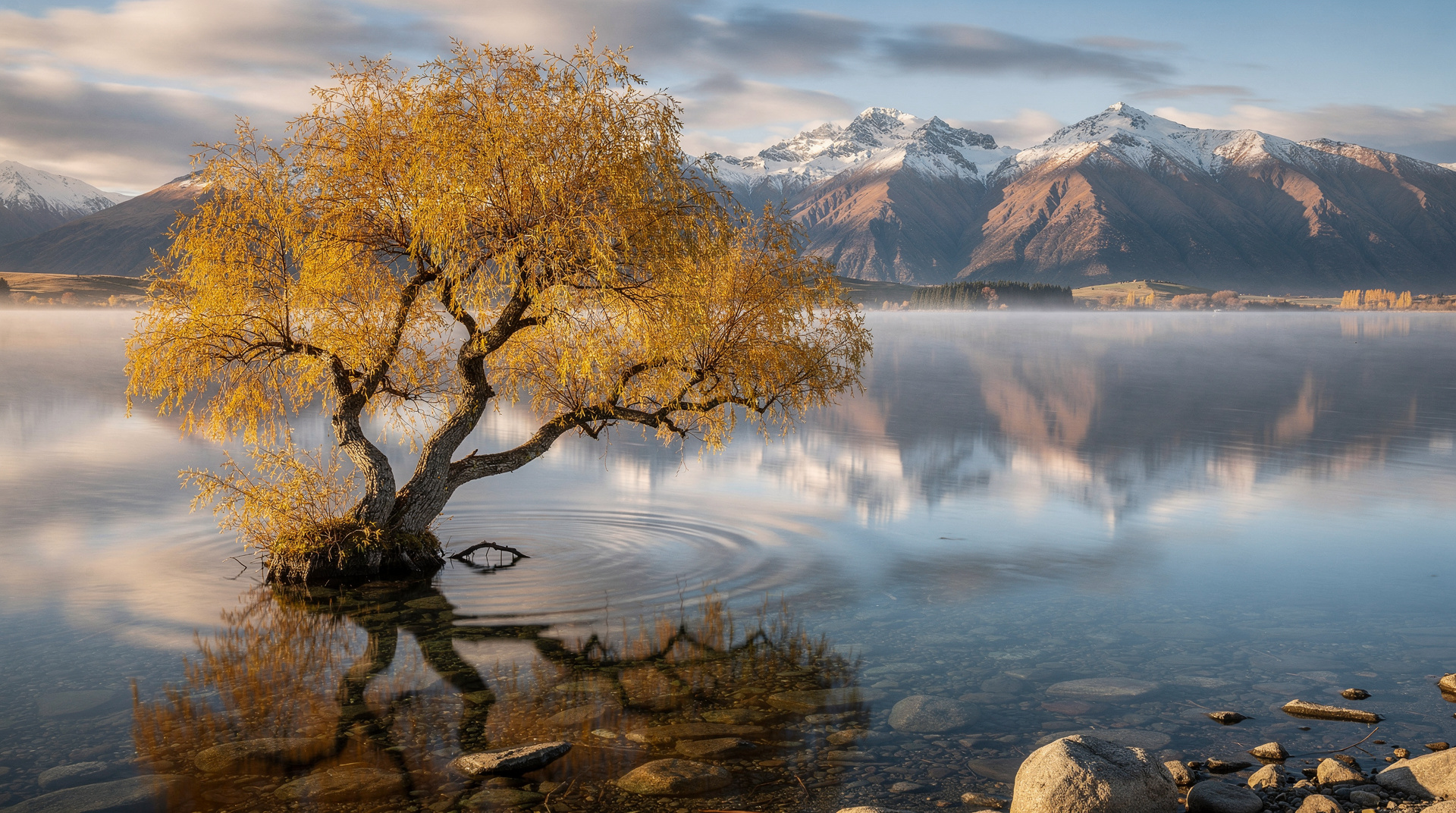
Packing list for New Zealand
Practical NZ packing list: layers for 4-season weather, hiking essentials, biosecurity musts, and what NOT to bring through customs. Season-by-season breakdown.
Last reviewed: