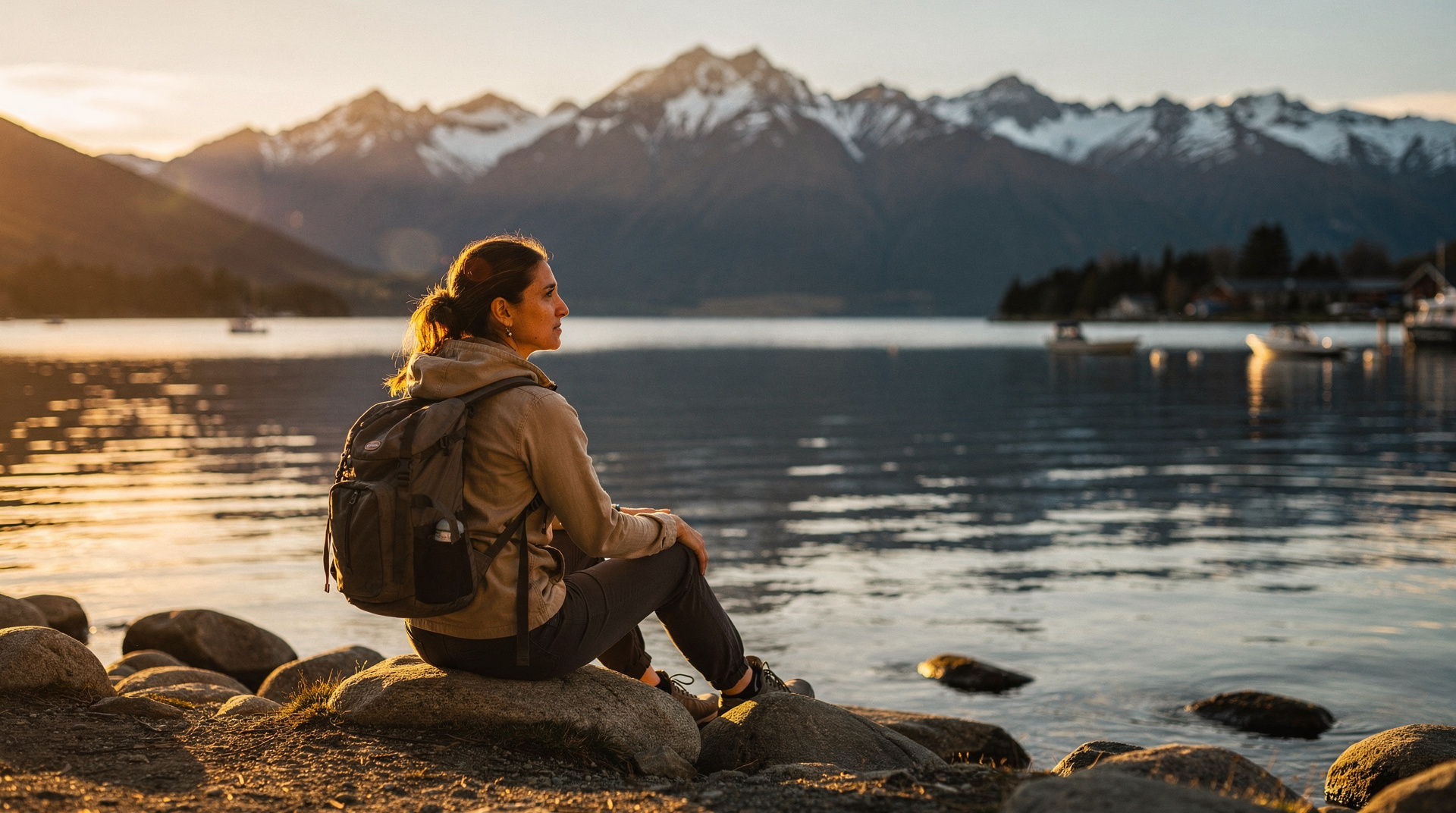
Solo female travel in New Zealand
Is New Zealand safe for solo female travellers?
Yes. New Zealand consistently ranks among the world's safest countries for solo female travel. The hostel culture is strong and social, public spaces feel safe at most hours, and the country has a well-established backpacker community that makes solo travel comfortable and sociable. Standard urban precautions apply; the backcountry safety rules are the more important concerns.
The honest assessment
Solo female travellers consistently rate New Zealand as one of the most comfortable destinations in the world. The country’s size, well-established backpacker infrastructure, English language, and genuinely low violent crime rate combine to create an environment where solo women can travel independently without the persistent vigilance that other destinations require.
This does not mean risks are zero. This guide gives you the real picture — what is genuinely safe, what requires standard city precautions, and what the actual risks are (hint: environmental, not criminal).
| Overall safety | Among the world’s safest countries for solo women |
| Main risk | Environmental (weather, remote tracks) — not crime |
| Best regions to start | Wellington, Queenstown, Rotorua — social, well-trodden |
| Solo-friendly stays | YHA female dorms, Airbnb superhosts, motels |
| Emergency number | 111 (police/fire/ambulance) |
Why New Zealand works for solo female travellers
The hostel culture is strong and social. YHA New Zealand and other established hostels have communal kitchens, lounge areas, and a culture of strangers becoming travel companions within hours. Solo travellers rarely stay solo for long in New Zealand hostels — the backpacker circuit (Auckland, Rotorua, Wellington, Christchurch, Queenstown) has a social momentum where it is easy to form travel groups organically.
Women travel solo here frequently. New Zealand’s Working Holiday Visa brings tens of thousands of young international women here annually — from France, Germany, UK, Japan, and elsewhere. This normalises solo female travel in a way that changes the social environment. You are not unusual; you are one of many.
English is spoken everywhere. The ability to communicate in an emergency, misunderstanding, or difficult situation without a language barrier is a genuine safety advantage that is easy to underestimate.
Feminism is culturally mainstream. New Zealand was the first country in the world to give women the vote (1893). Gender equality is embedded in the culture in ways that influence social attitudes, law enforcement seriousness, and public behaviour.
Where is safe and what to be aware of
Generally safe at night:
- Wellington’s Cuba Street and Courtenay Place
- Queenstown’s main waterfront and Beach Street
- Rotorua’s tourism area
- Auckland’s Britomart and Ponsonby (with normal awareness)
- Christchurch’s central city
Apply extra awareness:
- Auckland’s K Road (Karangahape Road) late at night — can feel edgy, not dangerous but rowdier
- Auckland CBD around Sky City on weekend nights
- Any city area at 3-4am when bars close
- Isolated carparks and quiet streets in any city
The backcountry: Solo women doing multi-day Great Walks report positive experiences but should follow the same backcountry safety rules as all solo trampers — register trip intentions, carry a PLB (Personal Locator Beacon, hireable for NZD 15-25/week), tell someone your route. The risk is environmental (weather, river crossings, injury) not from other people. Fiordland and West Coast tracks are remote; if you fall or get caught in bad weather alone, help is far away.
Accommodation for solo female travellers
YHA hostels: YHA has the most consistent quality control in New Zealand’s hostel network. They have female-only dormitory options at most locations — book these when they are available if you value the privacy. The communal kitchen and lounge culture at YHA is the best environment for meeting other travellers.
Base and Nomads hostels: Younger demographic, louder, more party-oriented. Also social; less family-atmosphere. Both have female dorm options.
Airbnb: Excellent option for solo women wanting more privacy. Host ratings and reviews are robust; read them carefully and choose hosts with many recent positive reviews. Superhosts with 4.8+ ratings are consistently reliable.
Motels: Private, lockable, often cheaper than hostels in rural towns. The standard New Zealand motel is clean, safe, and straightforward. Good option for solo travellers who want their own space.
Holiday parks: Communal showers and facilities. Perfectly safe in practice — holiday parks in New Zealand attract families, older campervans, and couples rather than being transient or unchecked environments. Women travelling in campervans report feeling comfortable at holiday parks.
Transport considerations
InterCity buses: Shared transport is generally safe and sociable. Drivers are vetted; passengers are a mix of backpackers, tourists, and locals. Evening buses are fine; apply normal awareness about your belongings.
Rental car: Gives maximum freedom for solo female travellers who drive. No dependency on timetables; ability to leave a situation quickly; no strangers in a shared vehicle. The driving on the left side takes a day to adjust; see the driving guide.
Hitchhiking: Not recommended in the safety literature for any solo travellers. Some backpackers do it on specific rural routes (Milford road, West Coast). The risk is statistically low in New Zealand compared to other countries, but the consequences of a bad experience in a remote area are more severe when there is no signal and no alternatives. It is a personal decision; the risks are real if rare.
Rideshare (Uber/Ola): Share the trip code with a contact. This is standard practice globally, not specific to New Zealand.
Key activities and their solo-specific considerations
Great Walks: All Great Walk guided-season huts are staffed and social. Solo women doing the Milford, Routeburn, or Kepler Tracks report feeling safe and often join up with other solo travellers at huts. The DOC hut-booking system means you know the numbers in advance.
Adrenaline activities: All major operators (Queenstown bungy, jet boat, skydiving, glacier flights) are professional, regulated by the Adventure Activities regulations, and completely safe in terms of the activity. Guides are vetted employees. No concerns for solo women.
Maori cultural experiences: Te Puia, Mitai, and Tamaki Maori Village in Rotorua are all welcoming, respectful, and specifically designed for visitors. The cultural protocols taught (hongi greeting, removing shoes for wharenui) are clearly guided. No specific solo female concerns.
Useful contacts
- New Zealand Police: 111 (emergency) / 105 (non-emergency)
- Rape Crisis (24h): 0800 883 300
- Mental health crisis line: 1737 (free, 24h, text or call)
- Women’s Refuge NZ: 0800 733 843
- Adventure Smart NZ trip registration: adventuresmart.nz
Practical tips from solo female travellers
Tell your hostel where you’re going. If you’re doing a day hike from a hostel, mention it at reception. This creates an informal safety net without requiring formal registration for short day walks.
Share your schedule. Use WhatsApp or similar to send your daily plan to someone at home. Not paranoid — standard good practice that takes 60 seconds.
Trust your gut. New Zealand is safe but not perfect. If a situation or person feels wrong, leave. The culture strongly supports directness — “I’m not comfortable with this” is respected.
Learn what a good emergency shelter looks like. In Fiordland, West Coast, and alpine areas, DOC emergency shelters (small orange bivvy shelters) are marked on maps. Know where the nearest one is if you are in the backcountry.
The hostel notice board: In smaller towns, hostel notice boards list available carpooling, seeking-travel-partner posts, and local safety notes. These are genuine community resources for solo travellers.
Money, connectivity and staying in touch solo
SIM cards and coverage: Spark and Vodafone/One NZ have the widest rural coverage — buy a tourist SIM at the airport on arrival (around NZD 20-40 for a data pack). Coverage drops out completely in Fiordland, on the Great Walks, and in parts of the West Coast; download offline maps (Maps.me or the DOC app) before heading into those areas so you’re not relying on signal.
Splitting costs without losing independence: Many solo women travelling New Zealand’s backpacker circuit end up sharing a rental car for a few days with people met at a hostel, then peeling off to travel solo again. This is normal here — nobody expects you to commit to a group for the whole trip. Hostel noticeboards and Facebook groups (“New Zealand Backpackers,” “Kiwi Working Holiday”) are the usual places this gets organised.
Solo dining and evenings out: Eating alone is unremarkable in New Zealand cafes and casual restaurants — nobody will comment or seat you awkwardly. Wineries and craft breweries around Queenstown, Martinborough and Central Otago are also easy solo visits via a guided tour, which sidesteps both the driving-and-drinking problem and any awkwardness about a table for one.
Frequently asked questions about solo female travel in NZ
Is it safe to camp alone in New Zealand as a woman?
At holiday parks, yes. In designated freedom camping areas that are active and visited by other campervans, generally yes — you are rarely the only person at a popular freedom camping spot. In remote backcountry camping, the same precautions as solo tramping apply. Avoid isolated roadside spots that are not designated freedom camping areas.
Should I go on the Tongariro Alpine Crossing alone?
The crossing is done by thousands of solo walkers annually — it is one of the world’s most popular day hikes and is never truly remote. You will encounter other walkers throughout the crossing. The safety concern is weather and preparedness, not other people. Recommended: join a shuttle departure (you will naturally start with other hikers); check the weather the day before; turn back if conditions are poor.
Are there female-only tours in New Zealand?
Some specialty operators run women-only tours, particularly for adventure and Great Walks itineraries. Search “New Zealand women’s tours” for current operators. However, the mainstream tour companies and guided walks are equally comfortable for solo women without needing female-specific groups.
What is the attitude toward women solo travellers from locals?
Positive and unremarkable. New Zealand’s cultural norm is to treat solo travel as a personal choice requiring no commentary. You are unlikely to face the “where is your husband/boyfriend?” conversation that solo women encounter in more conservative travel destinations.
Is it normal to hire a car and drive solo as a woman?
Yes, and it’s the most common way solo women see the country beyond the main backpacker bus routes. Petrol stations, motels and holiday parks are set up for solo travellers of any gender, and rural New Zealand roads are generally well signposted. The main real risk is fatigue on long, winding drives (Milford Road, the West Coast) — take breaks every 90 minutes rather than push through.
Related guides and itineraries
- Is New Zealand safe — overall safety guide
- Working Holiday Visa New Zealand — for extended solo stays
- New Zealand on a budget — hostels and budget options
- InterCity bus guide — transport without a car
- First time in New Zealand — complete orientation
- LGBTQ+ travel in New Zealand — related audience guide
- Packing list for New Zealand
Related guides
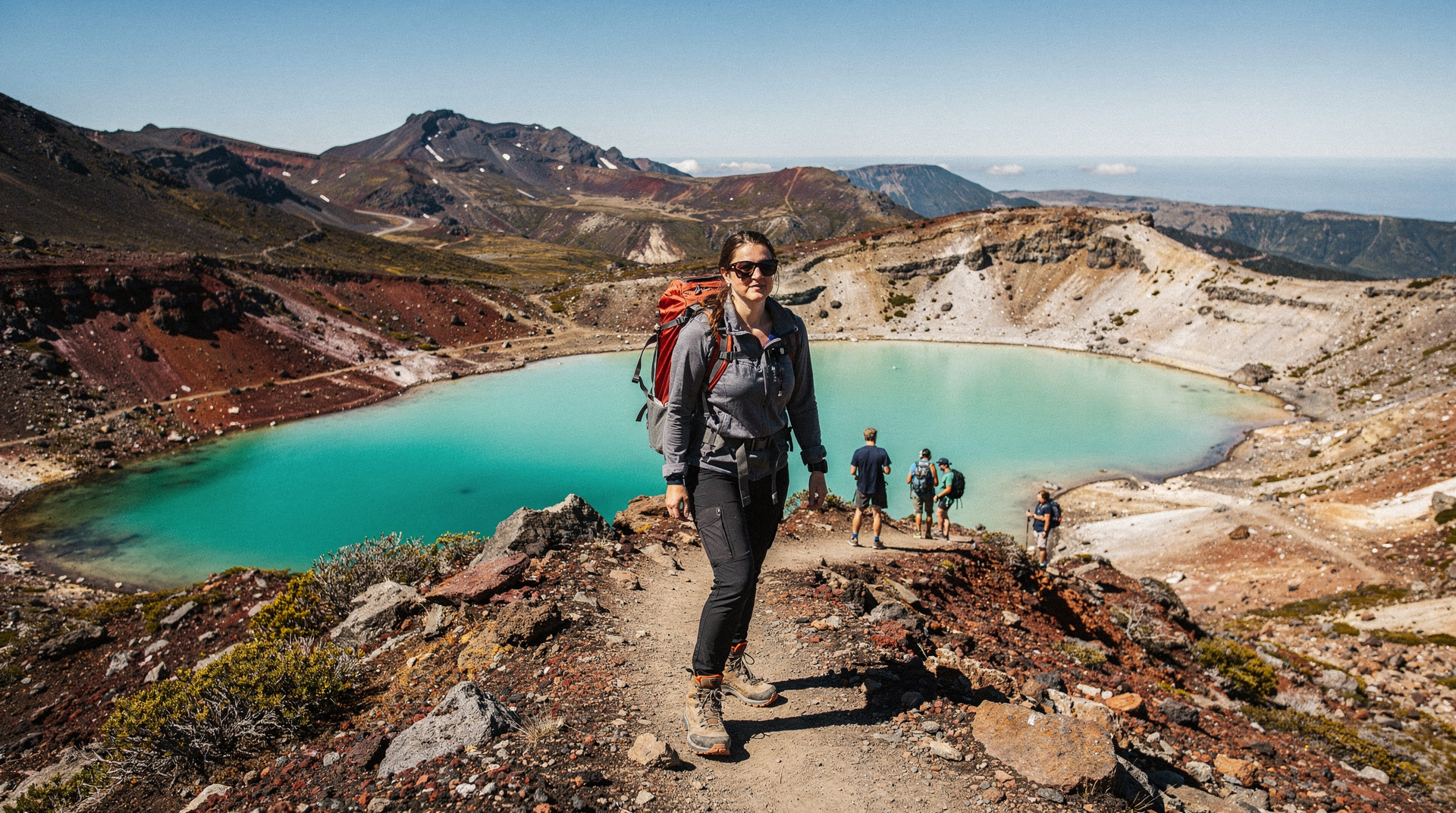
Is New Zealand safe
Honest safety guide to New Zealand: crime rates, road safety, natural hazards, ocean swimming, wilderness risks, and how safe NZ actually is for tourists.
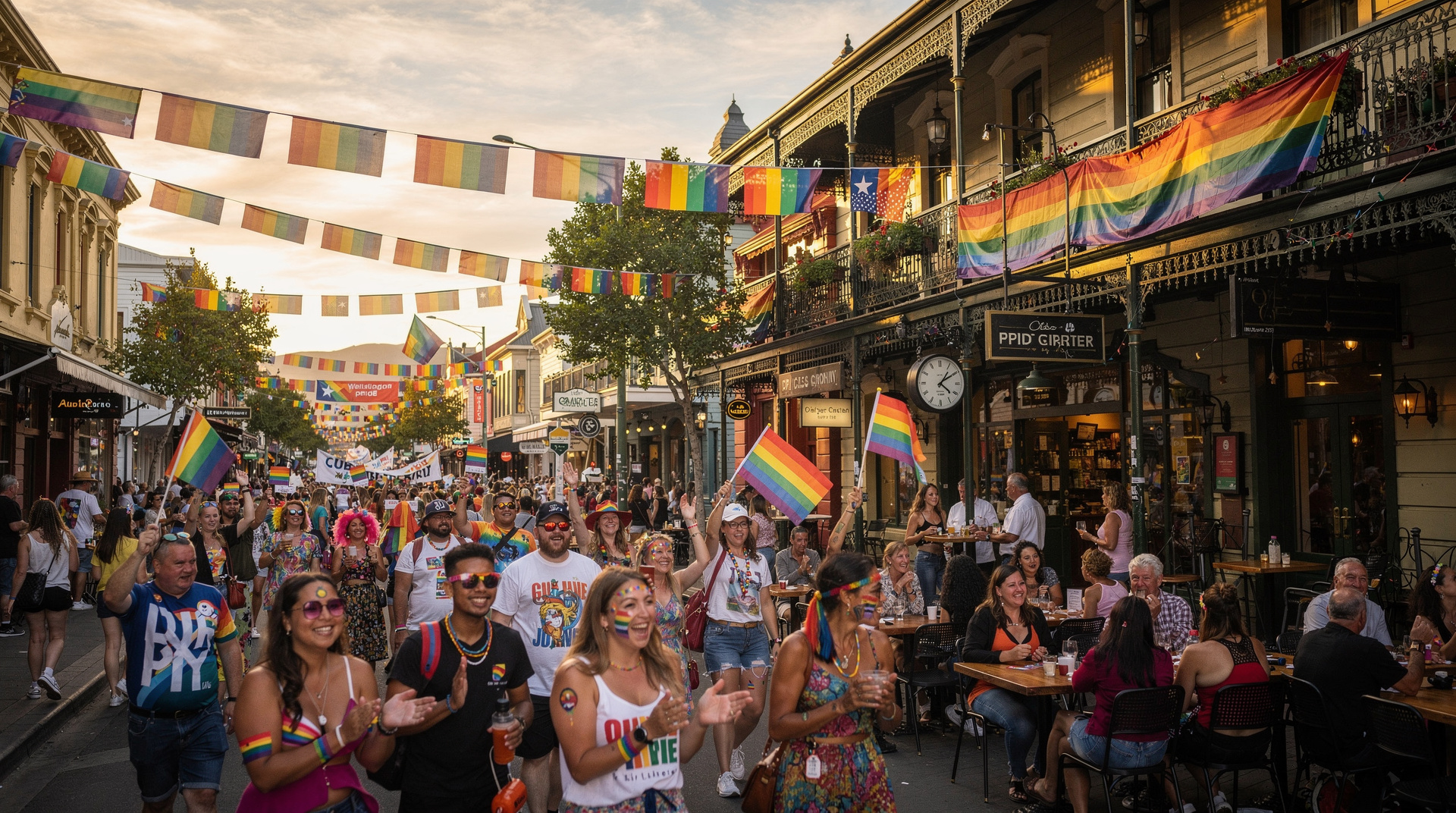
LGBTQ+ travel in New Zealand
Honest LGBTQ+ travel guide for NZ: legal rights, safety by city and region, Pride events, best neighbourhoods, and what makes NZ genuinely welcoming.
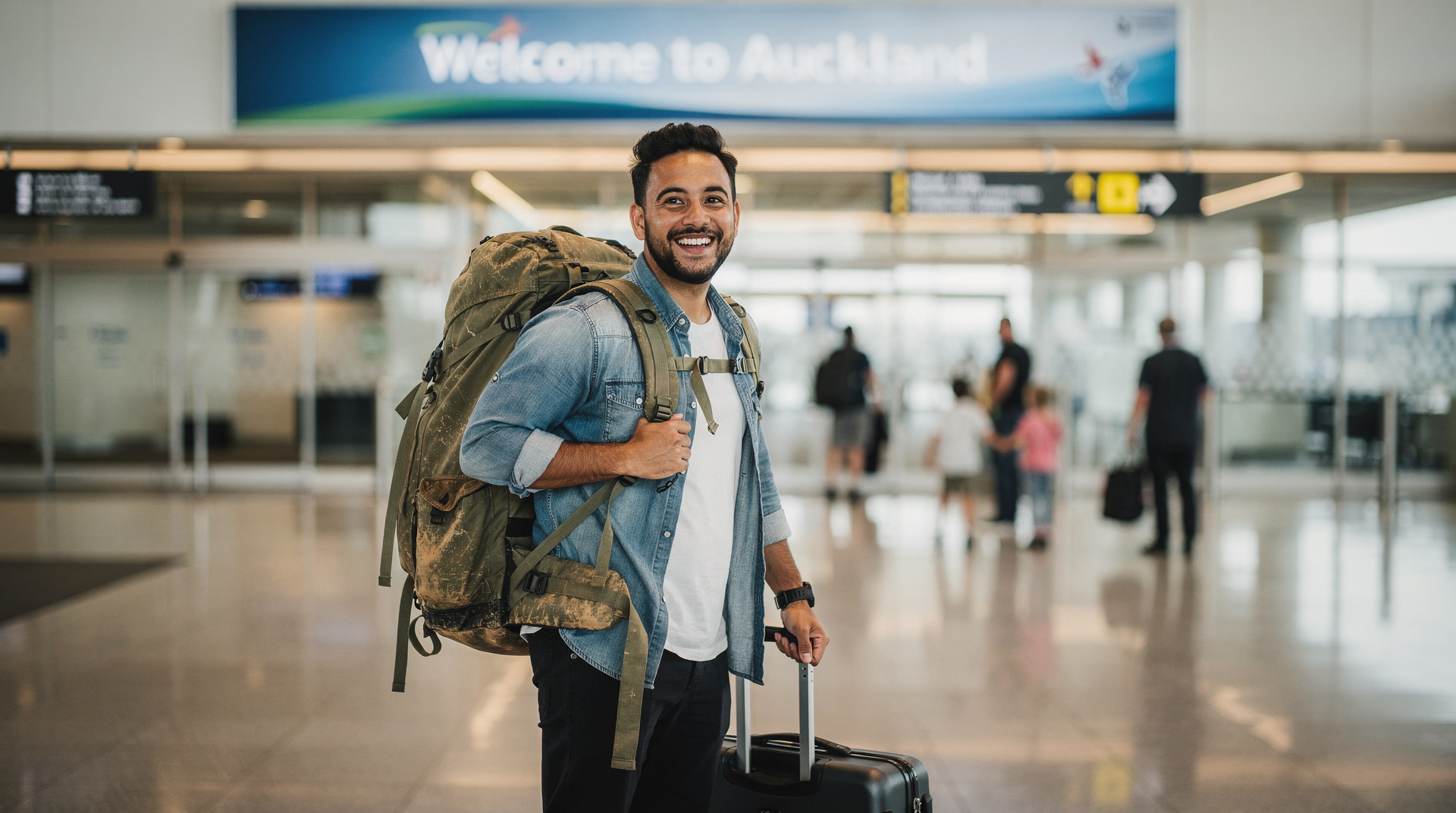
First time in New Zealand
Complete first-timer's guide to NZ: costs, logistics, Maori culture, what to book early, and how to structure 7–21 days.
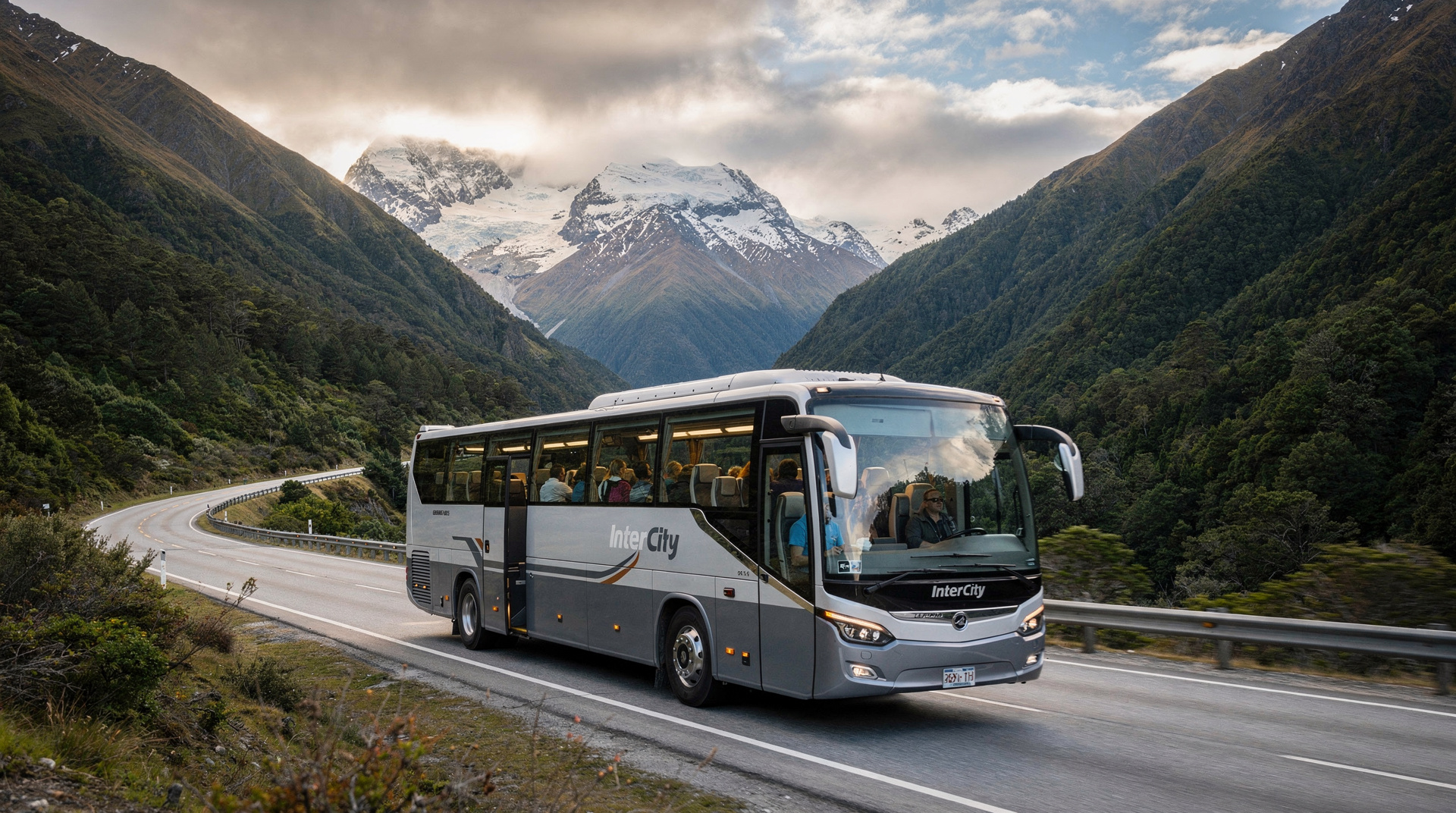
InterCity bus guide
Complete InterCity bus guide for NZ: main routes, FlexiPass vs point-to-point, actual journey times, and when the bus is smarter than renting a car.
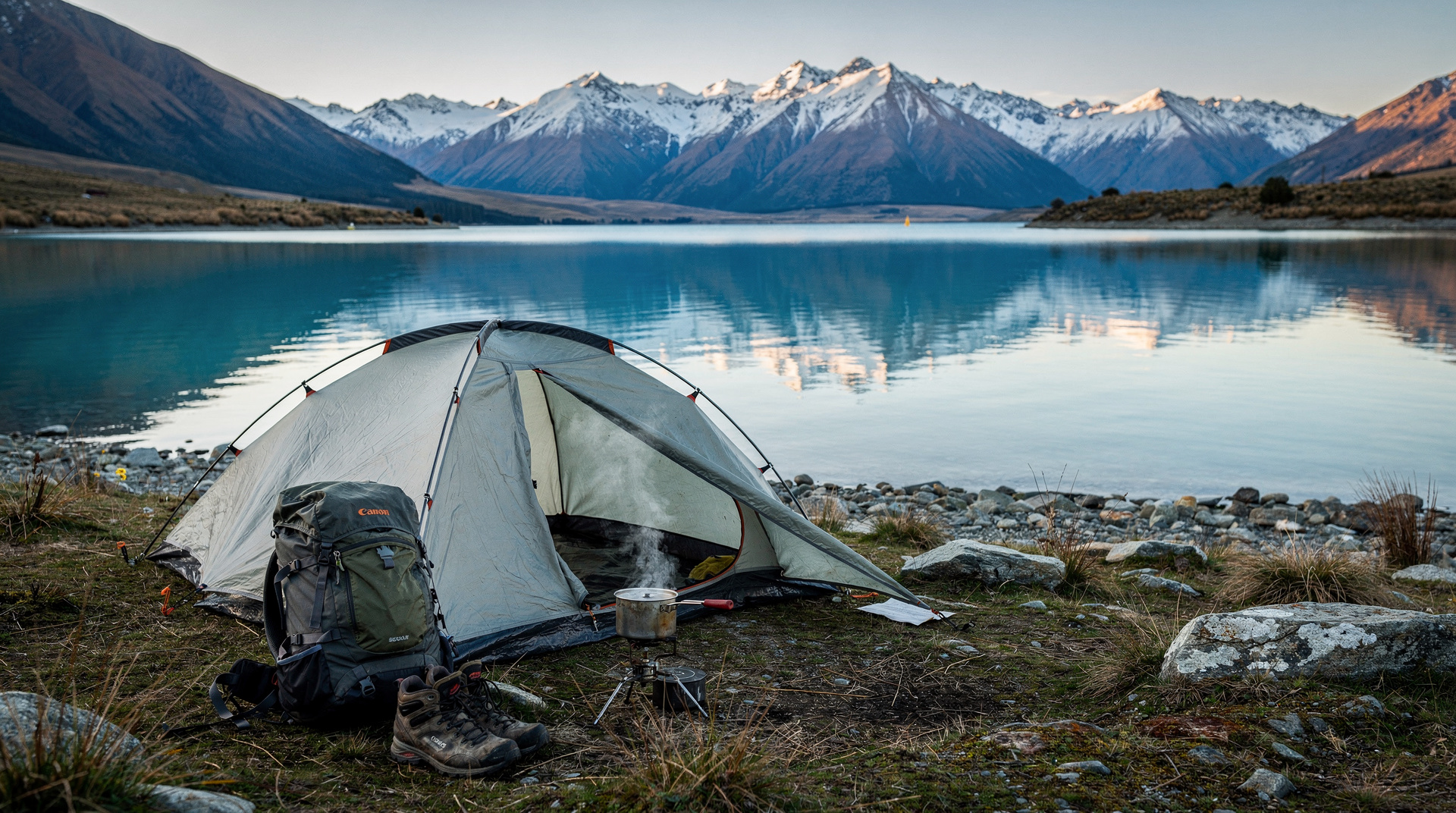
New Zealand on a budget
Honest budget guide to NZ: real daily costs, where to save, where not to cheap out, free things, and how to stretch NZD on a backpacker or mid-range budget.
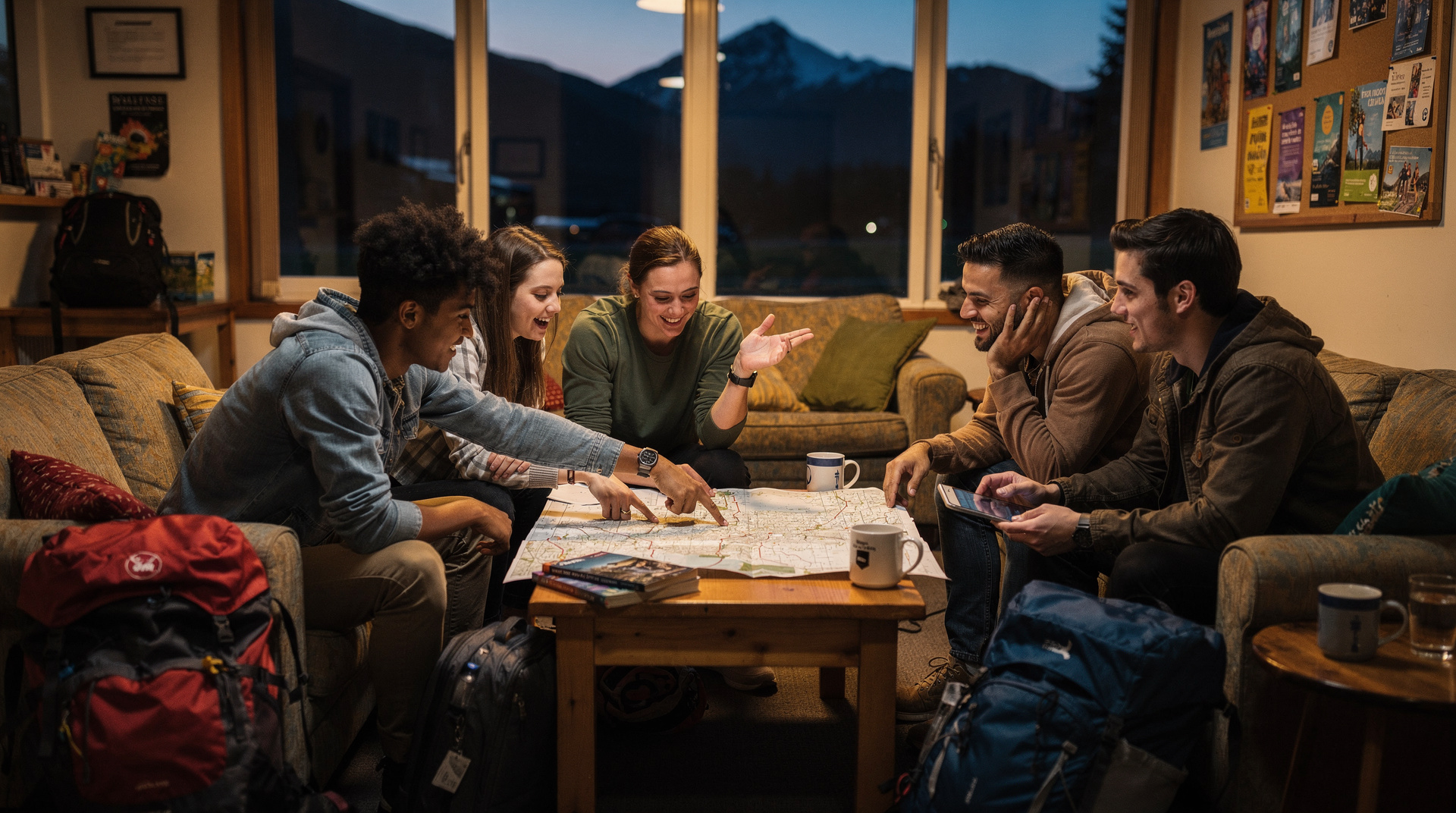
New Zealand backpacker itinerary — 28 days on a budget
28-day NZ backpacker trip for WHV travellers: Stray Bus, hostels, freedom camping, and the classic NZ experience. Budget under NZD 120/day with real costs.
Last reviewed: