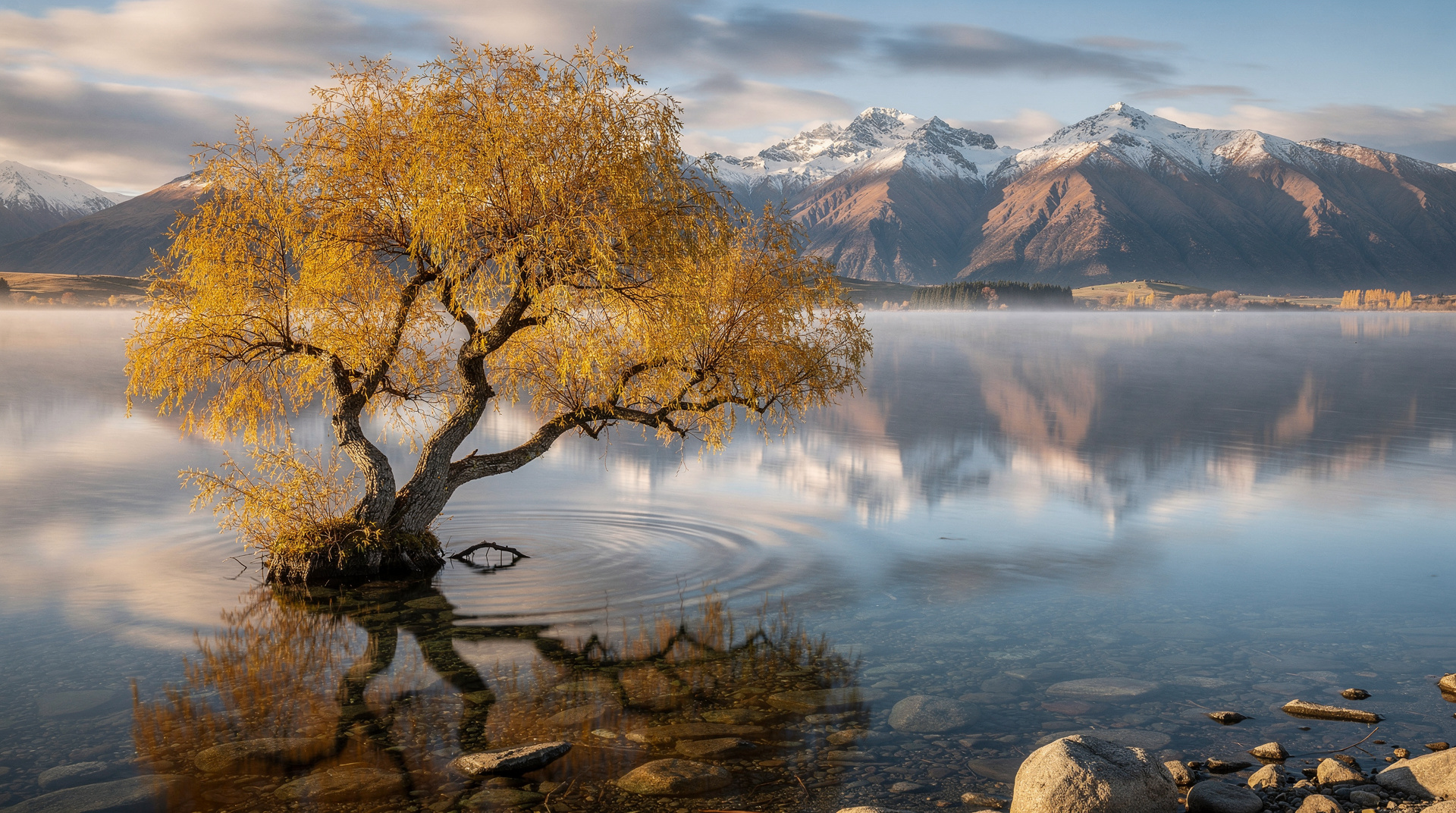
Packing list for New Zealand
What should I pack for New Zealand?
Pack layers — New Zealand's weather changes fast and can be 4 seasons in one day, especially on the South Island. Essential: waterproof jacket, walking shoes (trails everywhere), sun hat and SPF50+ (southern ozone layer — UV is intense), power adapter (Type I), and clean outdoor gear for biosecurity inspection. Overpacking is the main mistake.
What to actually pack for New Zealand
New Zealand travel writing frequently lists “pack layers” without explaining why. Here is the actual reason: New Zealand’s terrain compresses enormous elevation change into short distances. You can be warm at sea level in Queenstown at noon and cold and wet on the Crown Range 45 minutes later. Fiordland receives 7,000mm of rain per year; the Central Otago basin 300km east is semi-arid. The entire West Coast is damp; Marlborough is one of the sunniest regions in the Southern Hemisphere.
Your clothing choices need to handle this variability without requiring a separate suitcase for each climate zone.
| Core layer strategy | Base + fleece/wool mid-layer + waterproof outer |
| Non-negotiable item | Waterproof jacket, worn or carried daily regardless of season |
| Biosecurity rule | Declare all food, plant material and unclean outdoor gear |
| Power | Type I adapter, 230V — no voltage converter needed for dual-voltage devices |
| Best time to check gear | Before you fly — buy adapters/sunscreen at home, cheaper than NZ airport shops |
The second essential reality: New Zealand’s biosecurity is among the strictest in the world. What you bring through customs affects more than your packing choices — it carries legal consequences. The biosecurity section of this guide is not optional reading.
The core packing philosophy
New Zealand activities are primarily outdoors — hiking, kayaking, whale watching, hot springs, scenic drives, Maori cultural experiences, farm visits, wine trails. You will almost never need formal eveningwear. Even Queenstown’s upscale restaurants are “smart casual” at most.
Build your wardrobe around:
- A base of versatile casual wear
- A mid-layer for warmth (fleece or merino)
- One proper waterproof outer layer
- One set of comfortable hiking/walking shoes
- Packable day bag for activities
Everything else is optional. Resist the urge to bring outfits — bring items that work in multiple combinations.
Clothing by season
Summer (December-February)
What to expect: Warm and mostly dry in most regions. Auckland 24-28°C; Queenstown 25-30°C; Fiordland still wet and unpredictable; alpine areas can have afternoon thunderstorms even in summer.
- 3-4 t-shirts or light tops
- 2 pairs of shorts or light trousers
- 1 pair of walking/hiking trousers (zip-off works well)
- 1 light fleece or wool mid-layer (for evenings and alpine)
- 1 waterproof jacket (rain still happens in summer — carry it always)
- Swimwear (beaches, Polynesian Spa Rotorua, Hanmer Springs)
- Sun hat with brim (essential — UV is intense)
- Sandals for beach/resort use
- Walking shoes (trail-ready, not flip-flops)
Autumn (March-May)
What to expect: Beautiful weather, particularly in Central Otago and Marlborough. Temperatures cooling; evenings in Queenstown can drop to 8-12°C by May.
- As summer, plus:
- 1 extra mid-layer (lighter down jacket or thicker fleece)
- Light gloves for early morning
Winter (June-August)
What to expect: Cold in the South Island, particularly at elevation. Queenstown can drop to -2°C overnight. Fiordland is wet and moody. The North Island is milder (Wellington 12-16°C daytime).
- Thermal base layer (top and bottom)
- 2 fleeces or a fleece + down jacket
- Waterproof outer (essential, worn daily)
- Warm hat and gloves (not novelty items — real function required)
- Waterproof boots or trail shoes with waterproof lining
- 2 pairs of warm trousers (not jeans — they take forever to dry and are cold when wet)
- If skiing: ski jacket, pants, and base layers (rentable at resorts if space is limited)
Spring (September-November)
What to expect: Variable. October is lambing season — beautiful but muddy in farm areas. Weather can swing from warm and sunny to cold and wet in hours.
- Mix of summer and autumn items
- Waterproof jacket always
- Layers you can add and remove quickly
Footwear
The most important packing decision: Bring one pair of shoes that can do everything — town walking, day hikes, and light trail use. Salomon X Ultra, Hoka Speedgoat, or equivalent trail-to-town shoes are ideal. Add flip-flops or light sandals for accommodation.
Do not bring: Converse or canvas shoes (useless in any rain), heavy hiking boots (unless you are doing multi-day Great Walks), heels (unless you specifically want them for Auckland/Wellington dinner nights — not required).
For Great Walks: If you are doing the Milford, Routeburn, Kepler, or Heaphy tracks, proper waterproof hiking boots are worth bringing or hiring. The tracks are well-maintained, but stream crossings and mud sections require real ankle and waterproof support.
Sun protection
New Zealand has a hole in the ozone layer directly overhead (the Antarctic ozone depletion). UV intensity is significantly higher than equivalent latitudes in the Northern Hemisphere — on a cloudless summer day in Christchurch, UV index reaches 11-13 (extreme), compared to 6-8 in southern France at the same time of year.
Essential:
- SPF50+ broad-spectrum sunscreen (reapply every 2 hours outdoors)
- Brimmed hat (a baseball cap leaves your neck exposed — get a broad brim)
- UV-blocking sunglasses
- Long-sleeve light shirt for extended outdoor exposure
Locals wear sunscreen in winter too. Do not be the tourist who gets badly burned on a cloudy summer day because cloud does not block UV.
Electronics
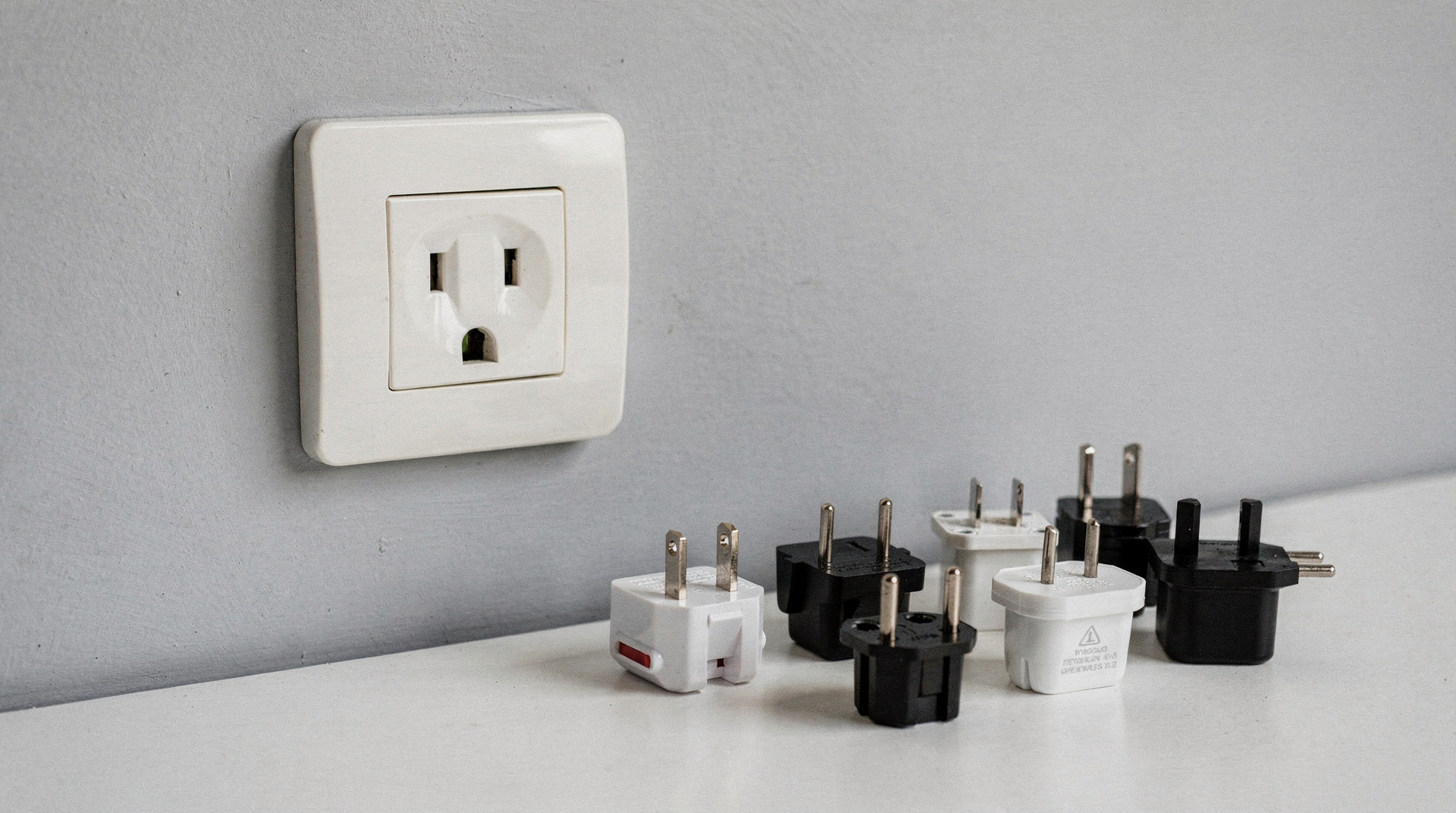
Power adapter: New Zealand uses Type I outlets (angled flat pins, same as Australia). Voltage: 230V, 50Hz. If your devices are 100-240V (check the plug brick or device label — most modern laptops, phones, and cameras are), you need only an adapter plug, not a voltage converter. Most portable battery chargers and camera chargers are dual-voltage.
Buy the adapter before you leave — airport gift shops sell them for NZD 25-35; a travel adapter from a home hardware store costs NZD 5-12 online.
Other electronics to bring:
- Portable battery bank (hiking days away from power)
- Camera (NZ’s landscapes reward real cameras, not just phone cameras)
- Headphone cables/adapters for plane use
- Laptop/tablet if working remotely
What is available locally: All major electronics are available in New Zealand (JB Hi-Fi, Harvey Norman, PB Technologies). If you forget a cable or charger, you can buy replacements easily in Auckland or Christchurch.
The biosecurity essentials
New Zealand Customs and Biosecurity NZ carry out checks on all arriving passengers. The consequences of getting this wrong range from NZD 400 fines to prosecution. This is not bureaucratic theatre — it is protection of an island ecosystem with no native land predators, where introduced pests (stoats, possums, rats) are actively managed.
Declare everything organic:
- Any food, including processed/sealed items, nuts, seeds, dried fruit
- Any wooden items (carvings, walking sticks, wooden souvenirs from other countries)
- Outdoor/adventure equipment — particularly walking boots, mountain bikes, ski equipment, water sports gear
Clean your outdoor gear before travel:
- Boots: remove all soil, mud, and plant material from treads. Biosecurity officers inspect these.
- Tents: shake out thoroughly; remove any plant debris
- Bikes: clean thoroughly, particularly the drivetrain and tyres
- Fishing gear: clean and dry completely
What cannot be brought:
- Fresh fruit and vegetables (no exceptions)
- Uncooked meat or fresh eggs
- Most plant material with roots or soil
- Live animals (special permit process, months in advance — see pets in New Zealand)
What can be brought with declaration:
- Commercially processed and sealed food items (biscuits, chocolate, dried goods) — declare them and they are usually passed through
- Dried herbs and tea in sealed packaging
- Musical instruments with wooden parts (declare; inspection required)
If in doubt, declare. The biosecurity declaration form has “Yes” and “No” checkboxes — tick “Yes” for anything potentially organic. The worst outcome of declaring something is a 5-minute inspection. The worst outcome of not declaring is a NZD 400 on-the-spot fine and potential prosecution.
Day bag essentials
For any hiking or outdoor day:
- 20-30L daypack
- Reusable water bottle (New Zealand tap water is excellent — no need to buy bottles)
- Rain jacket
- Sunscreen and lip balm
- Snacks (local: Whittaker’s chocolate, Proper Crisps, muesli bars)
- First aid basics (plasters, blister treatment if hiking)
- Offline maps downloaded on phone
- Portable battery bank
Packing differently for the North vs South Island
If your trip is weighted heavily toward one island, adjust your packing accordingly rather than defaulting to a generic four-season kit. A North Island-only trip focused on Auckland, Rotorua and the Bay of Islands can genuinely lean lighter — warmer temperatures, less elevation change, and fewer alpine conditions mean you can drop the heavier mid-layer and prioritise sun protection instead.
A South Island-heavy trip through Queenstown, Wanaka and Fiordland needs the fuller kit even in summer — evenings drop fast at elevation, and Milford Sound’s 7,000mm annual rainfall means a genuine waterproof (not water-resistant) layer is essential regardless of the forecast. See the North vs South Island guide if you haven’t yet decided how to split your time.
Packing for specific activities
Great Walks and multi-day hiking: Beyond the general footwear advice above, pack a proper first aid kit, a physical map as backup to phone GPS (coverage drops on most tracks), and a headtorch even for day walks — weather can extend a walk beyond the planned time. Adventure activities (bungy, jet boating, skydiving): Wear layers that are easy to remove and secure — loose items get confiscated before jumps for safety.
Bring a change of dry clothes for jet boating, which soaks you. Wine touring in Marlborough or Central Otago: Smart casual is genuinely enough; no need for anything more formal than you’d wear to a nice lunch. Stargazing at Lake Tekapo or the Mackenzie Basin: Bring the warmest layer in your bag regardless of season — clear night skies mean cold nights, and stargazing sessions run 1–2 hours standing outdoors.
What to leave at home
- Formal attire (evening dresses, suits) — almost never needed
- More than 2 pairs of shoes (they take space and weight)
- Guidebooks (heavy, out of date — use this site offline)
- Towels (all accommodation provides them; campervans include them)
- Multiple hair styling tools (international visitors’ hair styling supplies work on 230V NZ outlets with an adapter)
Frequently asked questions about packing for NZ
Can I buy things in New Zealand if I forget them?
Yes. New Zealand has excellent retail in all major cities: outdoor gear (Kathmandu, Macpac, Torpedo7), pharmacies (Chemist Warehouse, Life Pharmacy), supermarkets, and electronics. If you forget a specific branded item, expect NZ prices to be 10-20% higher than US/EU equivalent but perfectly available.
Should I bring cash or is card sufficient?
Bring NZD 100-200 in cash for rural areas, markets, and small operators. Cards handle 90%+ of transactions. See the currency and money guide.
Can I bring a drone to New Zealand?
Yes, with Civil Aviation Authority registration (required for drones 250g+). Many popular scenic areas — national parks, near airports, above people — have drone restrictions. Check CAA NZ rules and the park-specific regulations before flying. Drone confiscation and fines apply in restricted airspace.
Do I need travel insurance?
Strongly recommended. New Zealand’s ACC scheme covers accident-related medical costs for all visitors, but it does not cover illness, pre-existing conditions, dental, or cancellations. A standard single-trip policy for 3 weeks costs approximately USD 40-120 depending on coverage level and your home country.
What medical supplies should I bring?
New Zealand has excellent pharmacies (Chemist Warehouse and others), but specific brands may differ. Bring: any prescription medications in original packaging with a doctor’s letter, antihistamines if allergy-prone (NZ has high pollen in spring), insect repellent (sandflies on the West Coast are notorious — DEET-based spray or picaridin), and any personal medical devices.
Do I need different gear for the Great Walks than for general sightseeing?
Somewhat. General NZ travel needs one solid pair of trail-to-town shoes and a waterproof jacket; the Great Walks (Milford, Routeburn, Kepler, Abel Tasman) justify real waterproof hiking boots with ankle support, since stream crossings and mud sections are common. If a Great Walk is a highlight of your trip, hire or bring proper boots specifically for it rather than relying on your everyday walking shoes.
Is it worth buying gear in New Zealand instead of bringing it from home?
For anything you’re missing, yes — Kathmandu, Macpac and Torpedo7 have solid outdoor gear in every major city, typically 10–20% above US/EU prices but perfectly serviceable. It’s not worth deliberately under-packing to shop locally, since prices are genuinely higher, but it removes the stress of forgetting something essential.
Related guides and itineraries
- Electricity and plugs in New Zealand — adapter specifications
- Driving in New Zealand — what to keep in the car
- Best eSIM for New Zealand — connectivity preparation
- NZeTA visa guide — entry preparation including biosecurity declaration
- New Zealand on a budget — what you can buy locally cheaply
- First time in New Zealand — complete pre-departure guide
- Best time to visit New Zealand — pack for the right season
Related guides

First time in New Zealand
Complete first-timer's guide to NZ: costs, logistics, Maori culture, what to book early, and how to structure 7–21 days.
Electricity and plugs in New Zealand
New Zealand uses Type I plugs (angled flat pins) at 230V/50Hz. What adapter you need, which devices work without converters, and what to buy before you travel.
Best eSIM for New Zealand
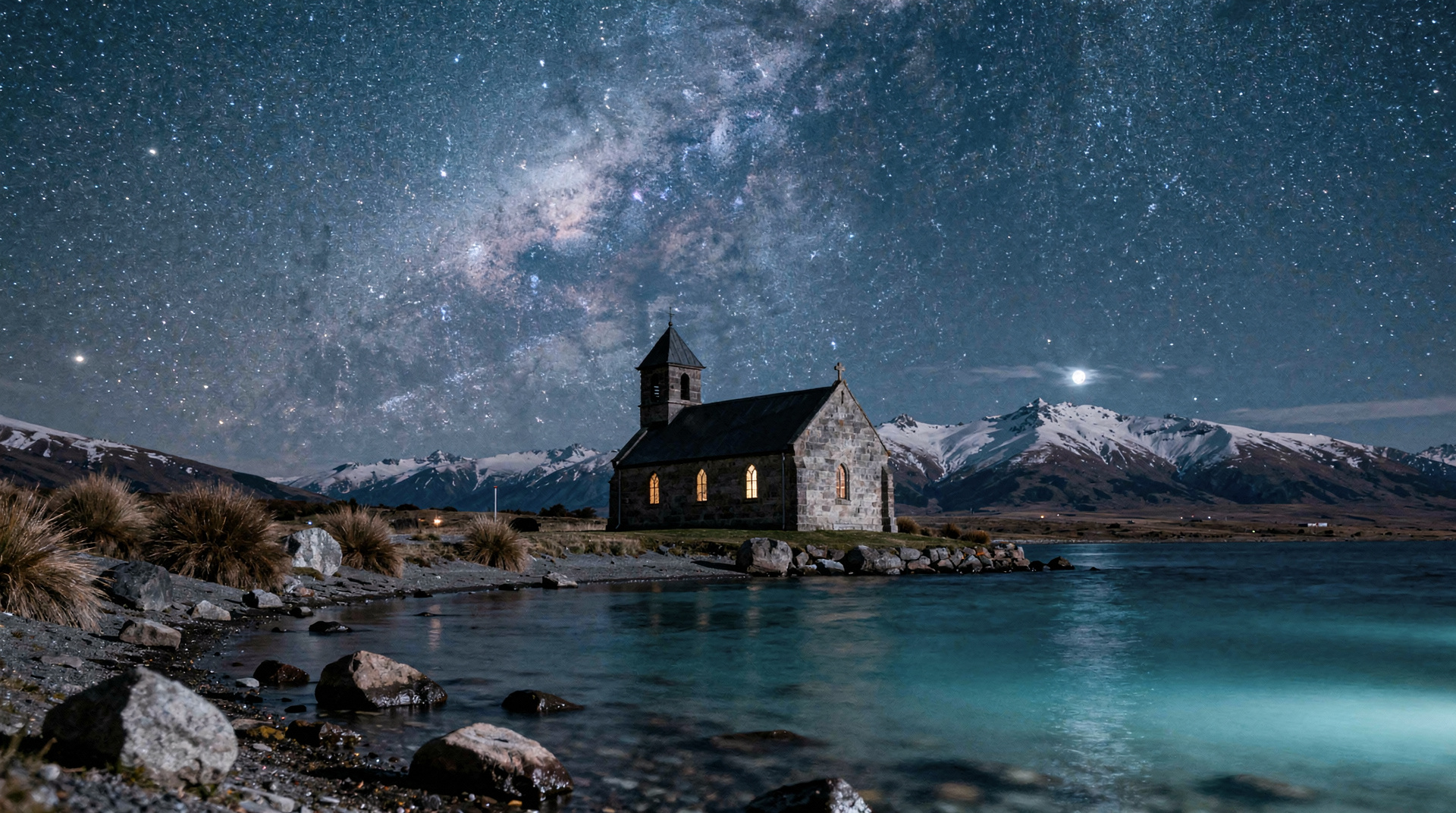
Honest eSIM guide for NZ: which providers actually work, coverage gaps in rural NZ, how much data you need, and what to do when signal disappears.
Driving in New Zealand
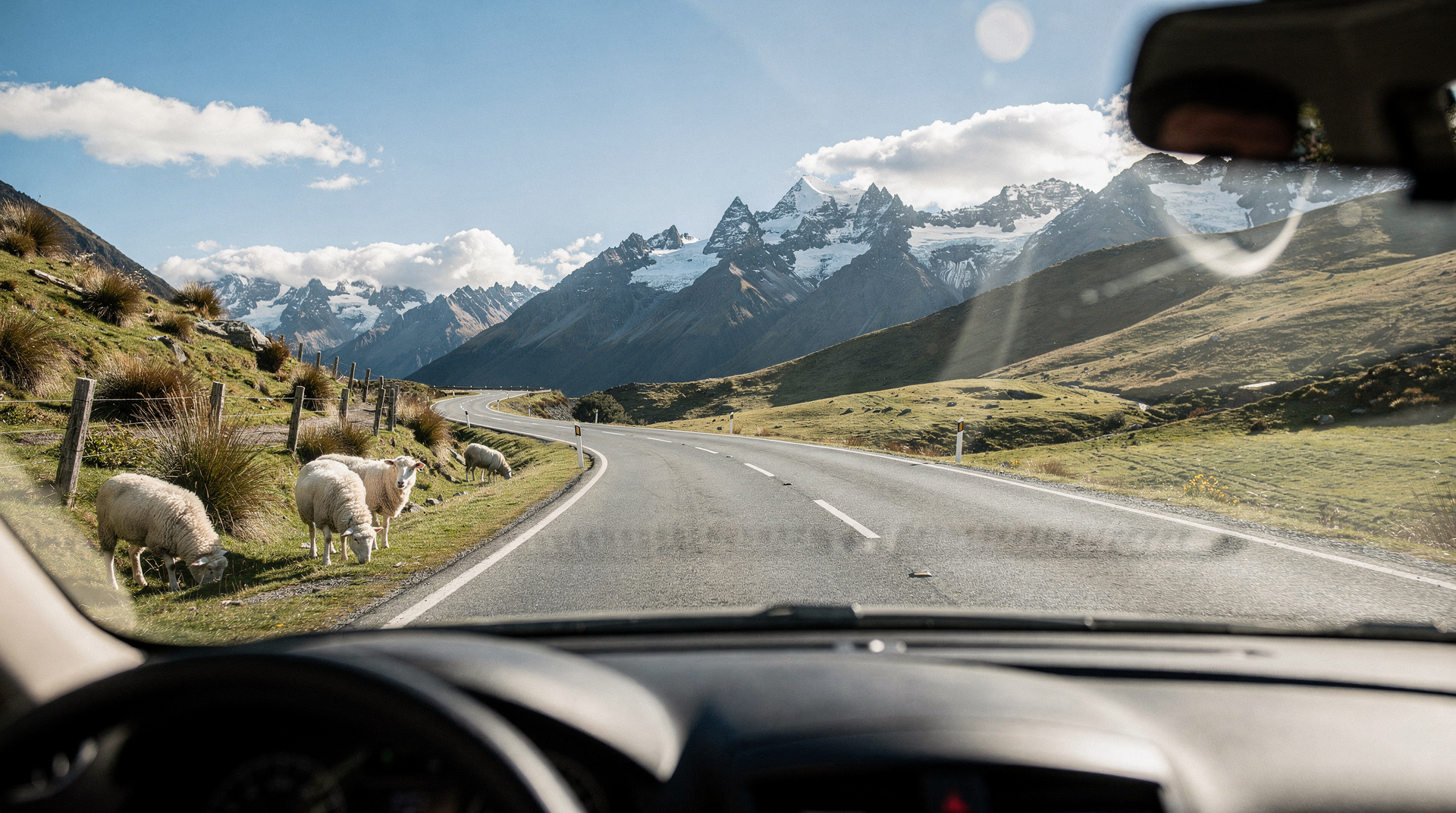
Honest driving guide for NZ: left-side rules, gravel road etiquette, why GPS lies, fuel costs, one-lane bridges, and what rental companies don't tell you.
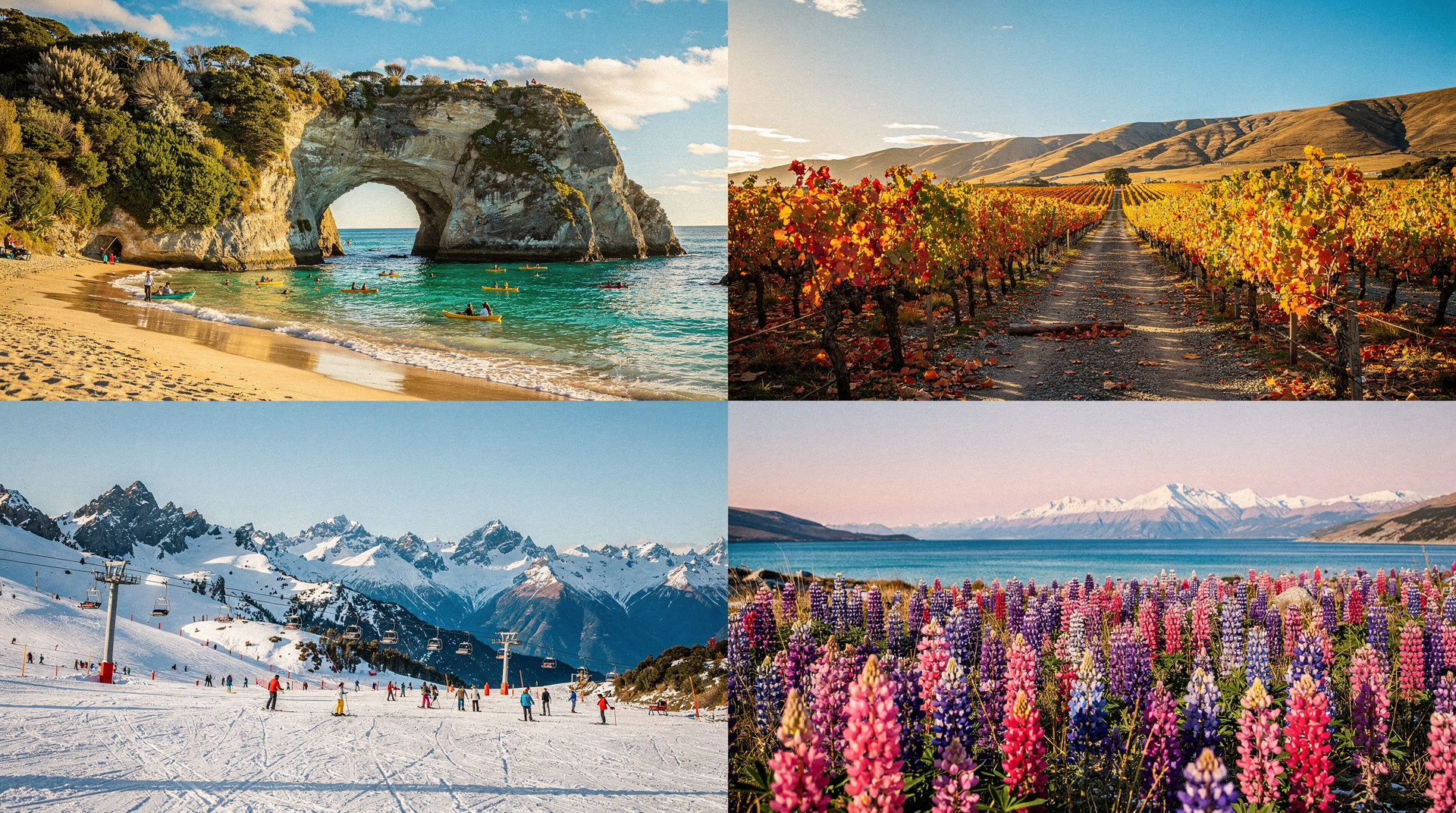
Best time to visit New Zealand
When to visit New Zealand: honest breakdown by season, region, and activity type. Summer is not always best. Spring and autumn often outperform the peak season.
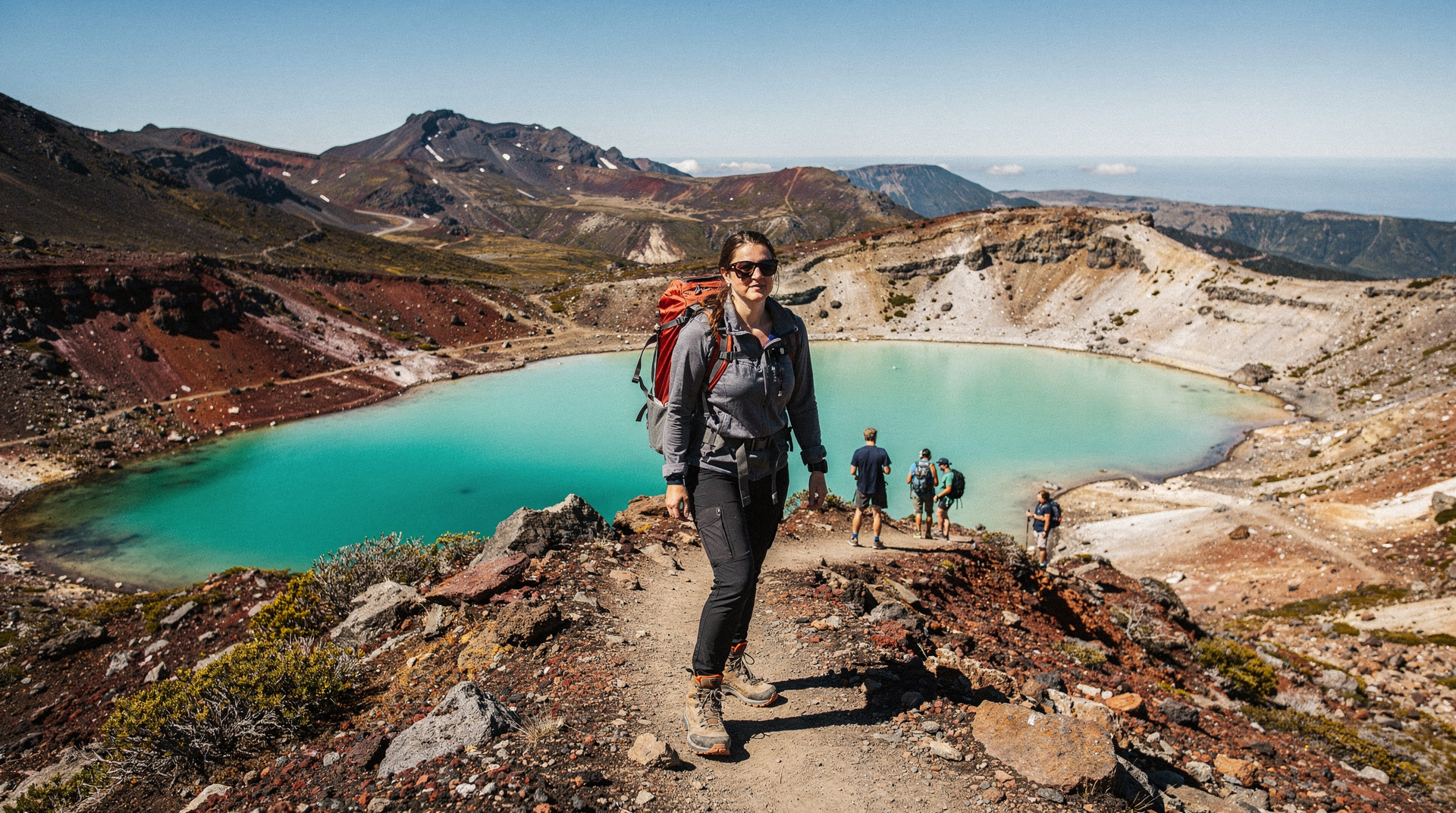
Is New Zealand safe
Honest safety guide to New Zealand: crime rates, road safety, natural hazards, ocean swimming, wilderness risks, and how safe NZ actually is for tourists.
Last reviewed: