Lake Wanaka — guide to Queenstown's quieter rival
What is 'that Wanaka Tree' and is it still standing?
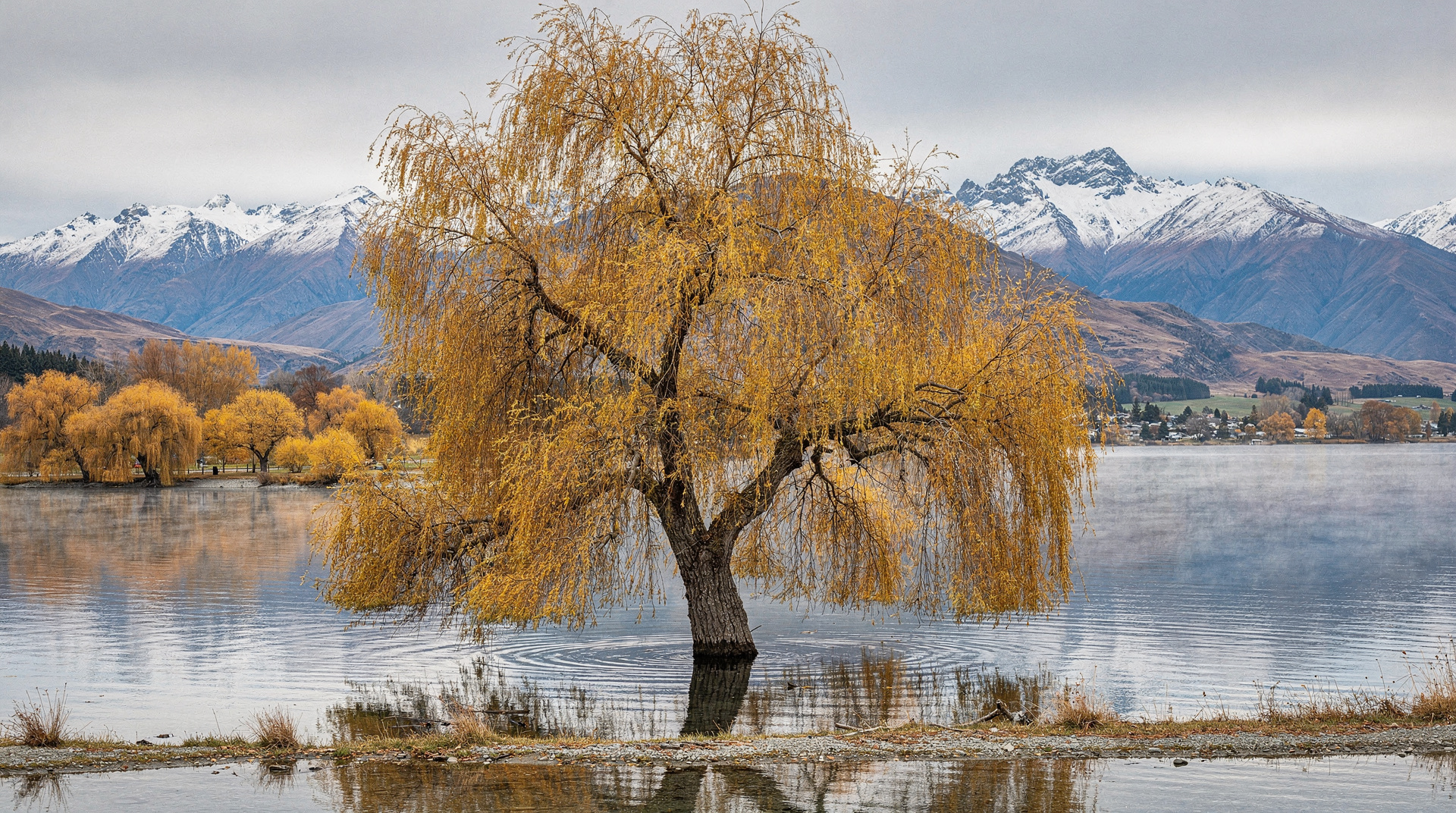
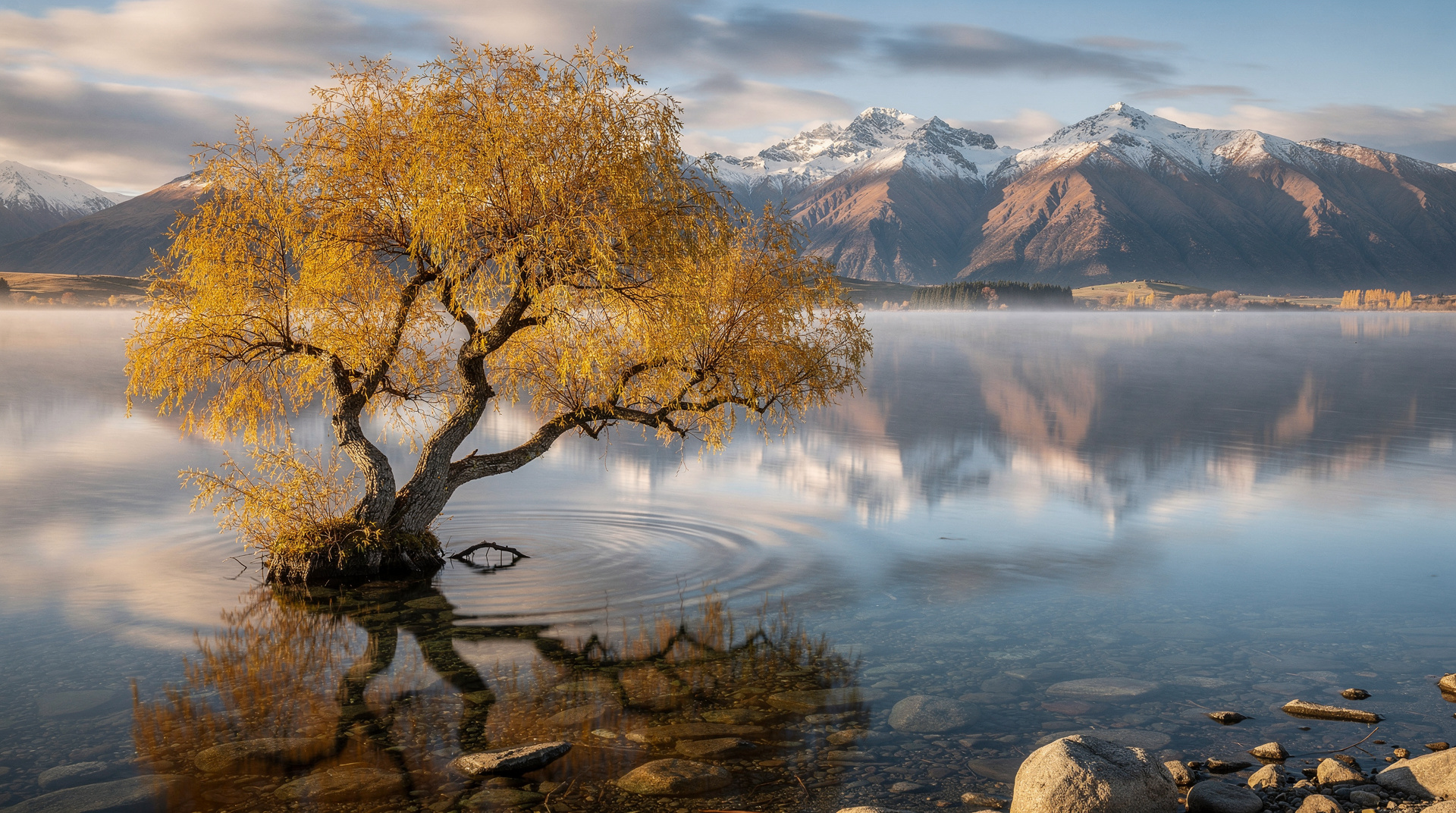
A solitary willow tree growing from a rock shelf just offshore from Wanaka's lakefront — one of the most-photographed trees in New Zealand. Yes, it's still there as of 2026. The tree is accessible by wading (knee-deep in summer) or photographed from the shore with a zoom lens. Best light is at sunrise. Please don't climb it — the roots are fragile.
Wanaka’s lake: the backdrop that defines a town
Lake Wanaka is 192 square kilometres of glacially carved lake surrounded by mountains on three sides, with a braided river outlet draining south toward Cromwell and the Clutha. The town of Wanaka sits on the lake’s southern shore at 277m altitude — significantly lower and warmer than Queenstown in summer, which contributes to its reputation as New Zealand’s most pleasant summer lake town.
| Where | Wanaka township, Otago, 1.5hrs from Queenstown |
| Cost | Free lakefront and Wanaka Tree; kayak/water taxi from NZD 25 |
| Time needed | 1 night minimum, 2-3 nights for hiking too |
| Getting there | 1hr 15min from Queenstown via Crown Range or SH6 |
| Best time | Summer for the lake and hiking, autumn (April) for colour |
The lake connects to Lake Hawea (separated by a narrow isthmus at Hawea township) and to the upper Matukituki valley leading toward Mt Aspiring/Tititea. Together these three lake and valley systems constitute one of the most dramatic alpine-lake landscapes in the South Island.
This guide covers the lake itself, the water activities, the famous willow tree, and the island experiences — the hiking guides for Roy’s Peak and other surrounding walks are covered separately in the Wanaka day hikes guide.
That Wanaka Tree
The willow tree growing from a submerged rock shelf 5 metres from the lakefront has been photographed approximately five million times. It appears in tourism campaigns for New Zealand, Wanaka, Otago, and has been described as New Zealand’s most Instagrammed image.
Practical visit notes:
- The tree is on the lakefront walkway, approximately 500m east of the town centre
- In summer, wade out to the rock shelf (knee-deep, rocky bottom — wear footwear)
- In winter when lake levels are higher, the base is submerged and the tree appears to grow directly from the water
- Best photography: sunrise (east-facing tree with morning light, calm water)
- Climbers have damaged the root structure in previous years — DOC now asks visitors not to climb it
The tree is a planted willow — not native, not ancient (estimated 80-100 years old). This doesn’t diminish its photography value, but contextualises the affection somewhat.
On the water
Mou Waho Island
Mou Waho Island sits 12 km from Wanaka by water — a predator-free island reserve within the lake. The island has a resident population of crested grebe and other native birds, and a loop track that passes a small alpine lake (Arethusa Pool) at the island’s summit with extraordinary views over Lake Wanaka.
The Wanaka: Water Taxi & Mou Waho Island Tour provides water taxi transport to the island for self-guided exploration. NZD 65-85 / USD 39-51 / EUR 36-47.
The Mou Waho Island: 3-Hour Cruise and Guided Nature Walk (from Wanaka) combines a guided cruise across the lake with a 3-hour guided walk on the island. NZD 125-155 / USD 75-93 / EUR 69-85.
For a full-day experience, the Wanaka: Stevensons Island 2-Hour Cruise and Nature Walk visits Stevensons Island (a second lake island) in addition to Mou Waho. NZD 155-185 / USD 93-111 / EUR 85-102.
Kayak and paddleboard
Lake Wanaka is excellent for kayaking — sheltered bays, clear water, and mountain views from water level. Several operators on the lakefront offer hire:
The Wanaka: Full-Day or Half-Day Guided Kayak Tour provides guided kayak tours of the lake’s bays and coves. NZD 120-155 / USD 72-93 / EUR 66-85.
Self-guided hire from lakefront operators: NZD 25-45/hour for kayak, NZD 20-35/hour for paddleboard.
Water temperature: 14-16°C in summer (swimmable), 6-8°C in winter. Wetsuits recommended year-round for paddleboard — capsize immersion in winter is a cold-water risk.
The packraft option
The Wanaka: Full-Day Guided Packrafting Tour with Lunch offers inflatable packraft exploration of the Clutha River outlet and lake margin — an unusual water perspective on the lake. NZD 165-195 / USD 99-117 / EUR 91-107.
4WD and boat combo
The Wanaka: Mount Burke 4x4 Explorer and Boat Tour accesses the remote western shore of the lake by 4WD and boat, reaching farmland and viewpoints impossible to access by normal transport. NZD 185-225 / USD 111-135 / EUR 102-124.
The town: what to know
Wanaka township (population approximately 10,000) has evolved from a quiet ski-season village into a year-round destination. The lakefront area is compact and walkable. Key points:
Puzzling World: An attraction purpose-built for the tourist trade — a collection of optical illusions, tilted buildings, and 3D mazes. Genuinely amusing, not deeplyserious, approximately NZD 22-28 / USD 13-17 / EUR 12-15 adult entry. Skip it if you’re time-limited; visit it if you have kids or a rainy afternoon.
Wanaka Beerworks and Rhyme & Reason: Two craft breweries within walking distance of the lakefront. Both produce genuinely good beer with mountain views. The standard Wanaka afternoon: long walk, cold beer.
Hawker Street food market: Rotating food trucks and street food, operating Friday evenings in summer.
Getting to Wanaka
Two roads connect Wanaka to Queenstown. The Crown Range Road (via Cardrona) is the more dramatic and shorter option — New Zealand’s highest sealed main road, climbing to 1076m with hairpin switchbacks and views over the Wakatipu and Wanaka basins. It closes occasionally in winter snow, so check conditions before relying on it in June-August. The alternative via SH6 through Cromwell is longer (about 1hr 45min against 1hr 15min for the Crown Range) but lower altitude and rarely affected by weather. Neither road is difficult by New Zealand standards, but the Crown Range rewards a stop at the summit lookout regardless of which direction you’re driving.
The Matukituki Valley
Beyond Wanaka, the Matukituki Road (sealed for 40 km, gravel for the final section) leads into the Mt Aspiring National Park — the third largest national park in New Zealand. The valley floor walk (Rob Roy Glacier, 10 km return, 3-4 hours) is the most accessible alpine walk in the area and arguably more dramatic than Roy’s Peak for mountain immediacy.
The Rob Roy Glacier track involves suspension bridge crossings, native beech forest, and a terminus view of the hanging glacier above. It is not a named Great Walk but is one of the finest day walks in Otago.
Where to eat and stay
Wanaka’s dining has grown up considerably over the past decade. Kika and Francesca’s Italian Kitchen are the standout dinner options on the lakefront strip; Big Fig does a reliable brunch. For accommodation, the lakefront motels and holiday parks fill first in summer — book well ahead for December-February and for the week either side of the Warbirds Over Wanaka airshow (held in odd-numbered years).
Budget travellers should look at the YHA or the holiday parks around the lake edge, both of which put you within walking distance of the Wanaka Tree and town centre without the premium of the lakefront hotels. For a broader comparison of where to base a South Island trip, see the Queenstown vs Wanaka guide.
Seasonal highlights
Winter (June-September): Lake Wanaka is a ski base — Treble Cone (19 km) and Cardrona (34 km) are the primary ski fields. The lake doesn’t freeze. The snow-covered surrounding mountains create an exceptional winter landscape for non-skiers.
Summer (December-February): Lake swimming, kayaking, Roy’s Peak (in January, allowing for the 1 October-10 November lambing closure). The lake is at its warmest.
Autumn (March-May): The most underrated season — the Clutha catchment poplars turn golden-orange in April, the lake is calm, and visitor numbers drop significantly from summer peaks.
Spring (September-October): Roy’s Peak is closed for lambing (1 October-10 November). Wanaka is pleasant but the hiking options are limited. Good skiing continues into late October at Cardrona and Treble Cone.
Cost breakdown (NZD / USD / EUR)
| Experience | NZD | USD | EUR |
|---|---|---|---|
| Lakefront walk and Wanaka Tree | Free | Free | Free |
| Mou Waho Island water taxi | 65-85 | 39-51 | 36-47 |
| Mou Waho guided cruise + walk | 125-155 | 75-93 | 69-85 |
| Kayak tour | 120-155 | 72-93 | 66-85 |
| Kayak self-hire (per hour) | 25-45 | 15-27 | 14-25 |
| Puzzling World | 22-28 | 13-17 | 12-15 |
Frequently asked questions
Is Wanaka better than Queenstown?
Genuinely depends on what you want. Queenstown has more adventure activities (bungy, jet boat, sky gondola), more restaurants, and more infrastructure. Wanaka is quieter, more accessible to excellent hiking, and has a local community atmosphere that Queenstown’s tourism scale has eroded. The Queenstown vs Wanaka guide covers this in depth.
Is it worth staying in Wanaka versus doing it as a day trip from Queenstown?
At minimum 1 night. The lake is most beautiful in the early morning and at sunset — both experiences require an overnight. Roy’s Peak (in season) is a full day. The Matukituki Valley walk is 3-4 hours return plus a 1-hour drive each way. Doing all this from Queenstown is theoretically possible but exhausting.
What’s the best lake beach in Wanaka?
The main town beach (in front of the lakefront parking) is the most accessible. The beach at Outlet (where the Clutha River exits the lake) is better for quieter swimming. Roys Bay (the boat ramp area) is good for families with shallow entry.
Related guides and reading
Related guides
Wanaka
Honest Wanaka guide: Roy's Peak, Cardrona ski, lake kayaking — real NZD/USD/EUR costs and the honest Queenstown vs Wanaka verdict.
Roy's Peak — Wanaka's iconic ridgeline hike
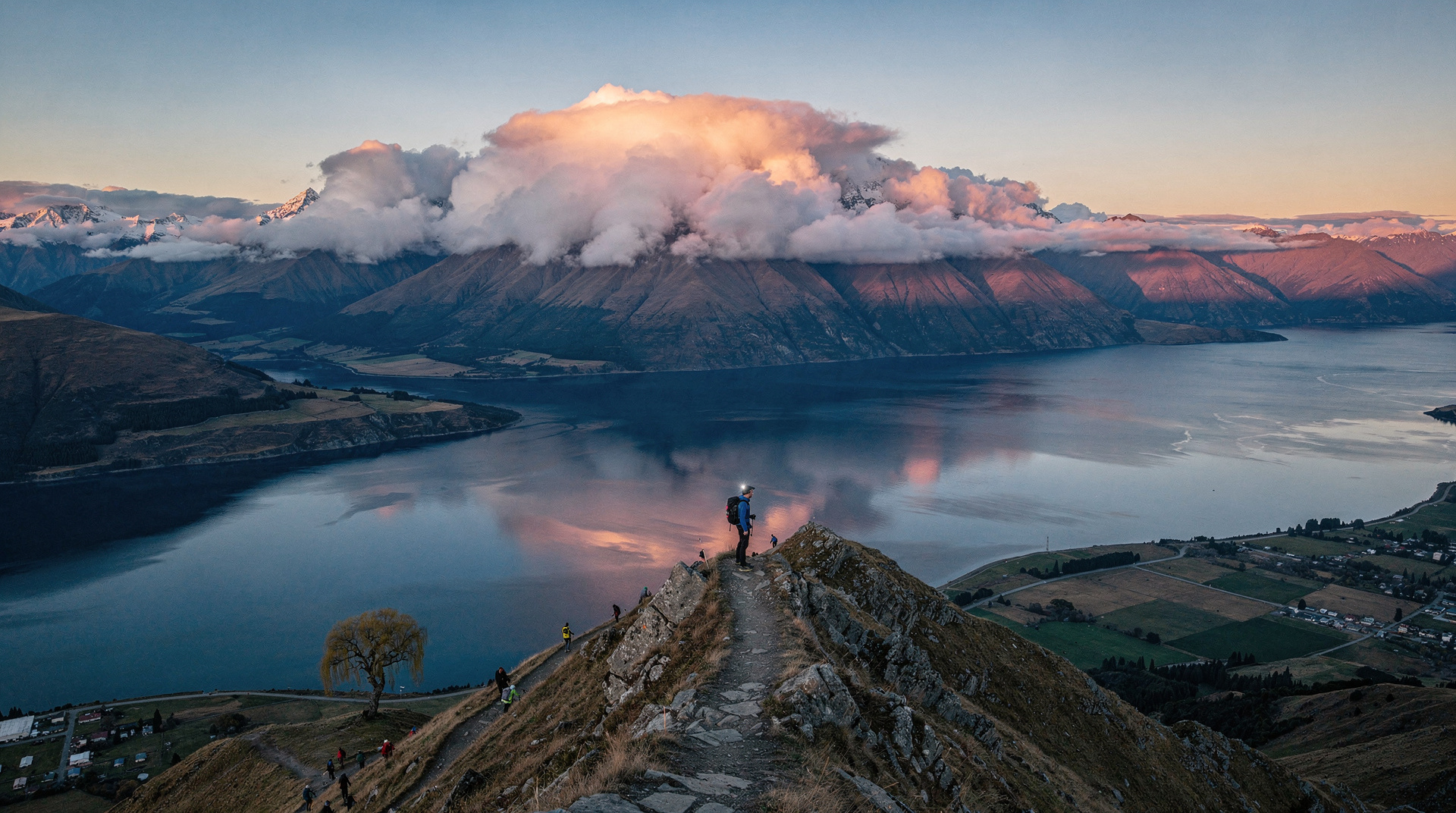
Roy's Peak: 16km return, 1250m climb, 5-7 hours. The most photographed view in Wanaka — and one of the most crowded. Honest guide with tips to beat queues.
Day hikes around Wanaka — five best options
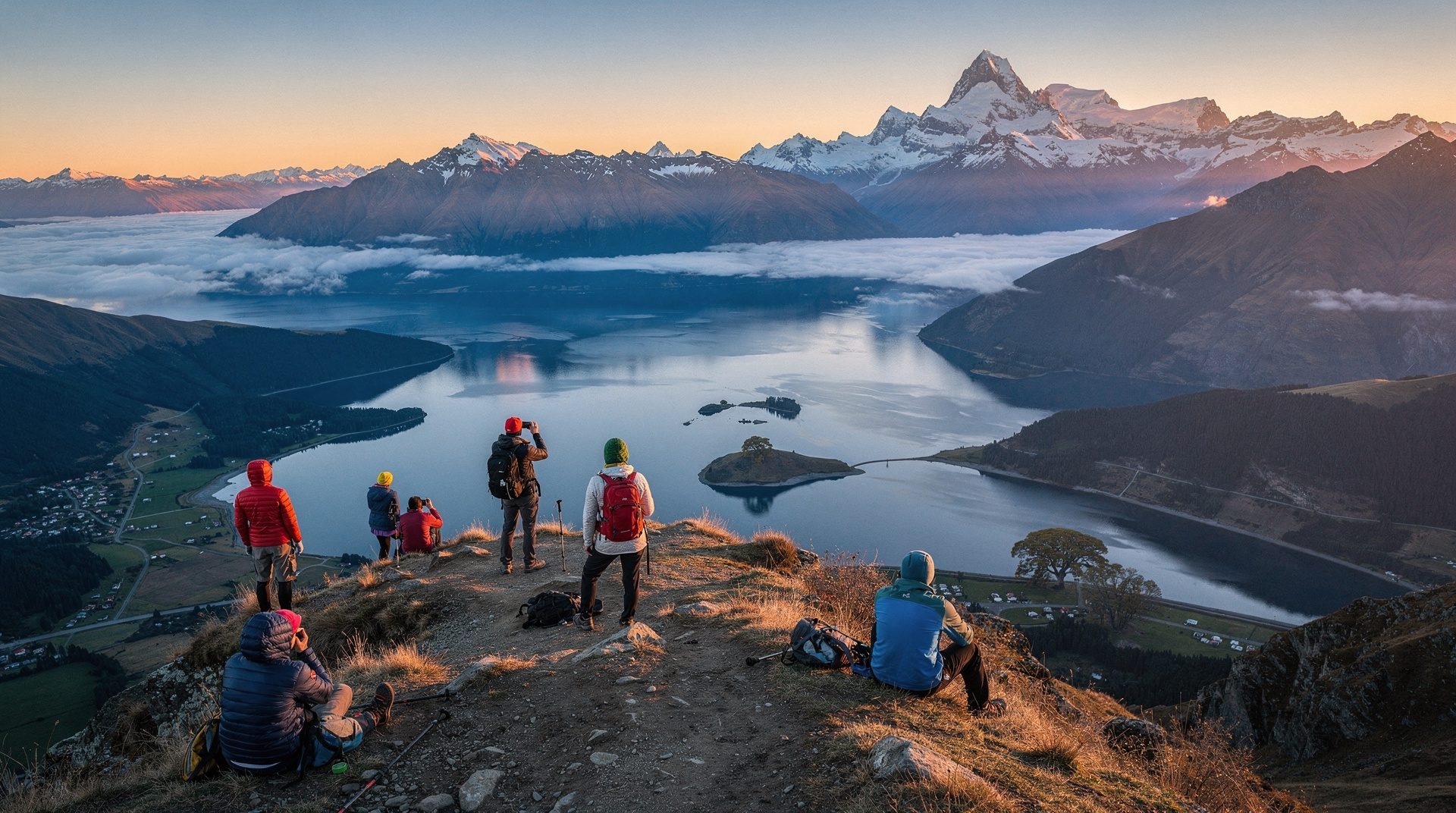
Five best day hikes near Wanaka: Roy's Peak (closed Oct-Nov), Diamond Lake, Isthmus Peak, Mt Iron, Roys Peak alternatives. Distances, times, difficulty ratings.
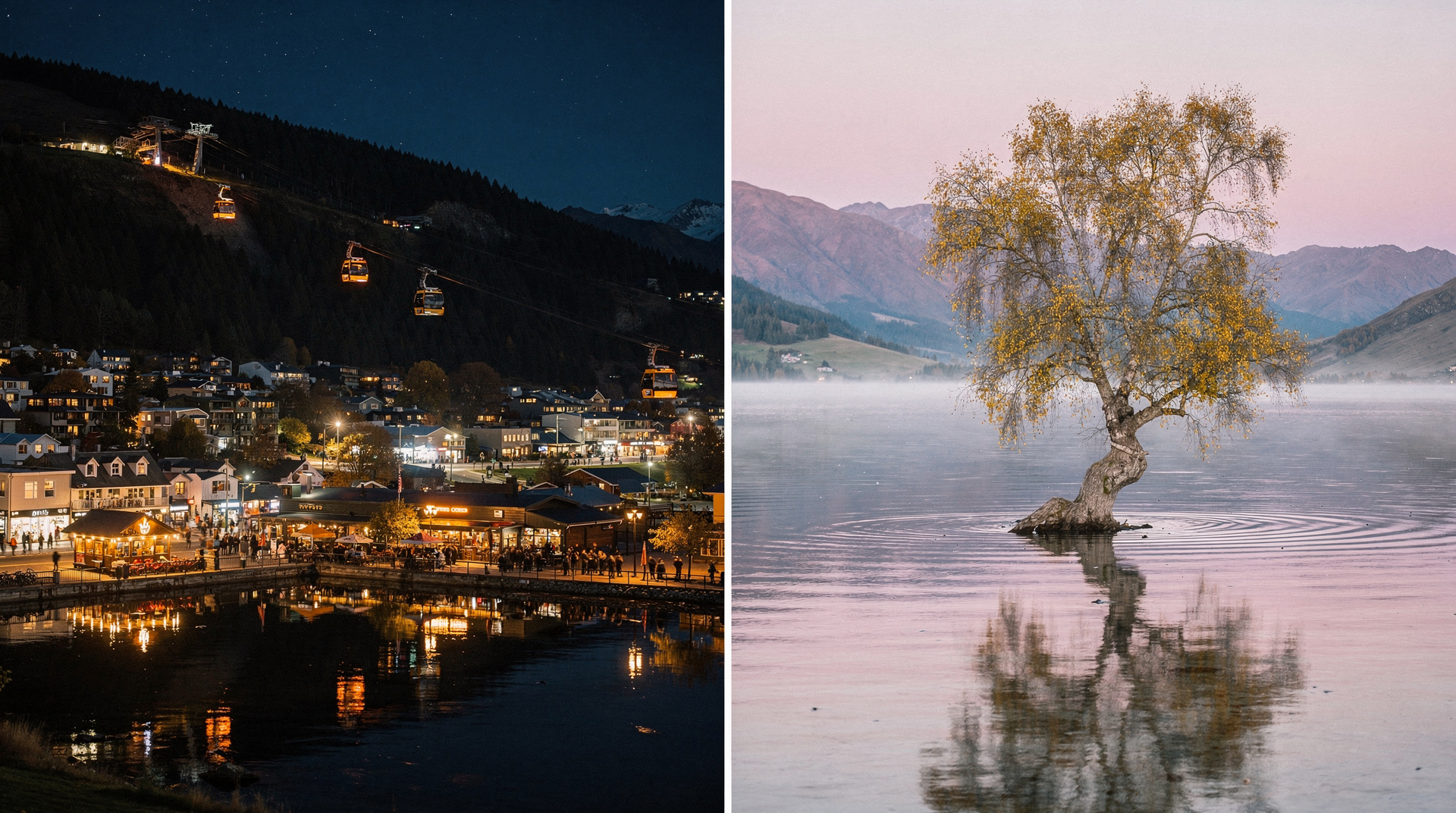
Queenstown vs Wanaka
The honest Queenstown vs Wanaka comparison: prices, crowds, ski, hikes, vibe — with a clear verdict for adventure, families, couples and budget travelers.
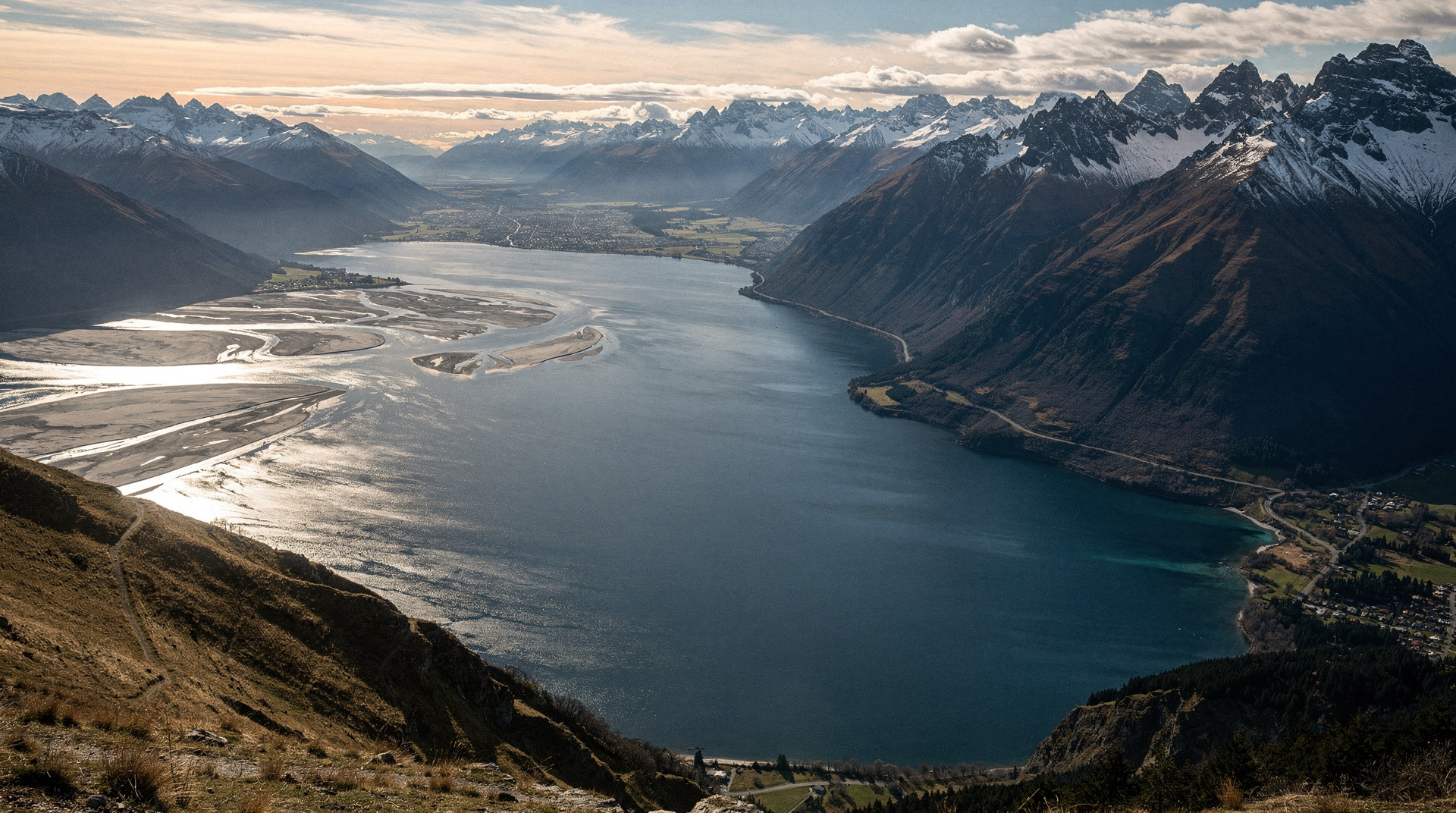
Lake Wakatipu — Queenstown's glacial lake guide
Lake Wakatipu guide: Queenstown's glacial lake, TSS Earnslaw 1912 steamship cruise, Walter Peak farm, kayak, Maori legend of the sleeping giant.
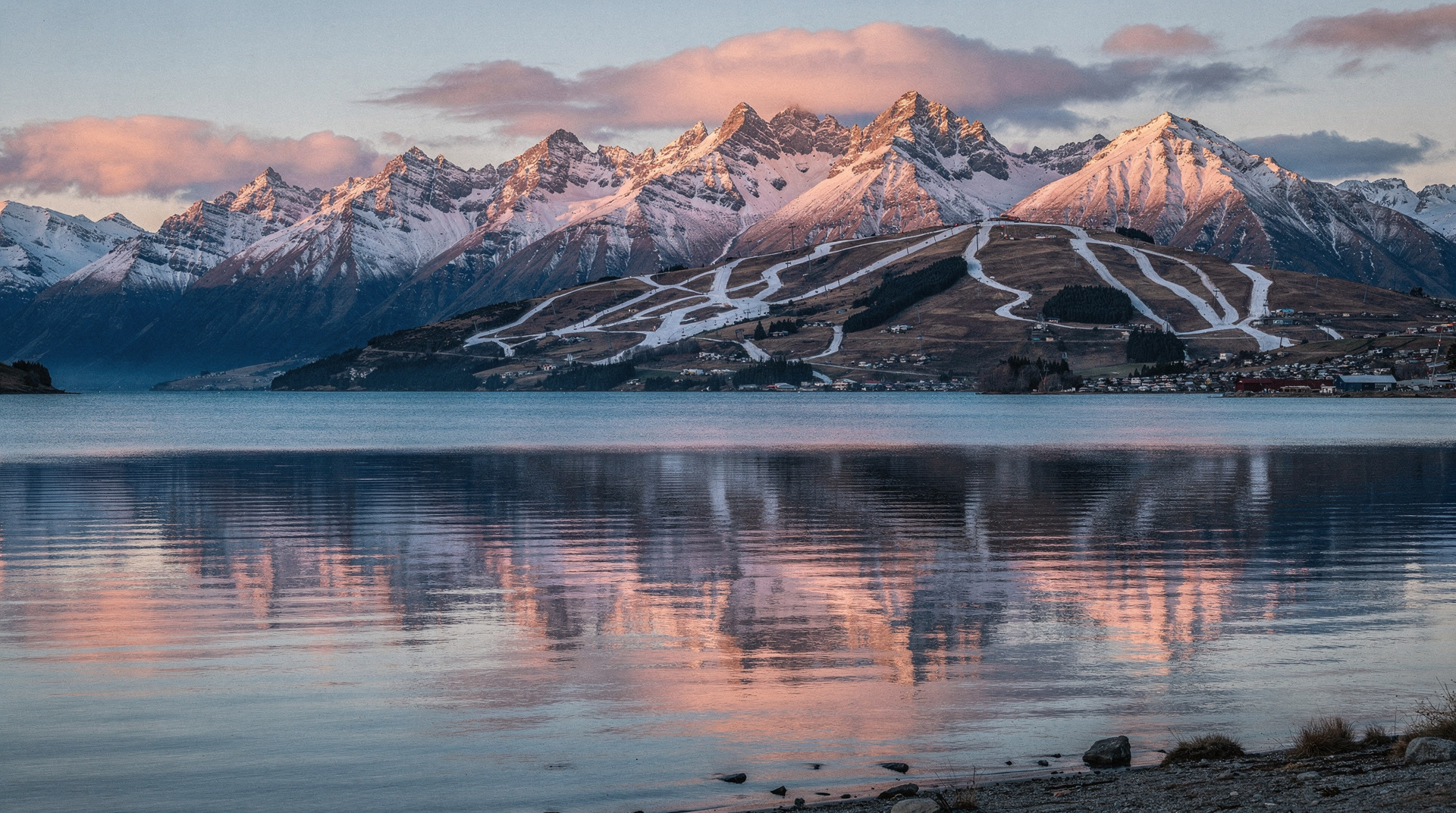
The Remarkables — Queenstown's ski field guide
The Remarkables ski guide: lift passes, terrain, access, summer hiking. Queenstown's iconic ski backdrop. NZD 139-165 day pass. Honest 2026 guide.
Last reviewed: