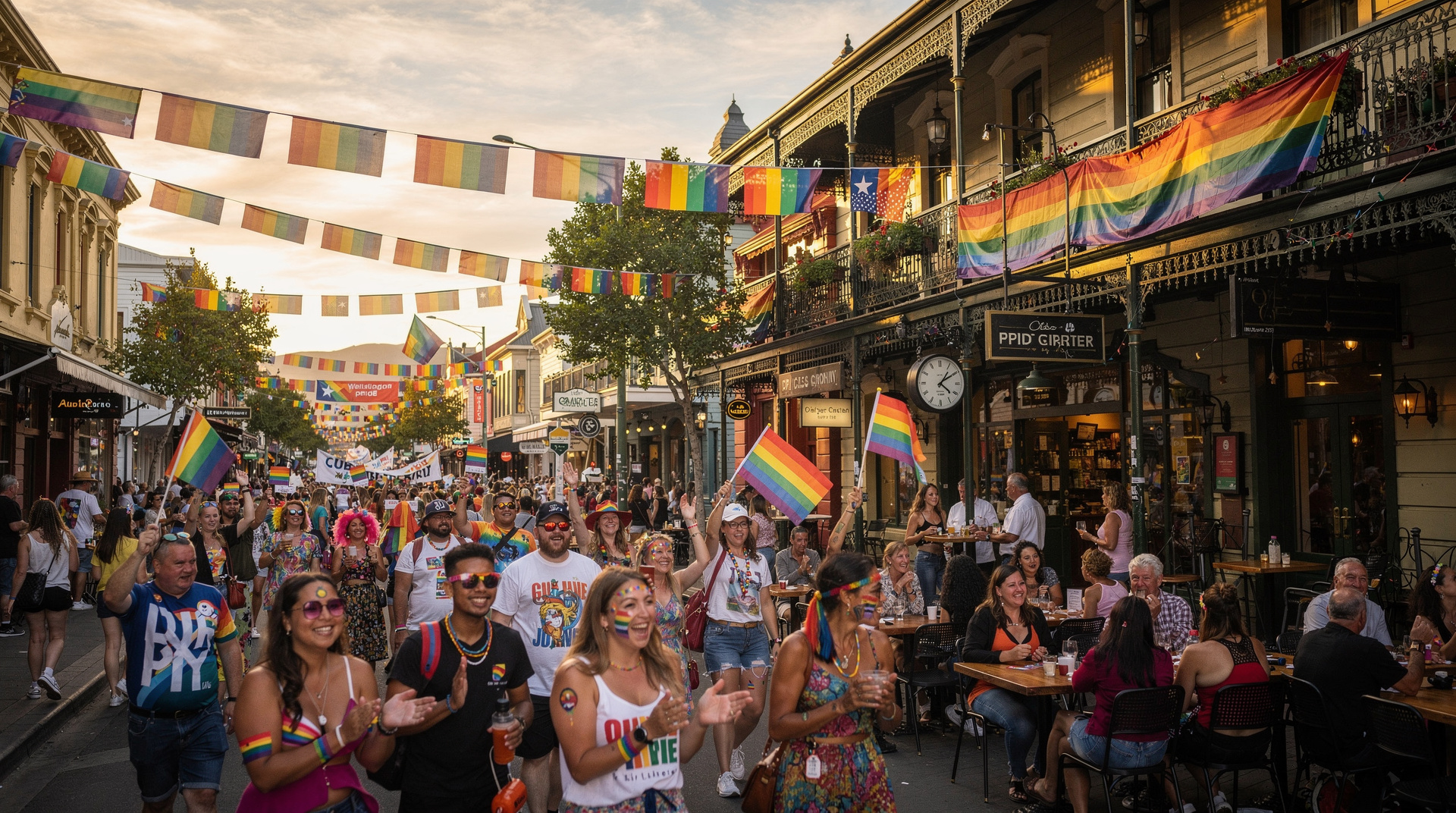
LGBTQ+ travel in New Zealand
Is New Zealand LGBTQ+ friendly for travellers?
Genuinely yes. Same-sex marriage has been legal since 2013; anti-discrimination laws are comprehensive; and cities like Auckland, Wellington, and Queenstown have active and visible LGBTQ+ communities. Rural areas are generally tolerant by international standards, though more conservative than the cities. New Zealand is a comfortable and welcoming destination for LGBTQ+ visitors.
| Legal status | Same-sex marriage legal since 2013; comprehensive anti-discrimination law |
| Safest areas | Auckland, Wellington, Christchurch, Queenstown |
| Pride season | February-October depending on city |
| Public affection | Comfortable in cities and tourist towns; more discretion in rural areas |
| Best first stop | Auckland’s K Road or Wellington’s Courtenay Place |
LGBTQ+ rights in New Zealand: the legal framework
New Zealand has one of the world’s most comprehensive LGBTQ+ legal frameworks. Key milestones:
- 1986: Homosexuality decriminalised
- 1993: Human Rights Act prohibits discrimination on the basis of sexual orientation
- 2013: Marriage Equality Act — New Zealand was the first country in the Asia-Pacific region and the 13th worldwide to legalise same-sex marriage
- 2023: Conversion therapy banned (Conversion Practices Prohibition Legislation Act)
- Transgender rights: Gender Recognition Act (2023) streamlines gender marker changes on official documents; no medical treatment requirement for documentation changes
New Zealand does not have a specific “LGBTQ+ non-discrimination” category in employment law separate from the general Human Rights Act — but the Human Rights Act’s sexual orientation and gender identity protections are comprehensive and actively enforced.
Family recognition: Same-sex couples have full adoption rights, parenting rights, and recognition as next-of-kin in medical and legal settings. IVF and surrogacy access for same-sex couples is legal.
Safety by region
Cities (Auckland, Wellington, Christchurch, Dunedin): Excellent. Visible LGBTQ+ communities, well-established queer bars and venues, Pride events, and social normality that makes public displays of affection between same-sex couples unremarkable.
Queenstown and Wanaka: Both are liberal, tourist-focused towns with cosmopolitan visitor populations. LGBTQ+ visitors are well-accommodated and no reports of issues from the mainstream travel community.
Rotorua: A more working-class regional city; generally tolerant, less visibly progressive than the main cities. No particular concerns for visitors.
Rural areas: New Zealand’s rural communities tend to be more conservative than urban areas, as in most countries. That said, the cultural baseline of tolerance is significantly higher than in comparable rural areas in the US, Australia, or much of Europe. Incidents targeting LGBTQ+ travellers in rural NZ are rare and typically not violent.
The Pacific communities (Pasifika, Cook Island Maori, Samoan, Tongan) in Auckland: Pacific cultures in New Zealand maintain more conservative attitudes toward homosexuality than the broader New Zealand cultural norm, particularly within religious contexts. This does not typically affect tourists — these are private community dynamics. New Zealand’s fa’afafine tradition (a third-gender concept in Samoan culture, present in NZ’s Pacific communities) is also part of the cultural landscape.
Solo and couple travel considerations
Much of what makes New Zealand comfortable for LGBTQ+ travellers is simply the general infrastructure of solo and independent travel here — see the solo female travel guide for overlapping practical advice on hostels, transport, and safety norms that apply regardless of orientation.
Backpacker hostels and holiday parks are used to a wide range of travelling couples and rarely ask questions about relationship status when booking a double room. Campervan travel (a common way to see the South Island) is similarly unremarkable — freedom camping sites and holiday parks see same-sex couples travelling together as a matter of course, particularly around Queenstown and Wanaka’s honeymoon and wedding tourism seasons.
LGBTQ+ venues and neighbourhoods
Auckland:
- Ponsonby Road and Karangahape Road (K Road): The historic centre of Auckland’s LGBTQ+ scene. Eagle Bar on K Road, Family Bar (long-standing queer venue), Urge (men’s bar). The K Road area generally has more openly queer social spaces than anywhere else in the city.
- Auckland Pride Festival: Held annually in February, centred on K Road and Ponsonby.
Wellington:
- Courtenay Place: Wellington’s entertainment district has several queer-friendly and mixed bars. The capital has an LGBTQ+ community that punches above its size — the city’s progressive politics and arts culture support an active scene.
- Wellington Pride: Annual winter Pride festival.
Christchurch:
- A smaller but active queer community post-earthquake. The Arts Centre area and Poplar Lane have LGBTQ+-friendly hospitality. The South Island’s largest Pride event is Christchurch-based.
Queenstown:
- No dedicated queer venues but universal acceptance in all hospitality. Many same-sex couples honeymoon in Queenstown; the wedding industry is fully inclusive.
Maori perspectives on gender and sexuality
Maori culture has its own nuanced history with gender and sexuality worth knowing.
Takatapui: A traditional Maori term for LGBTQ+ people, literally meaning “intimate companion of the same sex.” The term has been reclaimed by Maori LGBTQ+ advocates as a culturally grounded identity distinct from Western LGBTQ+ labels. You may encounter the term in cultural contexts — it is used with pride, not as a slur.
Traditional Maori society: Oral histories suggest that same-sex relationships and gender diversity were recognised and sometimes held sacred roles in traditional Maori society, though colonisation and Christianity significantly altered these cultural norms through the 19th and 20th centuries.
Contemporary Maori LGBTQ+ identity: Increasingly visible and publicly affirmed. The Matariki celebration in 2022 (the first as a national holiday) included specific acknowledgement of takatapui people.
Pride events calendar
| Event | Location | Approximate timing |
|---|---|---|
| Auckland Pride Festival | Auckland | February |
| Wellington Pride | Wellington | July-August |
| Christchurch Pride | Christchurch | February-March |
| OUT in Queenstown | Queenstown | September-October |
| Hamilton Pride | Hamilton | October |
Specific dates change annually. Check the event organisations’ websites for current years.
Accommodation and booking
All major accommodation in New Zealand is fully accessible for same-sex couples. Hotels, Airbnb, and holiday parks do not discriminate. Booking as a couple (same name or different) is unremarkable.
Honeymoon and wedding contexts: New Zealand’s wedding industry is comprehensive for same-sex couples. Queenstown, Rotorua, and the Bay of Islands are popular wedding locations. Many accommodation operators actively market to LGBTQ+ couples and have experience with same-sex weddings, commitment ceremonies, and honeymoons.
Practical advice
Public displays of affection: Comfortable in all cities and tourist towns. In rural towns and smaller South Island communities, apply the same judgment you might use in any conservative rural area globally — not because it is dangerous, but as general social awareness.
Medical care: New Zealand’s public health system treats all patients equally regardless of sexual orientation or gender identity. GPs and hospital staff are not known for discriminatory treatment. Access to PrEP (HIV prevention) is available through the public system. Transgender healthcare access has improved significantly with the 2023 Gender Recognition Act changes.
Blood donation: New Zealand Blood Service has updated its deferral policies for gay and bisexual men — as of 2023, the individual risk assessment approach replaces the blanket deferral that previously applied.
Language: New Zealand English incorporates “partner” as the standard gender-neutral relationship term — you will frequently hear “my partner” from heterosexual and LGBTQ+ New Zealanders alike. This normalisation makes casual conversation comfortable.
Rotorua and cultural experiences
Maori cultural tourism — hangi feasts, kapa haka performances, marae visits — is fully open to LGBTQ+ visitors, and the wider Maori concept of manaakitanga (hospitality and care for guests) tends to make these experiences welcoming regardless of who you’re travelling with. Same-sex couples attending Te Puia, Mitai, or a Rotorua cultural evening report no difference in treatment. See the Maori culture overview for context on these experiences before booking one.
Frequently asked questions about LGBTQ+ travel in NZ
Is New Zealand safe for transgender travellers?
Yes. Legal protections are strong (Conversion Practices Prohibition Act, updated Births, Deaths, Marriages, and Relationships Registration Act for gender marker changes), and the general cultural environment in cities is accepting. Medical access and public facilities are generally accessible. The main challenges are regional variation (rural areas less progressive than cities) and access to gender-affirming healthcare — public health gender clinics exist but wait times can be long for residents; tourists seeking specific gender-affirming care should plan independently.
Can same-sex couples show public affection without concern?
In cities and tourist areas, yes completely. In rural areas and small towns, the same judgment you would apply in any conservative community applies — not because of legal risk, but as social awareness. New Zealand does not have a culture of harassing same-sex couples publicly, and incidents are rare by international standards.
Is Auckland or Wellington more LGBTQ+ friendly?
Both are excellent. Wellington’s queer scene is proportionally larger for the city’s size and has a strong arts-community character. Auckland’s K Road has the most visible gay bar district and the most established Pride festival infrastructure. Neither is significantly safer than the other; it is a preference question based on city character.
Are there LGBTQ+-specific tours of New Zealand?
Yes, though most mainstream tour operators are fully inclusive without needing separate labelling. Rainbow tours of New Zealand exist through specialist operators; search “rainbow tours New Zealand” for current operators. Given NZ’s general welcome, many LGBTQ+ travellers simply use mainstream tour operators without any particular accommodation.
Is it easy to meet other LGBTQ+ travellers or locals while visiting?
In the main cities, yes — the queer bar scenes in Auckland’s K Road and Wellington’s Courtenay Place are visitor-friendly and not exclusively local. Backpacker hostels in Queenstown and Wellington are also social hubs where LGBTQ+ travellers connect informally. Dating and social apps popular with LGBTQ+ users work normally throughout New Zealand’s main centres, with coverage thinning in rural areas as you’d expect.
Related guides and itineraries
- Is New Zealand safe — general safety context
- Solo female travel in New Zealand — related audience guide
- Auckland guide — K Road neighbourhood
- Wellington guide — capital’s queer scene
- Maori culture overview — takatapui context
- First time in New Zealand — orientation guide
- Best time to visit New Zealand — Pride festival timing
Related guides
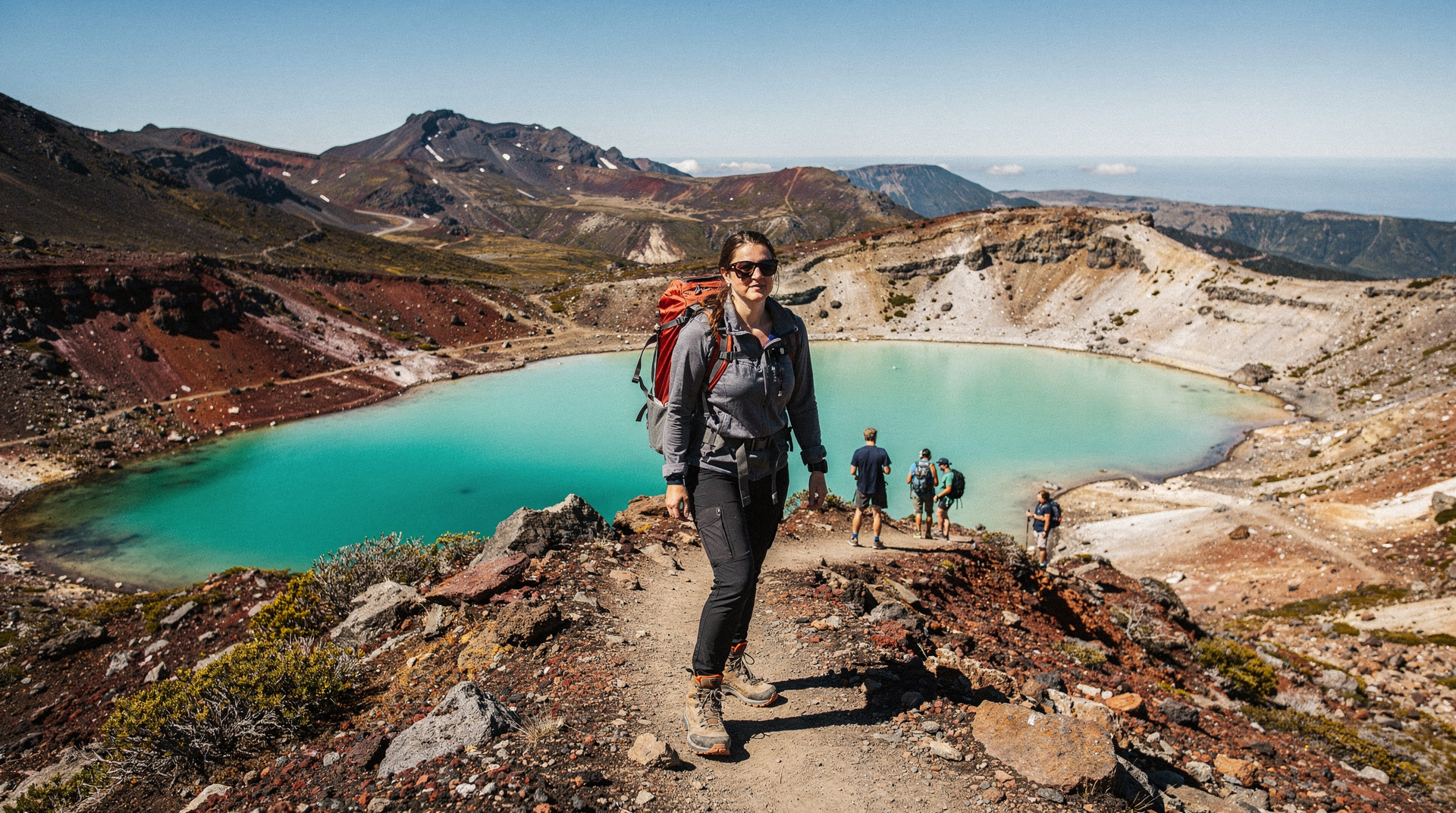
Is New Zealand safe
Honest safety guide to New Zealand: crime rates, road safety, natural hazards, ocean swimming, wilderness risks, and how safe NZ actually is for tourists.
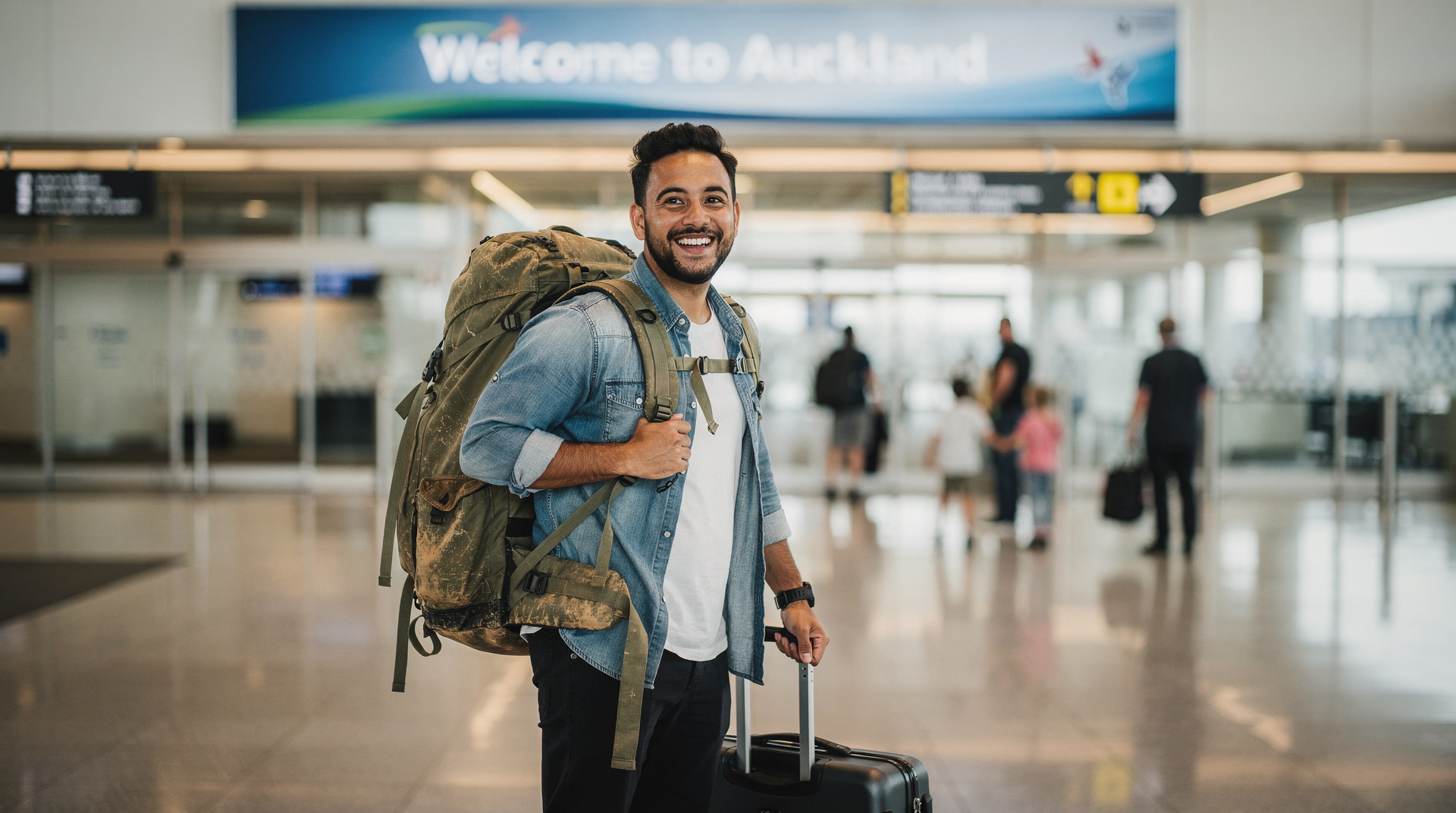
First time in New Zealand
Complete first-timer's guide to NZ: costs, logistics, Maori culture, what to book early, and how to structure 7–21 days.
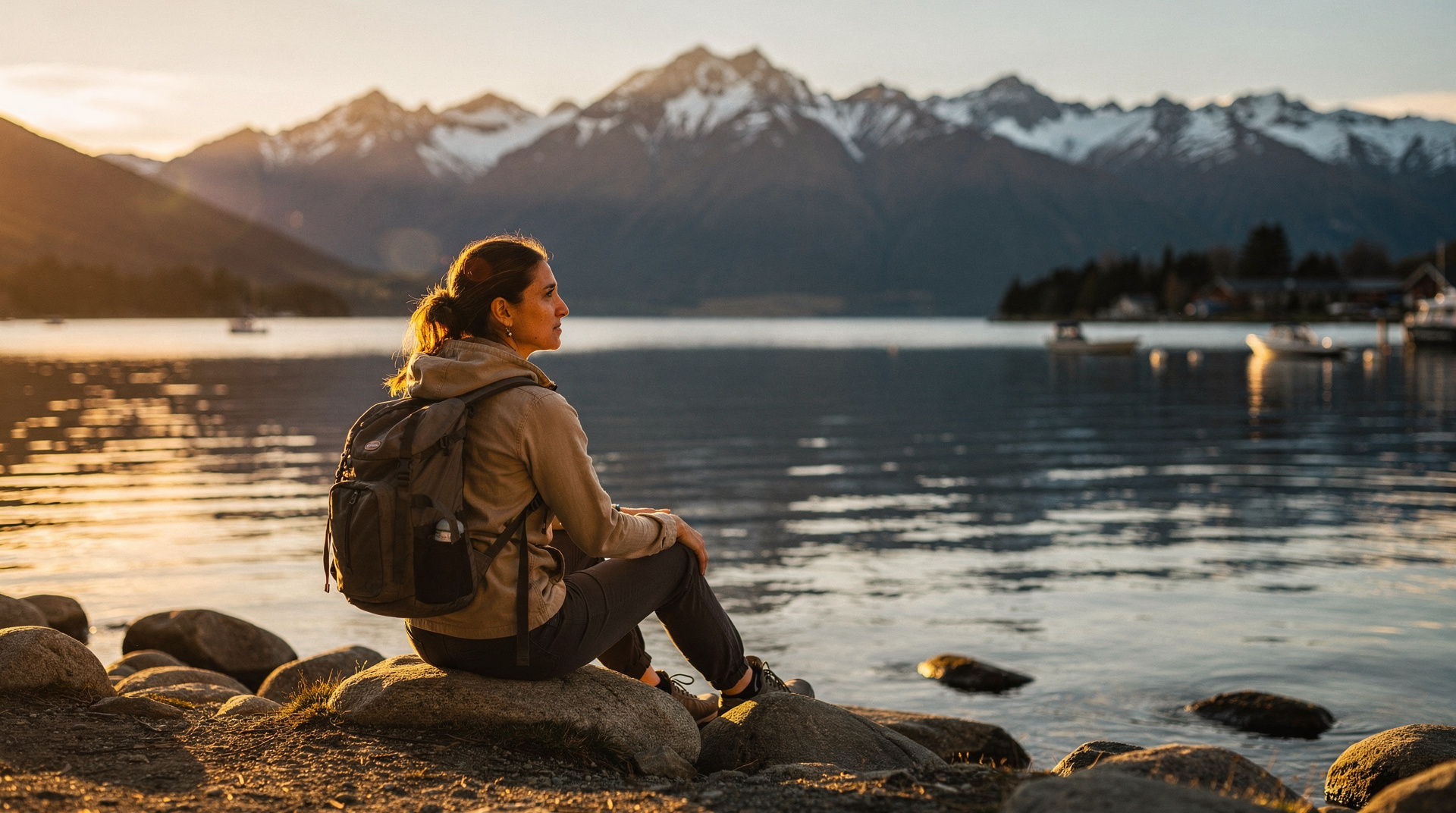
Solo female travel in New Zealand
Honest guide to solo female travel in NZ: safety reality, best destinations, transport advice, accommodation, and what makes New Zealand genuinely welcoming.
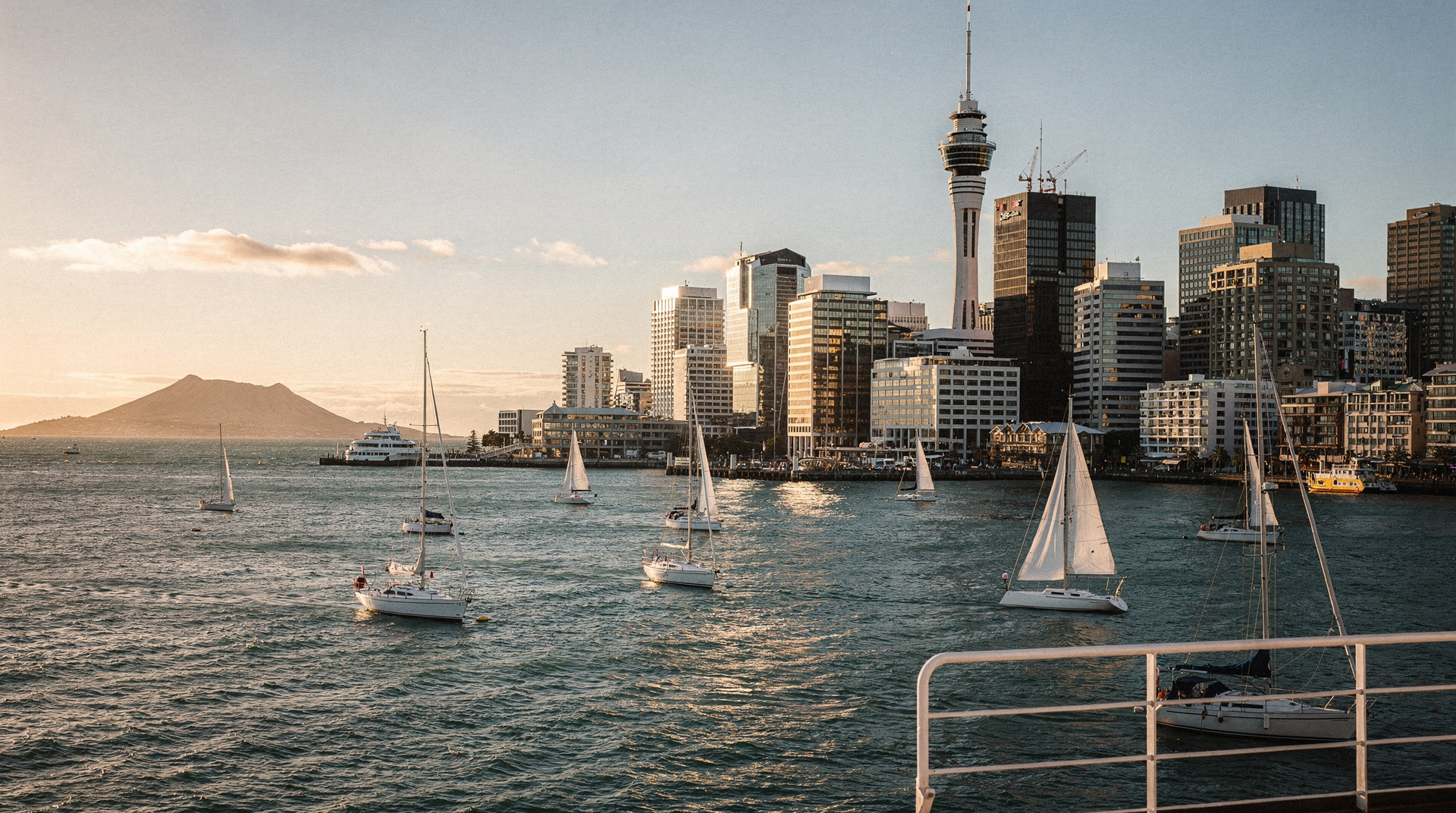
Auckland
Honest Auckland planner: harbour, Sky Tower, Waiheke wineries, day-trips to Hobbiton, real prices NZD/USD/EUR, and what's actually worth your time.
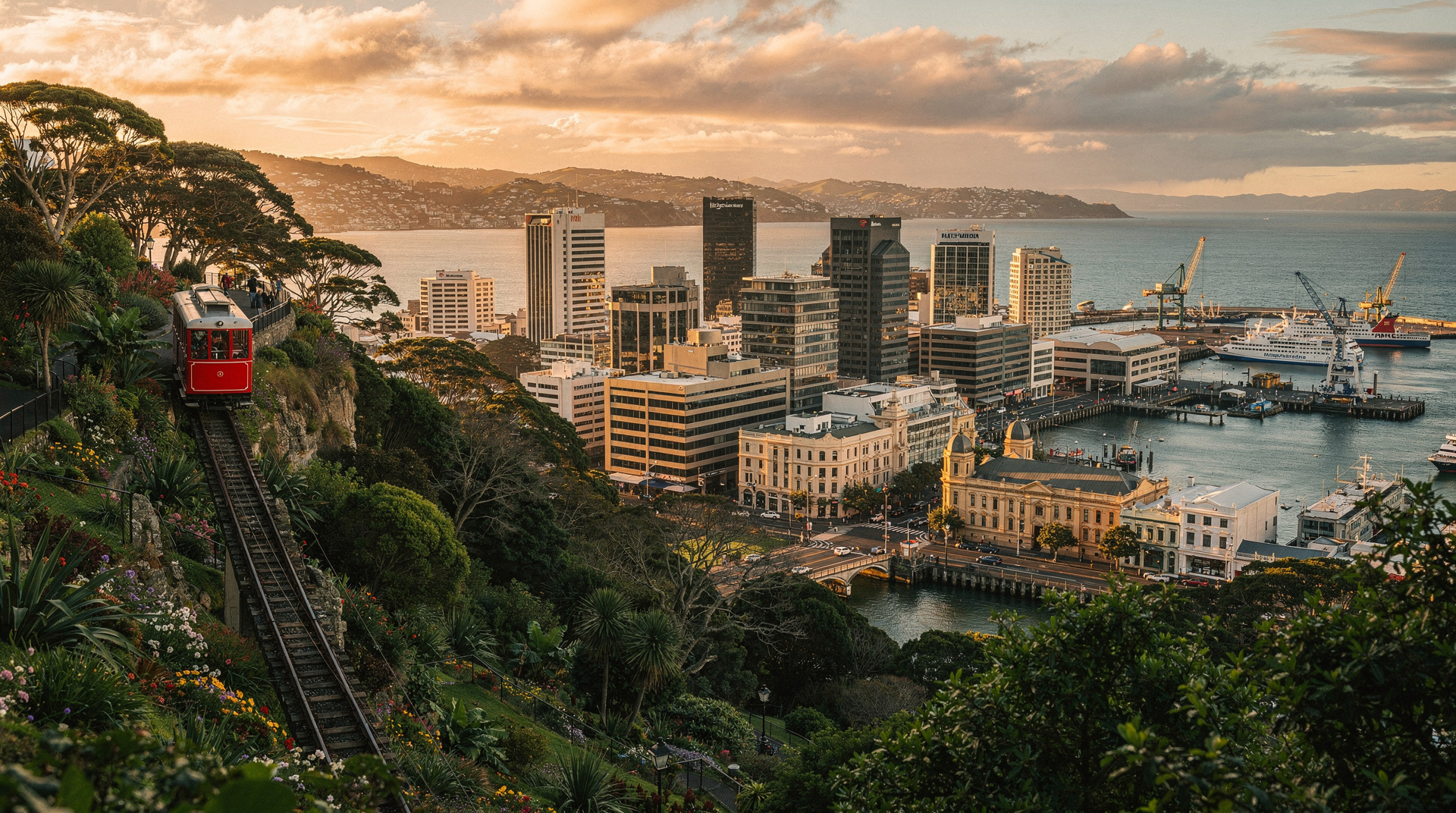
Wellington
Honest Wellington guide: Te Papa museum, Weta Workshop LOTR tours, Zealandia, Cuba Street, ferry to South Island, real prices NZD/USD/EUR.
Last reviewed: