Seven things I wish I'd known before visiting New Zealand
My first New Zealand mistake happened before I left the airport
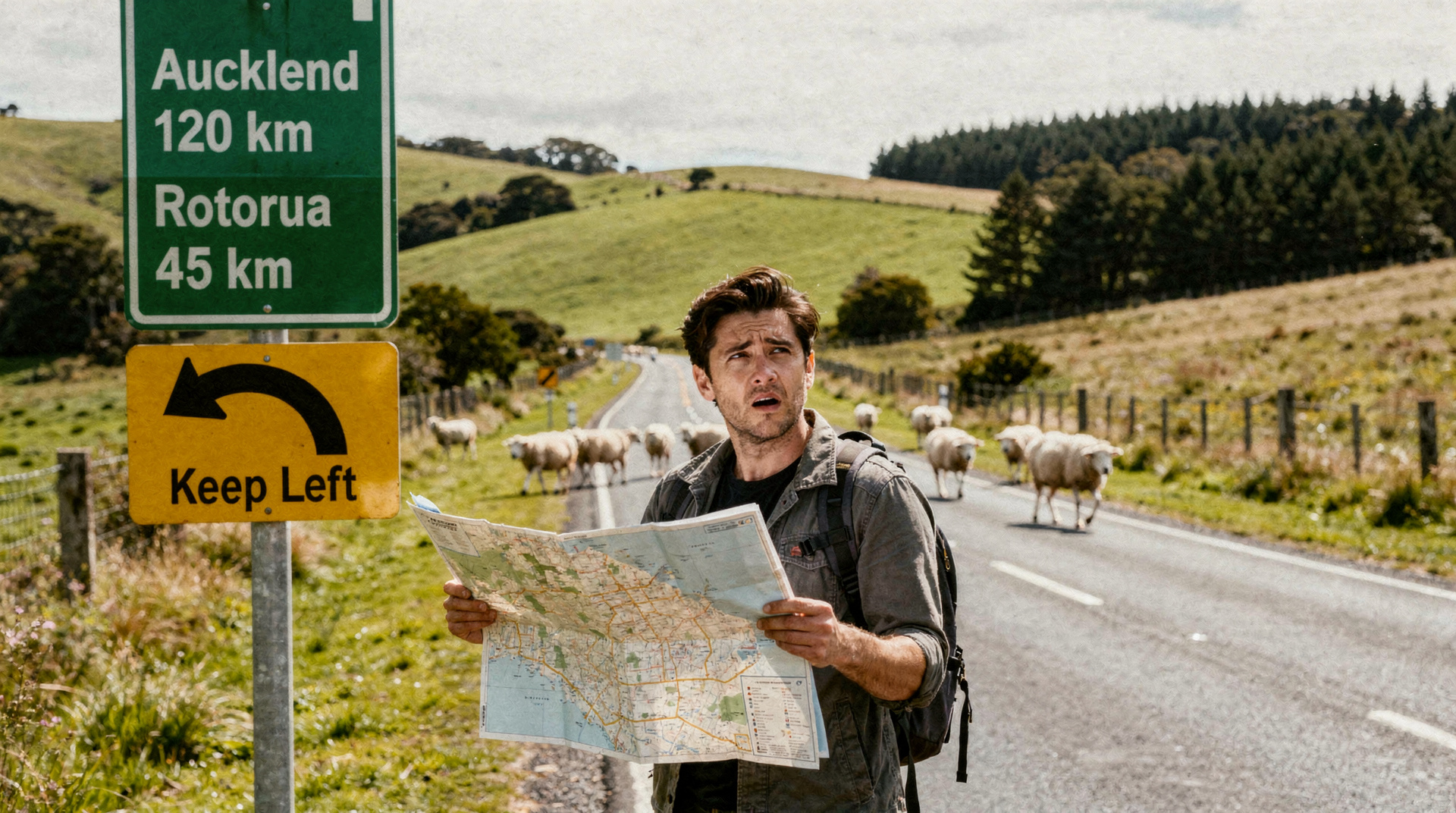
I’d been told New Zealand was easy to drive. Small country, English-speaking, well-signposted roads. That is all technically true. What nobody mentioned was that New Zealand’s GPS is a relentless optimist about travel times, that road distances are routinely 40% slower than expected due to mountain passes and single-lane bridges, and that I would spend my first day running two hours behind on a schedule I’d built assuming European motorway speeds.
That was lesson one. Here are six more.
| Biggest time sink | GPS underestimating South Island drive times |
| Book earliest | Great Walk huts (6 months out) and Cook Strait ferry in summer |
| Easy to miss | Freedom camping self-containment rules |
| Costs nothing | Skipping tips — service is not tip-reliant |
1. GPS travel times are fictional
This is the most practical thing I can tell you. New Zealand’s main highways wind through mountain passes, follow coastal cliffs, and cross rivers on one-lane bridges controlled by passing bays and right-of-way signs. Google Maps on a default setting will tell you that Christchurch to Queenstown takes about 4 hours 30 minutes. In a rental car, in autumn, with a stop at Lake Tekapo and another at the Mt Cook viewpoint, it takes 7 hours minimum.
Add 30–40% to any Google Maps ETA for South Island rural routes. Less so for motorway sections around Auckland, but the moment you leave main highways, the calculation changes.
2. Book Great Walk huts six months in advance
This is not an exaggeration. The Milford Track — almost certainly the most famous walk in New Zealand — has precisely 40 guided-walk spots and 40 independent-hiker hut places per night at each of its three huts. Peak season bookings open six months in advance on the DOC (Department of Conservation) website and sell out within hours.
The Routeburn, Kepler, and Abel Tasman are similarly competitive in summer. Tongariro Northern Circuit (the multi-day version, not just the day crossing) books faster than people expect.
If the Great Walks are on your list, the booking date is the most important date in your planning calendar. DOC online booking opens at specific dates by season — check the DOC website for the current year’s schedule. Our Great Walks overview breaks down all ten walks, and if you’re torn between the two most popular options, the Routeburn vs Milford Track comparison is worth reading before you commit a booking window to either.
3. Freedom camping has real rules
Freedom camping — sleeping in a self-contained vehicle or tent on public land outside a formal campsite — is a legitimate and popular part of New Zealand travel culture. It is also increasingly regulated, and the rules vary by council.
“Self-contained” has a specific legal definition in New Zealand: the vehicle must have a toilet, fresh water supply, and waste water capacity for at least three days. A tent is not self-contained. A campervan without a toilet is not self-contained. Fines for camping in designated-only zones without self-contained certification run NZD 200–400.
Before your trip: check the Campermate app (it maps freedom camping sites by rules and type), check council websites for popular regions (Queenstown Lakes District has particularly tight rules), and if you’re renting a campervan, confirm that it holds the NZTA self-containment certificate. If you’d rather sidestep the debate entirely, our campervan vs car rental guide walks through when a self-contained van actually pays for itself versus booking motels.
4. The Cook Strait ferry needs advance booking
The Cook Strait crossing between Wellington and Picton is 3.5 hours each way and the only land-connected route between the North and South Islands. Two operators run it: Interislander (rail-connected, slightly more expensive, iconic) and Bluebridge (slightly cheaper, less glamorous, equally reliable).
In summer and during school holidays, the ferry fills weeks or months in advance, particularly for campervans and vehicles. Foot passengers have more flexibility. Book as early as your dates allow, and specifically check that your vehicle type (campervan, overheight, overwidth) is accommodated — some sailings have limited vehicle capacity. For a side-by-side on which operator to pick, see Interislander vs Bluebridge; for the crossing logistics themselves, our Cook Strait ferry guide covers timetables, cabins and rough-weather contingencies.
5. Winter is a real season
New Zealand’s hémisphère sud calendar trips up European visitors regularly. December is summer. June is winter. If you’re visiting in July, expecting the Abel Tasman to be warm and the Milford Track to be open, you’ll be disappointed. The Great Walks seasonal huts close between late April and late October; some trails are unsafe or closed in winter conditions.
What winter does offer: the four ski areas around Queenstown and Wanaka, Mt Hutt near Christchurch, and Whakapapa/Turoa on Mt Ruapehu in the North Island. If skiing is your thing, June through September is excellent — our ski New Zealand overview compares all the fields. If tramping in shorts on Great Walks is your thing, December through March is your window. Either way, our summer vs winter New Zealand guide is the fastest way to sanity-check your travel dates against what’s actually open.
6. Restaurants close early outside the cities
Auckland and Wellington have genuinely good food scenes and restaurants open late. Outside those cities, the dining culture closes early. Queenstown is an exception — it caters to tourists and stays lively. But in a town like Hokitika or Picton or Te Anau, finding a restaurant serving dinner after 8pm is not guaranteed, and many kitchens close at 8:30pm.
If your travel rhythm involves late dinners, this will repeatedly frustrate you unless you plan for it. Either eat earlier than you’d naturally choose, or self-cater. Supermarkets are well-stocked. New World and Countdown (now Woolworths NZ) are the main chains; Pak’nSave is cheaper.
7. Tipping is genuinely optional
New Zealand service workers are paid a living wage. Tipping is not embedded in the culture the way it is in North America, and it is not expected the way it is in some European countries. Leaving 10% for excellent service at a sit-down restaurant is appreciated but not assumed. At cafés, bars, and casual restaurants, no tip is required or expected.
This matters practically: a restaurant bill in New Zealand is the actual bill. Budget accordingly and feel no guilt about paying exactly what’s printed. Our tipping in New Zealand guide covers the few exceptions (private guides, long tours) where a small tip is genuinely appreciated.
8. Pack for four seasons in one day
New Zealand weather changes fast, especially in the mountains and on the coast — bright sun can turn to sideways rain within an hour, even in summer. Layers matter more than any single “warm” jacket: a merino base layer, a light fleece or insulating mid-layer, and a genuinely waterproof (not just water-resistant) outer shell will cover almost every situation you’ll meet, from a Milford Sound cruise to a Tongariro Crossing summit. Our packing list for New Zealand goes through what’s actually worth carrying versus what you can buy or hire locally — merino gear and hiking boots are widely available and often cheaper bought on arrival than shipped from home.
What this means for your trip
These seven things — GPS times, hut bookings, freedom camping rules, ferry reservations, seasonal calendar, early closing hours, and tipping norms — collectively account for the majority of first-timer friction I’ve observed and experienced. None of them are disqualifying. All of them are fixable with about an hour of pre-trip reading.
New Zealand is a genuinely easy country to travel, once you understand the ways in which it operates differently from what European or North American visitors expect.
Related reading
Related guides

First time in New Zealand
Complete first-timer's guide to NZ: costs, logistics, Maori culture, what to book early, and how to structure 7–21 days.
Driving in New Zealand
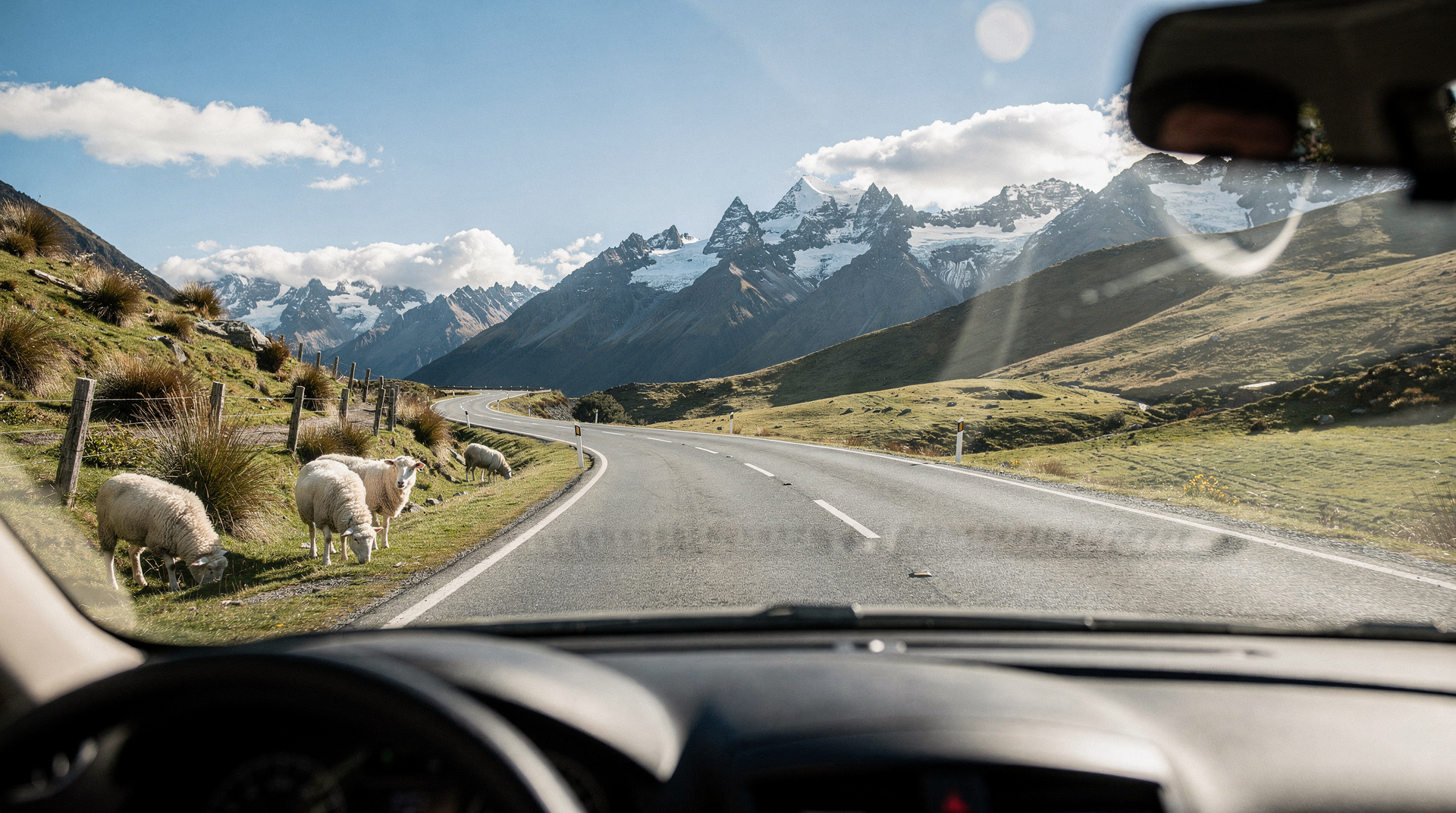
Honest driving guide for NZ: left-side rules, gravel road etiquette, why GPS lies, fuel costs, one-lane bridges, and what rental companies don't tell you.
Campervan vs car rental in New Zealand
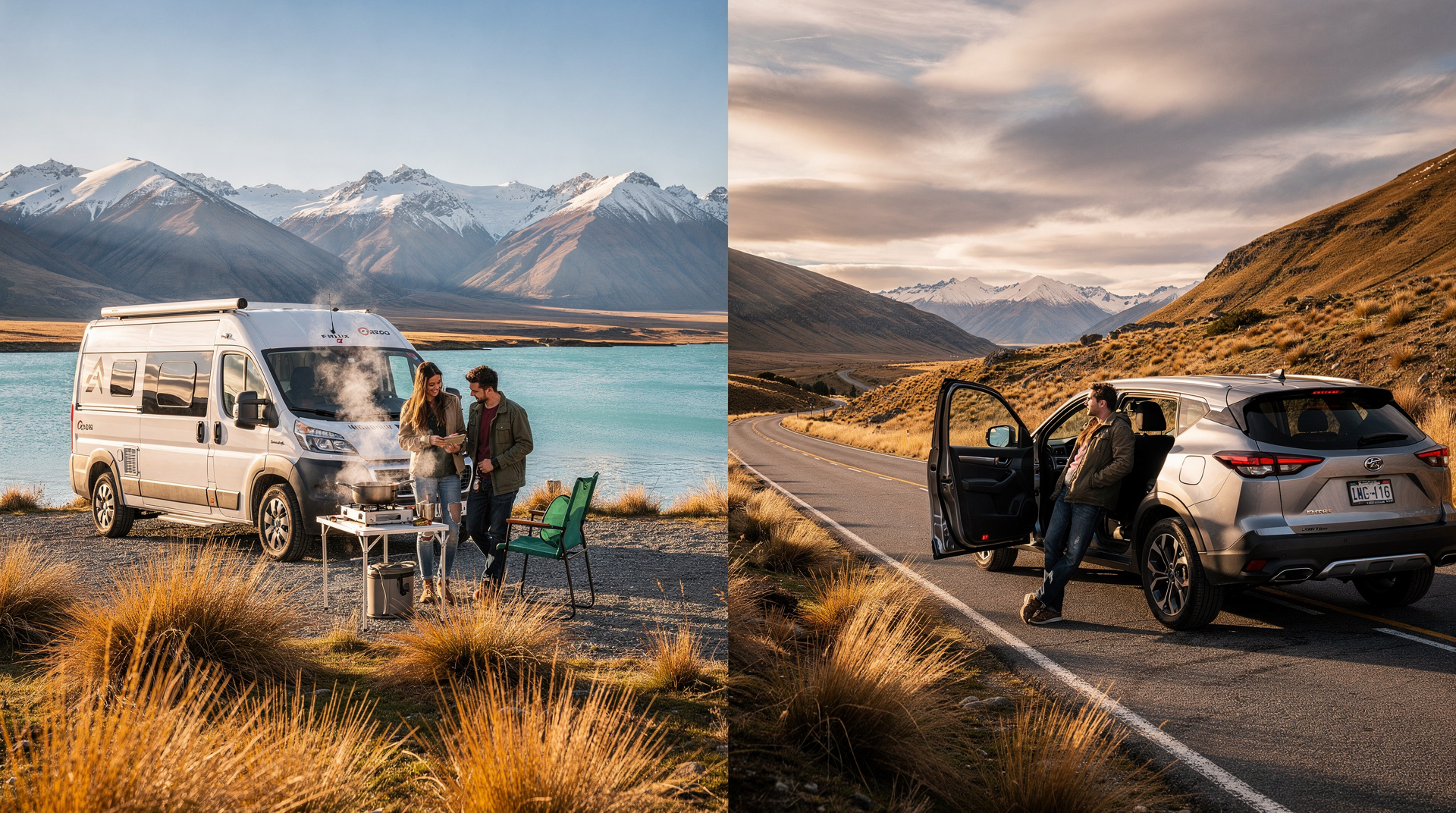
Honest campervan vs car rental comparison for NZ: real costs, freedom camping rules, who should choose each, and what the brochures don't tell you.
New Zealand on a budget
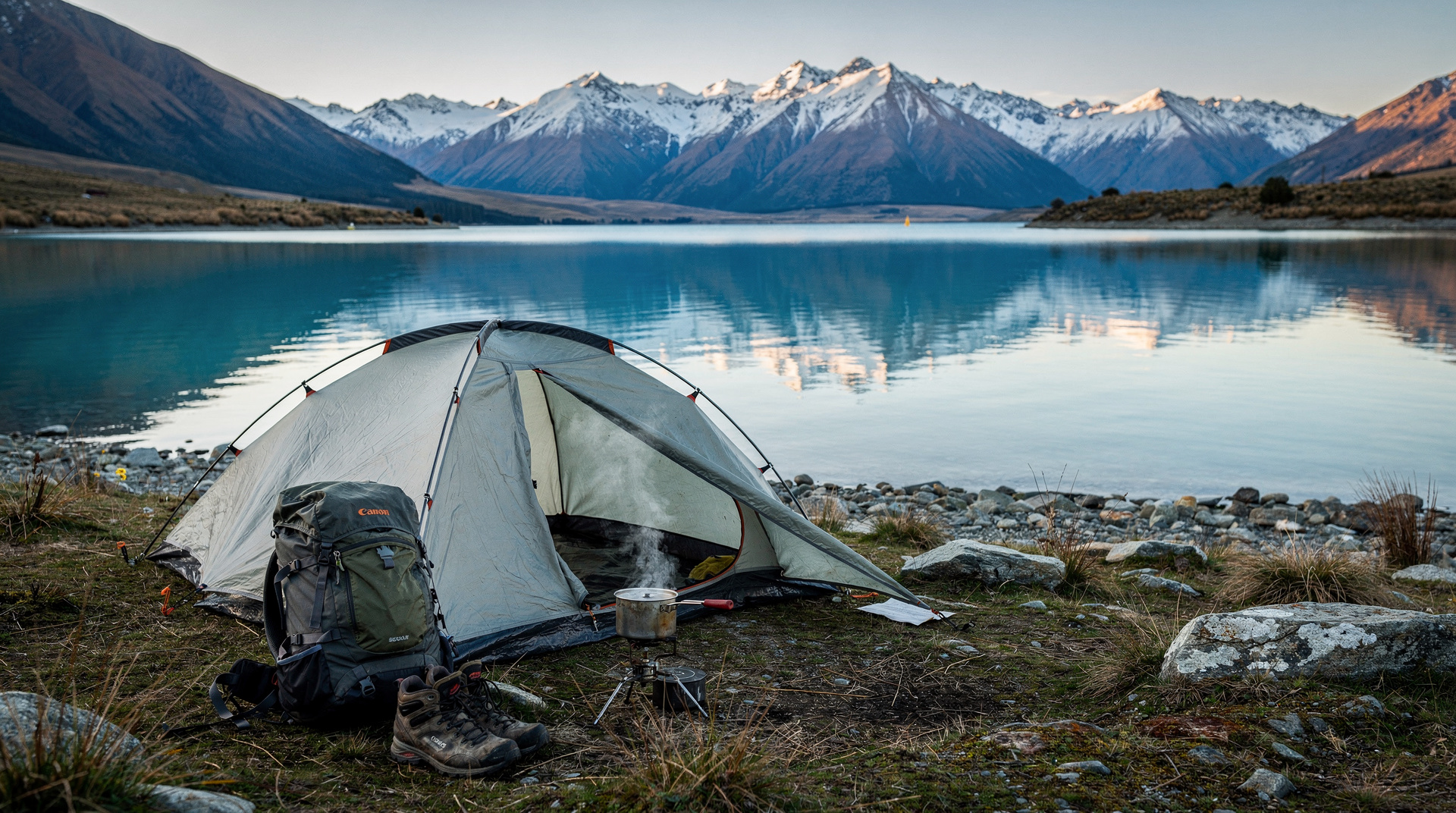
Honest budget guide to NZ: real daily costs, where to save, where not to cheap out, free things, and how to stretch NZD on a backpacker or mid-range budget.
Last reviewed: · Published: