Russell
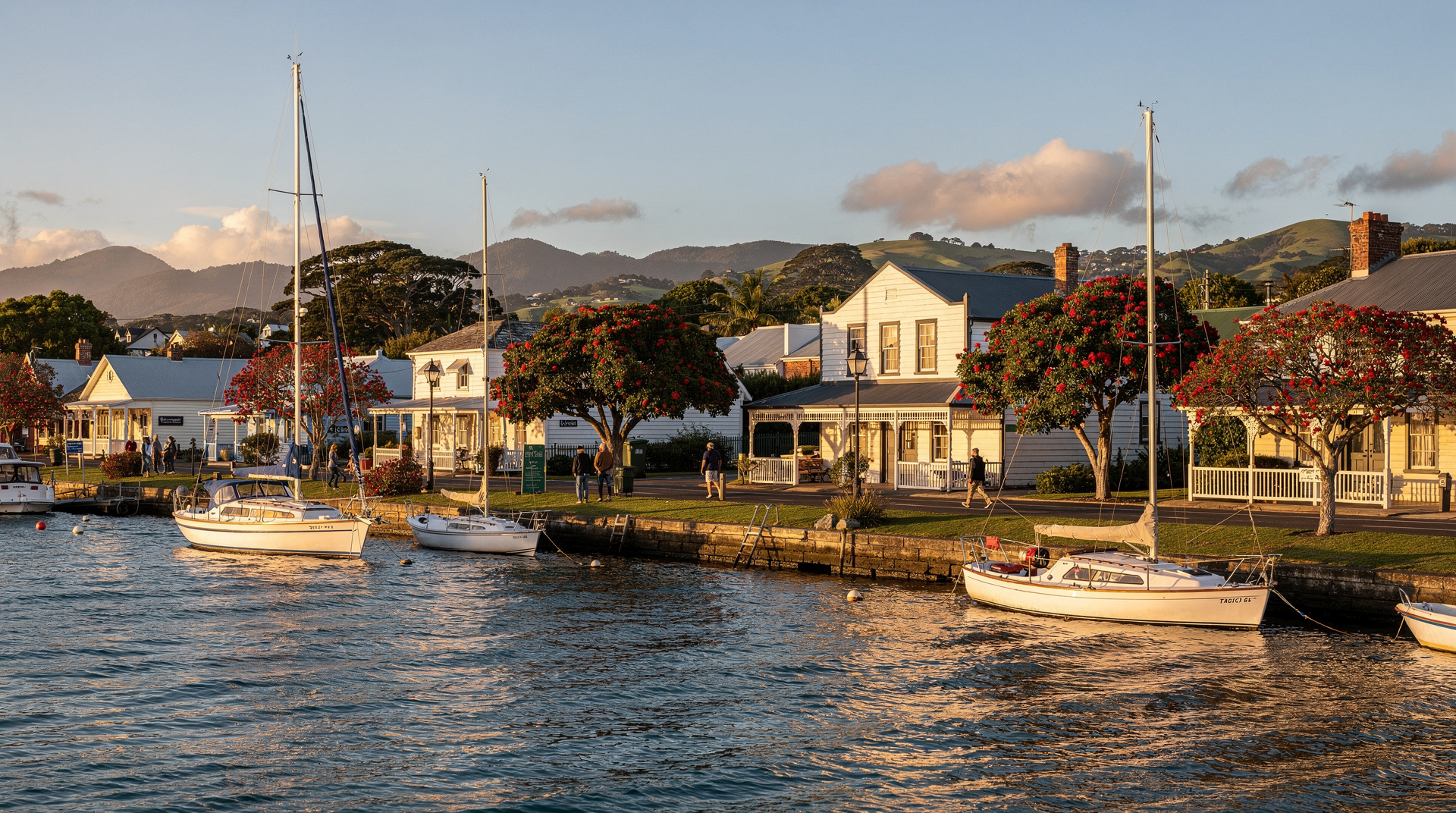
Russell: New Zealand's first capital, once called the 'hell hole of the Pacific', now a charming waterfront village in the Bay of Islands. NZD/USD/EUR costs.
Quick facts
- Access
- Passenger ferry from Paihia (10 minutes) or car ferry from Opua (10 minutes)
- Population
- ~1,000 permanent residents
- Currency
- NZ$ — USD ~$0.60 / EUR ~$0.55
- Historic claim
- New Zealand's first permanent European settlement (Kororareka)
- Character
- Quiet, car-free historic waterfront — no traffic, no rush
The hell hole that became a village
In the 1830s, the settlement of Kororareka — now called Russell — was described by the colonial chaplain Henry Williams as the “hell hole of the Pacific.” The description was not unfair. Before any formal governance was established in New Zealand, Kororareka was a harbour where whalers restocked, traders dealt in flax and timber, and escaped convicts from Australian penal colonies drank themselves into trouble. Prostitution, drunkenness, and violence were sufficiently widespread that the missionary settlements at nearby Paihia and Kerikeri regarded the place with horror.
Today, Russell is one of the most pleasant small villages in New Zealand. The irony is complete.
| Where | Bay of Islands, Northland — 10 min ferry from Paihia |
| Cost | NZD 12–15 return ferry; most sights are free or under NZD 15 |
| Time needed | Half day to a full day; overnight for a quieter pace |
| Getting there | Passenger ferry from Paihia or car ferry from Opua |
| Best time | November to April, warm weather and full ferry services |
The transformation came with the signing of the Treaty of Waitangi in February 1840, the establishment of Wellington as the formal capital, and the eventual pacification of the Northland conflicts of the 1840s. The town that had been the first rough urban settlement in New Zealand became a backwater, preserved in its Victorian-era state simply because nothing grew there fast enough to replace the old buildings.
The result is a compact waterfront village with New Zealand’s oldest church (Christ Church, 1836), the Pompallier Mission and Printery (1842), a small museum, three or four excellent restaurants, and a population that has deliberately kept the scale small. There are no traffic lights. There are no chain stores. The ferry from Paihia takes 10 minutes.
What to do in Russell
Christ Church: New Zealand’s oldest surviving church, built 1836 in Kororareka. The bullet holes in the exterior walls date from the attack of 1845, when Hone Heke (a Bay of Islands Maori chief who had signed the Treaty of Waitangi) cut down the flagstaff at the signal station and attacked the settlement in protest at British sovereignty. The church itself survived, though the settlement was ransacked. Free entry; open daily.
Pompallier Mission and Printery: The French Catholic Mission established in 1842 by Bishop Pompallier, who arrived to establish a printing operation that produced religious texts in te reo Maori. The building — rammed earth construction, restored — contains the original printery and tannery equipment. Guided tours available. Entry NZD 12 / USD 7 / EUR 6.50; guided tour NZD 15 / USD 9 / EUR 8.
Russell Museum: A small but well-curated local museum with a 1:5 scale model of Cook’s Endeavour and a strong collection of colonial-era photographs. NZD 8 / USD 4.80 / EUR 4.40.
Flagstaff Hill (Maiki): A 30-minute walk from the village to the hill above the town, where Hone Heke’s flagstaff stood and was cut down four times between 1844 and 1845. The view over the bay from the hilltop is the best in Russell. Free.
Waterfront walk: The main waterfront of Russell is entirely pedestrian — no through-traffic. The walk from the ferry terminal north to Long Beach (a small sandy beach 20 minutes walk) and south past the Russell Boathouse is the quintessential Russell afternoon.
Bay of Islands cruises from Russell: All the main Bay of Islands cruise operators also pick up and drop off at Russell wharf. The Paihia/Russell: Hole in the Rock, Dolphins and Island Cruise departs from both Paihia and Russell; NZD 120–155 / USD 72–93 / EUR 66–85. The full-day Full-Day Bay of Islands Cruise from Paihia also collects from Russell. See the Bay of Islands guide for the full range of cruise options.
Swimming at Long Beach: The beach north of the village is safe, sheltered, and rarely crowded. Good for a swim in summer.
Dolphin and eco cruises: For a wildlife-focused alternative to the historic sites, the Bay of Islands dolphin eco cruise departs from Paihia and can be joined via the short ferry crossing from Russell; it focuses on the bay’s resident dolphin pods rather than the Hole in the Rock itself. NZD 135–165 / USD 81–99 / EUR 74–91.
Russell versus Paihia as a base
Choosing where to sleep matters more here than in most Bay of Islands planning. Paihia has more accommodation, restaurants, and is the departure point for most cruises, making it the practical hub. Russell trades that convenience for atmosphere: no traffic, a genuine village feel, and mornings on the waterfront before the day-trip ferries arrive. Many visitors do both — a Paihia base with a half-day in Russell, or a Russell overnight bookended by Paihia-based activities via the 10-minute ferry. Neither choice is wrong; it depends on whether you prioritise convenience or quiet.
The passenger ferry from Paihia
The passenger ferry between Paihia and Russell runs approximately every 20 minutes throughout the day (times vary seasonally; check the operators on the Paihia waterfront). Journey time 10 minutes; fare NZD 12–15 / USD 7–9 / EUR 6.50–8.25 return. Cash or card accepted.
The car ferry (Opua–Okiato) crosses 2 km south of Paihia and Russell respectively, allowing vehicles to reach Russell by road. Car ferry operates approximately every 10 minutes from 6:50am to 9:50pm. Fee NZD 14 / USD 8 / EUR 7.50 per car.
Most visitors to Russell use the passenger ferry from Paihia and walk the village without a car — this is the recommended approach.
Where to stay in Russell
Staying in Russell rather than Paihia gives a noticeably different experience: quieter evenings, a genuine village atmosphere, and the early morning light on the water before the ferries bring day-trippers from Paihia.
Duke of Marlborough Hotel: New Zealand’s oldest licensed hotel (licence granted 1840, though the current building dates from 1934). Waterfront rooms with veranda access; genuinely atmospheric mid-range. NZD 200–340 / USD 120–204 / EUR 110–187.
Pensions and B&Bs: Russell has several excellent small guesthouses; Arcadia Lodge and Orongo Bay Homestead are consistently recommended. NZD 180–280 / USD 108–168 / EUR 99–154.
Russell Holiday Park: At Long Beach, 15 minutes walk from the village. Good for campervan and tent travellers. Power sites NZD 42–60 / USD 25–36 / EUR 23–33.
What to eat and drink
Duke of Marlborough: The restaurant at the Duke hotel is the best in Russell; good seafood and New Zealand lamb; views over the bay. Mains NZD 32–50 / USD 19–30 / EUR 17–28.
The Green Restaurant: Farm-to-table focus, good for lunch. Mains NZD 22–34 / USD 13–20 / EUR 12–19.
Hone’s Garden: Cafe and bar on the waterfront; good coffee and light meals. NZD 12–22 / USD 7–13 / EUR 6.50–12.
Bay of Islands Coffee Company: The best morning coffee in the village, from a small operation near the ferry landing.
Skip / worth it / splurge
- Skip: Russell as a standalone destination without spending time in the Bay of Islands more broadly — it works best as part of a bay-wide exploration
- Worth it: A full afternoon and evening in Russell (ferry NZD 12–15 return / USD 7–9 / EUR 6.50–8.25) — the contrast with Paihia’s relative bustle is instructive
- Worth it: Pompallier Mission guided tour (NZD 15 / USD 9 / EUR 8) — the history of French Catholic mission printing in colonial New Zealand is genuinely surprising
- Splurge: Overnight at the Duke of Marlborough (NZD 200–340 / USD 120–204 / EUR 110–187) — New Zealand’s oldest licence, veranda views over the bay, and the village to yourself in the morning
How to fit Russell into your itinerary
Russell appears naturally as part of any Bay of Islands itinerary. The standard structure is: base in Paihia (2 nights) with a half-day to Russell by passenger ferry. Most Bay of Islands cruise operators collect from Russell wharf as well, allowing you to do a Hole in the Rock cruise that returns to Russell and then ferry back to Paihia.
For those who prefer a quieter base, staying in Russell rather than Paihia and ferrying to Paihia for activities is entirely workable.
The Bay of Islands guide covers the full range of activities in the wider bay area. The Waitangi guide covers the Treaty Grounds, 5 minutes from Paihia, which completes the historical picture for the region.
Frequently asked questions about Russell
Why was Russell called the “hell hole of the Pacific”?
The missionary Henry Williams’s description referred to the pre-1840 settlement of Kororareka (the Maori name Russell has reverted to in some contexts). Without government or law enforcement, the harbour became a resupply port for whalers and traders operating beyond colonial law. Alcohol, escaped convicts from New South Wales, and a transient population of European men with few social constraints produced conditions that the established missionaries found genuinely shocking.
Is Russell worth visiting without a car?
Easily. The passenger ferry from Paihia takes 10 minutes and arrives directly at the Russell waterfront. All the key historic sites (Christ Church, Pompallier Mission, the museum, the flagstaff hill) are within walking distance. A car is only needed if you want to explore the peninsula roads beyond the village.
How does Russell relate to New Zealand’s first capital?
Technically, Russell was the first European settlement of any size in New Zealand, but it was never formally the capital. Wellington was established as the capital after the Treaty of Waitangi in 1840. However, before formal governance, Kororareka/Russell was the de facto centre of European activity in New Zealand — the closest thing to an administrative centre in the 1830s.
Should I visit Russell or the Waitangi Treaty Grounds first?
Either order works, but visiting Waitangi first gives useful context for Russell’s 1845 attack — understanding the Treaty signing and the tensions that followed makes the bullet holes in Christ Church and the story of Hone Heke’s flagstaff land with more weight. Both sites are covered in the Waitangi Treaty Grounds guide.
How long should I spend in Russell?
Half a day covers the historic core comfortably: Christ Church, Pompallier Mission, the museum, and the waterfront walk. A full day adds the Flagstaff Hill walk and time at Long Beach. An overnight is worth it if you want the village without the day-trip crowds, particularly for an early morning walk before the first Paihia ferry arrives.
Top experiences: russell New Zealand
See all →Related guides
Bay of Islands
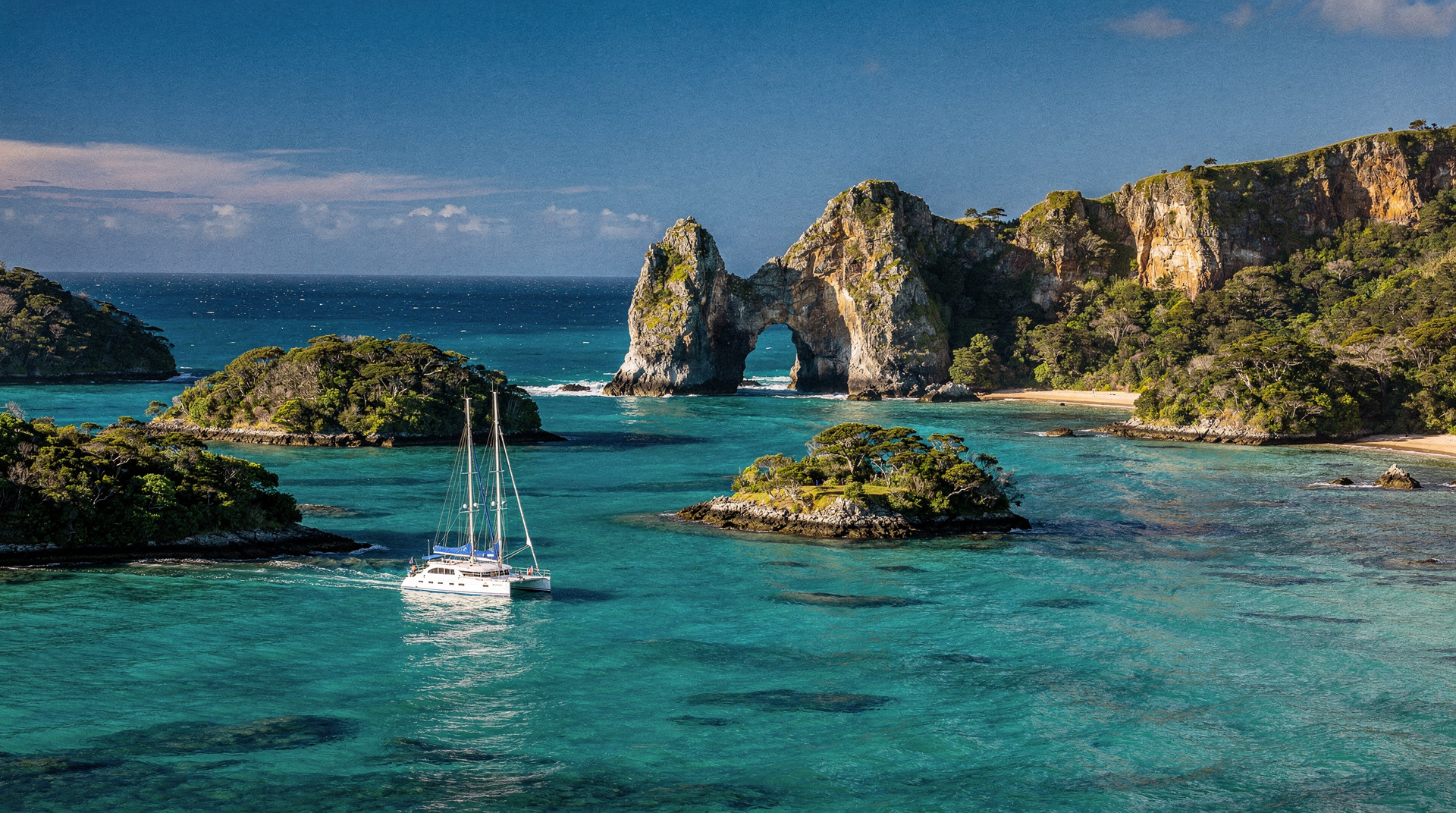
Honest Bay of Islands guide: Hole in the Rock cruise, dolphin swimming, Waitangi Treaty Grounds, Cape Reinga, real costs NZD/USD/EUR.
Northland
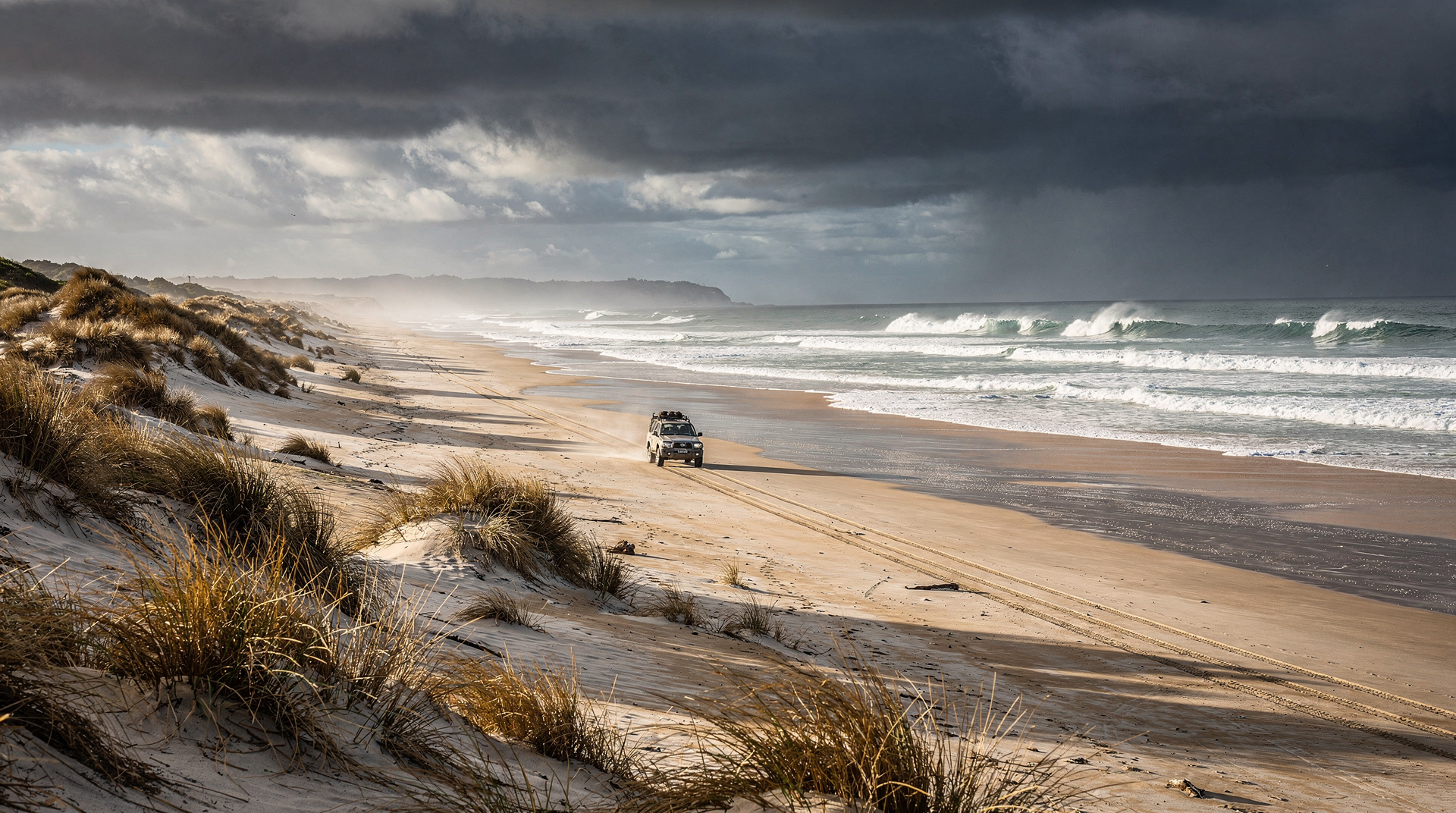
Honest Northland planner: Bay of Islands, Cape Reinga, 90 Mile Beach, Paihia, Russell, Whangarei. Real NZD/USD/EUR costs, what's worth your time.
Cape Reinga
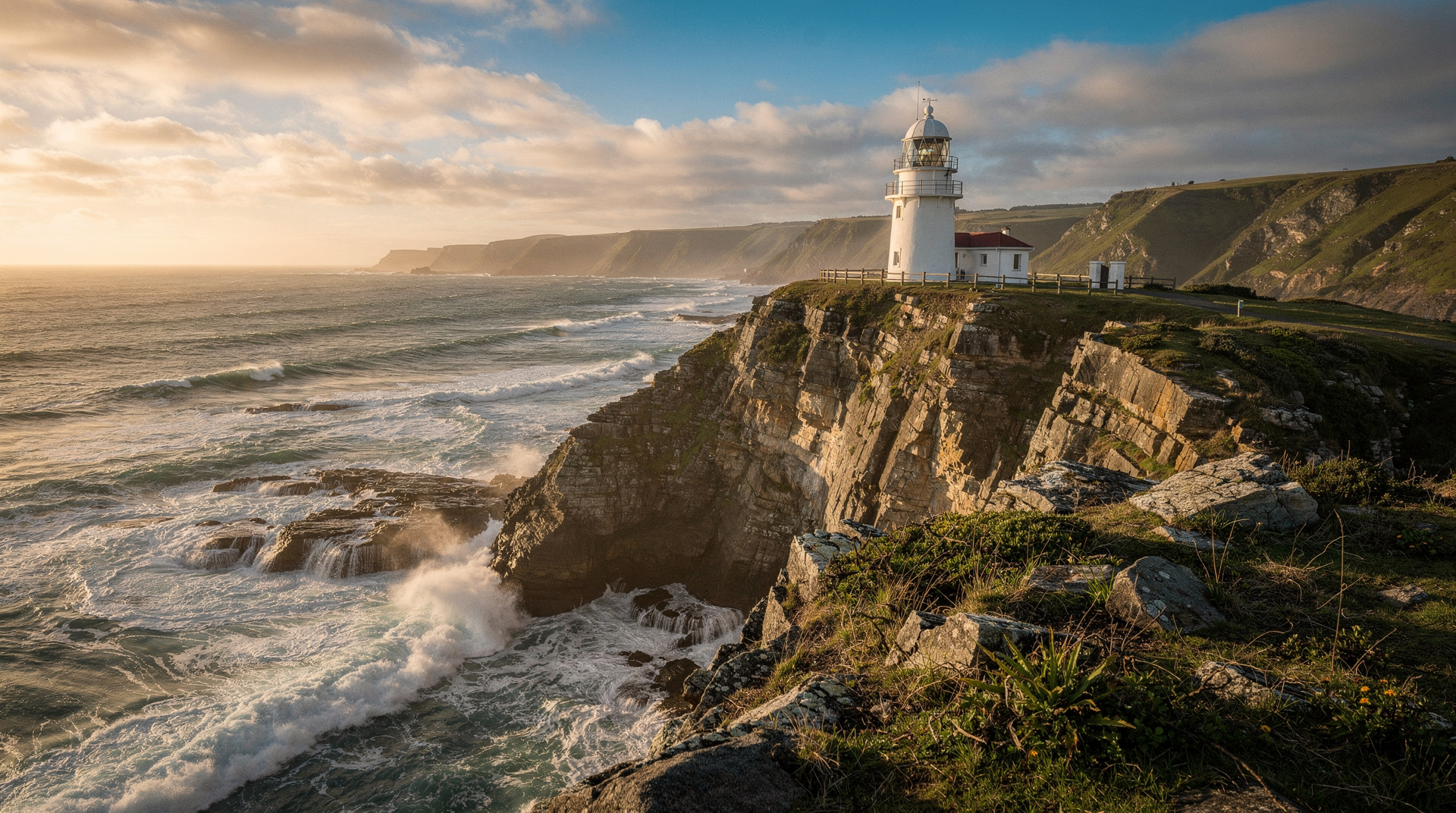
Cape Reinga honest guide: Te Rerenga Wairua spiritual significance, 90-Mile Beach, sandboarding, self-drive vs tour, real costs NZD/USD/EUR.
Waitangi
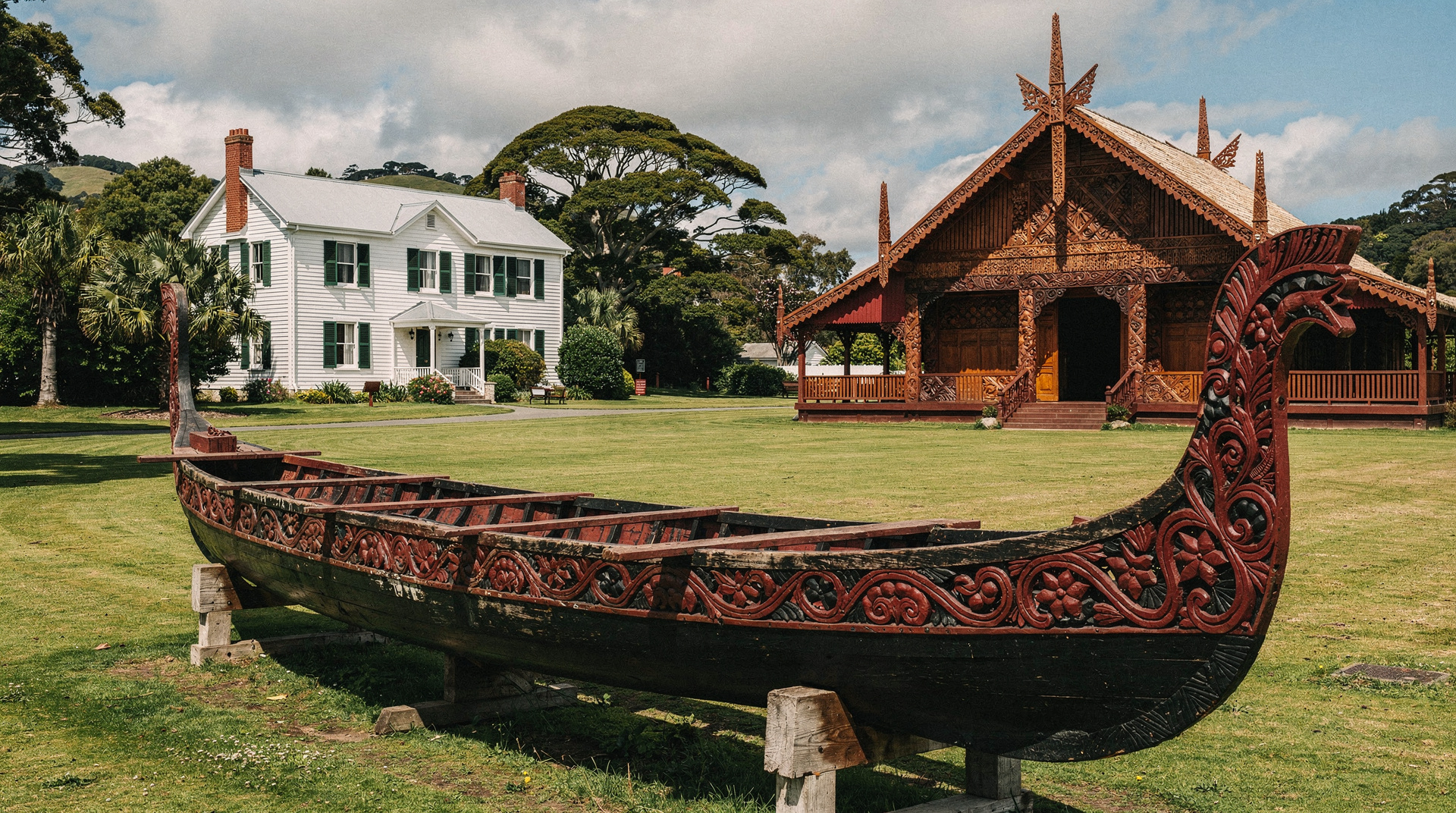
Waitangi Treaty Grounds: where the Treaty of Waitangi was signed in 1840. Maori cultural performances, waka taua, and the waitangi museum. NZD/USD/EUR.
Bay of Islands cruise guide — Hole in the Rock and beyond
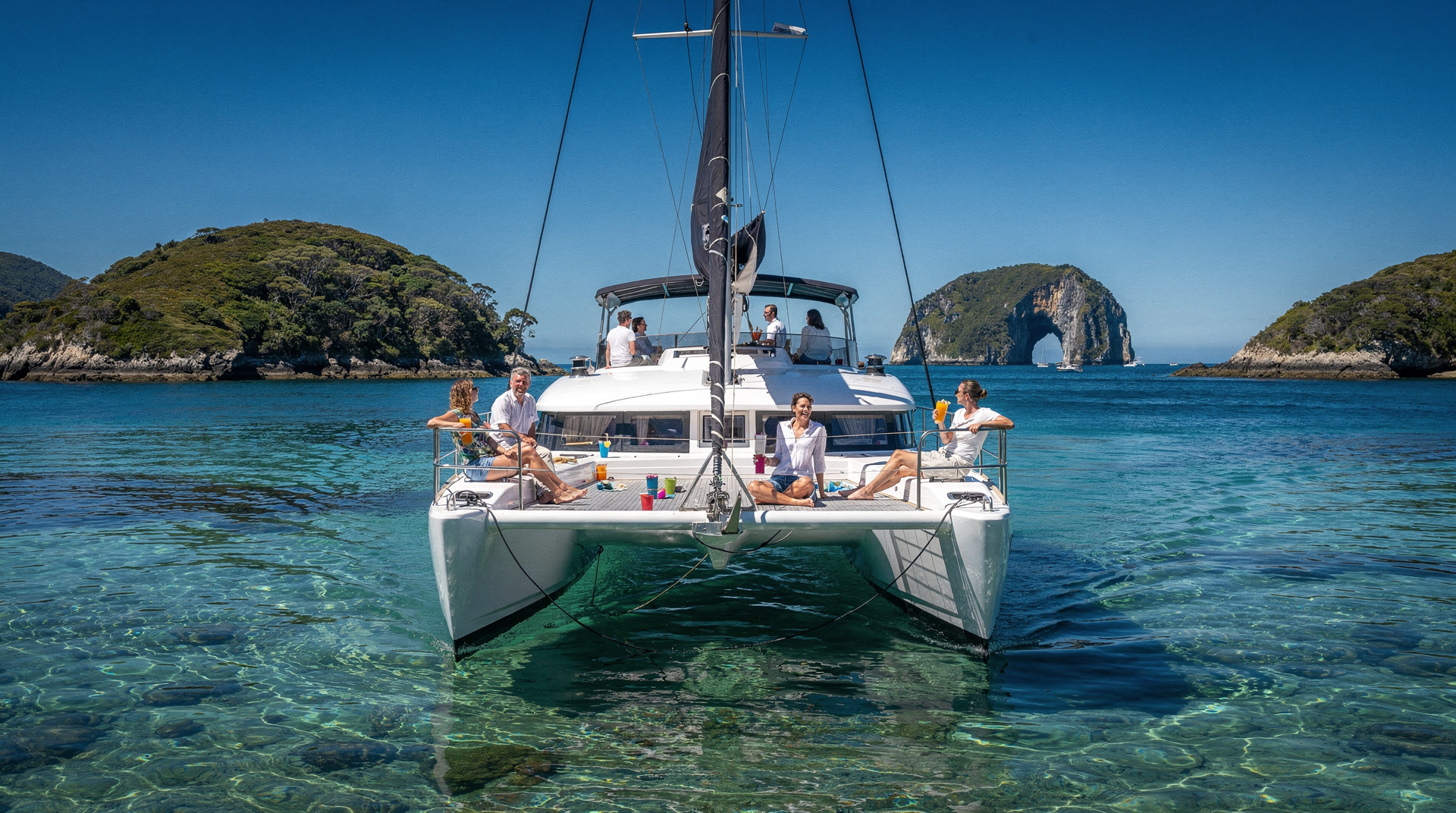
Bay of Islands cruise guide: Hole in the Rock fast boat, full-day sailing, dolphin encounters, island exploring. Costs NZD/USD/EUR from Paihia or Russell.
Dolphin swim in the Bay of Islands
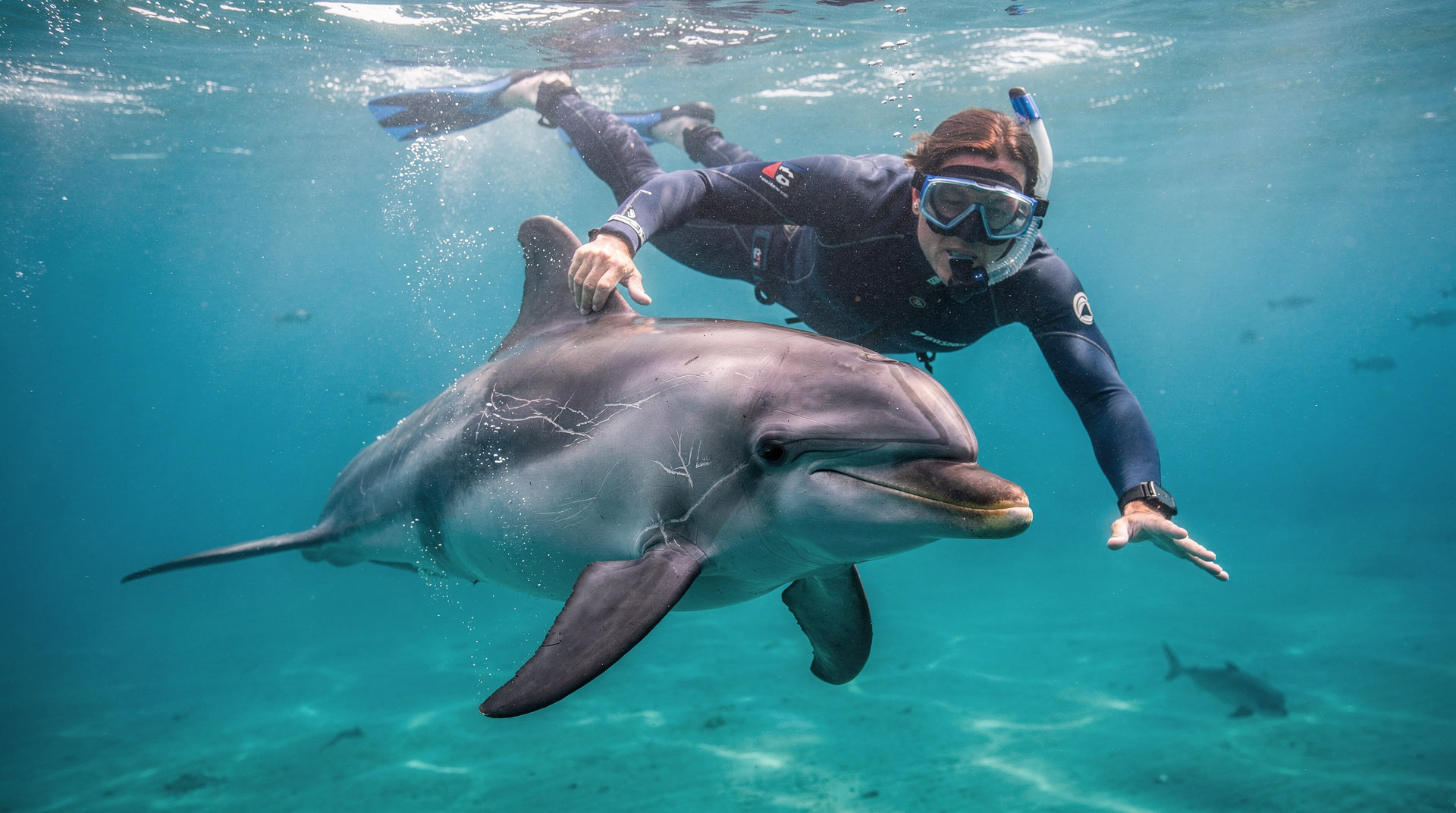
Swimming with bottlenose dolphins in the Bay of Islands: DOC-permitted operators, best months, ethical restrictions, and prices (NZD/USD/EUR).
Waitangi Treaty Grounds — guide to New Zealand's most important site
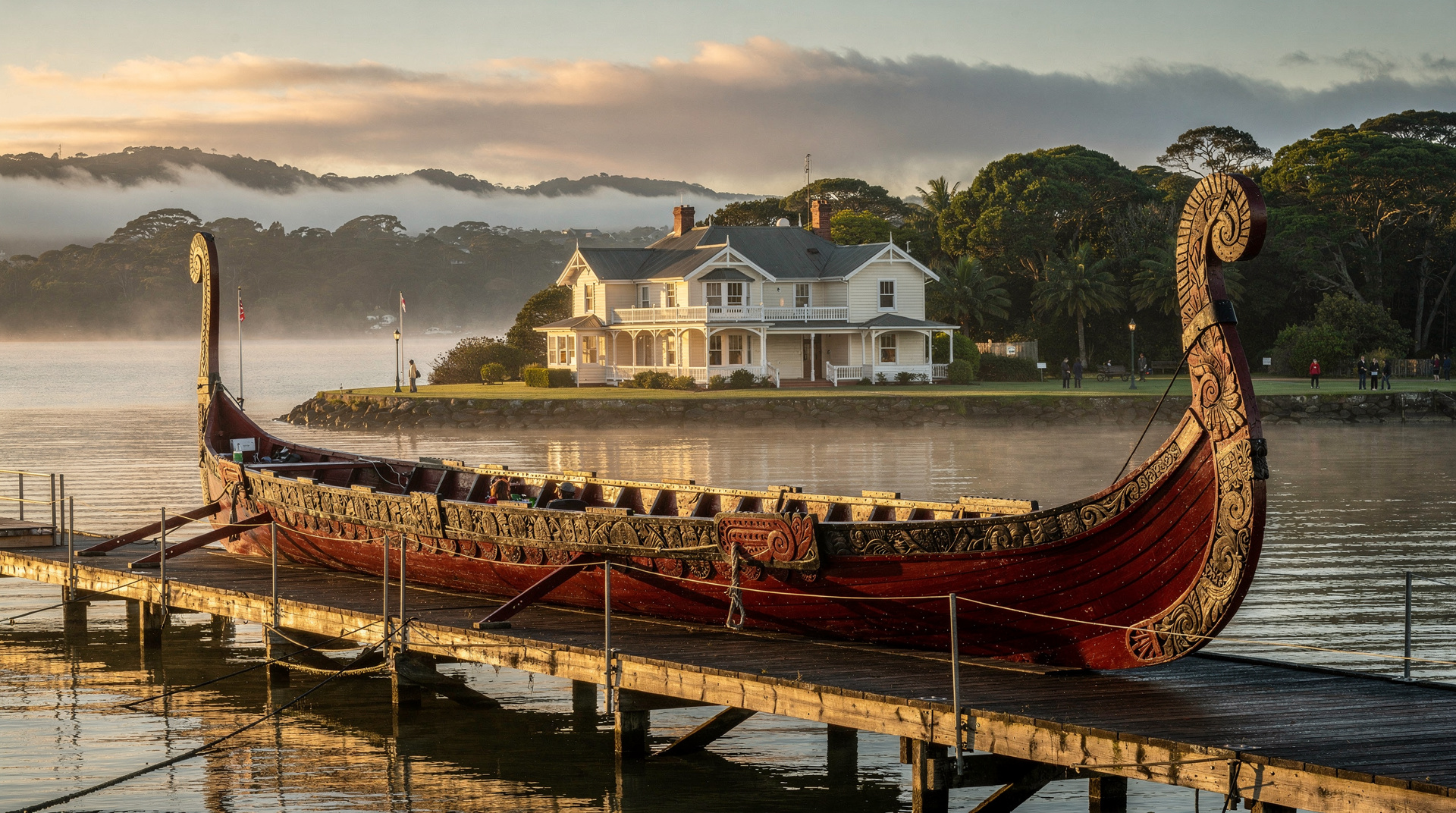
Waitangi Treaty Grounds visitor guide: Treaty of Waitangi signed here 1840. Tickets, guided tours, hangi evenings, and essential NZ historical context.
7-day North Island itinerary — the essential highlights
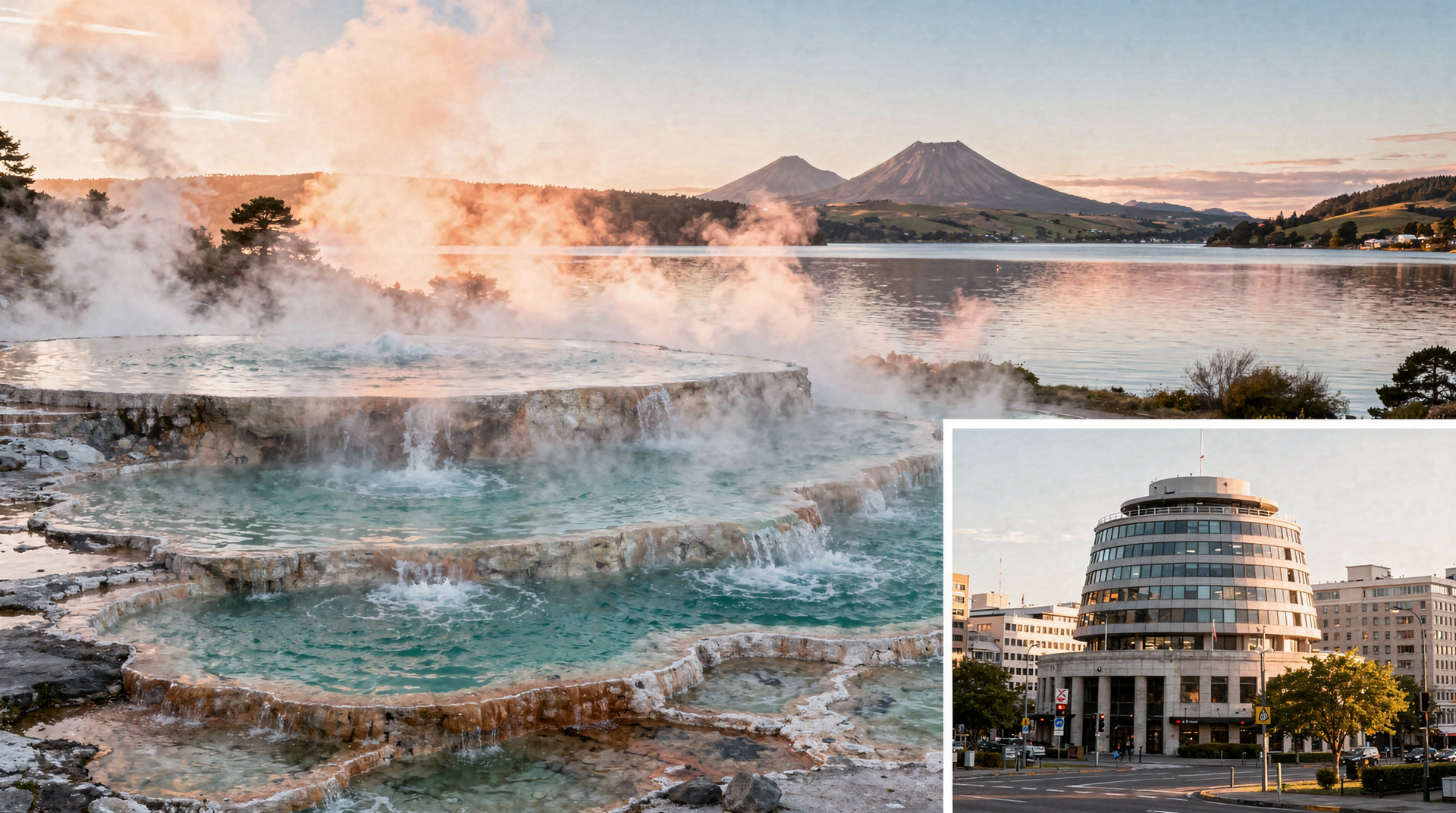
Auckland → Bay of Islands → Hobbiton → Waitomo → Rotorua → Taupo → Tongariro → Wellington. 7 days, both car and costs covered honestly.
The best shoulder season itinerary for New Zealand — 14 days in autumn
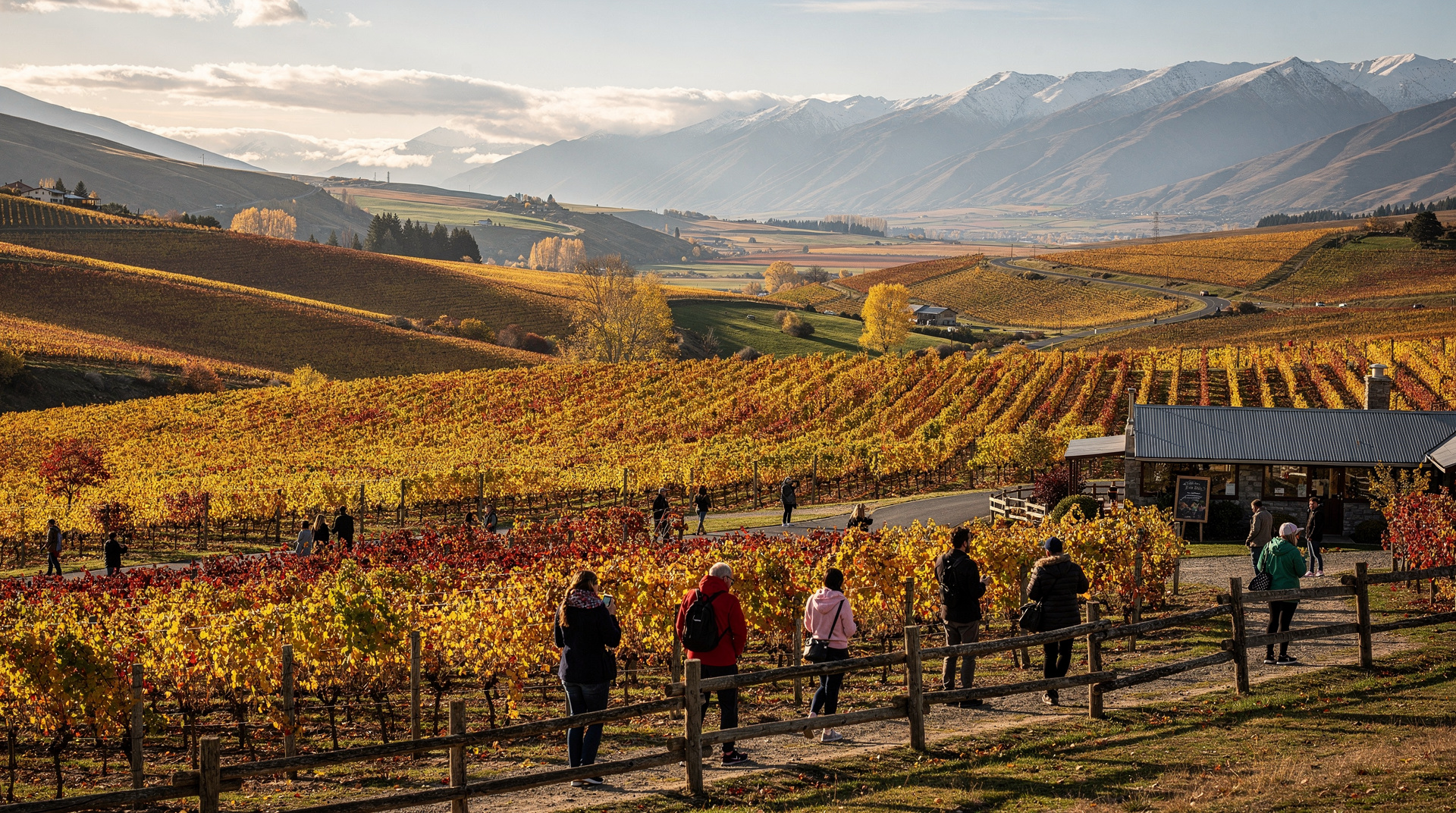
A 14-day New Zealand itinerary designed for March and April: fewer crowds, better light, lower prices, and the same landscapes everyone comes for.
Last reviewed: