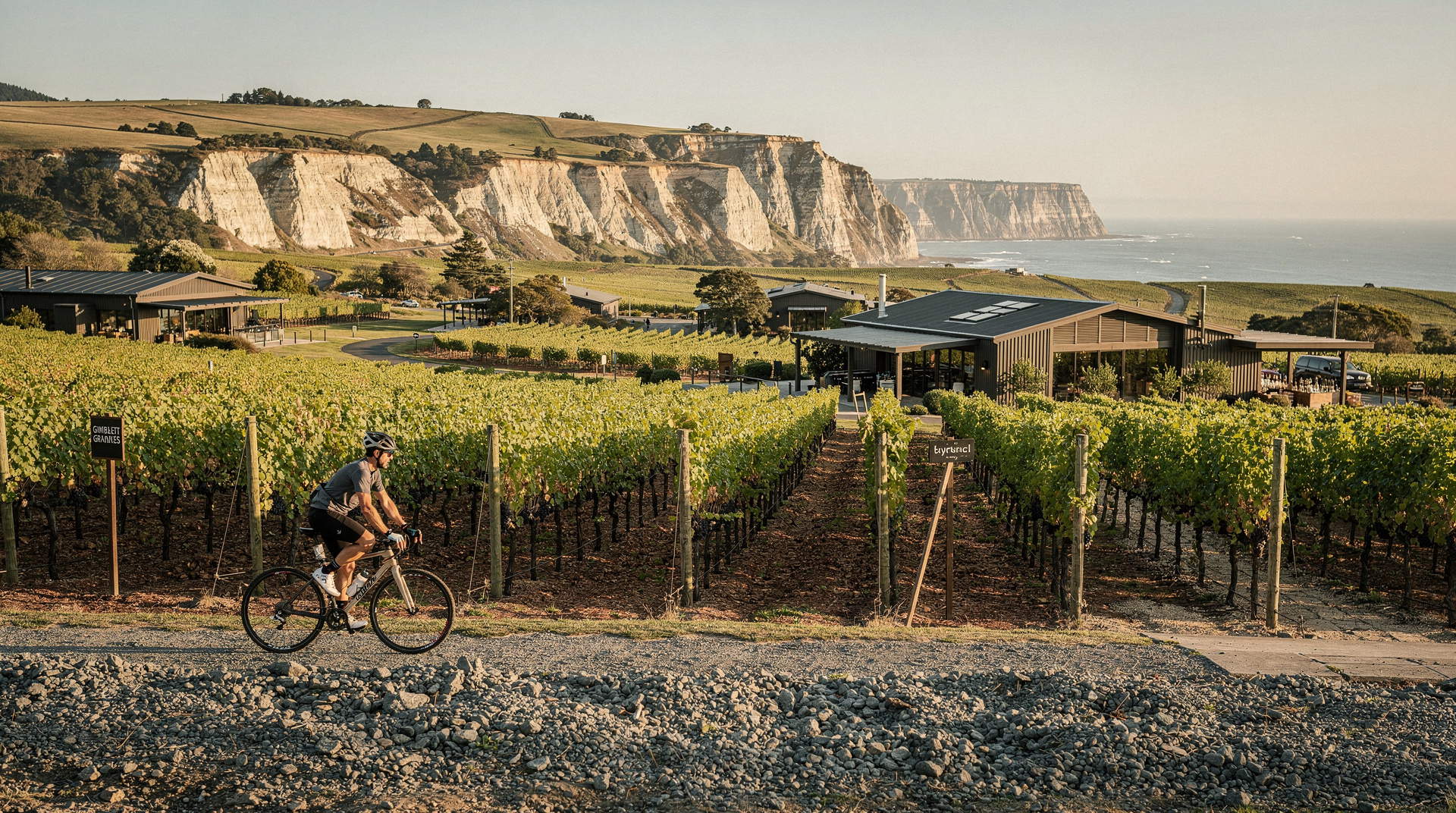
Hawke's Bay wine routes — the honest guide
Is Hawke's Bay worth visiting for wine?
Yes — it's New Zealand's best red wine region and widely underrated by international visitors who fixate on Marlborough Sauvignon Blanc. Craggy Range Syrah, Te Mata Cabernet Merlot, and Trinity Hill Gimblett Gravels Bordeaux blends are world-class. Cellar door tastings run NZD 15-35 (USD 9-21 / EUR 8-19) for 5-7 pours. The Art Deco city of Napier makes a superb base.
Why Hawke’s Bay is New Zealand’s best kept wine secret
| Where | Napier and Hastings, North Island east coast |
| Best for | Syrah, Bordeaux blends, Chardonnay (New Zealand’s red wine region) |
| Cellar door tastings | around NZD 15–35 per winery |
| Getting around | self-drive, e-bike, or guided minibus tour |
| Best time | March–May (harvest atmosphere, best light) |
Marlborough gets the magazine covers. Hawke’s Bay grows the bottles that sommeliers actually argue about.
Hawke’s Bay — centred on Napier and Hastings on the North Island’s east coast — produces 20,000 tonnes of grapes a year across 40+ wineries. It’s New Zealand’s second-largest wine region by area and, in the opinion of many producers, its most diverse. The climate is Mediterranean: long, warm, dry summers and cool autumns that extend the ripening window. Irrigation from the Ngaruroro and Tūtaekurī rivers lets growers manage vine stress precisely. The result is a region that makes serious red wine in a country whose international reputation was built on white.
The Gimblett Gravels — a 785-hectare sub-region of free-draining river gravels northwest of Hastings — is the headline story. This flood-plain geology radiates heat like a stone oven, accelerates ripening, and produces the concentrated, structured reds that give Hawke’s Bay its identity: Cabernet Sauvignon, Merlot, Malbec, Petit Verdot, Syrah. Wines from this zone are internationally competitive with Coonawarra Cabernet and Rhône Syrah.
The wineries worth your time
Mission Estate
New Zealand’s oldest winery, founded 1851 by French Marist Brothers. The cellar door sits in a stone seminary building above the Taradale suburb of Napier — it’s architectural and historically significant in a way most NZ wineries are not. The wines span the full range from entry-level Hawke’s Bay labels to the premium Jewelstone tier. Tastings: NZD 15 / USD 9 / EUR 8 for 4 pours (waived on purchase of NZD 30+). The restaurant on-site (The Mission Restaurant) is worth booking for lunch; the terrace has a view over vines and the bay. Skip the tour buses at 11 am; arrive at 9:30 or after 2 pm.
Craggy Range
In Havelock North, beneath Te Mata Peak, Craggy Range is the most architecturally striking winery in the region and makes the wines that attract the serious attention. Their Le Sol Syrah from Gimblett Gravels and the Sophia Cabernet Merlot are benchmark New Zealand reds. Cellar door tastings: NZD 20-35 / USD 12-21 / EUR 11-19 for 5 pours. The Terroir restaurant at Craggy Range has a Michelin-equivalent reputation — book at least 2 weeks ahead for dinner, 1 week for lunch. Verdict: Splurge — this is one winery in Hawke’s Bay where the experience matches the price.
Black Barn
A lifestyle estate rather than a production powerhouse, but one of the most pleasant places to spend two hours in New Zealand wine country. The Black Barn Bistro serves seasonal farm-to-table food; the amphitheatre hosts summer outdoor concerts. Cellar door tastings: NZD 15-20 / USD 9-12 / EUR 8-11. Strong Rosé and Chardonnay. Located just east of Havelock North, 5 minutes from Te Mata Peak. Verdict: Worth it for the atmosphere. The food and setting outshine the wines.
Te Mata Estate
The oldest operating winery in New Zealand (vines planted 1892). Te Mata’s Coleraine — a Cabernet Merlot Cabernet Franc blend — is one of NZ’s most storied reds and consistently scores 94-96 points internationally. The winery is a 5-minute drive from Havelock North on Te Mata Road. Cellar door tastings: NZD 20 / USD 12 / EUR 11 for 4-5 pours. No fancy restaurant — this is a working winery. Verdict: Pilgrimage status for red wine lovers. Buy a bottle of Coleraine if the vintage is available.
Trinity Hill
Gimblett Gravels specialist. Trinity Hill’s Homage Syrah is their flagship — dark, smoky, structured, ages for 15+ years. The winery also produces a strong Tempranillo (unusual in NZ) and accessible Gimblett Gravels blends at NZD 28-40 / USD 17-24 / EUR 15-22 per bottle at cellar door. Tastings: NZD 20 / USD 12 / EUR 11. No food on-site. Verdict: Worth it for anyone buying serious reds. Skip the crowd on Saturday noon; go Friday or Monday.
Sileni Estates
Good-value mid-range wines with a popular restaurant and deli. The Cellar Select range at NZD 18-25 / USD 11-15 / EUR 10-14 a bottle offers honest Merlot and Chardonnay. Tasting fee: NZD 10-15 / USD 6-9 / EUR 5-8, often waived. Good stop for lunch if Craggy Range is fully booked.
Sacred Hill
One of the Hawke’s Bay pioneers for Dartmoor Valley Chardonnay. Their Rifleman’s Chardonnay is excellent and underpriced. Cellar door on an elevated site with good views. Tastings: NZD 15 / USD 9 / EUR 8.
Getting around: the three honest routes
By car (the honest default)
Most wineries are 15-30 minutes from central Napier, spread between Taradale (Mission Estate), the Gimblett Gravels area near Hastings, and Havelock North. Driving makes sense if you have a non-drinking designated driver or plan to spit. The distances are short but rural roads are not Google-optimistic — add 30% to any ETA. Park properly; the wineries expect cars.
Do not drink and drive. New Zealand’s blood alcohol limit is 0.05% — stricter than most countries. A wine tour means 8-12 pours across 4-6 wineries; that’s a taxi job or a guided tour.
By e-bike or cycle
The Hawke’s Bay Trails network connects Napier to Havelock North and passes several wineries. The flat terrain near the bay is genuinely bikeable. E-bike rental is available in Napier (around NZD 70-95 / USD 42-57 / EUR 38-52 per day from providers like Wheelie Good Tours). The Mission Estate to Black Barn to Craggy Range circuit is about 25 km of mixed trail and road — manageable as a full day. Bring a pannier bag or a rear rack; buying wine and cycling is compatible if you plan ahead.
Self-guided coast to vineyards cycle tour — Hawke’s BayThis self-guided option provides a mapped route, e-bike, and pickup/dropoff, which takes the logistics pressure off.
By guided minibus tour
The most popular option for visitors without a local driver. Tours typically cover 4-5 wineries in 4-6 hours with transport, tasting fees included (sometimes), and a guide who explains regional context.
From Napier: Hawke’s Bay small-group wine tourSmall-group format (max 10-12) is worth paying for over a large bus tour — you get more time at each cellar door and the guide can be responsive to what you actually like.
4 wineries premium Hawke’s Bay tasting tour (5.5 hours)This covers Gimblett Gravels specialists specifically — better for serious wine drinkers who want to compare the sub-region style systematically.
For a combined wine and food focus:
Napier: gourmet winery lunch and tastings at 4 wineriesReal costs — what a day of wine tasting costs (2026)
| Item | NZD | USD | EUR |
|---|---|---|---|
| Tasting fee per winery (avg 5 pours) | 15-35 | 9-21 | 8-19 |
| Full day at 4 wineries, tastings only | 60-120 | 36-72 | 33-66 |
| Lunch at Craggy Range Terroir | 60-90 pp | 36-54 | 33-50 |
| Lunch at Black Barn Bistro | 35-55 pp | 21-33 | 19-30 |
| Guided half-day wine tour | 95-130 | 57-78 | 52-72 |
| Guided full-day tour with lunch | 150-220 | 90-132 | 83-121 |
| E-bike rental (full day) | 70-95 | 42-57 | 38-52 |
| Taxi Napier to Havelock North | 25-35 | 15-21 | 14-19 |
Wine buying: A good Gimblett Gravels red at cellar door runs NZD 25-55 / USD 15-33 / EUR 14-30. Te Mata Coleraine: NZD 75-95. Craggy Range Le Sol Syrah: NZD 80-110. You’ll pay 30-50% more for these in a restaurant.
When to go
March–May (autumn): The harvest and post-harvest period. Wineries are busy with vintage work but cellar doors are still open; the atmosphere is electric. The heat breaks after March and the region turns golden. This is the best time.
September–November (spring): Bud break and flowering. Wines from previous vintage being released. Quiet, cool, good value on accommodation in Napier.
December–February (summer): Hot, crowded, school holidays. Book restaurants 2-3 weeks ahead. Craggy Range Terroir in particular is difficult to get into on a Saturday in January without reservations.
June–August (winter): Quiet, some cellar doors reduce hours. A few close Monday–Tuesday. Not unpleasant weather but the energy is low. If you’re primarily wine-shopping rather than wine-touring, winter works fine.
The Gimblett Gravels sub-region: why it matters
The 785-hectare Gimblett Gravels zone is officially recognised on wine labels. If you see “Gimblett Gravels Winegrowers” on a bottle, it means the grapes came from within this flood-plain boundary. The geological substrate — rounded river stones deposited by the Ngaruroro River — drains instantly after rain, forcing vine roots deep, and absorbs and radiates heat through the afternoon. This combination creates low yields with concentrated, phenolic-rich fruit. Wines here taste structurally different from the coastal Hawke’s Bay style: bigger tannins, darker fruit, longer ageing potential.
The main producers in this zone: Trinity Hill, Craggy Range (Gimblett Road block), Ngatarawa, Sileni (upper tier), Vidal Estate. Budget for NZD 30-60 / USD 18-36 / EUR 17-33 at cellar door for the Gimblett Gravels designated wines — this is not the bargain end of the NZ wine shelf.
Combining wine with other Napier experiences
Napier’s Art Deco architecture makes the town itself a half-day of content before or after the wineries. The CBD was rebuilt after the 1931 earthquake in consistent Spanish Mission and Art Deco style — it’s a UNESCO-listed consideration and genuinely beautiful for an architectural walk.
Cape Kidnappers — a gannet colony accessible by tractor-trailer or 4WD tour — is one of the most unusual wildlife experiences on the North Island, and it pairs naturally with a morning wine tour. See the Cape Kidnappers gannets guide.
Day trips from Wellington include Hawke’s Bay if you’re willing to drive 4 hours or fly the 50-minute Wellington-Napier Air New Zealand route (from NZD 79 / USD 47 / EUR 43 one-way if booked 6+ weeks ahead).
The wine regions overview compares Hawke’s Bay, Marlborough, Central Otago, Martinborough, and Wairarapa if you’re planning a wine-focused NZ itinerary.
Hawke’s Bay vs Central Otago for red wine lovers
Both regions produce serious reds, but the styles diverge. Hawke’s Bay at Gimblett Gravels: warm-climate Bordeaux and Rhône — full, structured, tannic, age-worthy. Central Otago: cool-climate Pinot Noir — silky, precise, perfumed, Burgundy-adjacent. If you can visit both, you should. If forced to choose one red wine region: Central Otago for Pinot purists; Hawke’s Bay for Bordeaux/Shiraz drinkers.
Booking tastings and tours ahead
Cellar door tastings mostly don’t require booking outside peak periods, but the restaurants attached to Craggy Range and Elephant Hill-style venues do, and guided minibus tours should be booked at least a few days ahead in summer (December–February) when both cruise-ship stopovers in Napier and domestic tourism peak simultaneously. If a cruise ship is in port, expect Mission Estate and Craggy Range in particular to be busier than usual for a few hours around midday — check the Napier port schedule if you want to avoid the crowds, or simply shift your visit to those two wineries earlier or later in the day.
A realistic one-day wine route
If you have a single day and no guide, this loop covers the essentials without excessive driving: start at Mission Estate (9:30am, before tour buses arrive), drive 20 minutes to Te Mata Estate for an 11am tasting, walk or drive 5 minutes to Craggy Range for lunch at Terroir (book ahead) or a quick tasting if lunch isn’t booked, then finish at Trinity Hill or Black Barn in the mid-afternoon before the light softens. This covers both the historic (Mission, Te Mata) and Gimblett Gravels (Trinity Hill, Craggy Range) sides of the region in roughly 6 hours of touring, plus lunch.
If you’d rather not drive at all, the small-group guided tours cover a similar spread with a designated driver and a guide who can steer you toward wines matching your taste, which self-navigating first-timers often miss.
Staying overnight: Napier vs Hastings vs Havelock North
Most visitors base themselves in Napier for its Art Deco character, restaurants, and waterfront, even though several wineries are technically closer to Hastings or Havelock North. Havelock North, at the foot of Te Mata Peak, is the quieter, more upscale option and puts you closest to Craggy Range, Te Mata Estate, and Black Barn — worth considering if the wineries are your main focus and you don’t need Napier’s nightlife. Hastings itself is more workaday but centrally located for the Gimblett Gravels producers. For a first visit, Napier’s broader accommodation and restaurant choice makes it the easier base; wine-focused repeat visitors often prefer Havelock North.
FAQ
Do I need to book cellar door visits?
Not always, but it’s strongly recommended at Craggy Range Terroir restaurant (book 2+ weeks ahead for dinner, 1 week for lunch) and Black Barn Bistro in summer. For tasting-only visits, most cellar doors accept walk-ins. Mission Estate, Te Mata, and Trinity Hill almost always have space.
Can I spit at tastings?
Yes — all reputable cellar doors provide spittoons. Spitting is expected and respected; no one thinks less of you. If you’re driving, spit. Swallowing 8-10 pours across a day of driving is not safe.
What red wine grape varieties grow in Hawke’s Bay?
The Gimblett Gravels zone focuses on Cabernet Sauvignon, Merlot, Malbec, Petit Verdot (Bordeaux varieties) and Syrah (Rhône). The broader Hawke’s Bay region also produces Tempranillo (Trinity Hill), Montepulciano, and some experimental plantings. For whites: Chardonnay (excellent), Pinot Gris, and Viognier.
Is Hawke’s Bay good for Sauvignon Blanc?
Hawke’s Bay does produce Sauvignon Blanc, but it is warmer and richer than Marlborough’s — less herbaceous, more tropical. If you’re specifically after NZ’s signature style of zingy, citrus-driven Sauvignon, go to Marlborough. See the Marlborough wine and food guide.
How do I get from Wellington to Napier?
Fly (50 minutes, Air New Zealand, from NZD 79 one-way) or drive (4 hours via SH2 through the Wairarapa — scenic, moderately twisty). The drive through the Manawatu Gorge is genuinely beautiful. There is no direct train. InterCity buses run daily but take 5+ hours.
What’s the best time of day to visit cellar doors?
10 am–12 pm for the first visit when tasting room staff are fresh and less rushed. Avoid arriving 30 minutes before closing — you’ll get a rushed pour. The post-lunch 2-4 pm slot is often uncrowded on weekdays.
Can I visit Hawke’s Bay as a day trip from Wellington?
Technically yes if you fly — land at 9 am, visit 3 wineries, fly back at 5 pm. But you’ll spend NZD 160-280 / USD 96-168 / EUR 88-154 return and feel rushed. An overnight in Napier is the better call; accommodation is significantly cheaper here than Wellington.
Related guides
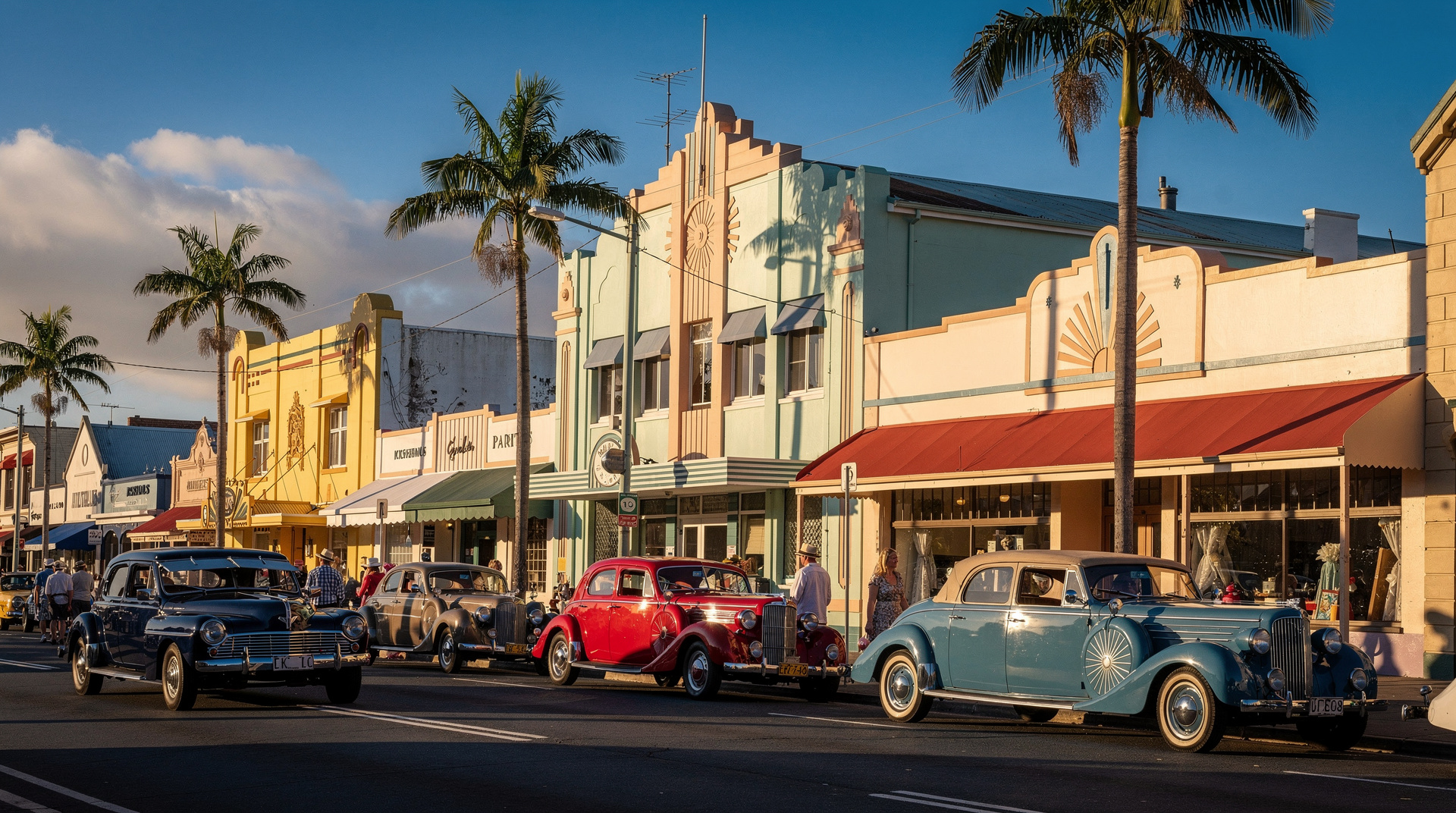
Napier
Honest Napier guide: Art Deco architecture, Hawke's Bay wine tours, Cape Kidnappers gannets, real prices NZD/USD/EUR, and how long to stay.
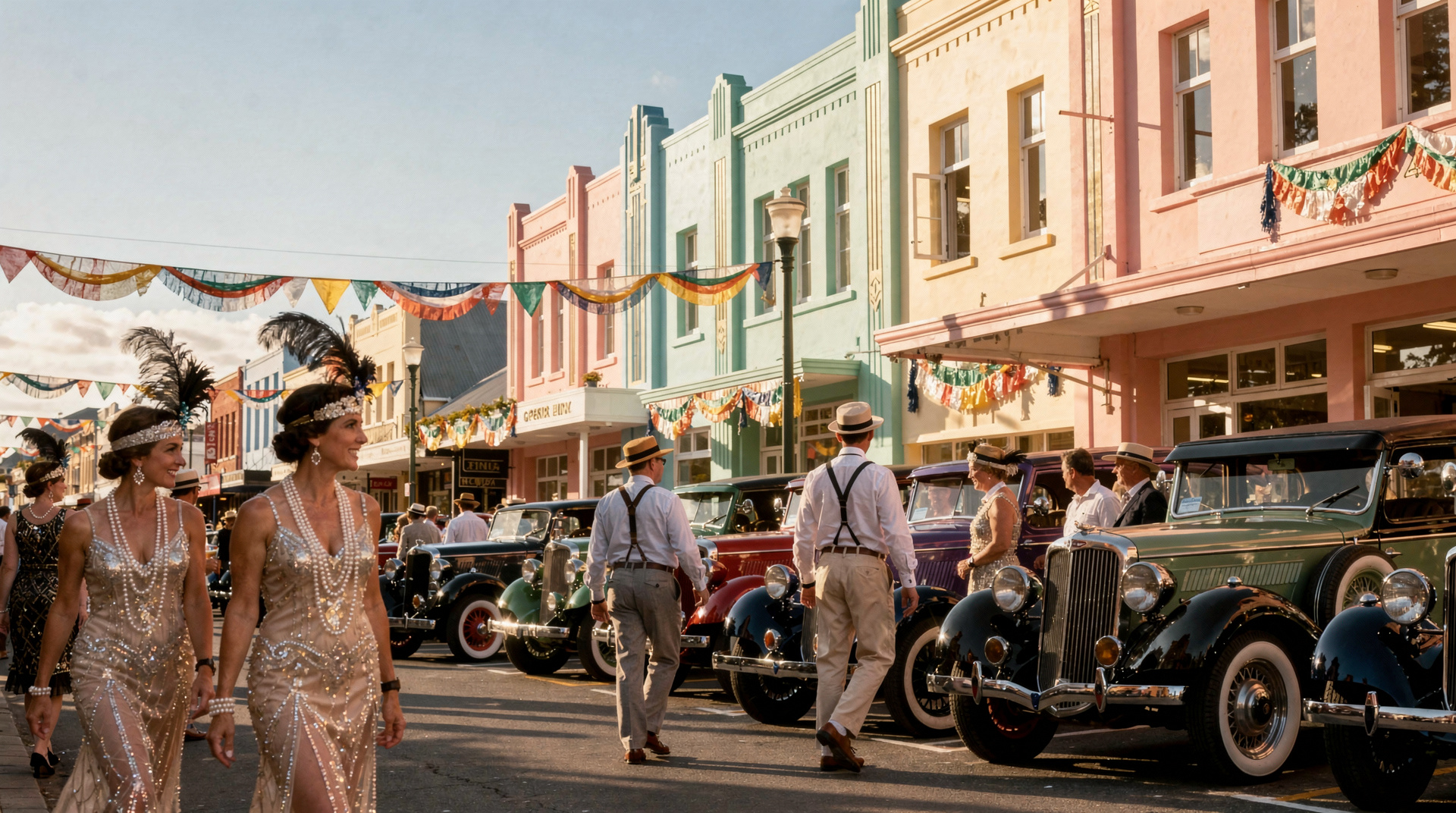
Napier art deco — the 1931 earthquake that rebuilt a city
Napier's art deco architecture resulted from rebuilding after the 1931 earthquake. Guided walks, self-guided routes, festival dates, and honest visitor tips.
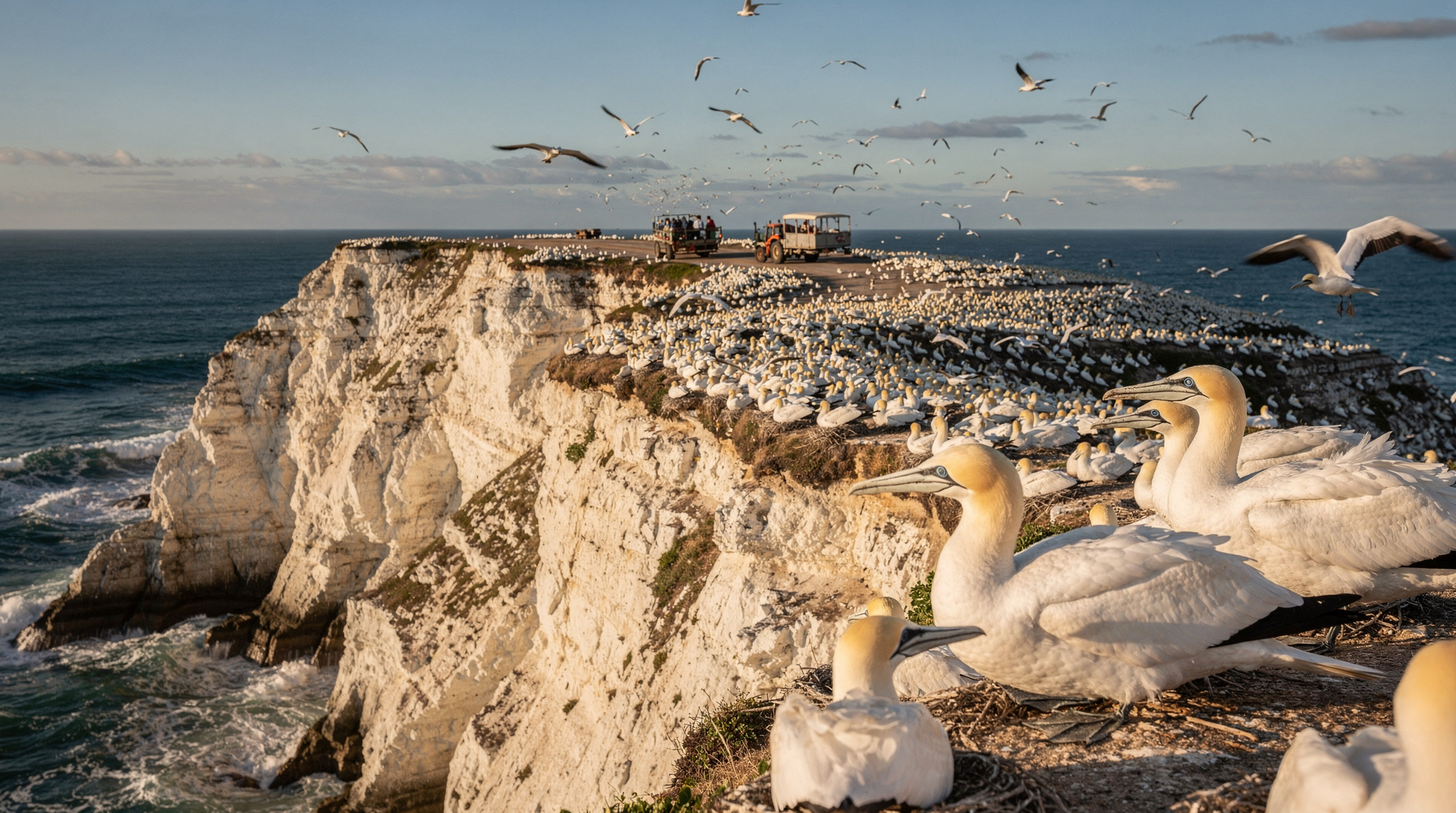
Gannets at Cape Kidnappers
Cape Kidnappers holds the world's largest mainland gannet colony. Tractor tours, prices (NZD/USD/EUR), best season, and how to visit from Napier or Hawke's Bay.
New Zealand wine regions — complete guide
Complete guide to New Zealand's 10 wine regions: Marlborough, Central Otago, Hawke's Bay, Martinborough and more. Which to visit, what to taste, prices.
Central Otago wine tour guide
Central Otago is the world's southernmost wine region and NZ's pinot noir capital. Cromwell Basin, Bannockburn, Gibbston — tours and prices NZD/USD/EUR.
Last reviewed: