Marlborough wine and food — the honest guide
Is Marlborough worth visiting for wine?
Yes — Marlborough produces 77% of New Zealand's wine and invented the now-global style of bright, citrus-driven Sauvignon Blanc. The Wairau Valley cellar door circuit from Blenheim covers 15-20 wineries in a flat, easily cycleable landscape. Tastings run NZD 10-25 (USD 6-15 / EUR 5-14) per winery. Spring and autumn are quieter; January–February are peak and crowded.
Why Marlborough Sauvignon Blanc changed wine history
In 1985, Cloudy Bay released its first vintage. By 1990, New Zealand Sauvignon Blanc had a global reputation it had not possessed six months before. That’s not hyperbole — it’s a documented commercial phenomenon studied in wine school syllabuses. The Marlborough style — intensely aromatic, herbaceous, zingy with citrus and passionfruit, mineral on the finish — was so distinctive and consistent that it created an entirely new consumer expectation for the variety.
Marlborough sits at the northeastern tip of the South Island, sheltered by the Richmond Range to the west and the Wither Hills to the south. The Wairau Plain — a wide, flat river valley draining into Cloudy Bay — is where 80% of Marlborough grapes grow. The valley’s unique microclimate delivers long, sunny days with cool nights that slow ripening and preserve natural acid. The result is the freshness and intensity that defines the style.
Forty years on, Marlborough produces 77% of New Zealand’s total wine output and exports to 100 countries. It is not a boutique wine region. It is a wine industry. Understanding that distinction is key to visiting it honestly.
| Where | Blenheim, top of the South Island, 30 min from Picton |
| Cost | NZD 10-25 per tasting; NZD 50-100 for a full day at 4-5 cellar doors |
| Time needed | 1 full day for the wine circuit, 2 with the Sounds |
| Getting there | Cook Strait ferry to Picton, or fly into Blenheim |
| Best time | February-March for harvest energy, April for quiet post-harvest |
What Marlborough actually makes
Sauvignon Blanc (the main event)
The dominant variety by a large margin. Marlborough SB divides into two broad styles within the valley: warmer, richer wines from the southern Wairau Valley floor (Brancott Estate, Cloudy Bay, Villa Maria), and cooler, more mineral expressions from the sub-valleys of the Southern Valleys AVA (Awatere Valley, Brancott Valley itself, Fairhall). The latter tend to be leaner and more herbaceous.
Tasting through both styles side-by-side at a cellar door is genuinely educational. Ask specifically for a Wairau vs Awatere comparison if the winery produces both — Clos Henri, Saint Clair, and Dog Point do this well.
Pinot Noir (the growing story)
Marlborough Pinot Noir is serious. It doesn’t get the international press of Central Otago Pinot — the region’s fame is so comprehensively tied to white wine — but Dog Point Section 94, Fromm Cuvée H, and Seresin Estate’s Leah Pinot are wines that would stand with good Burgundy villages in a blind tasting. The lighter soils of the Wairau Valley floor produce earlier-ripening, fruit-forward Pinots; the Southern Valleys add structure.
If you’re a Pinot Noir drinker visiting Marlborough, make a point of asking specifically for the red wines — many cellar door staff will pour Sauvignon Blanc by default.
Chardonnay
Underrated in Marlborough. Fromm Winery’s Clayvin Vineyard Chardonnay is regularly scored at 94-96 points. Saint Clair Wairau Reserve Chardonnay is excellent at NZD 25-35 / USD 15-21 / EUR 14-19 at cellar door. Not every winery makes a good one — skip the cheap Marlborough Chardonnay in supermarkets and buy directly at cellar door.
Pinot Gris and Riesling
Both varieties thrive in the cool conditions. Wairau River’s Pinot Gris is particularly consistent. Riesling is a minority variety but Framingham makes a benchmark dry Riesling that food people love. Worth seeking out if you’re a Riesling fan — German-style, bone dry, high acid.
The wineries worth your time
Cloudy Bay
The name that started it all. The cellar door sits on Jacksons Road in the Wairau Valley with a pleasant tasting room and garden. Tastings: NZD 15-20 / USD 9-12 / EUR 8-11, waived on purchase of NZD 40+. The Sauvignon Blanc here is not the best in Marlborough today — the brand’s commercial scale means consistency over distinction — but trying it where it was invented carries its own weight. The Te Koko (oaked Sauvignon Blanc) and the Pelorus sparkling are better than the standard SB.
Honest verdict: Worth visiting once for the history, but don’t expect the wine epiphany you might hope for. The brand now belongs to LVMH and production is global scale.
Brancott Estate
Formerly Montana — the largest Marlborough producer, now owned by Pernod Ricard. The cellar door has a hilltop position with panoramic views of the Wairau Valley and is genuinely impressive architecturally. Good food menu. Tastings: NZD 10-20 / USD 6-12 / EUR 5-11. The Letter Series (single-vineyard) wines are the best here. Verdict: Good for the views and the context; wines are reliably good but not the region’s most exciting.
Saint Clair Estate
A family-owned operation producing some of the region’s most interesting wines. The Pioneer Block single-vineyard series shows how site-specific Marlborough SB can be. The Pioneer Block 3 Bull Block (from clay soils on the Wither Hills) is quite different from the Pioneer Block 1 Doctors Creek (Wairau gravels) — a compelling side-by-side if available. Tastings: NZD 15-25 / USD 9-15 / EUR 8-14. The Kitchen door café on-site does excellent wood-fired pizza in summer.
Verdict: Worth it. Saint Clair punches above its profile in international wine markets.
Wairau River
One of the more rustic, authentic cellar door experiences in the valley. Family-owned, large pour size, relaxed atmosphere. The Pinot Gris here is consistently one of the region’s best. Tastings: NZD 10-15 / USD 6-9 / EUR 5-8. Substantial lunch menu. No tour buses pull up here; it’s mostly wine-trade visitors and people who know it from previous trips.
Verdict: Worth it for the honest local experience and the Pinot Gris specifically.
Dog Point Vineyard
Named for a limestone outcrop near the property, Dog Point is the quiet overachiever of Marlborough. Co-founded by former Cloudy Bay winemakers James Healy and Ivan Sutherland, the wines include a Section 94 Sauvignon Blanc (fermented with wild yeast, no residual sugar, complex and textured) and a Pinot Noir that regularly scores 93-95 points. Cellar door is appointment-only at times — check ahead. Tastings: NZD 20-30 / USD 12-18 / EUR 11-17.
Verdict: Splurge — the Section 94 is among the finest expressions of Marlborough SB you’ll find.
Fromm Winery
Tiny production, biodynamic vineyard management, cult status among wine professionals. The Clayvin Chardonnay and Cuvée H Pinot Noir are collector wines. Tastings by appointment. Don’t show up unannounced. Verdict: For serious wine nerds only; the rest of the cellar door circuit is more accessible.
Seresin Estate
Organic and biodynamic production on the Wairau Valley floor. Owned by NZ film cinematographer Michael Seresin. Strong Pinot Noir, good Chardonnay, interesting Malagouzia (a Greek white). The cellar door has a genuine farm atmosphere. Tastings: NZD 15-20 / USD 9-12 / EUR 8-11. Verdict: Worth it for the organic focus and the Pinot.
Te Whare Ra and the smaller Southern Valleys producers
Beyond the well-known names, Marlborough’s Southern Valleys (Omaka, Brancott, Waihopai, Awatere) shelter a tier of small producers whose wines rarely make it onto international shelves but reward the effort of a detour. Te Whare Ra, a small family biodynamic producer in the Renwick area, makes a genuinely distinctive Gewürztraminer alongside its Sauvignon Blanc — an unusual variety to find done well in Marlborough.
These smaller cellar doors are typically appointment-friendly rather than strictly appointment-only, and staff have more time to talk through the vineyard’s specific soils than at the larger commercial operations. If your itinerary allows a full day rather than a rushed half-day, adding one Southern Valleys producer to the standard Wairau Valley floor circuit gives a genuinely different picture of the region.
Getting around the wine routes
By bicycle
Blenheim’s wine country is one of the most cyclist-friendly wine regions in the world. The Wairau Valley floor is flat, the roads are quiet, and distances between wineries are 2-5 km. The Marlborough wine trail by bike is a genuine day-out option from Blenheim centre. Bike rental: NZD 30-55 / USD 18-33 / EUR 17-30 per day from Blenheim operators including Wheel Escapes and the i-SITE.
Marlborough: full-day self-guided biking wine tourThis guided-route format provides the route map, bike, and pickup, making it easy to do independently without navigating blind.
Marlborough half-guided, half self-guided bike wine tourA mixed format — a guide leads you for the first section, then you continue alone. Good middle ground between total independence and full guided.
By minibus tour
For groups, couples who both want to drink, and first-timers who want context before they taste:
From Blenheim/Picton: Marlborough gourmet wine tasting tourThis half-day tour covers 3-4 wineries with a guide explaining varietals, soil types, and regional history. The gourmet food pairings included make it more than a simple pour-and-go.
By car
Fine if one person abstains. The B&B at Blenheim hosts are accustomed to designated drivers — staff at the cellar doors will often serve a juice or water for the driver without comment.
Marlborough food: beyond the wine glass
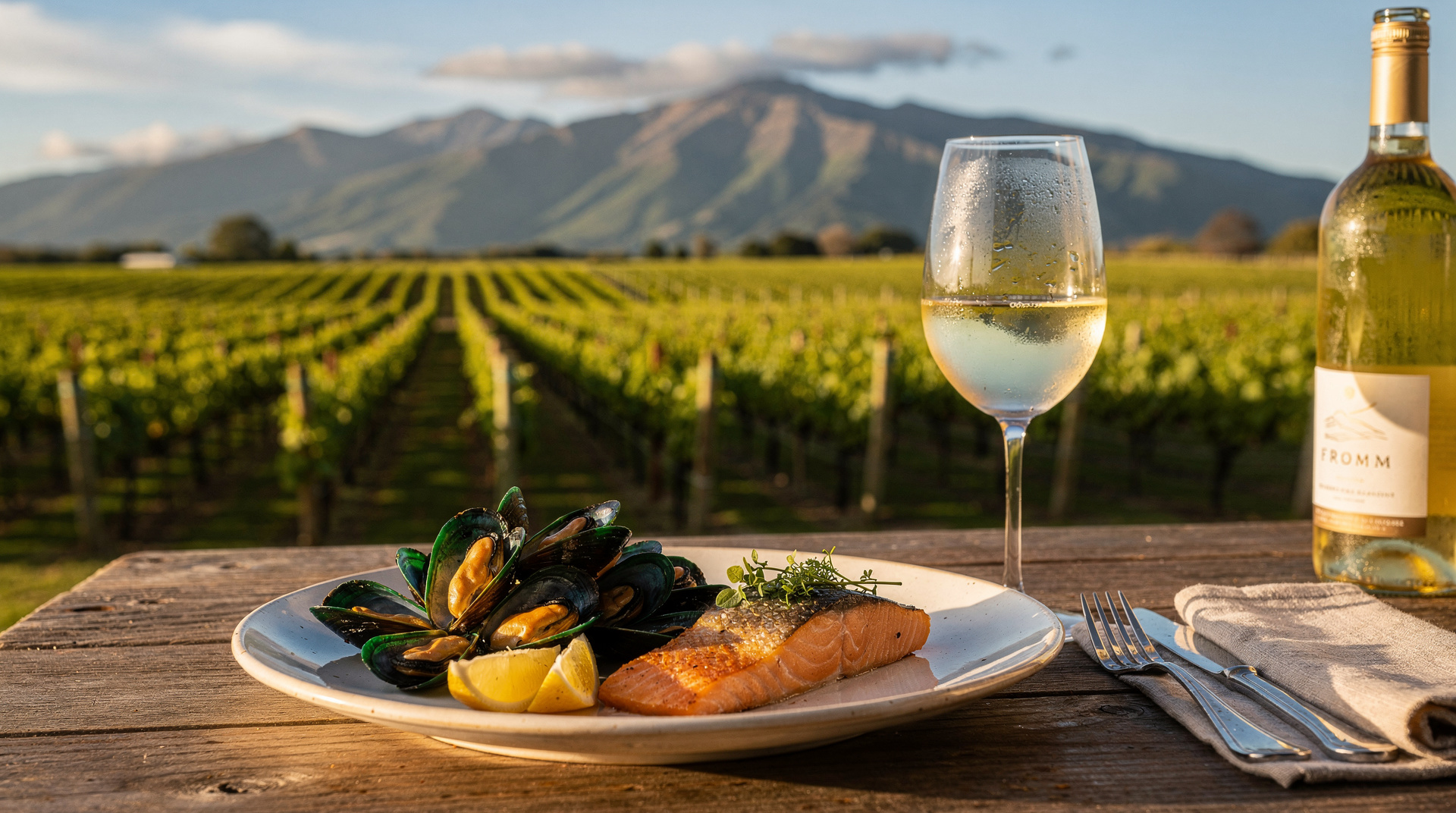
Salmon and mussels — the other industry
Marlborough is not just grapes. The Marlborough Sounds — a complex of drowned river valleys stretching north from Picton — host New Zealand’s largest mussel and salmon aquaculture operations.
Green-lipped mussels (perna canaliculus): Also called kuku in te reo Maori, these are New Zealand’s iconic shellfish — larger, sweeter, and more substantial than European mussels. You can buy them live at the Blenheim market, cooked at Havelock restaurants (Havelock is the mussel capital), or on a mussel cruise directly from the farms. Fresh mussels should cost NZD 8-14 / USD 5-8 / EUR 4-7 per kilogram at a fish shop. In a restaurant: expect NZD 20-35 / USD 12-21 / EUR 11-19 for a shared pot.
The green-lipped mussels guide covers the aquaculture background, how they’re farmed, and which Marlborough restaurants do them best.
Marlborough king salmon (Chinook): Farmed in the Marlborough Sounds in deep, cold seawater. The Sounds’ strong tidal flows and cold Tasman currents produce salmon with exceptionally high fat content — comparable to Norwegian Atlantic salmon. It’s sold fresh in Blenheim supermarkets and most Marlborough restaurants serve it. The Marlborough origin is marked on menus; look for it.
The Greenshell mussel cruise
Marlborough Sounds: Greenshell mussel cruise from HavelockThis 4-hour cruise from Havelock takes you into the Marlborough Sounds to visit a working mussel farm, watch how they’re harvested, and eat them fresh on the water. It’s one of the most genuinely interesting food experiences in New Zealand — the combination of scenery and production context is unusual. Costs: approximately NZD 115-130 / USD 69-78 / EUR 63-72 per person including mussels.
Seafood restaurants and delis
Rock Ferry Estate Restaurant (Blenheim) — winery restaurant with a good seasonal menu; strong focus on Marlborough produce with matching wines by the glass.
Giesen Estate — tasting room with cheese and charcuterie boards, good for a light lunch between wineries.
Dodson Street Beer Garden (Blenheim) — the town’s most popular casual venue; Monteiths beer, reasonable food, lively atmosphere especially in summer. Not wine — but a good balance point if someone in your group wants a beer.
The Mussel Inn (Onekaka, Golden Bay) — technically outside Marlborough but a Golden Bay institution for fresh mussels, craft beer brewed on-site, and live music. Worth the detour if you’re heading north to Golden Bay.
Prenzel Distillery (Blenheim) — Marlborough also produces schnapps, liqueurs, and brandy. Prenzel’s cellar door offers tastings of fruit spirits made from local stone fruit and berries. Different from wine and interesting for 30 minutes.
Havelock: the mussel capital
Havelock, 35km west of Blenheim at the head of Pelorus Sound, styles itself the “greenshell mussel capital of the world” and mostly earns the claim. The small town’s handful of restaurants (the Mussel Boys café is the well-known one) serve mussels sourced directly from the surrounding Pelorus Sound farms, often the same day they’re harvested. Combining a Havelock lunch with the Greenshell mussel cruise out of the same town makes an efficient half-day that pairs the working aquaculture with the eating in a way Blenheim itself can’t quite match, since Blenheim’s mussels have already travelled before they reach a plate.
Marlborough Farmers Market
Saturday mornings in Blenheim’s Seymour Square. Stalls include smoked salmon, Marlborough olive oil, stone fruit, local honey, and cheese. Open year-round, but summer has the widest selection. Arrive before 10 am.
Real costs — a day of Marlborough wine and food (2026)
| Item | NZD | USD | EUR |
|---|---|---|---|
| Cellar door tasting per winery (avg 5 pours) | 10-25 | 6-15 | 5-14 |
| Full day at 4-5 wineries, tastings | 50-100 | 30-60 | 28-55 |
| Guided half-day wine tour | 85-120 | 51-72 | 47-66 |
| Guided full-day tour with lunch | 130-200 | 78-120 | 72-110 |
| Bike rental (full day, Blenheim) | 30-55 | 18-33 | 17-30 |
| Greenshell mussel cruise (Havelock) | 115-130 | 69-78 | 63-72 |
| Bottle of good Marlborough SB at cellar door | 18-38 | 11-23 | 10-21 |
| Bottle of Dog Point Section 94 | 40-55 | 24-33 | 22-30 |
| Restaurant lunch (main + glass wine) | 30-55 pp | 18-33 | 17-30 |
Getting to Marlborough
Marlborough (Blenheim) is served by:
Domestic flights: Air New Zealand flies Wellington–Blenheim in 30 minutes (from NZD 69 one-way); flights also from Auckland in 90 minutes. Rental cars at Blenheim airport are essential — there is no winery shuttle from the terminal.
Cook Strait Ferry: The Interislander and Bluebridge ferries run Wellington–Picton (3.5 hours). Booking the Cook Strait ferry in advance is essential in January–February and at Easter. If you’re driving a campervan, book even earlier — vehicle spaces fill first.
TranzAlpine connection: Arrive Christchurch, take the Coastal Pacific train north to Blenheim or Picton. A beautiful route through the Kaikōura coastline. See the Coastal Pacific guide for schedule and costs.
From Picton, Blenheim is 29 km south (30 minutes). Rental cars are available at Picton ferry terminal from all major companies.
Accommodation strategy
Blenheim itself has the widest accommodation range — motels and hotels within a short drive of the cellar door circuit, and the town centre is functional if unremarkable. Staying at a vineyard property (several wineries run small B&B or lodge accommodation on-site) is the better choice for a genuinely immersive wine trip, since you can walk or cycle to 2-3 neighbouring cellar doors without a car.
Renwick, a small township in the middle of the Wairau Valley wine country, splits the difference — closer to the vines than Blenheim’s town centre, with a handful of good cafés and a more rural feel, without the premium of a full vineyard-stay. Picton, 30 minutes north, works if you’re combining wine with a Sounds cruise and want to be near the ferry terminal, though it adds a short drive each way to the wine circuit itself.
When to go
February–March: Harvest. Vineyards are working, helicopters are drying grapes after rain, cellar doors are busy but energised. The best time to understand Marlborough as a working wine industry.
April: Post-harvest quiet. Wineries release new vintages. Tourism drops dramatically. Accommodation costs fall 20-30%. The weather is still warm enough to cycle comfortably.
October–November: Spring flowering. The vines are just leafing out, which makes for beautiful photography. Fewer crowds than summer, cellar doors staffed normally.
December–January: Full tourist season. Cellar doors are packed by 11 am on Saturdays. Book guided tours and restaurant tables in advance. Accommodation at its priciest.
Alternatives if wine isn’t the focus
If you’re in Marlborough but not primarily wine-driven, the Marlborough Sounds offer exceptional boating, sea kayaking, and the Queen Charlotte Track — a 70 km coastal walk through native bush with lodge accommodation. This is one of NZ’s finest multi-day walks and runs year-round (unlike many Great Walks). See the full Marlborough Sounds cruise guide.
The Nelson vs Marlborough guide helps if you’re choosing between the two as a South Island base — Nelson suits those who want beaches + wine + arts; Marlborough suits those who want wine + marine food + efficient transit via the ferry.
FAQ
Is Cloudy Bay the best Sauvignon Blanc in Marlborough?
Not by a current ranking of wine critics, no. Cloudy Bay is historically significant and reliably good, but today Dog Point Section 94, Fromm, and several small-production Saint Clair wines score higher among specialists. Visit Cloudy Bay for the story; explore the boutique producers for the best glass.
Can I walk between wineries in Blenheim?
Not really. Blenheim’s town centre is compact but the winery district starts 5-10 km out of town. Cycling or car is necessary. Some accommodation in the vineyard area (bed and breakfast on wine estates) allows walking to 2-3 nearby cellar doors.
What food pairs best with Marlborough Sauvignon Blanc?
Classically: fresh Marlborough green-lipped mussels, Greenshell mussels in white wine sauce, fresh goat’s cheese, asparagus (in season October-November), herb-crusted snapper, green vegetable dishes. The herbaceous character of the wine echoes these flavours. If you prefer richer pairings: the oaked Cloudy Bay Te Koko pairs well with cream sauces, chicken, or mild cheese boards.
Is Marlborough wine cheaper bought here than at home?
Usually yes, especially for the mid-range and boutique wines that aren’t exported in large volumes. Cellar door prices for NZD 20-45 / USD 12-27 / EUR 11-25 bottles are typically 10-20% below Auckland retail and 30-50% below European import prices. Bring an extra checked bag.
How long should I spend in Marlborough?
Two full days is ideal: one for the Wairau Valley cellar door circuit (5-7 wineries on a self-drive or bike), one for the Marlborough Sounds (day cruise or Queen Charlotte kayak). A third day works if you add the mussel cruise from Havelock or a Farewell Spit day trip. One day is workable if you have a specific winery list and stay focused.
Is the wine region accessible from Picton?
Yes — Picton is 29 km north of Blenheim (30 minutes). Picton is the ferry terminal and a pleasant small town; Blenheim is the larger commercial hub and the better base for wine tourism. Many visitors arrive by ferry, spend 2 days in Marlborough, then drive south to Kaikōura and on to Christchurch on the Coastal Pacific train.
What’s the difference between Marlborough and Martinborough for Sauvignon Blanc?
Marlborough: larger scale, cooler, more citrus and herbaceous, higher acid. Martinborough (near Wellington): warmer, more textural, often fuller-bodied. Martinborough’s primary strength is actually Pinot Noir. For SB, Marlborough wins easily. For Pinot: Martinborough competes with Central Otago as the North Island’s best.
Should I choose Marlborough or Central Otago if I only have time for one wine region?
Depends on what you want. Marlborough is easier, cheaper, and better suited to a short 1-2 day South Island stop, particularly if you’re arriving via the Cook Strait ferry into Picton. Central Otago is the better choice if Pinot Noir specifically is your priority and you’re already planning time around Queenstown or Wanaka. The Marlborough vs Central Otago wine comparison covers this decision in full detail.
Related guides
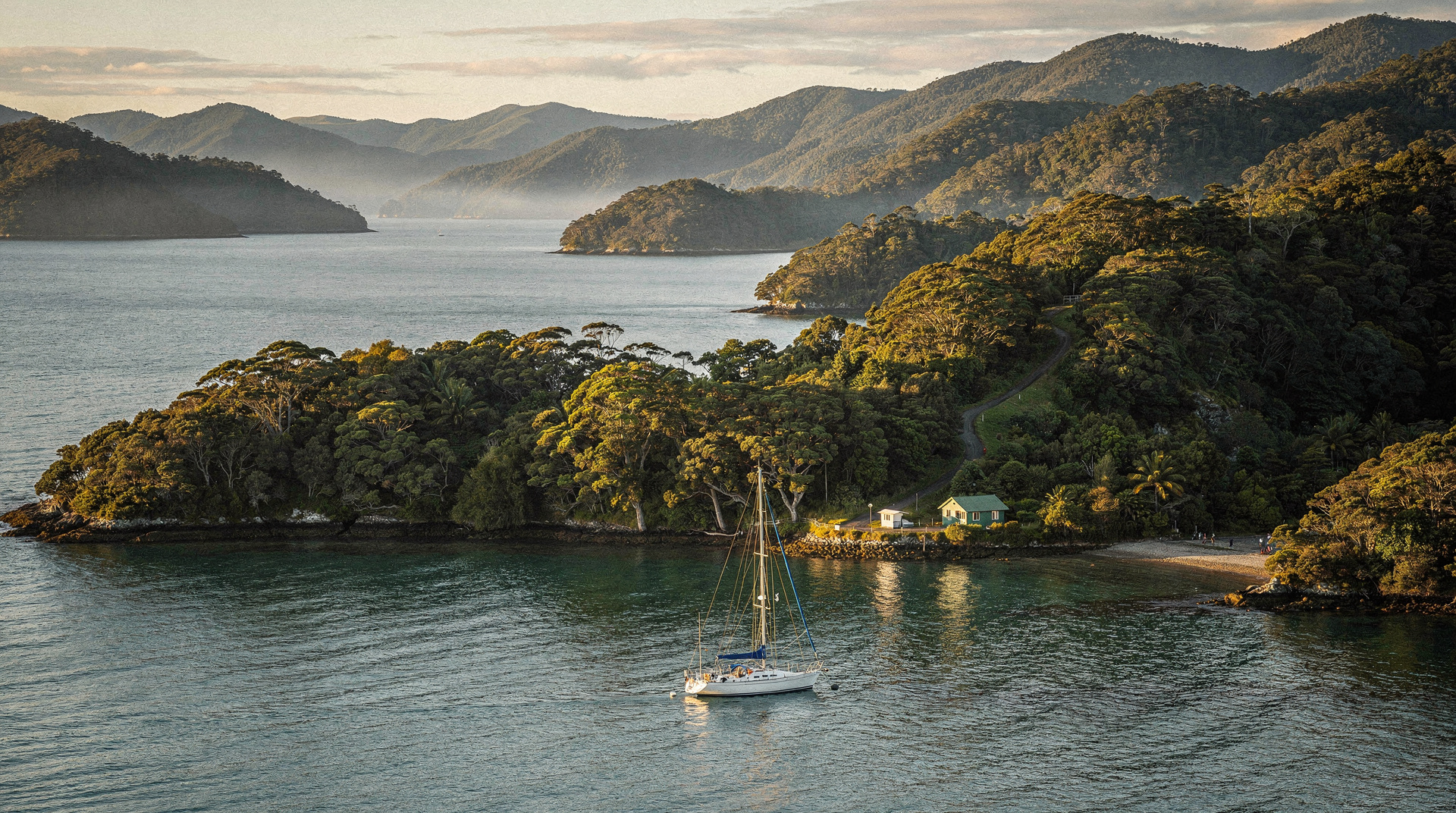
Marlborough Sounds
Marlborough Sounds: drowned valleys, green-lipped mussels, the Queen Charlotte Track, and mail boat cruises. Honest guide with real costs NZD/USD/EUR.
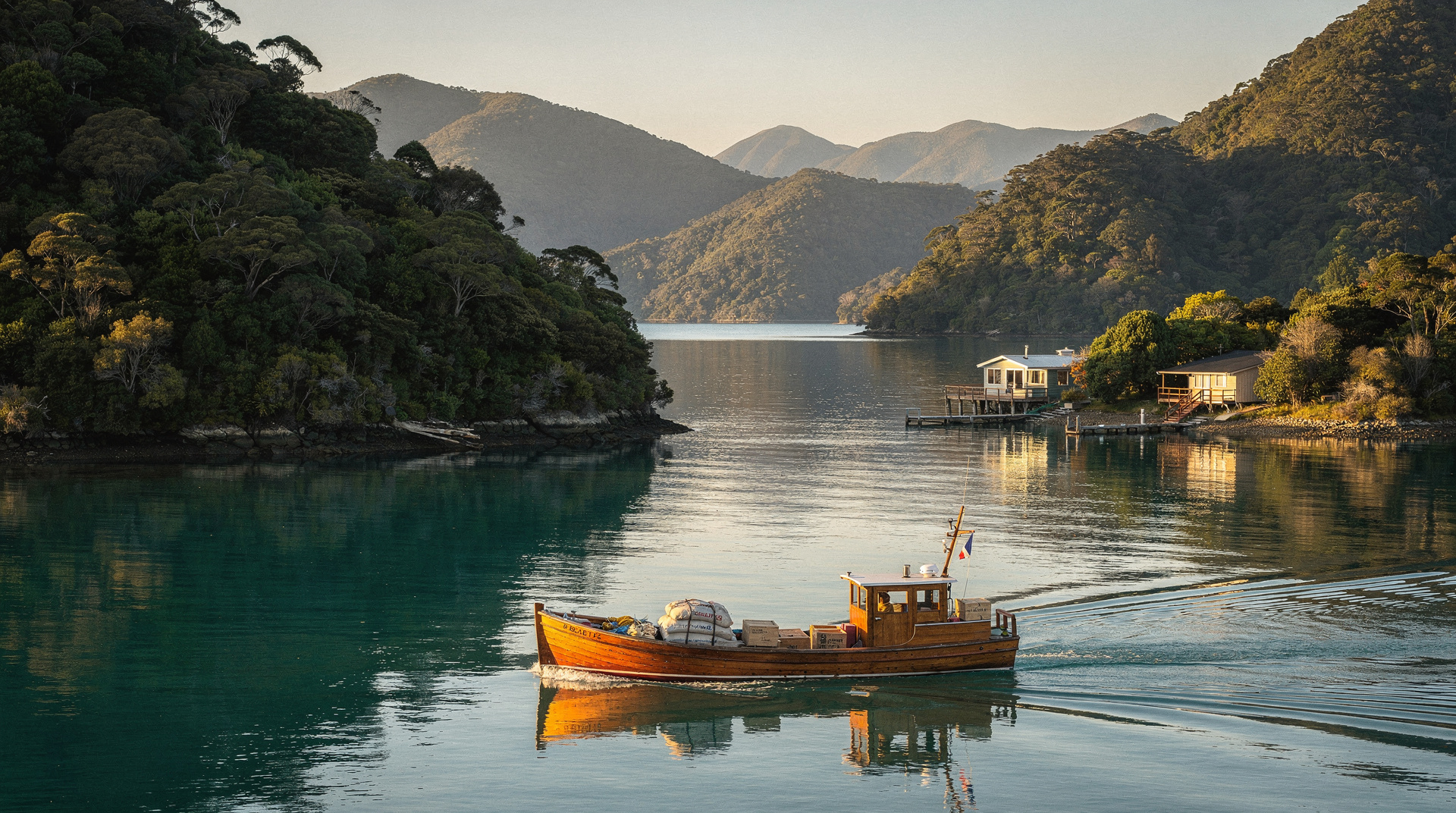
Marlborough Sounds cruise — the drowned valleys of the north
Marlborough Sounds cruise guide: seafood and mussel cruises from Picton or Havelock, Queen Charlotte Sound, mail boat, and Queen Charlotte Track boat access.
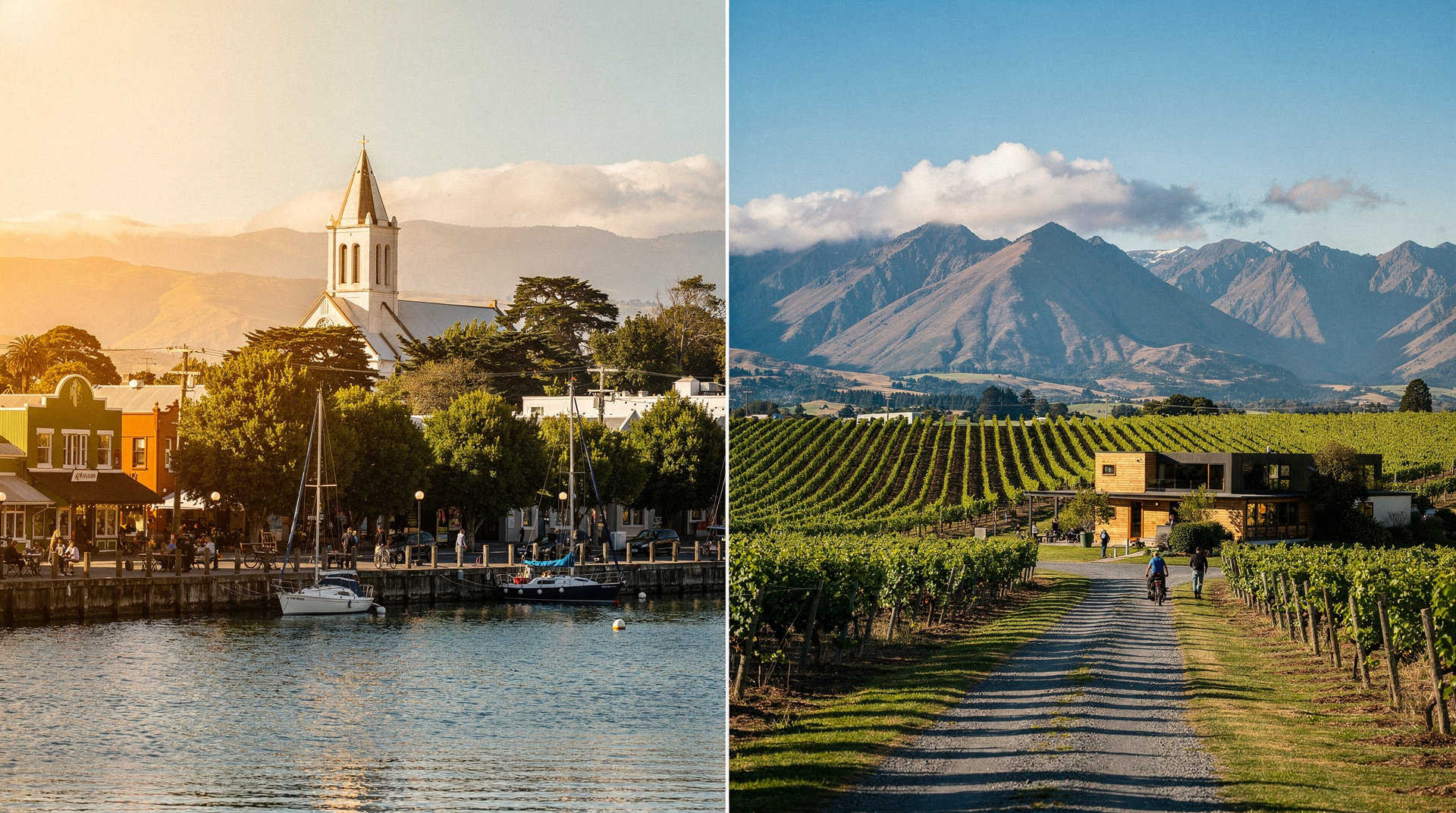
Nelson vs Marlborough
Nelson vs Marlborough honest comparison: wine, national parks, beaches, access and which region to prioritise. Clear verdict with prices in NZD/USD/EUR.
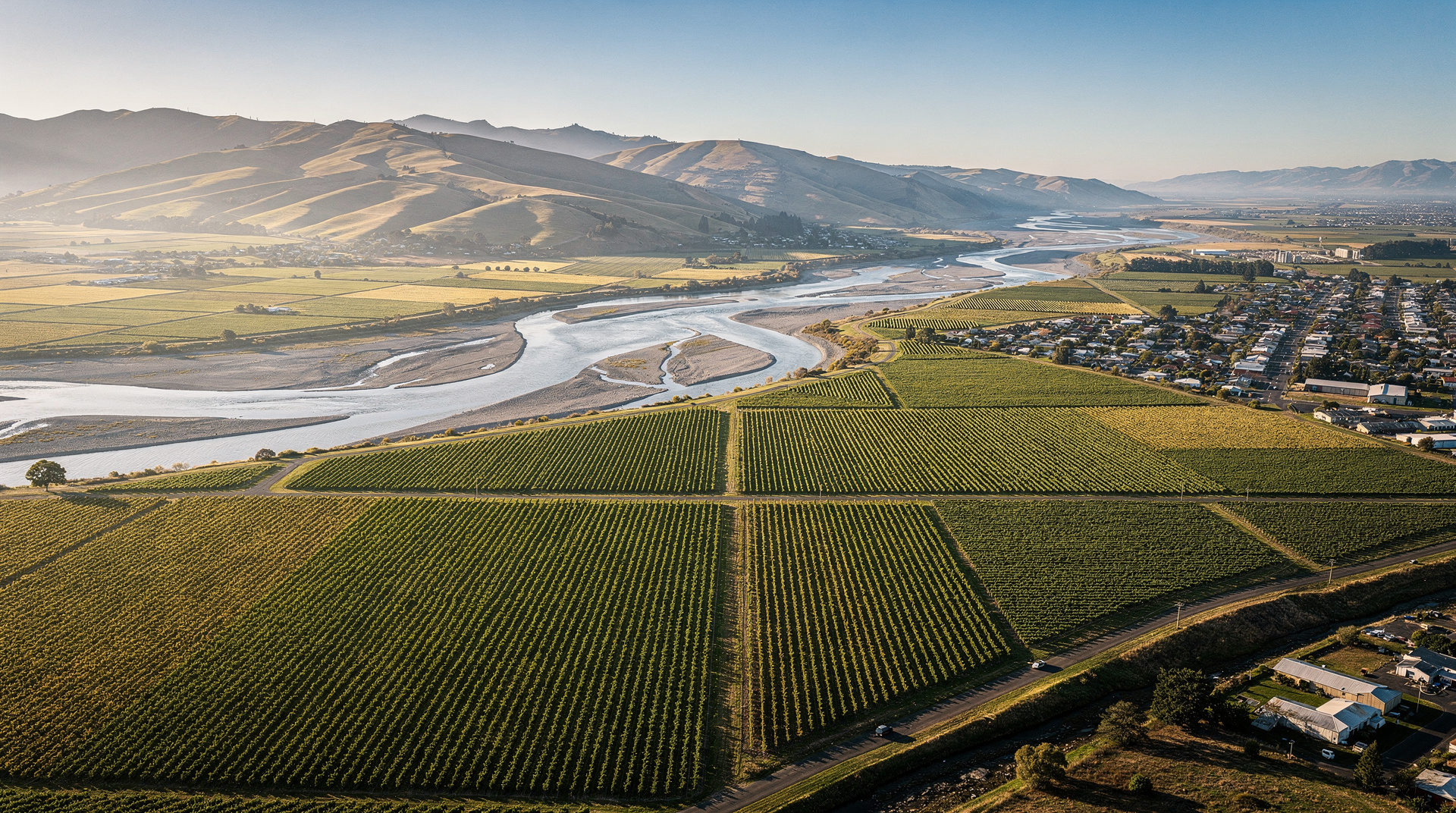
New Zealand wine regions — complete guide
Complete guide to New Zealand's 10 wine regions: Marlborough, Central Otago, Hawke's Bay, Martinborough and more. Which to visit, what to taste, prices.
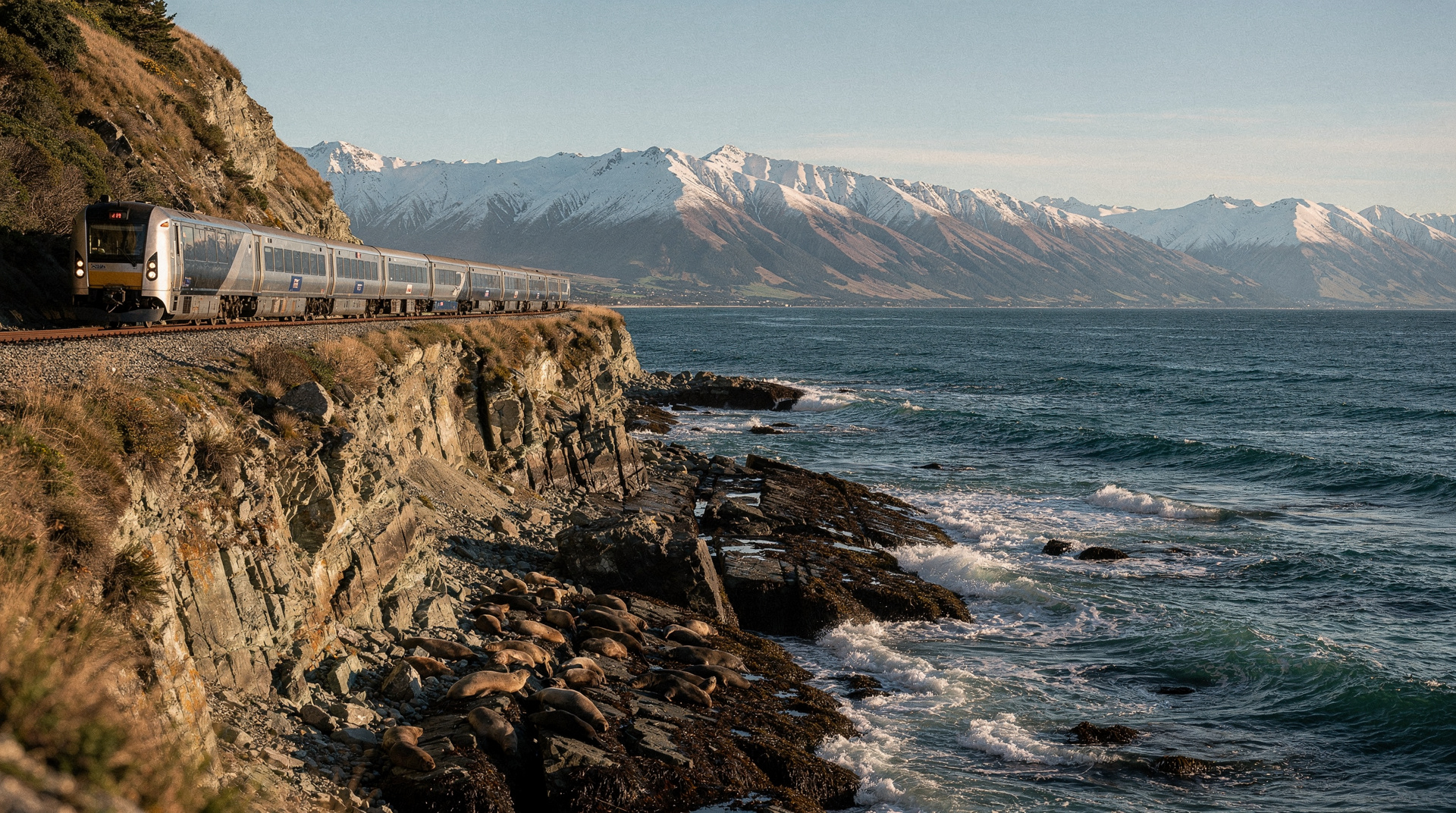
Coastal Pacific train — Christchurch to Picton along the Pacific coast
Coastal Pacific train guide: seasonal Christchurch-Picton route through Kaikoura, when it runs, ticket prices NZD/USD/EUR, and comparison with the TranzAlpine.
Last reviewed: