The Routeburn vs the Milford Track — an honest comparison
| Milford Track | 53km, 4 days/3 nights, Glenorchy to Milford Sound |
| Routeburn Track | 32km, 2-3 days/2 nights, Glenorchy to The Divide |
| Season | Late October to April (guided or independent hut system) |
| Booking | Independent DOC huts open in June — book that day for popular dates |
| Cost (independent) | Around NZD 75-80/night per person, hut passes |
The question everyone asks
Both tracks are on most people’s New Zealand hiking shortlist. Both are Great Walks — the DOC designation for New Zealand’s 11 premier tramping routes. Both are in Fiordland and Mount Aspiring National Park. Both are available late October to April on the guided or independent hut system.
They are very different walks.
The honest starting point: if you can only do one and you’re an independent tramper, do the Milford. If you’re more interested in high alpine scenery than deep forest, or if you want a walk that finishes somewhere meaningful, do the Routeburn. If you want to do both, plan the Routeburn first and the Milford as the main event.
Here is the detailed version.
The Milford Track
Fifty-three kilometres from Glenorchy through to Milford Sound, taking 4 days/3 nights in the guided or independent DOC hut system. It’s been called the “finest walk in the world” since a journalist wrote that in 1908 and the phrase has never quite left.
The walk begins with a boat from Te Anau to the Glade Wharf — you can’t drive to the start. It finishes at Milford Sound (Piopiotahi), which means you’ve walked to something: the Sound, the sheer walls of Mitre Peak, the light that the fiord produces in morning and afternoon. The ending has a destination quality that the Routeburn doesn’t.
The terrain is mostly valley floor and river flats, with the notable exception of the Mackinnon Pass (1,154m). The pass section is the climactic day — crossing from the Arthur Valley to the Clinton Valley over an exposed saddle with panoramic views across Fiordland that, in good weather, are among the best in New Zealand. In bad weather (which is frequent — Milford receives approximately 7 metres of rain per year), the Mackinnon Pass is a wet, windy crossing that is nonetheless still remarkable.
The huts on the Milford Track are the best on any Great Walk: Clinton and Mintaro Huts have wood heaters, cooking facilities, and enough space to dry gear. Dumpling Hut, the night before Milford Sound, is the most social — trampers compare Mackinnon Pass conditions over dinner.
Independent bookings via DOC are extremely competitive. The walk’s fame and limited hut space (40 per hut on the independent track) mean that bookings open in June for the following season and popular dates sell out in hours. Book exactly when the system opens if you want your preferred dates. Guided walks (Milford Track Guided Walk, operated by Ultimate Hikes) are more expensive — around NZD 2,850-3,200 / USD 1,710-1,920 / EUR 1,568-1,760 per person for 4 days — but have separate quota and are easier to book.
The Routeburn Track
Thirty-two kilometres from Glenorchy to The Divide (a saddle on the Milford Road), taking 2-3 days/2 nights. Shorter, higher, and with a different character from the Milford.
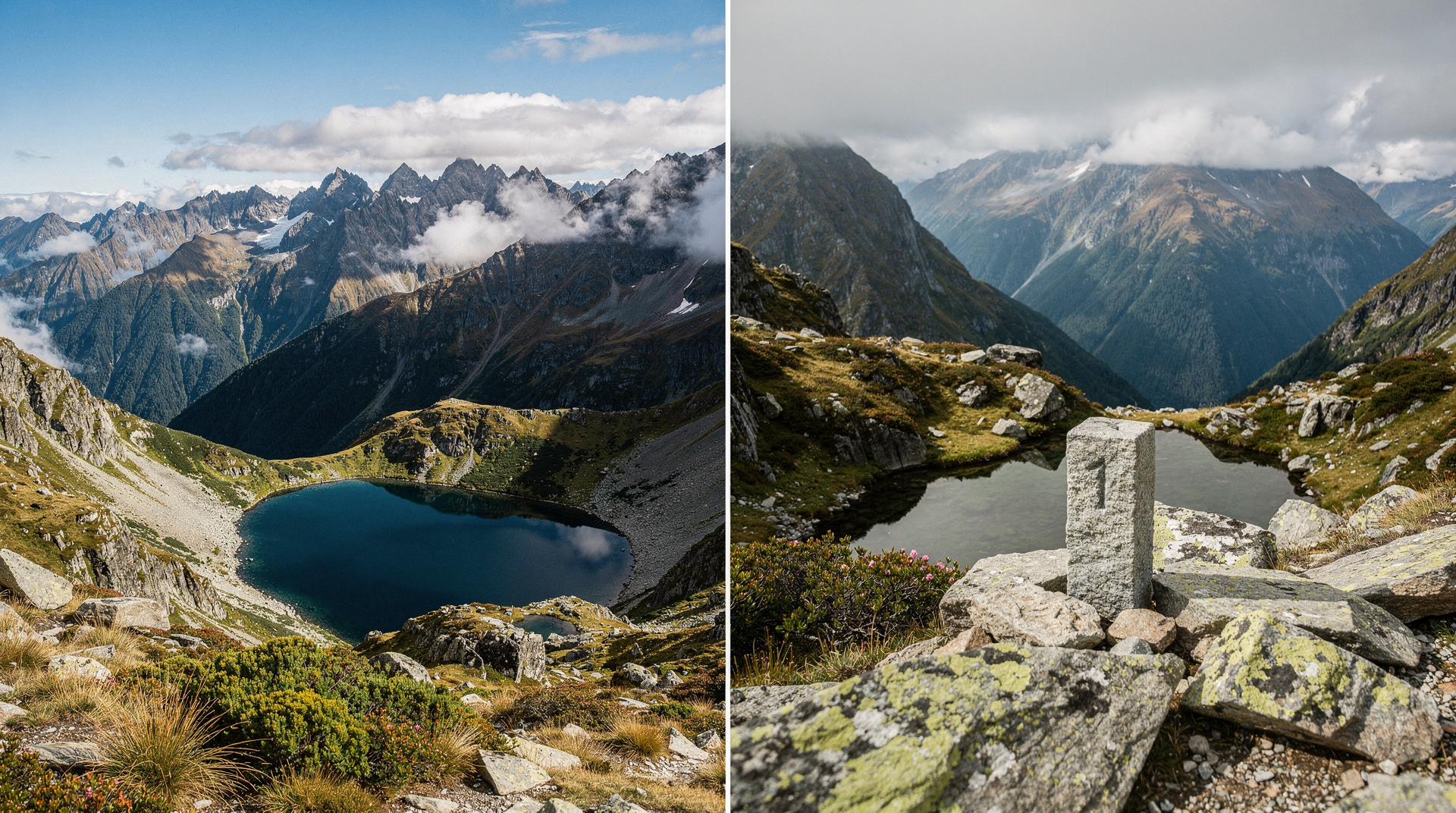
The Routeburn spends much more of its distance above the treeline. The high section — crossing the Routeburn saddle (1,255m) and traversing the Harris Saddle ridge (1,277m) above Lake Harris — is the most sustained alpine walking of any Great Walk. The views from the ridge walk on Day 2, in good weather, are extraordinary: Fiordland peaks in one direction, the Dart River valley in the other, the Southern Alps marching across the horizon.
The Routeburn doesn’t finish at a destination in the same way the Milford does. You end at The Divide on SH94 (the Milford Road) and catch a shuttle back to Te Anau or to Queenstown. The ending is logistically organized but not dramatic. This matters if finishes matter to you.
The Routeburn is somewhat less crowded than the Milford (the Milford’s fame brings higher demand) and the booking pressure, while real, is slightly less acute. Still book early — the huts fill quickly for the season.
The Te Anau helicopter hike on the Kepler Track is an option for people who want Fiordland alpine experience with less logistics — though the Kepler Track itself (67km, 4 days) is a Great Walk option for those with more time.
The direct comparison
Scenery: Both are exceptional. The Milford is more varied — valley forest, river flats, dramatic pass, fiord arrival. The Routeburn has superior sustained alpine views in good conditions.
Difficulty: Both are moderate. The Routeburn has more elevation gain and more time above the treeline — more exposed in bad weather. The Milford is longer but more gradual. Both are accessible for fit, reasonably experienced walkers without technical skills.
Booking availability: Milford is harder. Book on opening day (June) for the following season’s popular dates.
End experience: Milford wins — finishing at Milford Sound and then taking the boat or shuttle out is a complete journey. The Routeburn’s bus pickup from The Divide is functional.
Weather dependency: Both are highly weather-dependent. The Milford’s valley sections are walkable in rain; the Mackinnon Pass in a genuine storm is challenging. The Routeburn’s ridge section can be dangerous in severe weather (DOC has closed the track in extreme conditions). Build flexibility into dates for either walk.
Cost (independent): Comparable. Hut passes at NZD 75-80 / USD 45-48 / EUR 41-44 per night per person. Transport to/from trailheads is extra.
The honest recommendation
If you do one: Milford, for the complete journey, the destination finish, and the cultural weight of being the walk New Zealand has celebrated longest.
If you do both on the same trip: do the Routeburn first (Glenorchy to The Divide), then drive to Te Anau for the Milford start. Both tracks in a week of walking is a serious but manageable itinerary for fit walkers. Allow a day between for gear drying and rest.
If your priority is alpine scenery and you’re indifferent to the finish: Routeburn, and consider the guided walk option if availability on the independent track is limited.
What neither gives you
Neither the Routeburn nor the Milford is the Milford Sound boat experience. Both walks end within the fiord system but neither puts you on the water. Book a Milford Sound cruise on the day you exit the Milford Track (or as a separate day from Te Anau) — the Sound from water level is a completely different experience from the walking approach and should be experienced separately.
If neither walk fits your schedule
Both tracks require multiple consecutive days and hut bookings months in advance. If your trip doesn’t have that flexibility, the Kepler Track is Fiordland’s third Great Walk and sometimes has more last-minute hut availability, or you can get a taste of the terrain on a Milford Sound day trip from Queenstown or from Te Anau without committing to the multi-day walk at all. For those who want the alpine scenery without overnight logistics, the Dart River day trip from Queenstown covers similar valley terrain to the Routeburn’s approach in a single day.
Basing yourself in Te Anau rather than Queenstown cuts the transfer time to both trailheads significantly — our Te Anau vs Queenstown as a Fiordland base comparison lays out the trade-off.
FAQ
Which is easier, the Routeburn or the Milford Track? The Milford is longer but more gradual; the Routeburn is shorter but spends more time above the treeline with more elevation gain, making it more exposed in bad weather. Both suit fit, reasonably experienced walkers without technical skills.
Can I do the Routeburn Track without booking DOC huts months ahead? Bookings open in June for the following season and the Routeburn is in demand, though generally less acute than the Milford. Booking as soon as the window opens is still the safest approach.
Related reading
Related guides
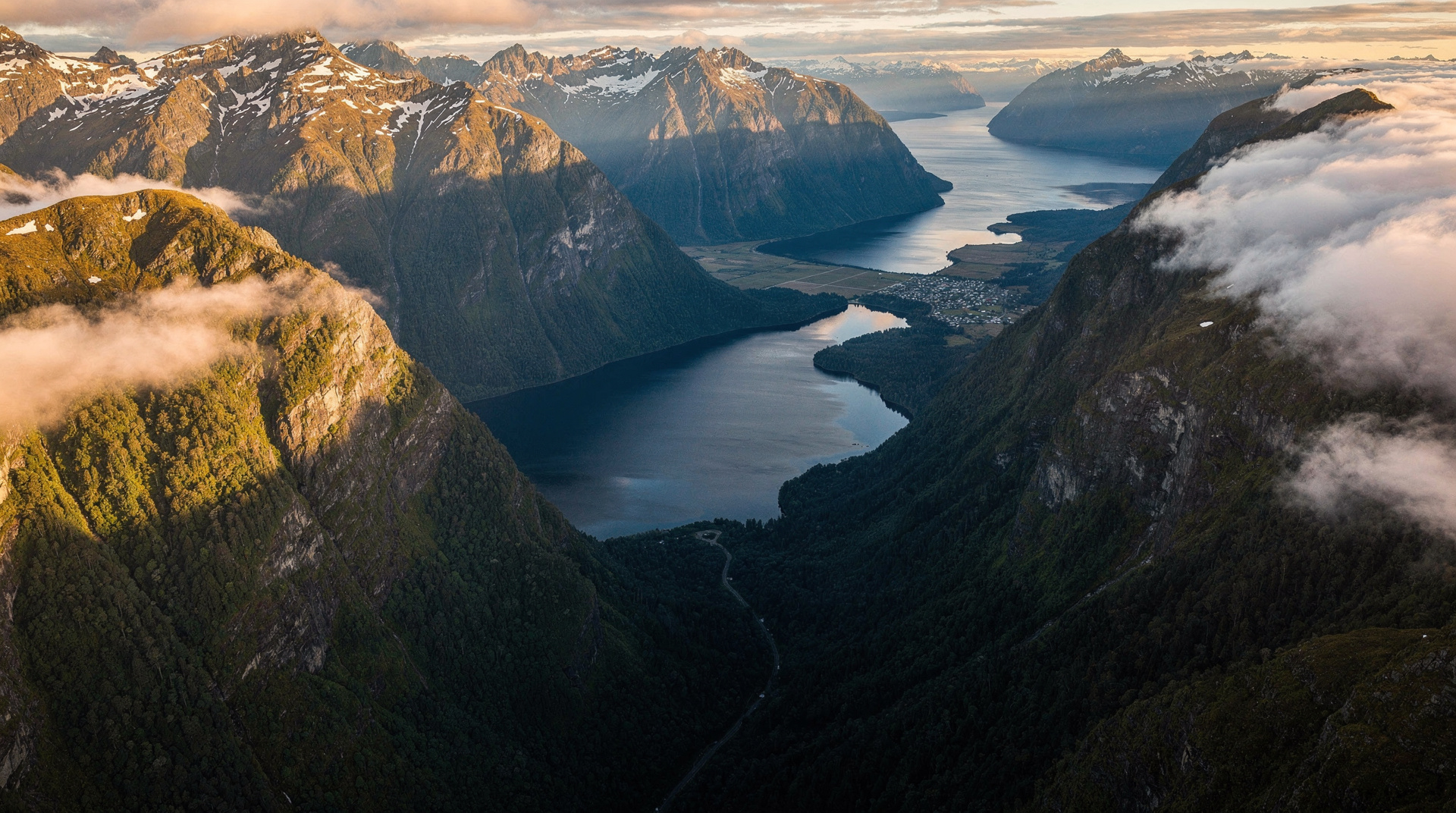
Fiordland
Honest Fiordland planner: Milford Sound vs Doubtful Sound, Te Anau base, Milford Track booking, real NZD/USD/EUR costs and what most guides won't tell you.
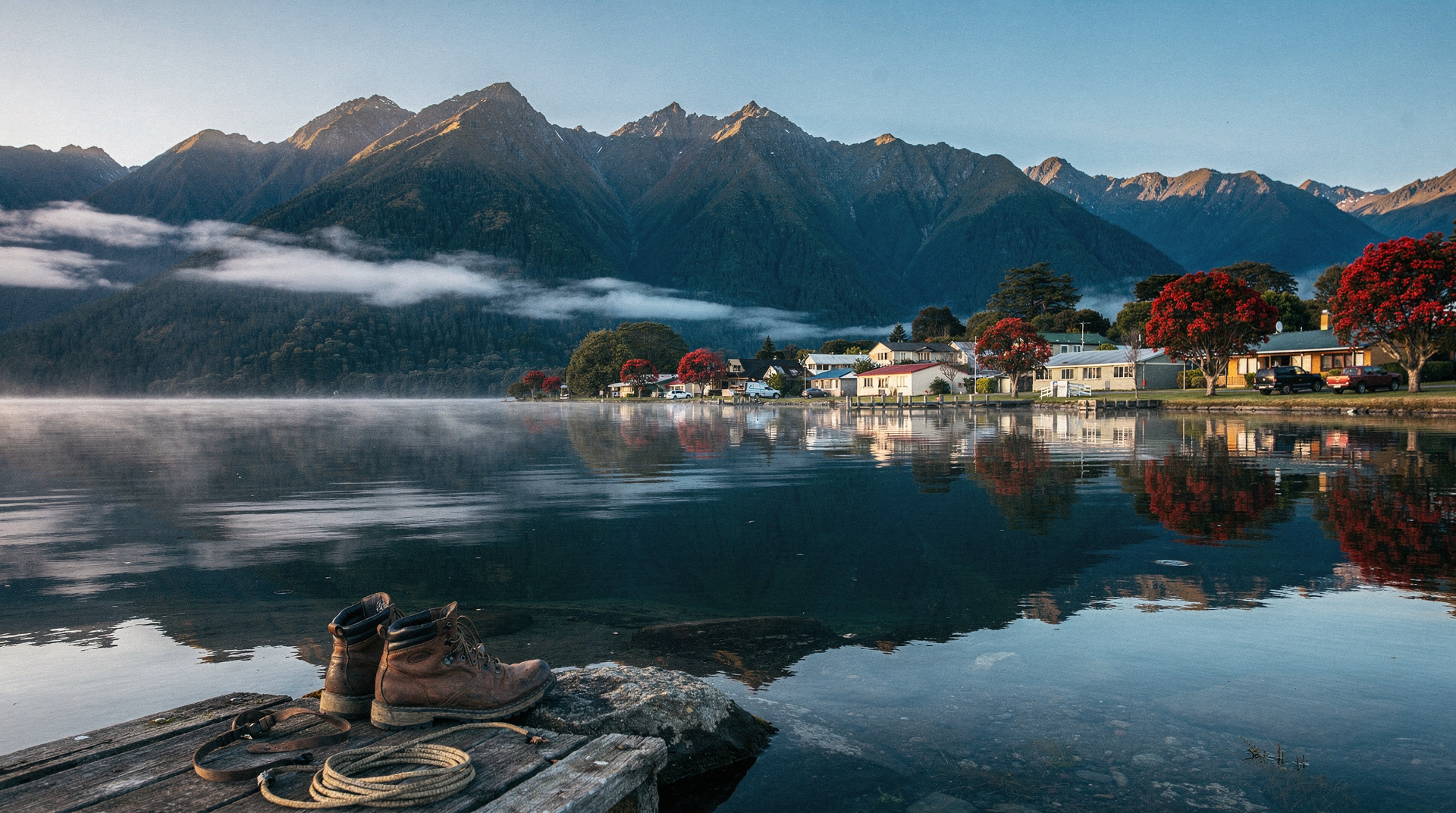
Te Anau
Everything you need to plan Te Anau: glowworm caves, Milford and Doubtful day trips, hiking, real NZD/USD/EUR prices, and where to stay.
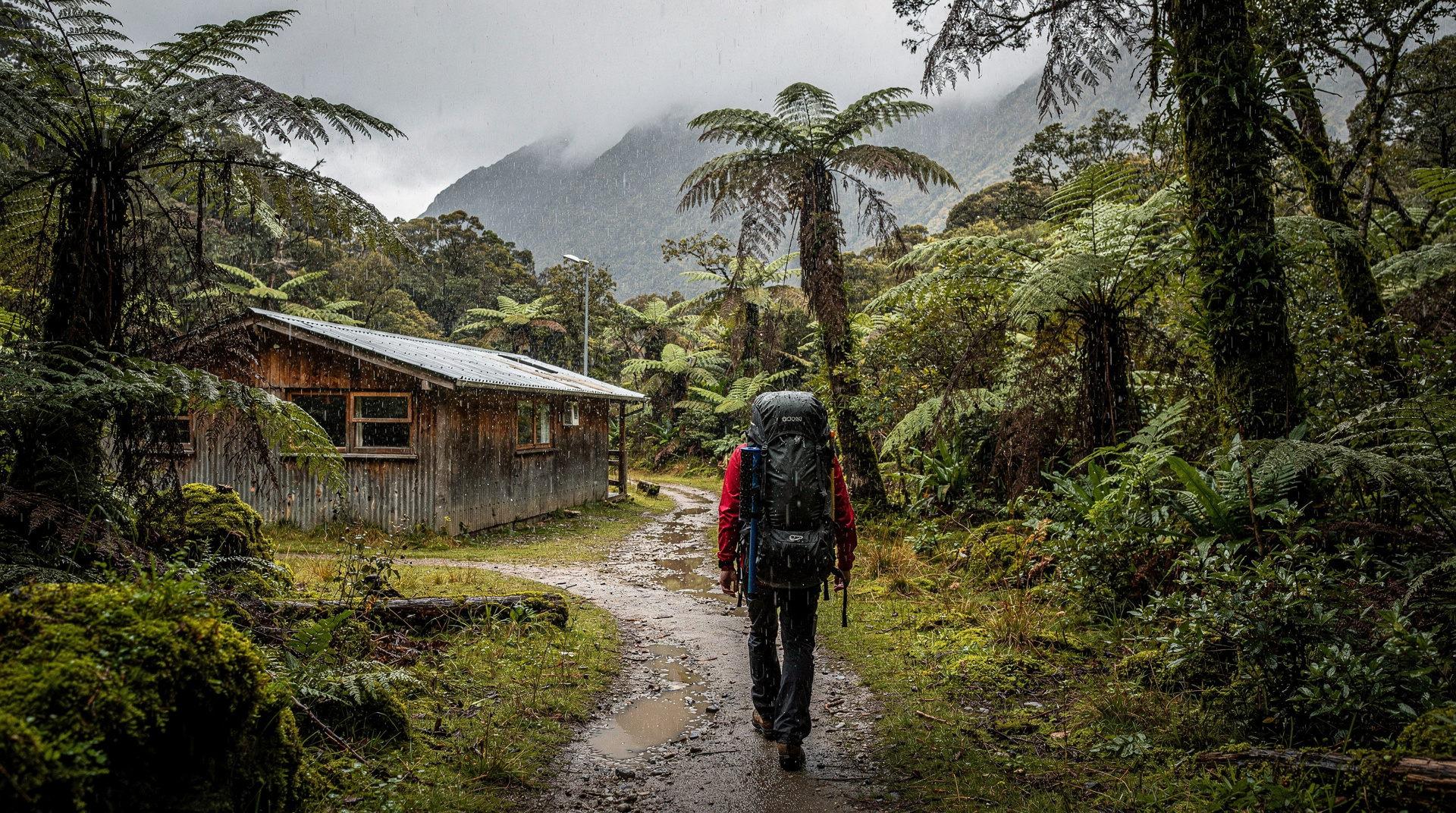
Milford Track — the world's finest walk
Milford Track: 53.5km, 4 days, one direction only, NZD 102/night huts. Book 6 months ahead. The most famous Great Walk in NZ — worth every step.

Routeburn Track — Great Walk on the Fiordland-Otago divide
Routeburn Track: 32km, 2-3 days, stunning alpine terrain. Book DOC huts from June. One-way transport required. Full logistics guide with costs.
Published: