
New Zealand travel mistakes to avoid (and what to do instead)
Most New Zealand trips go wrong in the planning, not on the road
Almost nothing that spoils a New Zealand trip is dramatic. It is a ferry that sold out, a Milford Sound day that turned into a long haul in a coach, a rental car that cannot cope with the itinerary, or a walk that was closed by weather on the one day you had spare. These are planning errors, and nearly all of them are cheap to fix before you leave.
This article is a list of the mistakes we see travellers make most often, with a concrete alternative for each. It is not a list of things to be scared of. New Zealand is easy to travel in, and the country rewards people who match their plans to its geography and weather rather than to a map.
A note on numbers: prices, fines, booking windows and road times change often, so where they matter we point you to the official source rather than quote a figure that may be stale by the time you read this.
Mistake 1: planning the route by looking at the map
The country looks small. It is not, and the roads are not motorways. Highways are mostly single carriageway, winding through hills, passing through towns, and slowed by weather, roadworks and slow-moving trucks. Satellite navigation is optimistic about all of it.
What to do instead: plan fewer bases, not more. Pick a small number of places to sleep for several nights each, and do day trips from them. A trip that touches every famous place is a trip spent mostly in the driver’s seat. Check live road conditions and closures at nzta.govt.nz before each long drive, and read our driving in New Zealand guide before you pick up the keys, because driving on the left on narrow rural roads is a bigger adjustment than most people expect.
If you are still choosing what to include, a step-by-step trip planning workflow helps you cut an ambitious list down to a route that works.
Mistake 2: treating the Cook Strait ferry as an afterthought
Anyone doing both islands by road will cross between Wellington and Picton, and the crossing takes about 3 hours 30 minutes. It is a pleasant journey in good weather and one of the scenic highlights of the trip, but it is also a fixed point that the rest of your itinerary hangs from.
The mistake is leaving it until you are already in the country, then discovering that the sailing you wanted is full, particularly if you are taking a vehicle. Two operators run the route. Interislander runs three passenger departures in each direction, and Bluebridge runs up to four, with times that vary by day. Both change their timetables, so confirm current sailings at interislander.co.nz and bluebridge.co.nz rather than relying on a blog.
What to do instead: treat the ferry as the first booking you make, once your dates are firm. If you are flying between islands, you can skip this entirely. If you are walking on as a foot passenger and want a simple one-way crossing, you can book a one-way Interislander sailing between Wellington and Picton . For a side-by-side look at the two operators, see Interislander vs Bluebridge.
Mistake 3: booking Milford Sound as a single long day without thinking about where you sleep
Milford Sound is the headline attraction of Fiordland and also the source of some of the most regretted itineraries. The road to the sound is long and slow, and the day trip from Queenstown is possible but demanding. Many people book it because it looks efficient on paper, then spend most of the day on the road and see the fjord through a coach window.
What to do instead: decide first whether your base should be Queenstown or Te Anau. Sleeping closer to the sound changes the whole day. Comparing Te Anau and Queenstown as a Fiordland base lays out the trade-offs, and our Milford Sound day trip from Te Anau guide covers the closer option in detail.
If Queenstown is your base and you do not want the coach, the honest alternative is to pay more and fly one way. The Milford Sound fly-cruise-fly from Queenstown turns the road into a short scenic flight and gives you the cruise without the long drive. It costs more than the coach and is weather-dependent, so keep a spare day in your schedule. If you would rather stay on the road, the Queenstown Milford Sound coach and cruise day is the standard version, and works best when you accept that it is a full day.
Mistake 4: assuming you can decide on walks the week before
New Zealand’s best-known multi-day walks run on a booking system, and the most popular huts and campsites fill well before the season starts. People arrive with a plan to do a Great Walk and find nothing available for their dates.
What to do instead: if a multi-day walk is central to your trip, book it first and build everything else around it. Booking windows, hut rules and seasonal closures are set and updated by the Department of Conservation, so check doc.govt.nz for the current picture. Our Great Walks comparison will help you choose between them. If you cannot get a booking, there are excellent day walks that need none, and the Hooker Valley Track is the clearest example: about 10 km return, three swing bridges, around three hours according to DOC, with views of Aoraki/Mt Cook throughout. Dogs are not allowed.
Mistake 5: attempting the Tongariro Alpine Crossing without a plan for weather and transport
This is one of the country’s most famous day walks, and also one of the most underestimated. It crosses an active volcanic landscape at altitude, where conditions can change quickly and the weather on the mountain can be very different from the weather in the nearest town. It is a one-way route, so you have to solve the problem of getting to one end and being collected from the other.
What to do instead: check the forecast and any alerts through metservice.com and doc.govt.nz the day before, and be willing to move the walk to another day if the conditions are poor. Build a spare day into your schedule for exactly this reason. Because the walk does not loop, arrange transport in advance rather than leaving it to chance; Tongariro Alpine Crossing shuttle transfers remove the logistics problem of two different trailheads. Our Tongariro Alpine Crossing guide covers the route, the gear and when to turn back.
Mistake 6: packing for one season
New Zealand weather has a reputation for changing within a day, and the reputation is deserved. A coastal morning can be warm and a mountain afternoon can be cold and wet, even in summer. Travellers who pack only for the forecast in their first city are caught out two regions later.
What to do instead: pack in layers, with a proper waterproof jacket, sun protection and sturdy shoes, rather than a heavy single coat. The sun is strong even on cloudy days. A dedicated packing list for New Zealand helps here. Remember also that the seasons are reversed from the northern hemisphere, so a December trip is a summer trip.
Mistake 7: arriving at the border with the wrong entry paperwork or the wrong gear
Two separate issues catch people out at the border.
The first is entry authorisation. Many visitors need a NZeTA before they fly, and the rules depend on nationality. The only reliable source is immigration.govt.nz, and it is worth applying through the official channel rather than a third-party site that adds its own fee. Our NZeTA guide by nationality explains who needs one.
The second is biosecurity. New Zealand is strict about food, soil, plant material and used outdoor equipment, and walking boots and tents with dirt on them are a common reason for delays and penalties. Declare anything doubtful, and clean your gear before you travel. Current rules and penalties are on mpi.govt.nz.
What to do instead: do the entry authorisation as soon as your flights are booked, and clean your hiking kit the week before you leave.
Mistake 8: choosing a campervan because it feels like the classic trip
A campervan is a great way to see the country, but only for the right trip. It adds cost, slows you down on narrow roads, and the camping rules have become tighter, so the idea of parking anywhere you like is out of date. Check how freedom camping rules are tightening before you build a plan that depends on it.
What to do instead: work out whether a campervan or a car with motels suits your group size and trip length. Compare campervan and car-plus-motel properly before you book. If you are a solo traveller or only have a short trip, the car-and-motel route is usually simpler.
Smaller mistakes that add up
A few quick ones, each with a one-line fix:
- Landing and driving on the first day. After a long-haul flight, take a night in the arrival city, or use a transfer. If you land in Queenstown, a Private airport transfer to Queenstown CBD lets you skip the first drive entirely.
- Over-tipping out of habit. Tipping is not expected the way it is in some countries. Check local tipping etiquette.
- Ignoring the cost of everything. The country is not cheap, and costs add up faster than most people estimate. A budget breakdown shows where the savings are real.
Frequently asked questions about New Zealand travel mistakes
What is the single most common planning mistake in New Zealand? Trying to cover too much ground. Travellers underestimate how long the roads take, then spend the trip driving. Choosing fewer bases and doing day trips from them solves most of it.
Do I need to book everything in advance? Not everything, but a few things are worth booking first: the Cook Strait ferry if you are driving, any multi-day walk, and anything that depends on a small number of places, such as a flight over Milford Sound. Most day activities can wait until you know the weather.
Where do I check current rules and prices? Use the official sources: doc.govt.nz for walks and huts, nzta.govt.nz for roads, immigration.govt.nz for entry, mpi.govt.nz for biosecurity and metservice.com for weather.
Related guides
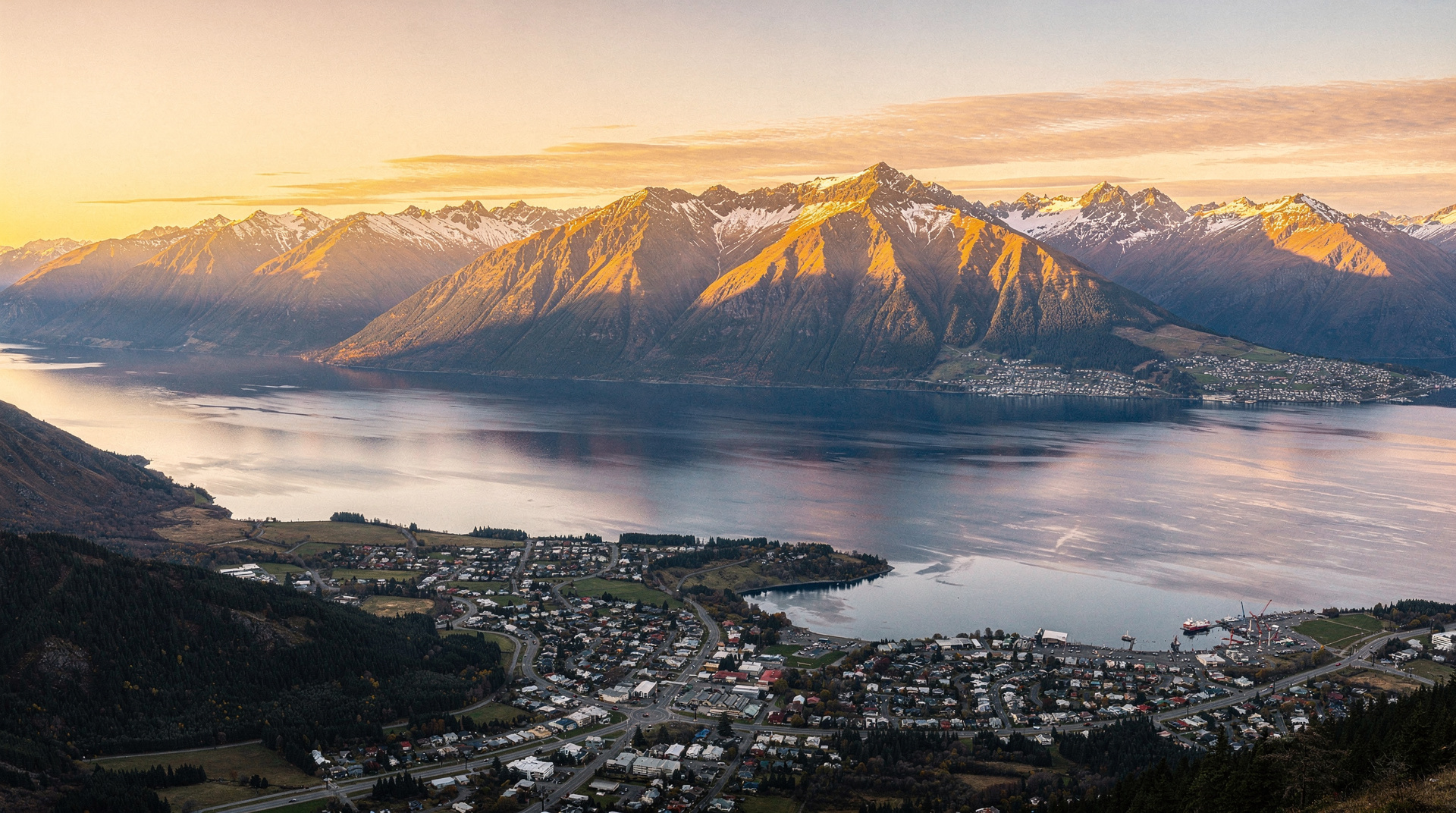
Plan a trip to New Zealand — the step-by-step workflow
Plan a NZ trip in 12 decisions: dates, days, islands, transport, key bookings. Step-by-step workflow with real costs in NZD, USD and EUR.
First time in New Zealand
Complete first-timer's guide to NZ: costs, logistics, Maori culture, what to book early, and how to structure 7–21 days.
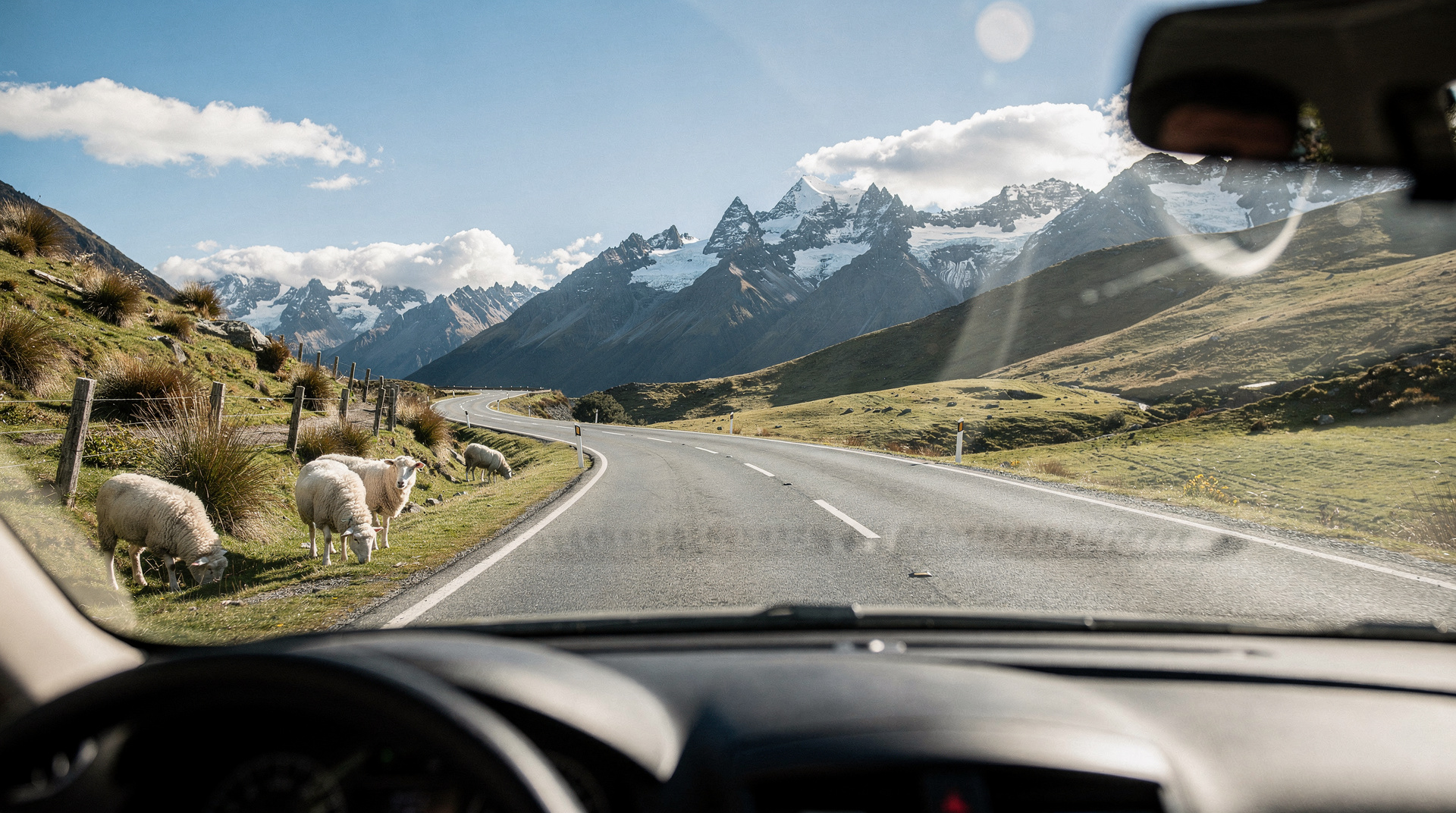
Driving in New Zealand
Honest driving guide for NZ: left-side rules, gravel road etiquette, why GPS lies, fuel costs, one-lane bridges, and what rental companies don't tell you.
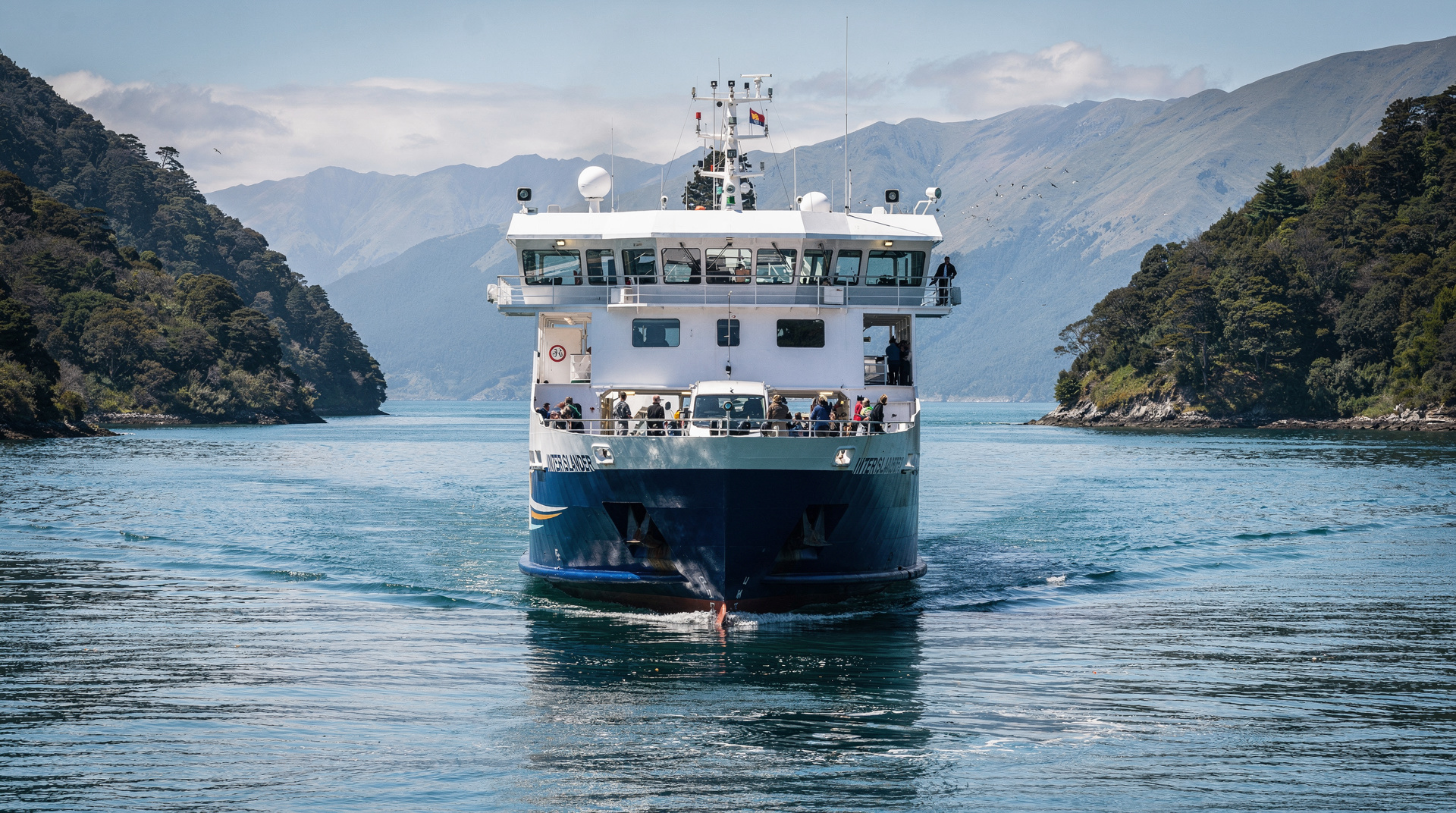
Cook Strait ferry: Interislander vs Bluebridge — which one to book
Interislander vs Bluebridge Cook Strait ferry — prices, reliability, dog policy, cabins, campervan handling, and an honest verdict for 2026.
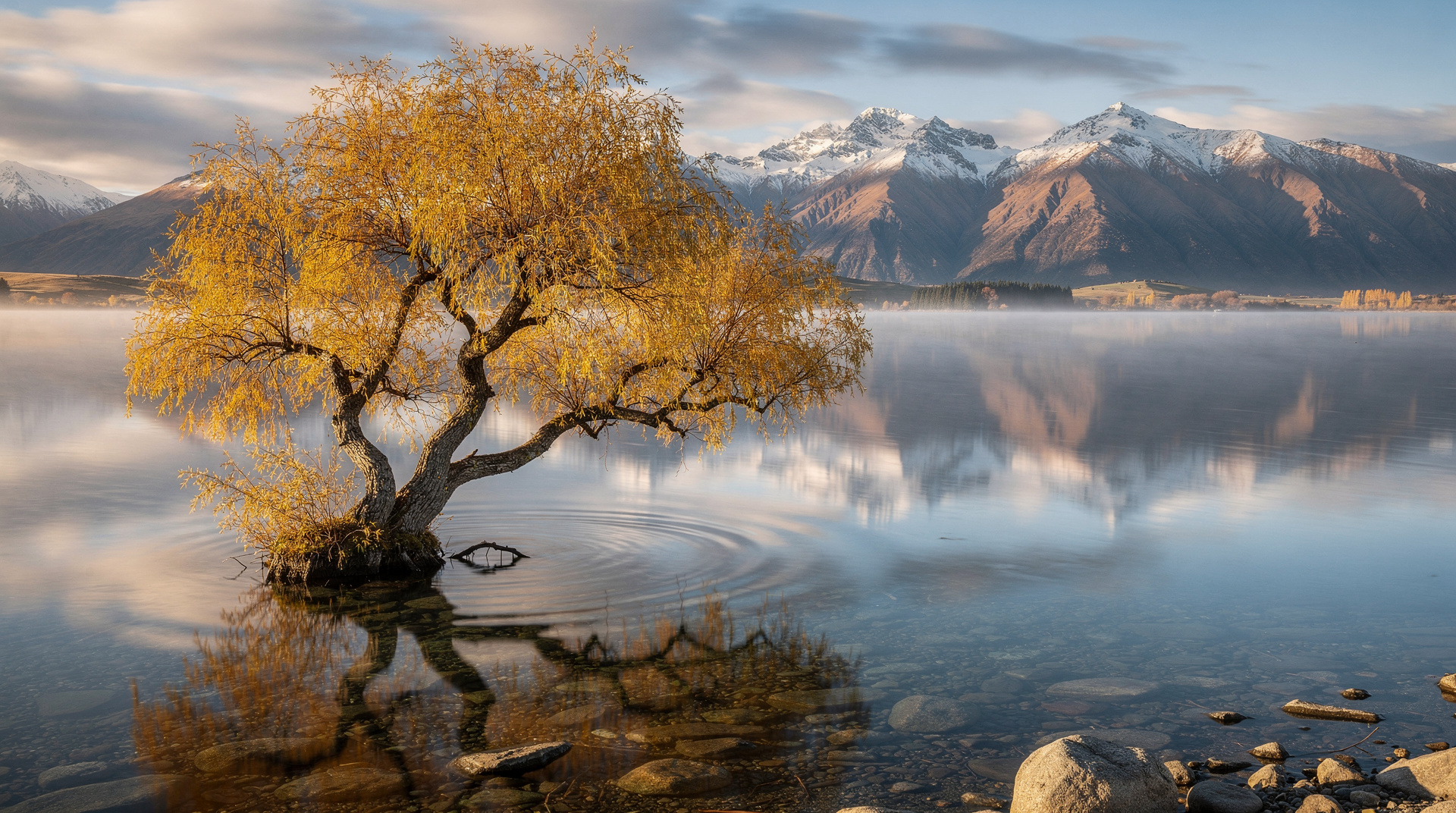
Packing list for New Zealand
Practical NZ packing list: layers for 4-season weather, hiking essentials, biosecurity musts, and what NOT to bring through customs.