Cyclone Gabrielle and Hawke's Bay — recovery, and why you should still visit
What happened in February 2023
Cyclone Gabrielle made landfall on the North Island of New Zealand between 12 and 16 February 2023. It was the most severe tropical cyclone to affect New Zealand in decades — the government declared a national state of emergency, only the third time in New Zealand’s history.
The damage was not evenly distributed. The hardest-hit regions were Hawke’s Bay (the area around Napier and Hastings) and Tairāwhiti (Gisborne), with significant impacts also in the Coromandel and parts of Northland. Eleven people died. Thousands were displaced.
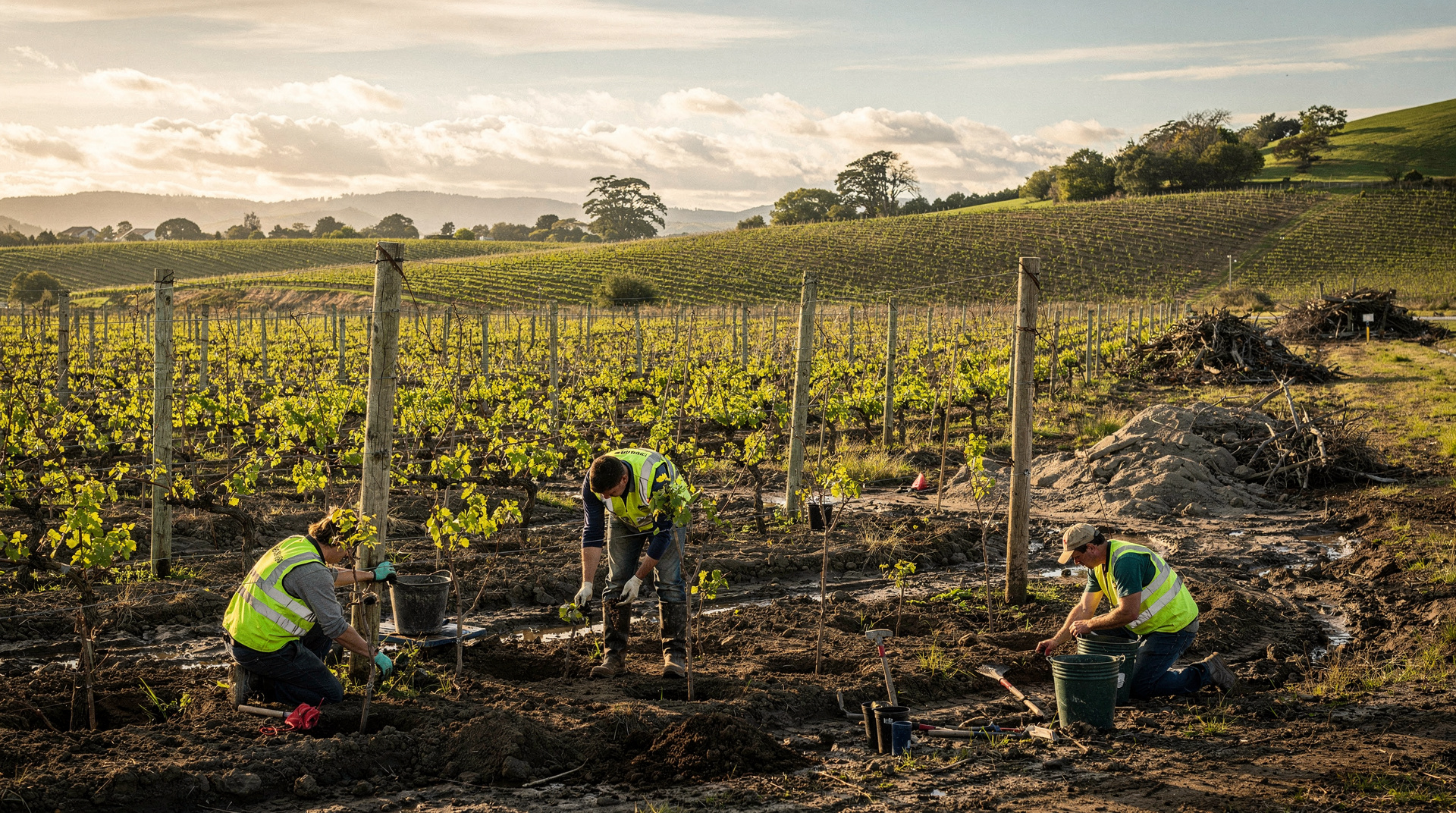
Hawke’s Bay took the worst of it. The Esk River broke its banks. The Ngaruroro River flooded. Orchards and vineyards across the Heretaunga Plains were inundated — some under two metres of silt and water. The SH2 link between Napier and Wairoa was severed. The road to Hawke’s Bay from the north through Tairāwhiti was cut off for weeks.
This is a piece about the recovery six months on, and about whether and how to visit. It is not disaster tourism and it is not cheerful spin. Both of those would be dishonest about what happened.
| Napier city / Art Deco district | Unaffected — sits on elevated ground |
| Wine country | Open, reduced volume; elevated sub-regions fared better |
| Cape Kidnappers / Te Mata Peak | Open |
| Rural roads / Tairāwhiti | Some ongoing closures — check NZTA before travelling |
| Best way to help | Book wineries, restaurants and tours directly |
The scale of agricultural loss
Hawke’s Bay is New Zealand’s premier apple and pear growing region and one of its most important wine regions. The orchards of the Heretaunga Plains — particularly around Hawke’s Bay’s Maraekakaho, Clive, and Haumoana areas — were catastrophically damaged. Some orchards lost their entire season. Some lost trees that had been in production for decades.
The wine industry took a significant blow. Major vineyards including Elephant Hill and others on the Tuki Tuki Valley and Bridge Pa Triangle lost varying proportions of their harvest. The 2023 vintage from Hawke’s Bay will be remembered as the Gabrielle vintage — dramatically reduced in volume, variable in quality depending on individual property elevation and exposure.
The financial impact on the region’s agricultural economy has been estimated in the hundreds of millions of dollars. Government support was significant but contested; many growers and orchardists reported navigating complex and slow-moving assistance processes.
What’s open six months on
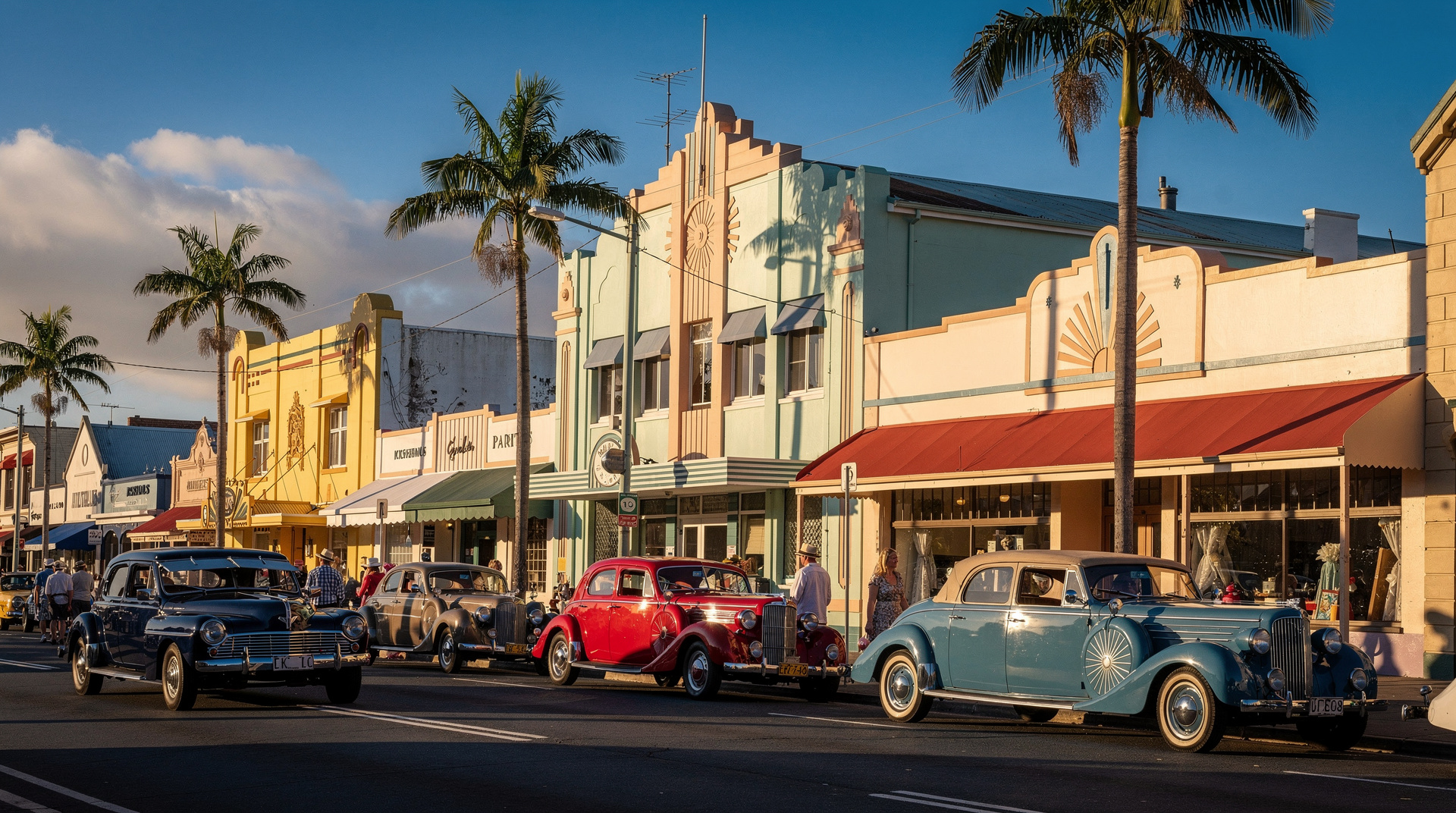
By August 2023, the core of Napier and Hastings is open and functioning. The Art Deco district of Napier — the city rebuilt after the 1931 earthquake that killed 256 people — is intact. The Napier waterfront is open. The Marine Parade promenade is walkable.
The wine region is open for tasting, though at reduced volume. The wineries that survived with less damage — properties on elevated ground in the Bridge Pa Triangle and Gimblett Gravels sub-regions were generally better positioned than those on the floodplain — are offering tastings and actively welcoming visitors. Visiting now is a concrete economic act of support for businesses that need the revenue.
The Hawke’s Bay small-group wine tasting tour from Napier covers multiple properties across the region. Call ahead to check specific winery access; the tour operators are current on which properties are receiving visitors.
The Cape Kidnappers gannet colony is open — see our gannet colony guide for access details. The Te Mata Peak lookout is open. Napier city is essentially fully functional; the Napier Art Deco guide covers the walking routes through the district in full.
What is not fully normal: some roads in the eastern Hawke’s Bay hill country remain damaged. Some accommodation that was flood-affected hasn’t fully reopened. The Tairāwhiti region to the north — Gisborne and surrounds — has more significant ongoing road closures.
Visiting as a form of support
I want to say this plainly because I’ve seen it said imprecisely elsewhere: visiting Hawke’s Bay now is, on balance, helpful.
The tourism economy in Hawke’s Bay — the wine country visitors, the Art Deco tourists, the cycle trail users — represents a significant portion of the regional economy outside agriculture. Tourism businesses that survived the storm physically need visitors. The restaurants on Tennyson Street in Napier, the cellar doors of the wine country, the accommodation providers who have reopened — they benefit from visitors who come.
“Disaster tourism” as a concept refers to visiting to gawk at destruction, to photograph ruins as aesthetic objects, to treat a community’s trauma as a spectacle. Visiting Hawke’s Bay to eat well, tour the vineyards, and spend money in functioning local businesses is different. It’s what the region needs.
The Napier Art Deco guided walk runs year-round and is one of the best architectural tours in New Zealand. The city’s 1930s Art Deco downtown, rebuilt after the 1931 earthquake, is legitimately extraordinary.
What the recovery actually looks like
The visible recovery in Napier is significant. The silt and debris were cleared from the streets relatively quickly. The city centre looks normal. What you won’t see on Dickens Street or Emerson Street is what happened in the paddocks north of town and in the valleys — the inundated orchards, the damaged stop banks, the properties that are still in remediation.
Longer-term, Hawke’s Bay is dealing with questions about infrastructure investment, river management, and what development is appropriate in flood-risk areas. These are political questions as much as engineering ones, and they don’t have quick answers.
The winemakers I’ve spoken to from the region are not defeated. They are exhausted and, for many, financially stressed. But the Gimblett Gravels soil and the Bridge Pa climate that make Hawke’s Bay one of the world’s better Syrah and Chardonnay regions don’t go anywhere. The 2024 vintage is expected to be much closer to normal. Our Hawke’s Bay wine routes guide is kept current with which sub-regions and cellar doors are back to full operation.
Comparing recoveries: Hawke’s Bay and Kaikoura
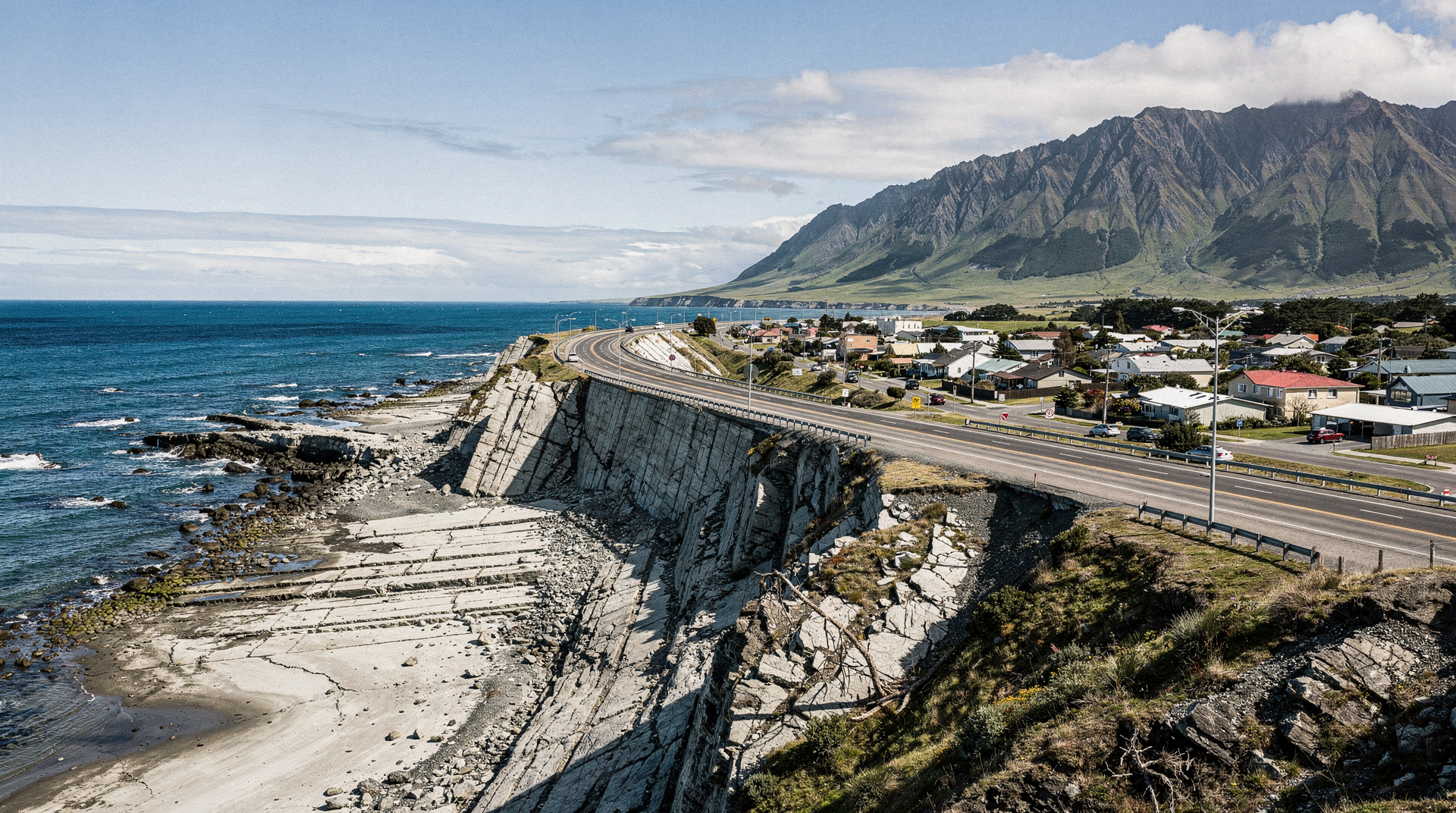
Hawke’s Bay’s situation echoes, in structure if not in cause, what Kaikoura went through after the 2016 earthquake severed its main road and rail links for over a year. Both are cases where the visible tourist-facing core (Napier’s Art Deco streets; Kaikoura township) survived largely intact while surrounding infrastructure took years to fully repair, and where visiting responsibly became a genuine economic lifeline rather than an awkward question. Read the Kaikoura recovery piece for how that longer recovery played out, and what it suggests about Hawke’s Bay’s own multi-year trajectory.
The Art Deco city
One thing I want to say clearly, because it gets absorbed into the disaster narrative: Napier’s Art Deco district was unaffected by Cyclone Gabrielle. The city centre sits on elevated ground — Bluff Hill and the Marine Parade area are above flood risk. The distinctive 1930s buildings are intact.
If Art Deco architecture and the story of the 1931 earthquake are your primary reason for visiting (as they are for a significant proportion of Napier’s visitors), the experience is unchanged. The Art Deco Trust’s guided walks are one of the better architectural experiences in New Zealand, delivered by people who know the building history in granular detail.
Practical notes for visiting in late 2023
- SH2 south from Napier toward Wellington is fully open.
- SH2 north toward Wairoa and Waiōhau: check current road status at the NZ Transport Agency website before travelling. Some sections were repaired and reopened; conditions vary.
- Wine tasting: book ahead. Some properties reduced their hours during the recovery period.
- Accommodation: full selection available in Napier and Hastings. Some rural accommodation may still be in repair.
Related reading
Related guides
Hawke's Bay
Honest Hawke's Bay guide: Napier Art Deco, Marlborough-rivalling wines, Cape Kidnappers gannets, real NZD/USD/EUR costs. Best time to visit and what to skip.
Napier
Honest Napier guide: Art Deco architecture, Hawke's Bay wine tours, Cape Kidnappers gannets, real prices NZD/USD/EUR, and how long to stay.
Hawke's Bay wine routes — the honest guide
Hawke's Bay wine: Mission Estate, Craggy Range, Black Barn, Te Mata, Trinity Hill. Gimblett Gravels reds, real costs NZD/USD/EUR, car vs cycle vs guided tour.
Kaikoura after the 2016 earthquake — what's changed
Three years after the 7.8 earthquake, Kaikoura is open for business — and in some ways more interesting than before the disaster.
Published: